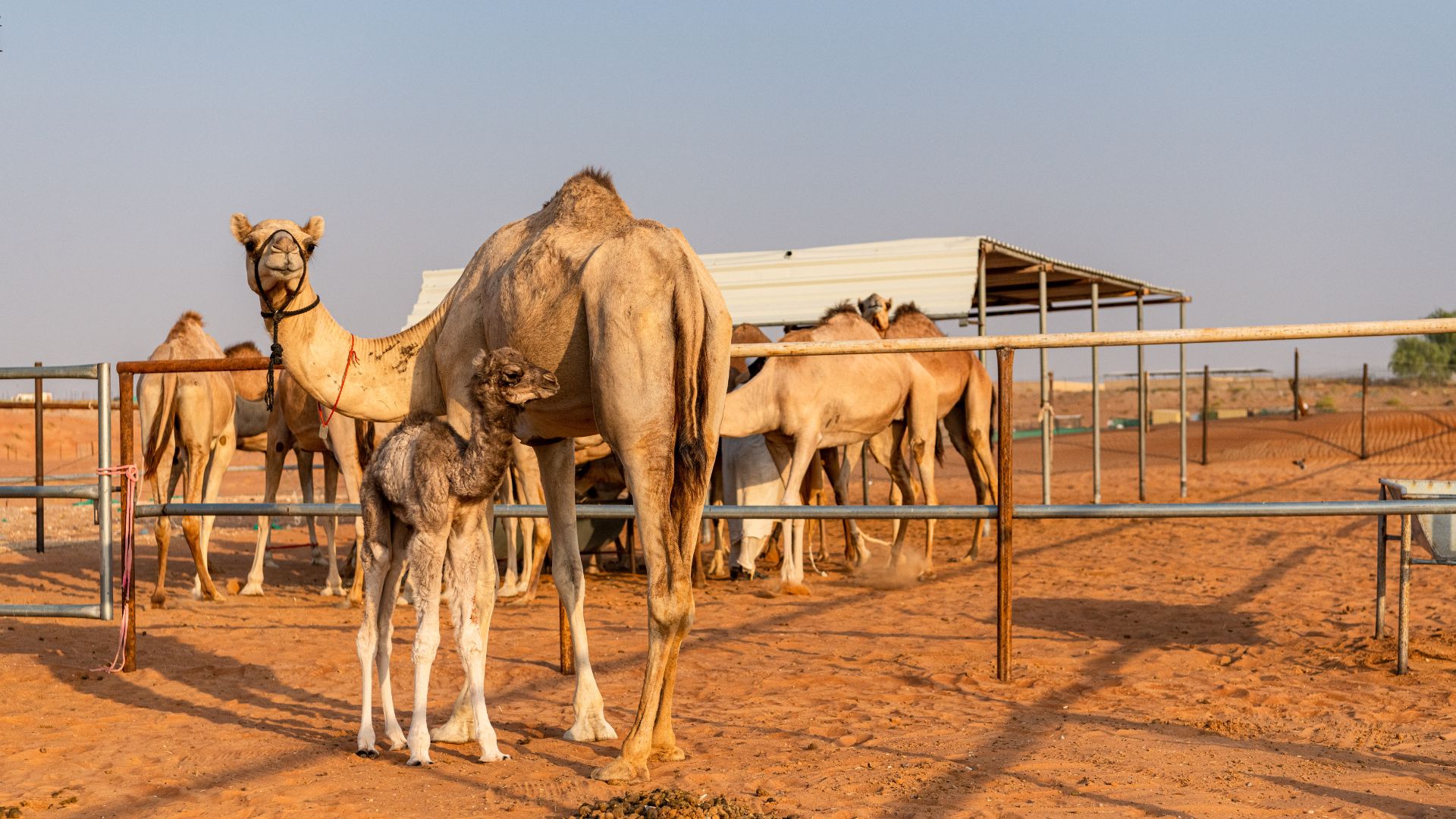
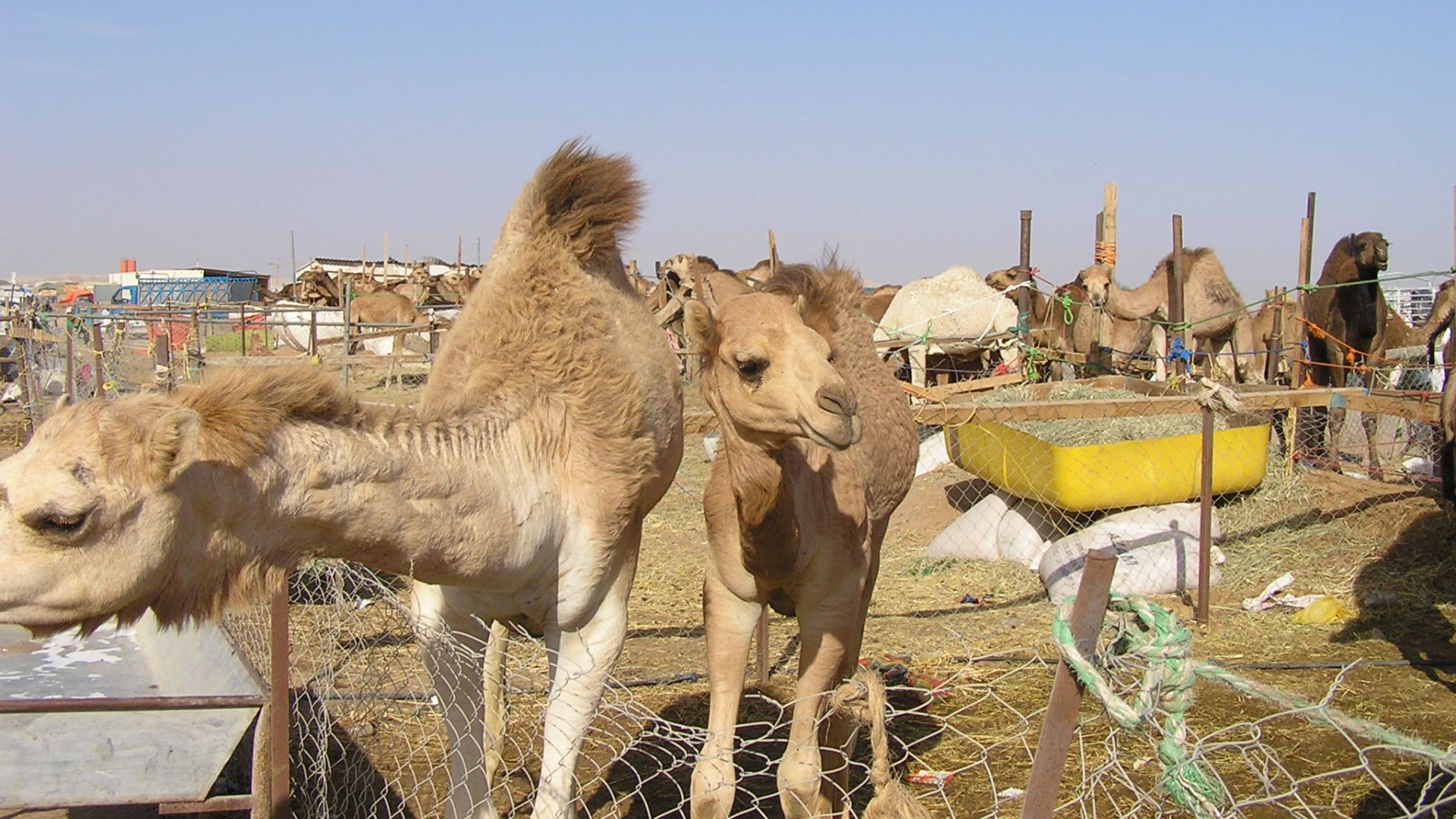
Al Ain, two hours from Abu Dhabi at the Omani border, is the UAE’s fourth-largest city and its most traditionally Emirati — a place where the country’s Bedouin heritage remains visible rather than museumified. The camel market here operates as it has for generations: animals traded with handshakes and inspection rituals, prices negotiated in Arabic that our guide struggled to follow, and not a tourist in sight except for us.
The camels themselves are magnificent — racing camels, bred for speed and valued accordingly, their lineage documented with the same precision that Europeans apply to racehorses. We watched as buyers circled animals whose prices exceeded our car rental’s value, examining legs and teeth and the indefinable qualities that separate champions from also-rans. A sale we witnessed concluded with a price of AED 80,000 (£17,500), negotiated over twenty minutes of Arabic that involved much gesturing and occasional dramatic walking away.
The market’s survival seems improbable in a country of malls and towers, but here commerce continues as it did before oil — buyers and sellers meeting, animals changing hands, relationships maintained across generations. Our guide, an Emirati whose family had traded camels before diversifying into real estate, explained the market’s persistence: ‘The camels are tradition. The malls are work. We need both.’ He bought nothing during our visit but knew everyone; this was, clearly, a place he returned to regardless of commercial necessity. Some traditions survive through nostalgia. This one survives through use.