
The Art of Batik: Wax, Dye, and Cultural Resilience
Batik — the technique of applying wax resist to fabric before dyeing — achieved UNESCO Intangible Cultural Heritage status in 2009, recognition of both the artistry involved and the cultural significance the craft carries. Indonesian batik is not merely fabric but language: patterns that indicate regional origin, social status, and ceremonial purpose; techniques that require years to master; and traditions that persist despite industrial reproduction because the handmade versions retain qualities that machines cannot replicate.
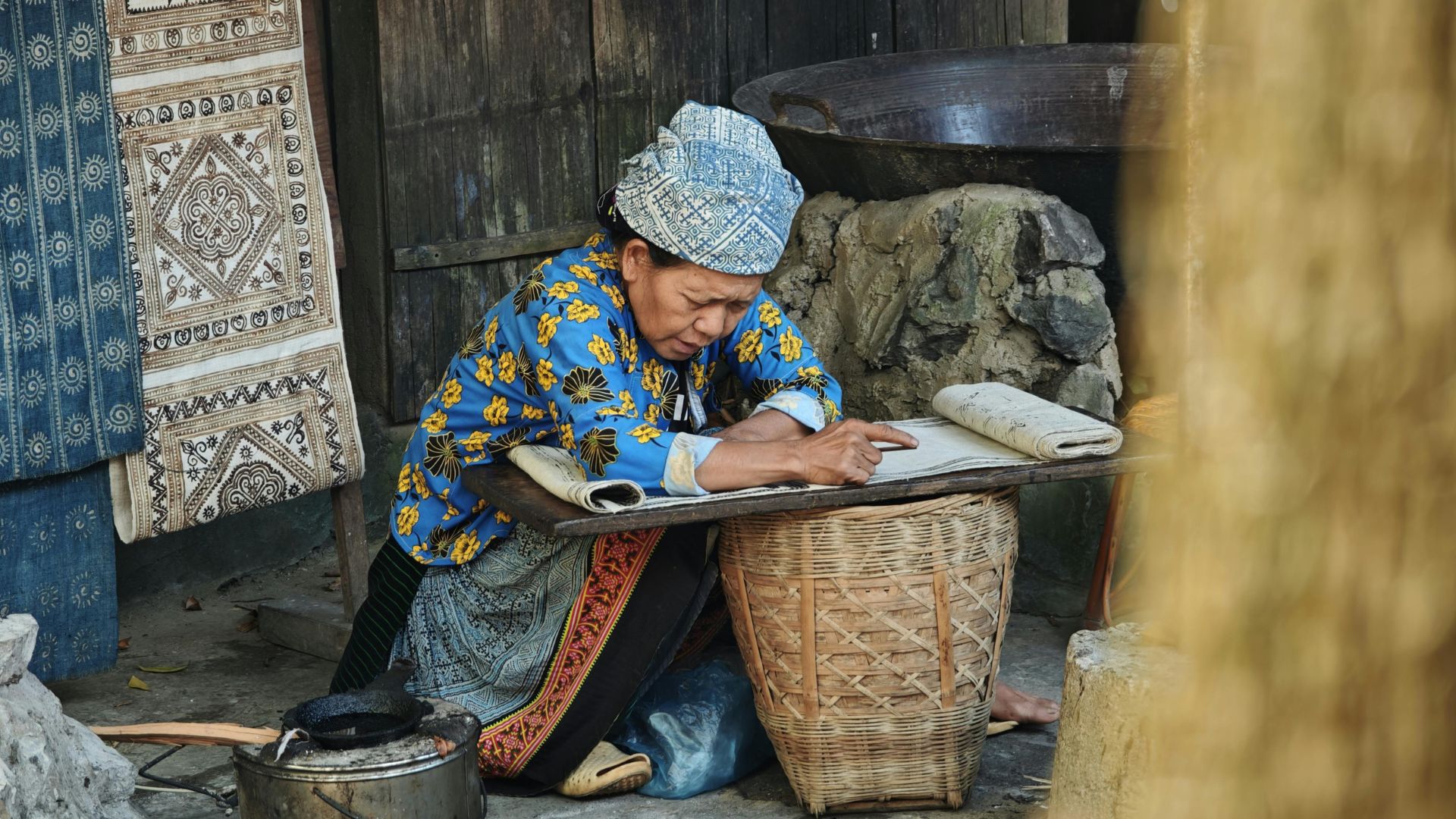
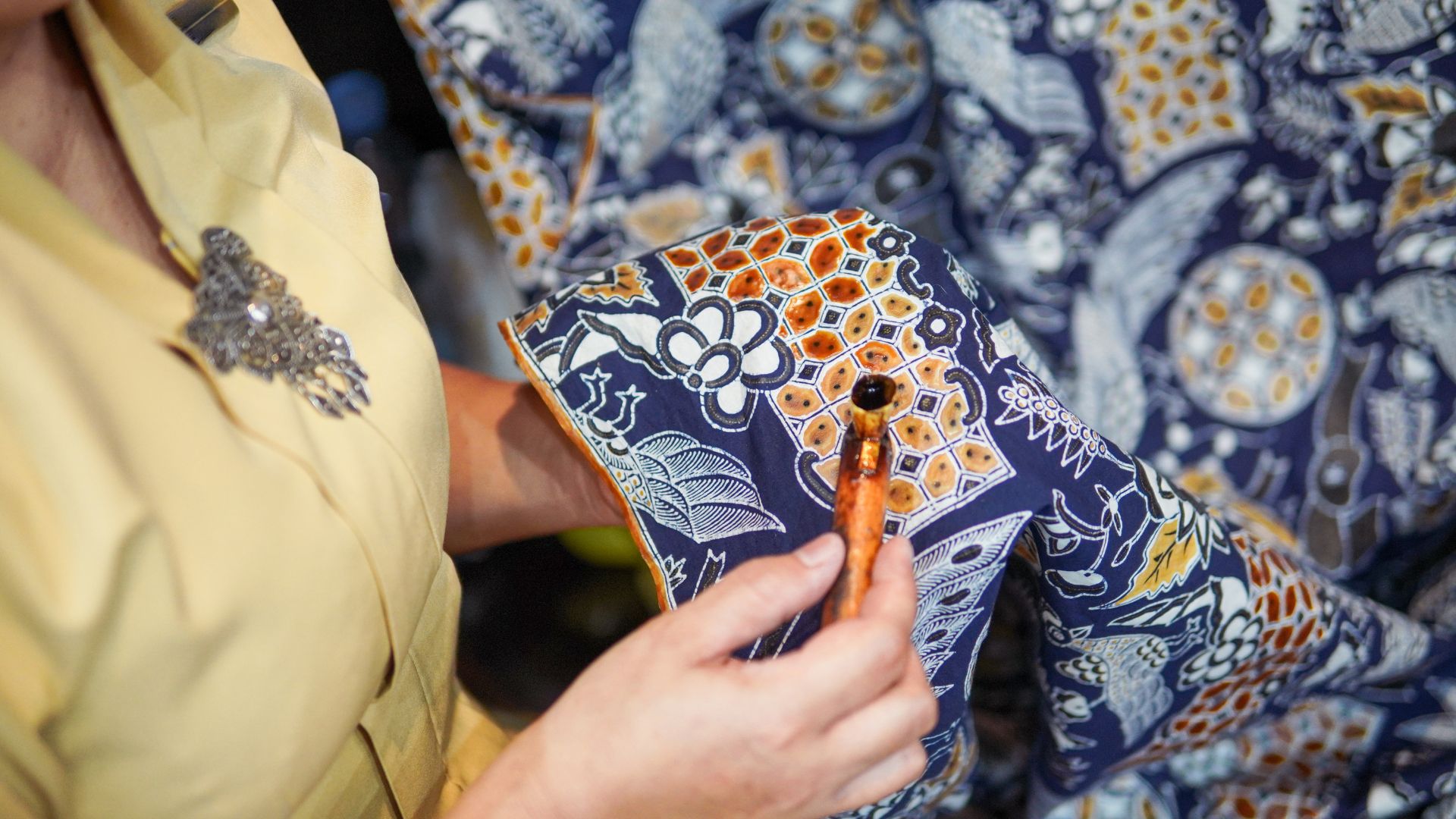
The process is labor-intensive in ways that final prices reflect. Traditional batik tulis (hand-drawn) requires applying wax with a canting — a pen-like tool — in patterns that can take weeks or months to complete. The fabric is then dyed, the wax removed, and additional colours applied through successive wax applications and dyeing. The finest pieces involve dozens of colours and patterns of extraordinary complexity; the time required for their creation makes them genuinely precious.
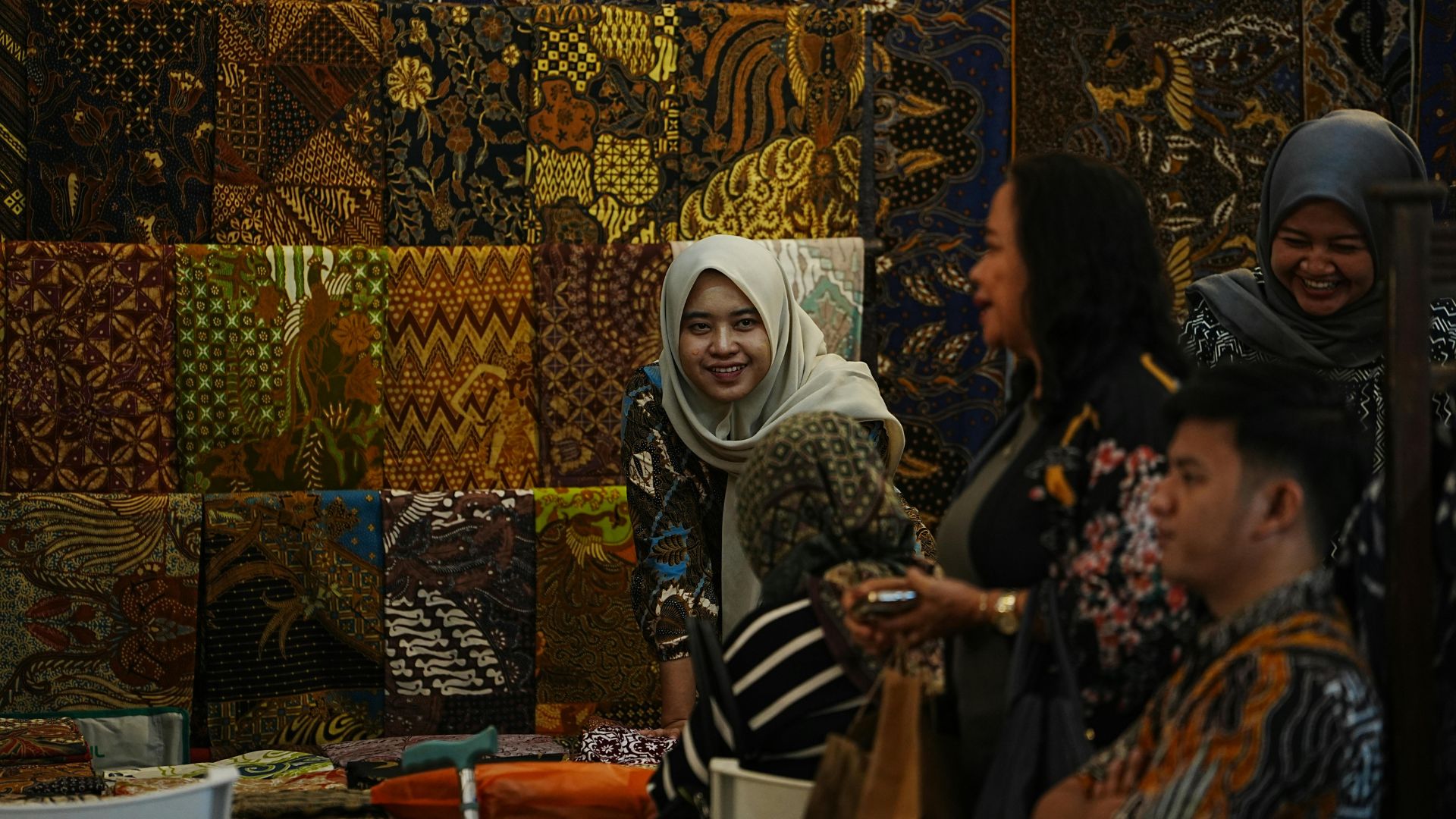
Java remains the batik heartland. Yogyakarta and Solo produce the classical patterns associated with court culture — the geometric parang patterns, the wing designs, the browns and indigos that distinguish Javanese batik from coastal variations. The north coast cities of Pekalongan and Cirebon developed different traditions, incorporating Chinese and Dutch influences in colours and patterns that reflect their trading port histories. Contemporary designers have pushed batik into fashion contexts that traditional makers might not recognise, bringing the craft to new audiences while debating what constitutes authentic practice.
The tourist experience of batik ranges from factory tours that conclude in aggressive sales environments to workshops where visitors apply wax and dye to create their own pieces. The latter provides understanding that mere observation cannot: the patience required, the skill involved, and the satisfaction of creating something that carries personal meaning alongside cultural significance. The pieces produced in workshops are unlikely to rival master work, but the process illuminates why master work commands the prices it does.
Buying batik intelligently requires understanding the distinctions. Batik tulis (hand-drawn) is expensive because the work is genuine. Batik cap (stamped) uses copper stamps to apply wax, reducing time and cost while maintaining handcraft elements. Printed batik replicates patterns without wax-resist technique, producing affordable fabric without the qualities that make genuine batik special. The market contains all three; vendors do not always clarify which they sell. The luxury traveller seeking meaningful purchases should seek out the workshops where genuine production continues, where the connection between maker and object remains visible.