
Thailand: Eat Like a Local
Eat Like a Local
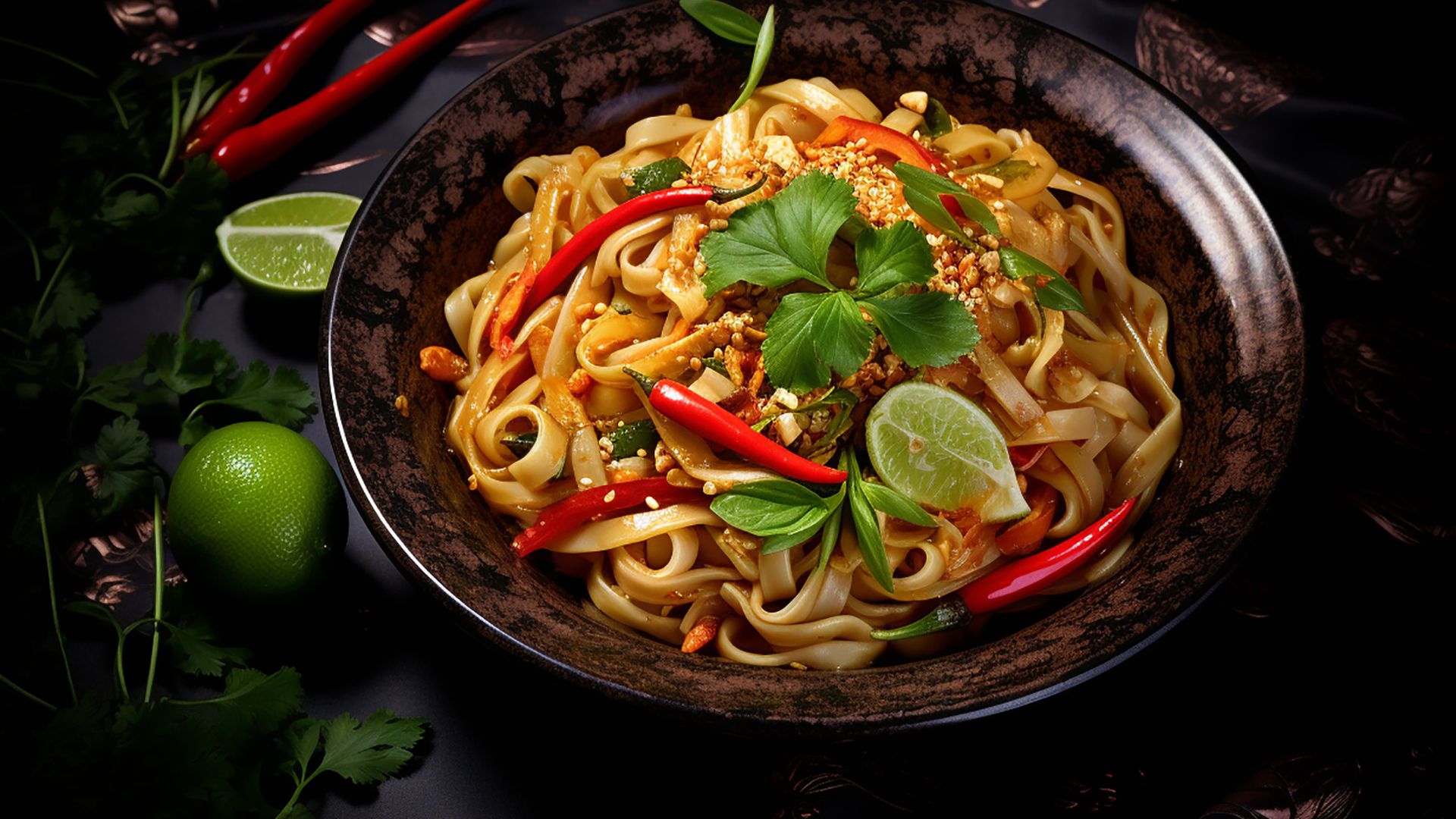
- Pad Thai — Street Food
Expect to pay: £2–£5 from street vendors; £8–£15 at restaurants
Thailand’s most famous noodle dish—rice noodles wok-fried with eggs, tofu, prawns, and a tamarind-based sauce, finished with crushed peanuts, bean sprouts, and lime. The best pad Thai balances sweet, sour, salty, and umami in every bite; the noodles should be separate, not clumped, slightly caramelised from high heat. Street vendors who specialise in nothing else often produce the finest versions—Thip Samai in Bangkok serves the legendary original. Add chilli flakes and extra lime to taste, watch the vendor work the wok with practised speed, and understand why this simple dish conquered the world.
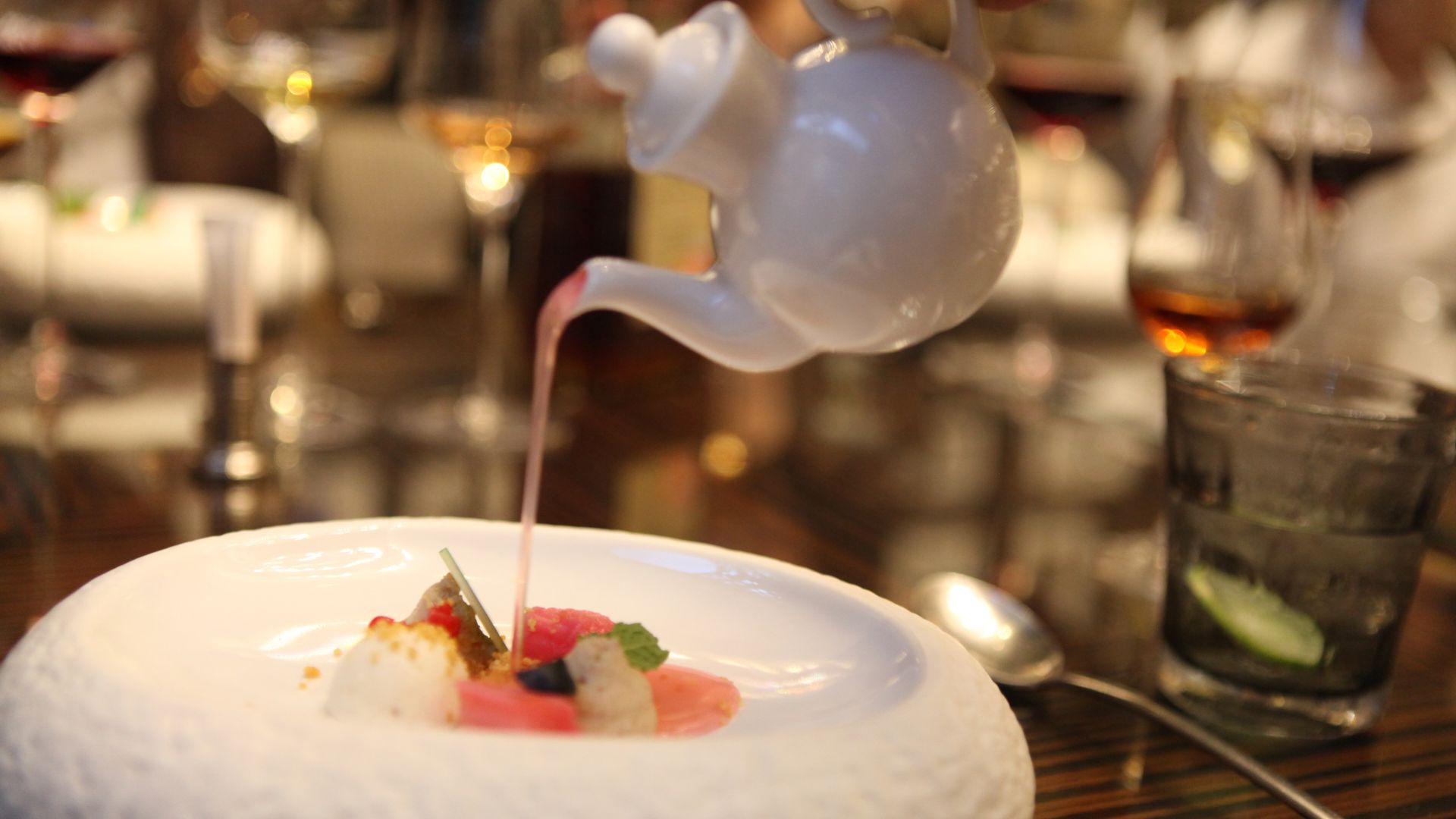
- Michelin-Starred Thai Cuisine — Fine Dining
Expect to pay: £80–£150 for tasting menu; £120–£250 with wine pairing
Bangkok has become Asia’s culinary capital, with innovative chefs earning Michelin stars for both traditional and contemporary Thai cuisine. Gaggan pioneered progressive Indian-Thai fusion; Nahm delivers elevated royal Thai recipes; Le Du showcases modern Thai techniques with local ingredients. The tasting menus reveal Thai cuisine’s extraordinary complexity—the interplay of herbs, the balance of flavours, the regional diversity often obscured by tourist menus. Book well ahead for the celebrated addresses, embrace wine pairings that match Thai spice, and discover that Thai fine dining rivals any global cuisine in sophistication and creativity.
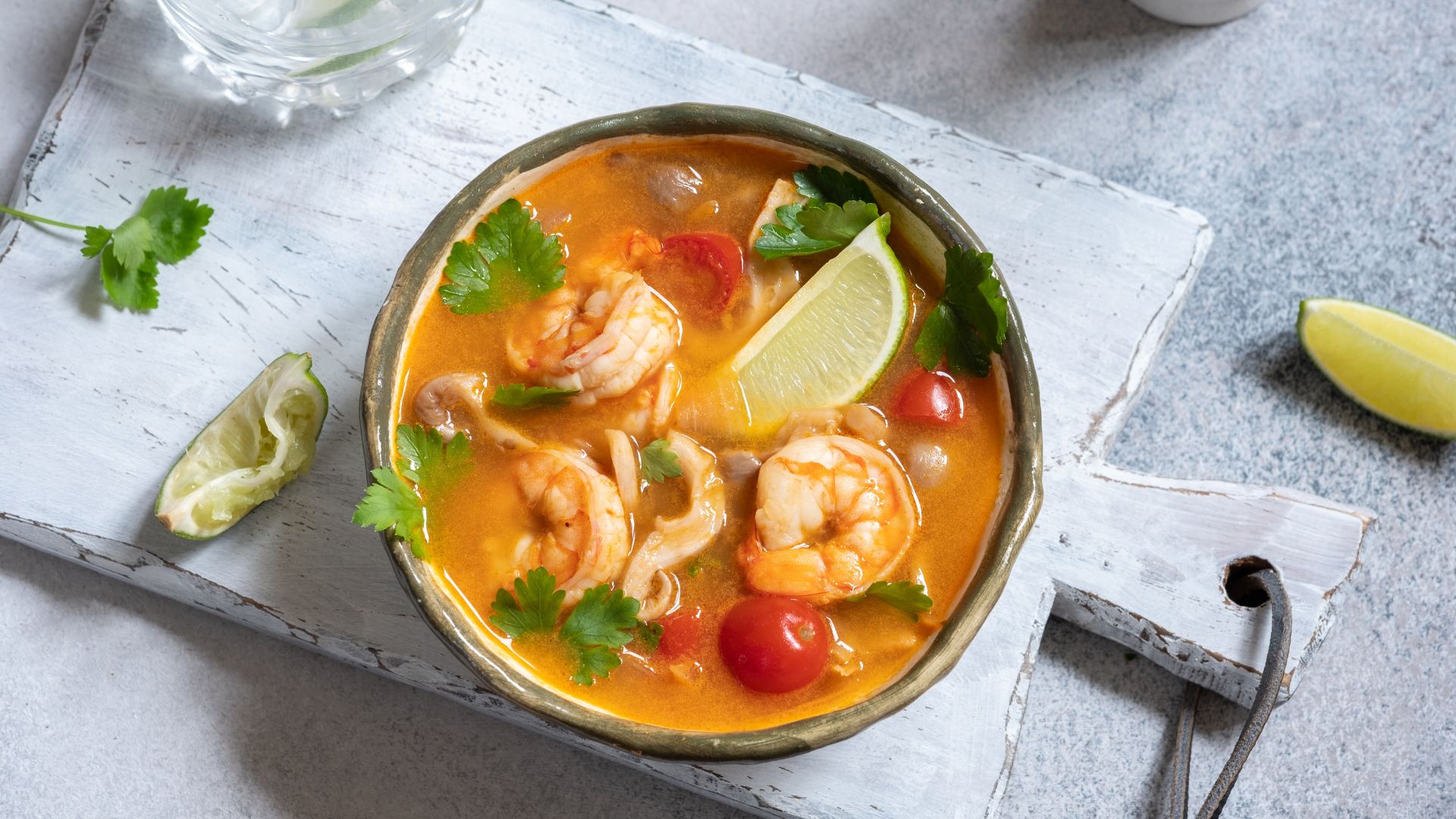
- Tom Yum Goong — Casual Dining
Expect to pay: £5–£12 at quality restaurants
Thailand’s iconic hot and sour soup—prawns swimming in a broth fragrant with lemongrass, galangal, kaffir lime leaves, and fiery bird’s eye chillies. The soup should make you sweat and reach for water, yet keep you coming back for another spoonful. Fish sauce provides depth; lime juice provides zing; fresh herbs provide aromatics that no other cuisine matches. The creamy version (tom yum nam khon) adds evaporated milk for richness; the clear version lets the herbs shine. Order it properly spicy, squeeze in more lime, and experience the flavour profile that defines Thai cooking.
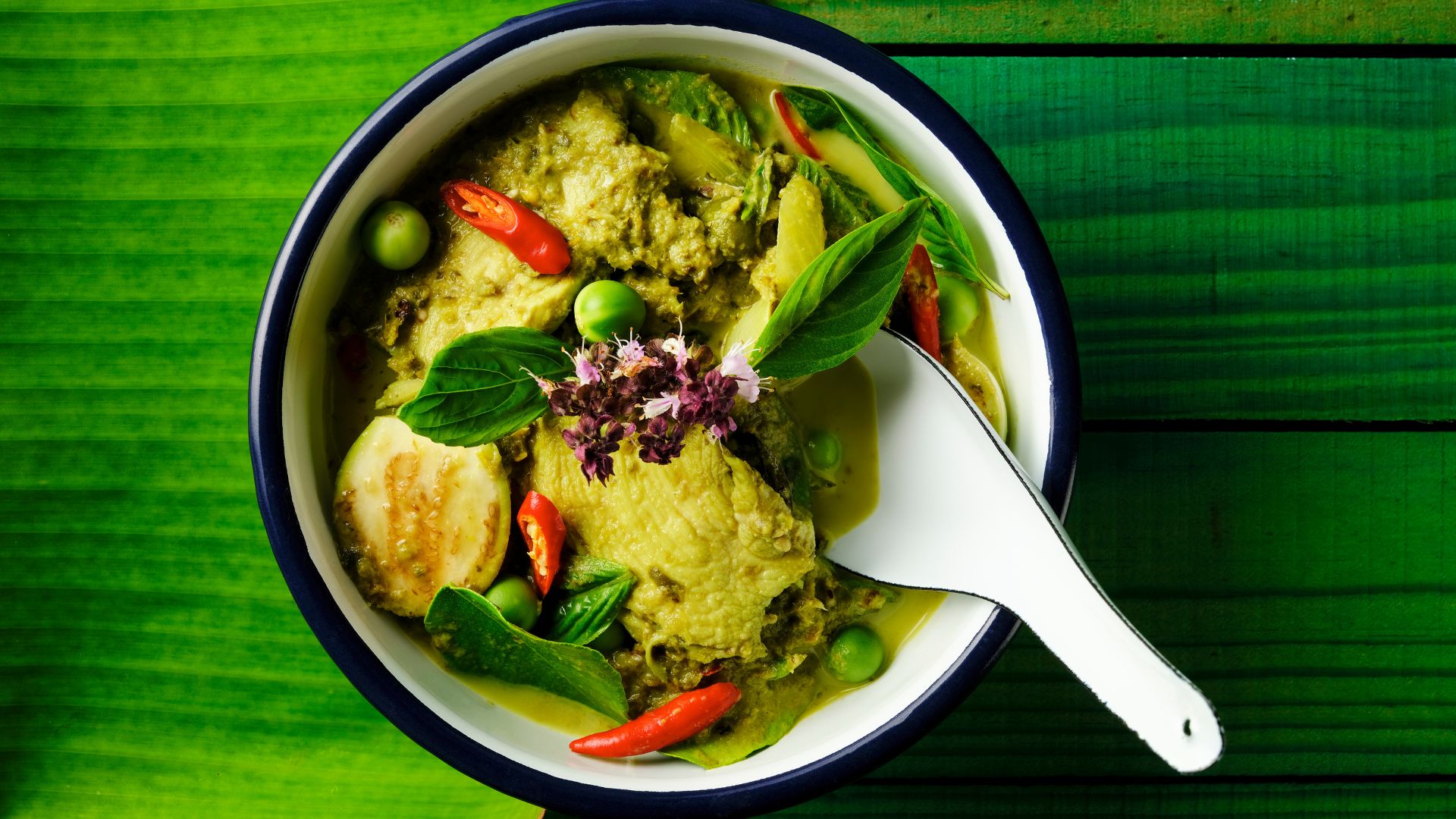
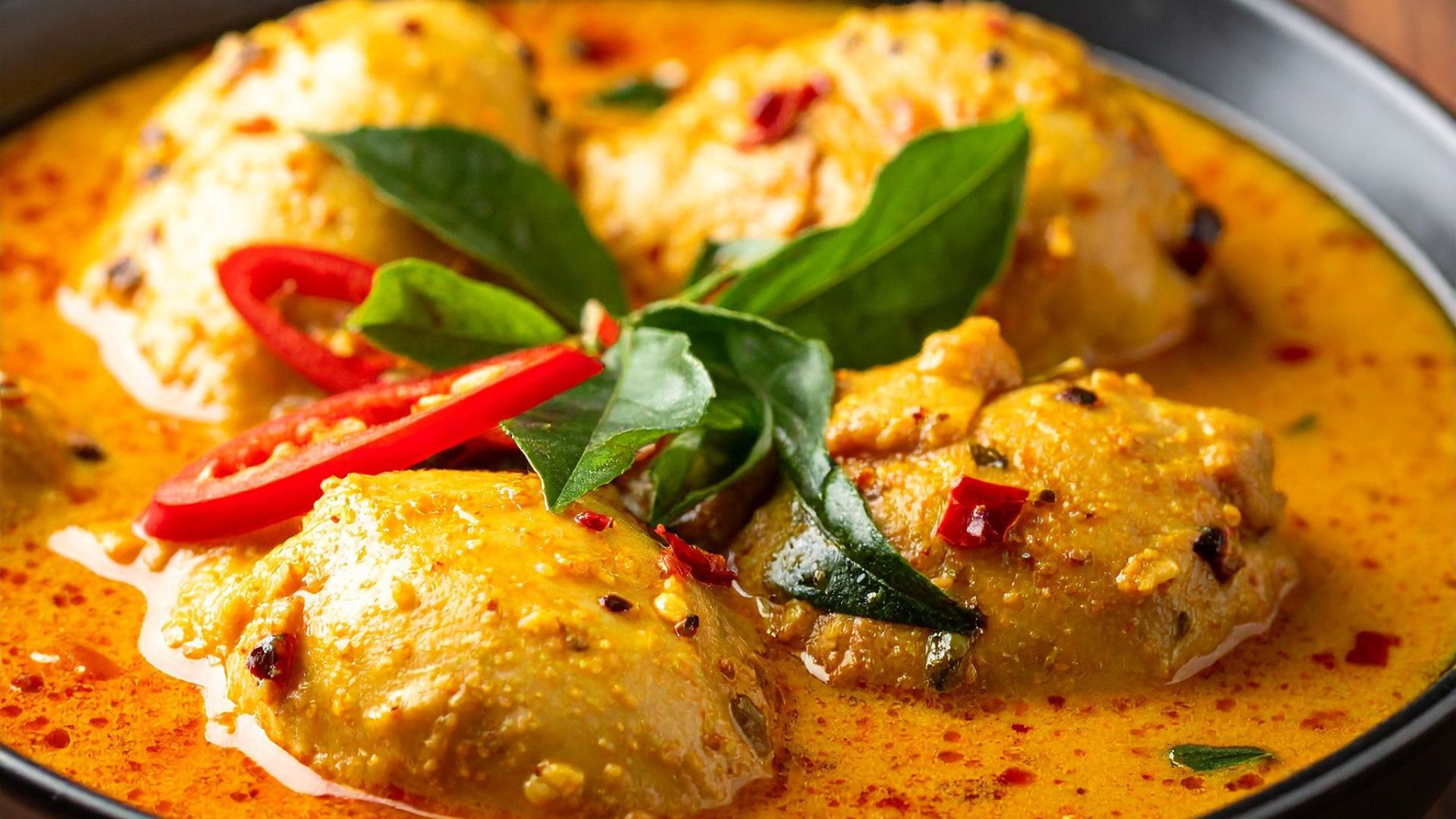
- Green Curry (Gaeng Keow Wan) — Casual Dining
Expect to pay: £5–£12 at quality restaurants
That distinctive green colour comes from fresh green chillies pounded with Thai basil, coriander roots, lemongrass, and galangal into an aromatic paste, then simmered with coconut milk, chicken or prawns, and Thai aubergines. The curry should be fragrant rather than merely hot, its flavours complex and layered. Palm sugar balances the heat; fish sauce adds umami; Thai basil provides fresh anise notes. Eaten with jasmine rice (steamed, never sticky), green curry demonstrates why Thai curries bear little resemblance to their Indian cousins—lighter, brighter, and intensely herbaceous.
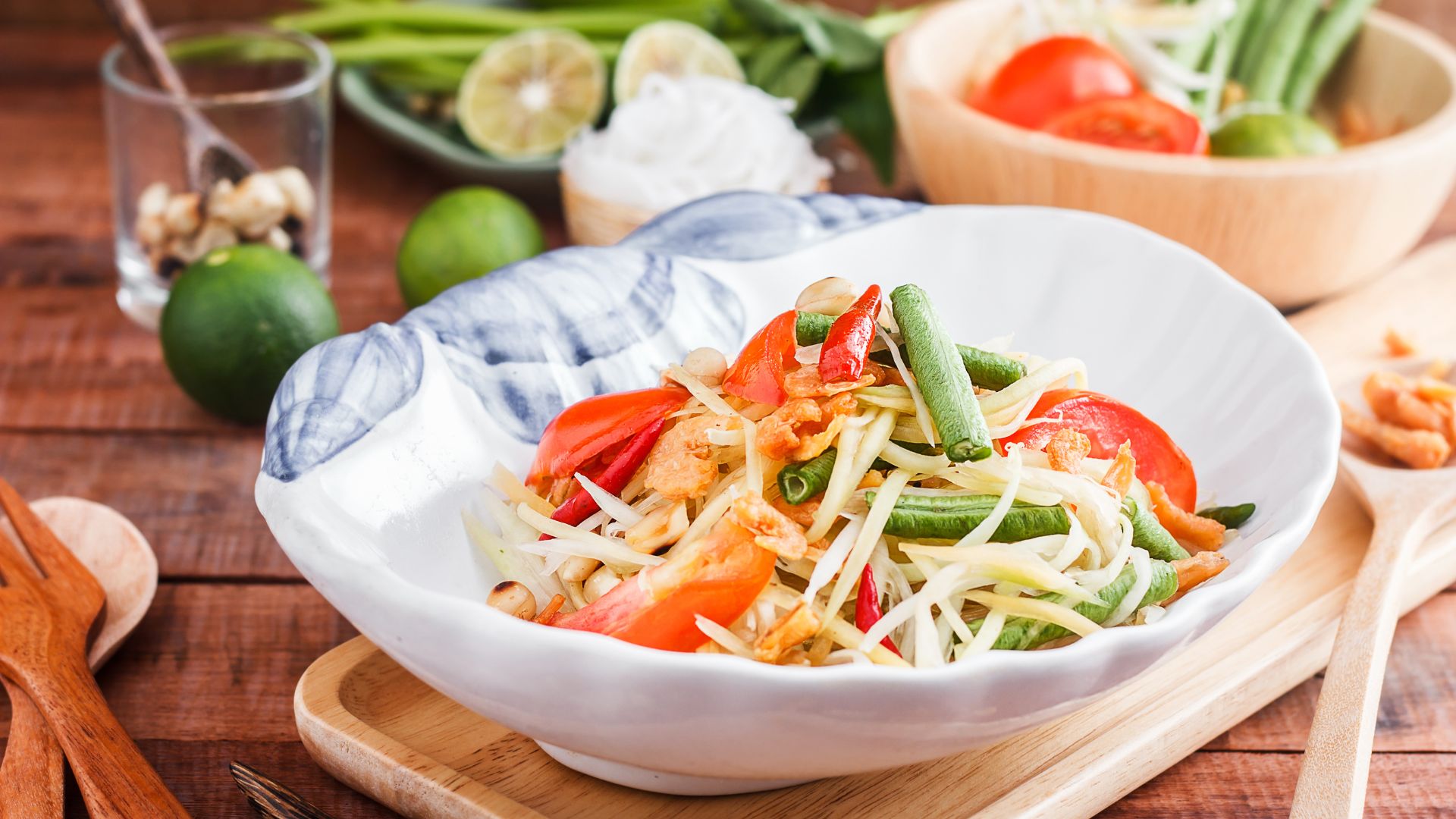
- Som Tam (Green Papaya Salad) — Street Food
Expect to pay: £2–£5 for a generous portion
Watch the vendor pound garlic and chillies in a clay mortar, add green beans, tomatoes, dried shrimp, and shredded green papaya, then dress with lime juice, fish sauce, and palm sugar. The resulting salad—crunchy, spicy, sour, sweet—epitomises Thai flavour balance. Isaan (northeastern) versions add fermented fish sauce and salted crab; Bangkok versions often moderate the fire. Order your preferred spice level (but embrace some heat), eat it with sticky rice as northeastern Thais do, and discover why som tam is the most popular dish in Thailand’s most populous region.
- Massaman Curry — Casual Dining
Expect to pay: £6–£15 at quality restaurants
This Southern Thai curry—beef or chicken slow-braised with potatoes, peanuts, and whole spices including cinnamon, cardamom, and star anise—reflects Persian and Malay influences on Thai cuisine. The result is richer and sweeter than other Thai curries, almost stew-like in its comfort. The meat should be fall-apart tender; the sauce should coat rather than flood; the spices should warm rather than burn. Massaman appears on most Thai restaurant menus abroad, but versions in Southern Thailand achieve depths of flavour that export versions rarely match. Comfort food elevated to art.
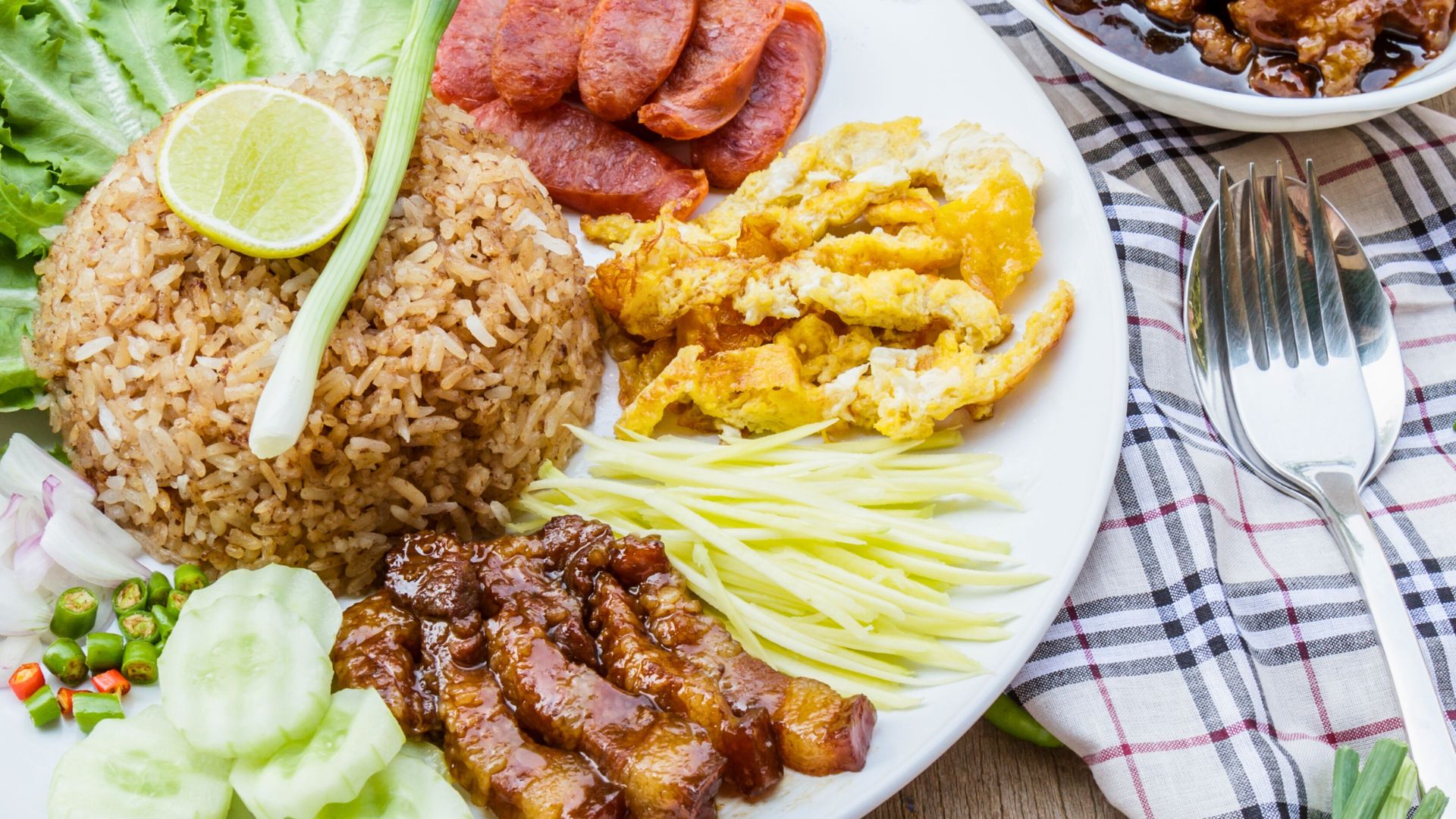
- Khao Pad (Thai Fried Rice) — Street Food / Casual Dining
Expect to pay: £2–£6 depending on protein and venue
Thai fried rice differs from Chinese versions—jasmine rice provides fragrance, fish sauce provides umami, and a fried egg crowns the dish. The wok must be searingly hot; the rice must be day-old and dry; the technique must be fast and confident. Additions range from crab to pineapple to basil and chilli (khao pad grapao). Street vendors produce excellent versions; so do humble shophouse restaurants where the cook has been perfecting their technique for decades. Squeeze on lime, add fish sauce to taste, and appreciate Thailand’s mastery of the simple fried rice.
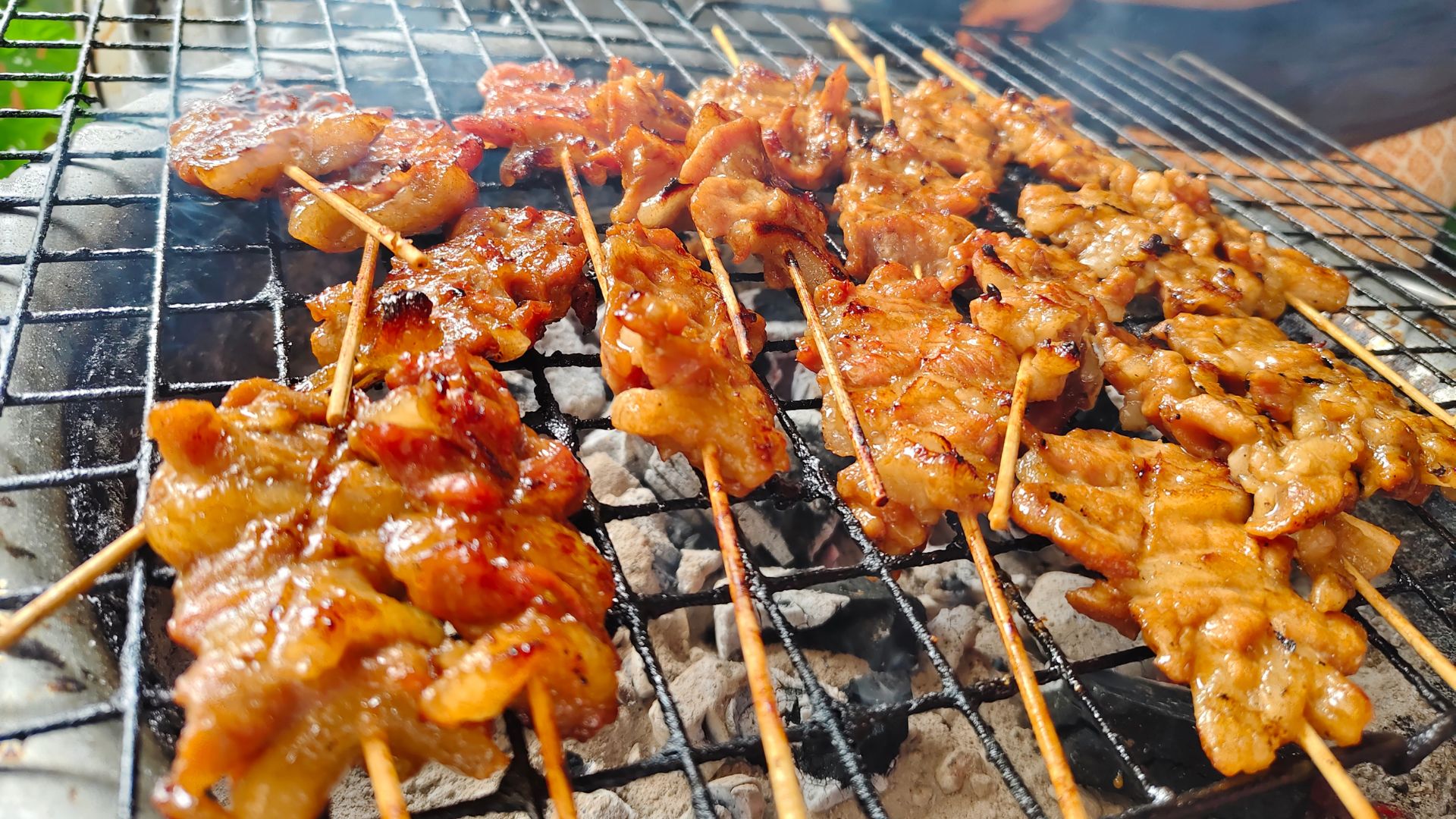
- Moo Ping (Grilled Pork Skewers) — Street Food
Expect to pay: £1–£3 for several skewers
Thailand’s breakfast street food—pork marinated in garlic, coriander root, and palm sugar, grilled over charcoal until caramelised and smoky, served with sticky rice and a sweet chilli dipping sauce. The aroma draws you to the vendor before you see the cart; the first bite explains the queue. Moo ping appears at morning markets throughout Thailand, fuel for the day ahead. The combination of sweet, savoury, and smoky with the slightly chewy sticky rice creates perfect balance. Eat standing, perhaps add a bag of sweet Thai coffee, and start your day like the Thais do.
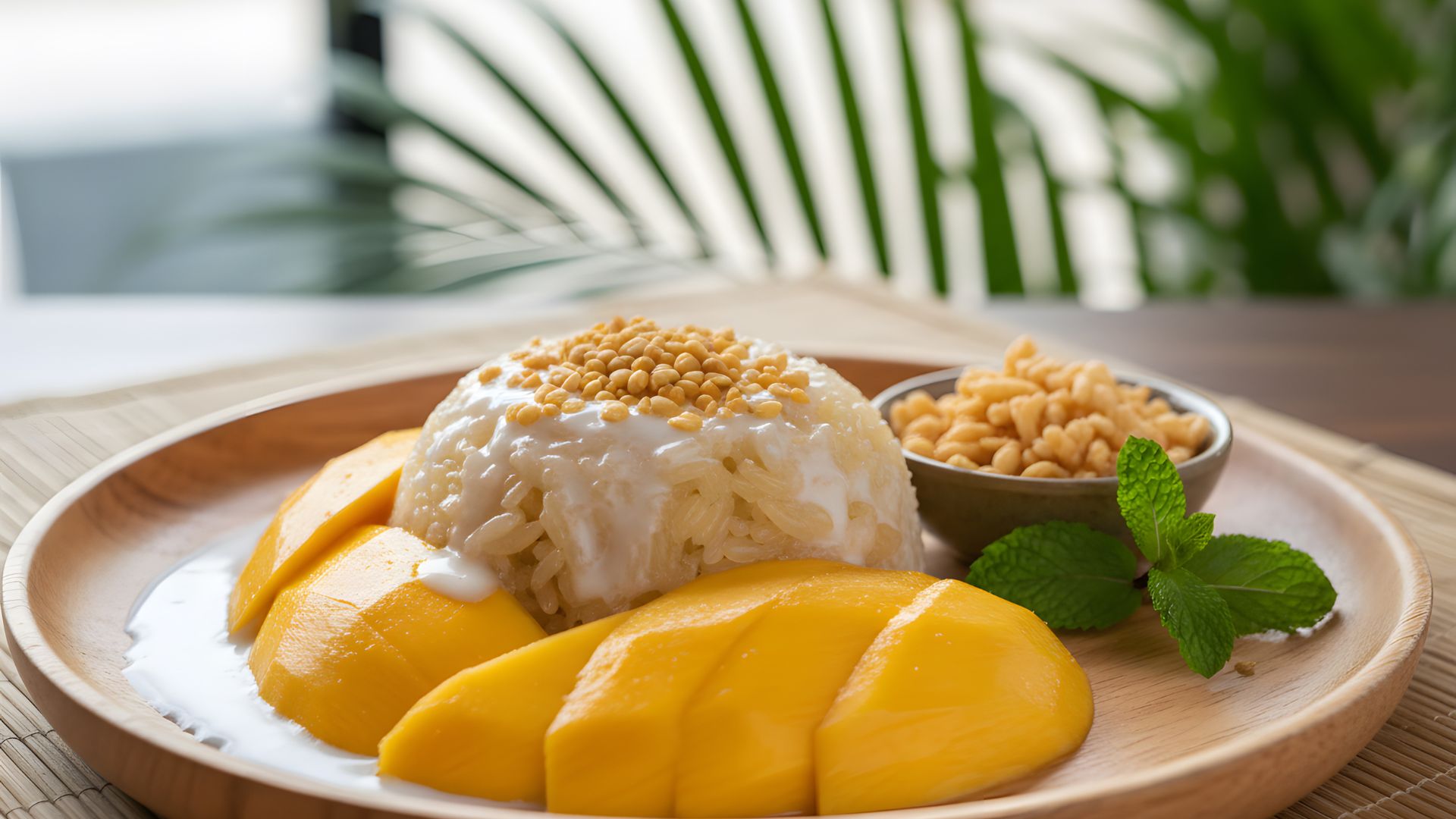
- Mango Sticky Rice (Khao Niao Mamuang) — Dessert
Expect to pay: £3–£6 for a generous serving
Ripe mango, sweet coconut sticky rice, and a drizzle of coconut cream—Thailand’s most beloved dessert achieves perfection through simplicity. The mango must be at peak ripeness, golden and fragrant; the sticky rice must be properly steamed and sweetened with coconut milk; the cream topping must be slightly salted to contrast the sweetness. Seasonal mangoes (April-June) produce the finest versions; year-round availability sometimes means compromised fruit. Find a vendor using nam dok mai mangoes, watch them assemble the dish with care, and understand why this combination has satisfied Thai sweet cravings for generations.
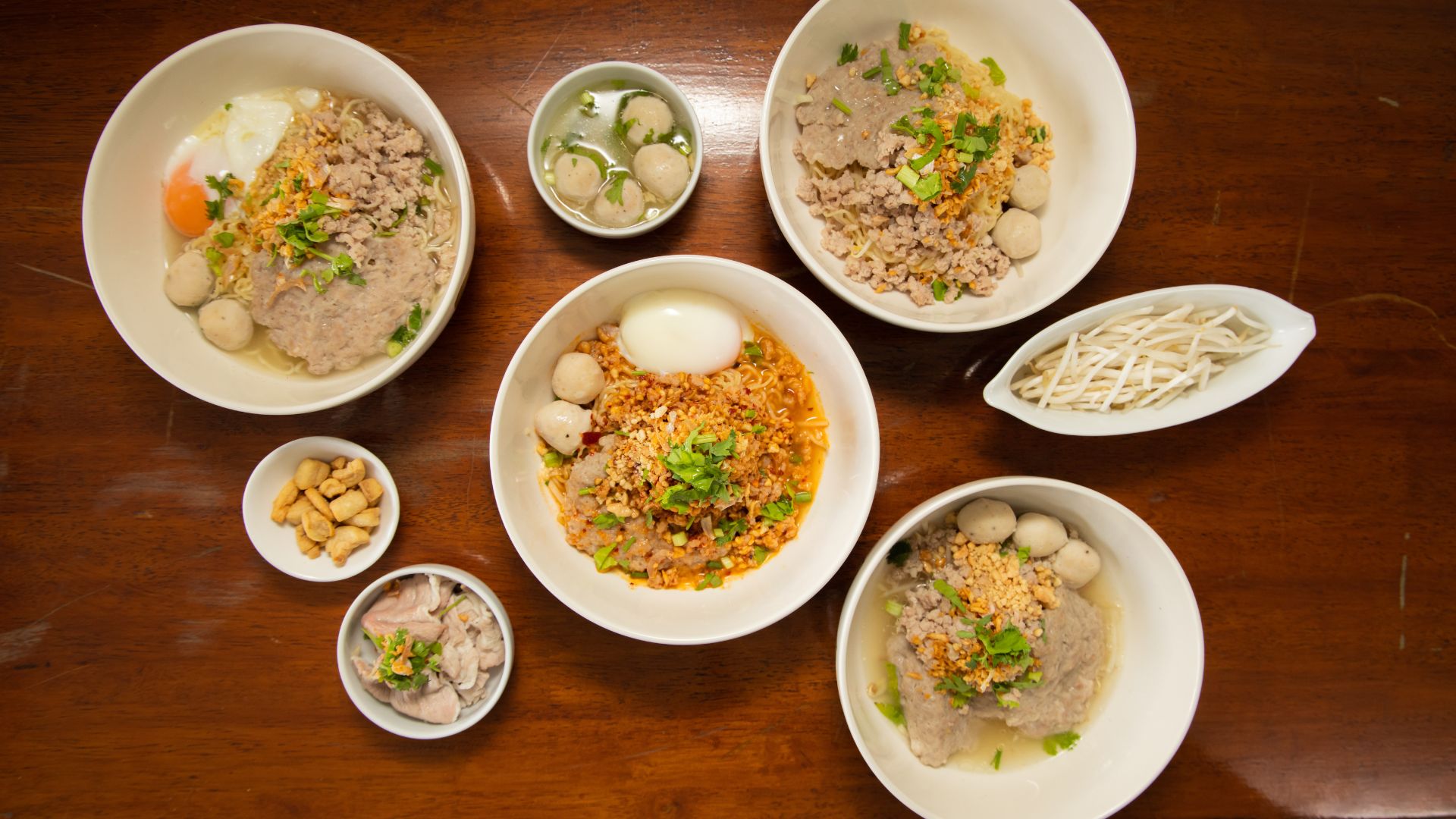
- Boat Noodles (Kuay Teow Reua) — Street Food
Expect to pay: £1–£2 per small bowl; eat multiple bowls
Named for the boats that once served them along Bangkok’s canals, these intensely flavoured noodle soups come in portions deliberately small—the tradition involves eating five, six, or more bowls in succession. The broth, darkened with pig’s blood (or without, if preferred), packs enormous umami punch; the noodles are thin rice vermicelli; the toppings include pork or beef, morning glory, and crispy pork skin. Add the tableside condiments—sugar, chilli, fish sauce, vinegar—to customise each bowl. The experience of accumulating empty bowls is part of the pleasure. Victory Monument in Bangkok remains the classic destination.
Useful Links:
Street Food
🔗 Chinatown (Yaowarat Road) – Bangkok – Legendary street food district for grilled seafood, noodles, sweets and more.
https://www.tourismthailand.org/Destinations/Provinces/Bangkok/221
🔗 Chiang Mai Night Bazaar – Street food stalls galore with local eats after dark.
https://www.chiangmai.bangkok.com/chiang-mai-night-bazaar.htm
🔗 Khao San Road Street Eats – Bangkok’s backpacker food haven with classic Thai snacks.
https://www.bangkok.com/khaosan-road/
Instagram-Worthy Restaurants
🔗 Blue Elephant (Bangkok) – Elegant Thai fine dining in a colonial mansion.
https://www.blueelephant.com/bangkok/
🔗 The Deck by Arun Residence (Bangkok) – Iconic riverside restaurant with Wat Arun views.
https://www.arunresidence.com/dining/the-deck
🔗 Khua Kling Pak Sod (Chiang Mai) – Stylish southern Thai cuisine with bold flavours.
https://www.khuaklingpaksod.com
Delicacies & Thai Food Culture
🔗 Nahm (Bangkok) – David Thompson’s celebrated Thai tasting menu restaurant.
https://www.comohotels.com/en/metropolitanbangkok/dining/nahm
🔗 Bo.lan (Bangkok) – Authentic Thai cultural cuisine with sustainable focus.
https://www.bolan.co.th