
Temple Culture: The Sacred Architecture of Belief
Indonesia’s temples tell the story of a civilisation that absorbed successive waves of religious influence while transforming each into something distinctly Indonesian. The Hindu-Buddhist temples of Java and Bali represent one chapter; the mosques that now form the world’s largest Muslim population represent another; and the animist traditions that persist beneath both official religions represent something older still. Understanding temple culture requires understanding that Indonesian spirituality has always been syncretic, incorporating rather than replacing.
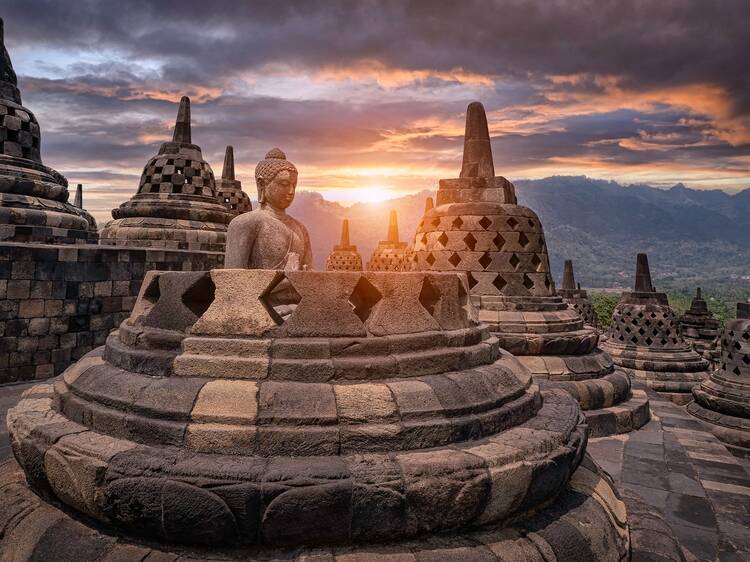
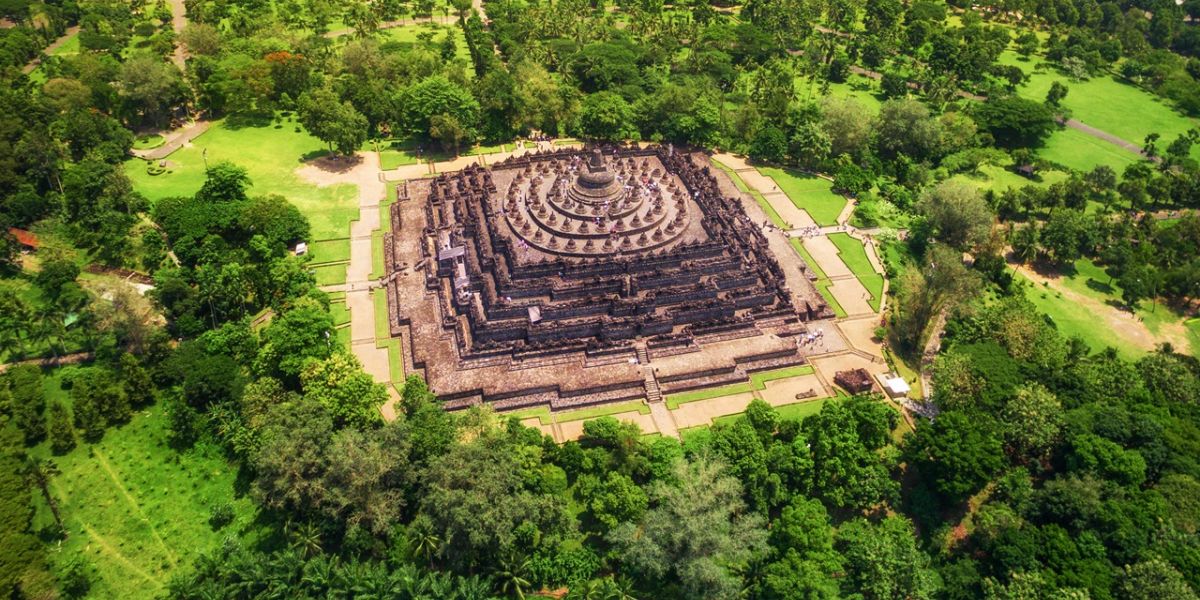
Borobudur, in Central Java, is the obvious place to begin. The 9th-century Buddhist monument rises from the Kedu Plain in nine platforms, representing the Buddhist cosmological journey from earthly existence to enlightenment. The 2,672 relief panels carved into its walls tell stories that pilgrims could read as they circumambulated each level; the 504 Buddha statues provided focus for meditation. The monument was abandoned when the Javanese kingdoms converted to Islam, buried under volcanic ash and vegetation until colonial archaeologists rediscovered it in the 19th century.
Prambanan, also in Central Java, provides Hindu counterpoint. Built roughly contemporaneously with Borobudur by a competing dynasty, the temple complex dedicated to Shiva rises in towers that reference Indian precedents while achieving distinctly Javanese proportions. The Ramayana performances held here during the dry season use the temples as backdrop for Hindu epic storytelling that has persisted on Java despite the island’s conversion to Islam — tradition as cultural practice rather than religious requirement.
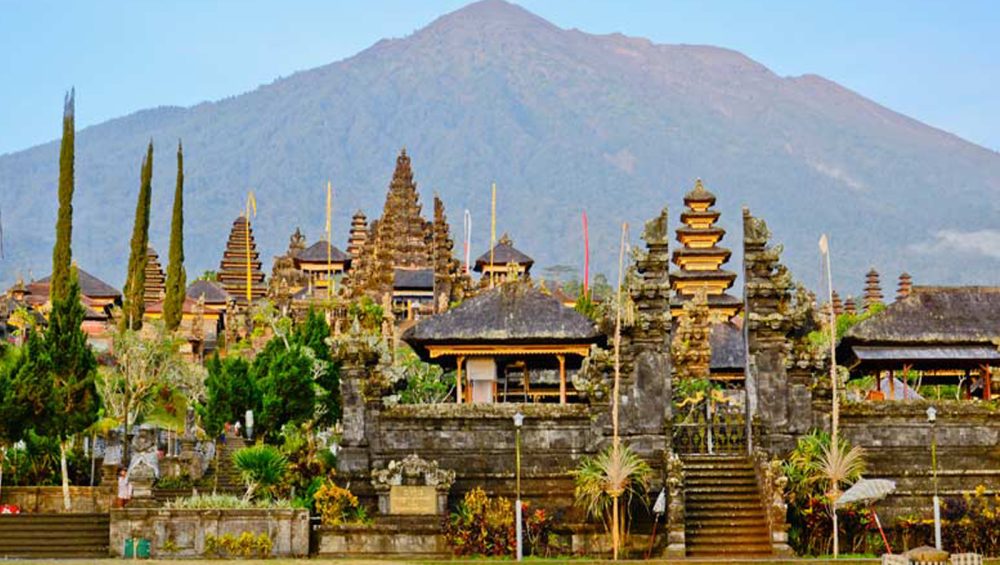
Bali maintains living Hindu temple culture that Java has largely lost. The island’s thousands of temples range from family shrines to vast complexes like Besakih on Mount Agung’s slopes. The ceremonies continue regardless of tourist presence: daily offerings placed at every threshold, temple festivals that can close roads and reroute traffic, the cremation ceremonies that send the deceased to their next lives in flames that consume months of community preparation. Witnessing these practices requires awareness that you are guest rather than audience, that these are not performances for your benefit.
The appropriate approach to temple visits combines respect with curiosity. Dress codes matter: covered shoulders and knees, sarongs often required or provided. Behavior matters: speak quietly, photograph thoughtfully, stay out of areas reserved for worshippers. And timing matters: visiting temples during ceremonies can be either profound or intrusive depending on how you conduct yourself. The luxury operators who arrange private temple visits understand these nuances; the experience they provide differs fundamentally from the self-guided tourist approach.