Tea originated in China somewhere around five thousand years ago, which gives the Chinese reasonable claim to knowing what they are doing with it. The British appropriated tea, industrialised it, and turned it into a class signifier served with milk and biscuits; the Chinese retained it as an art form, a meditation practice, and a daily ritual that structures social interaction. Understanding Chinese tea culture provides insight into Chinese civilisation that monuments and museums cannot match.
The categories of Chinese tea number six: green (unoxidised, fresh, grassy), white (minimally processed, subtle, expensive), yellow (rare, slightly oxidised, complex), oolong (partially oxidised, ranging from light to dark), black (fully oxidised, what the Chinese call red tea), and pu-erh (fermented, earthy, aged like wine). Within each category, varieties number in hundreds; the famous teas — Longjing from Hangzhou, Tieguanyin from Fujian, Da Hong Pao from Wuyi — command prices that approach fine wine.
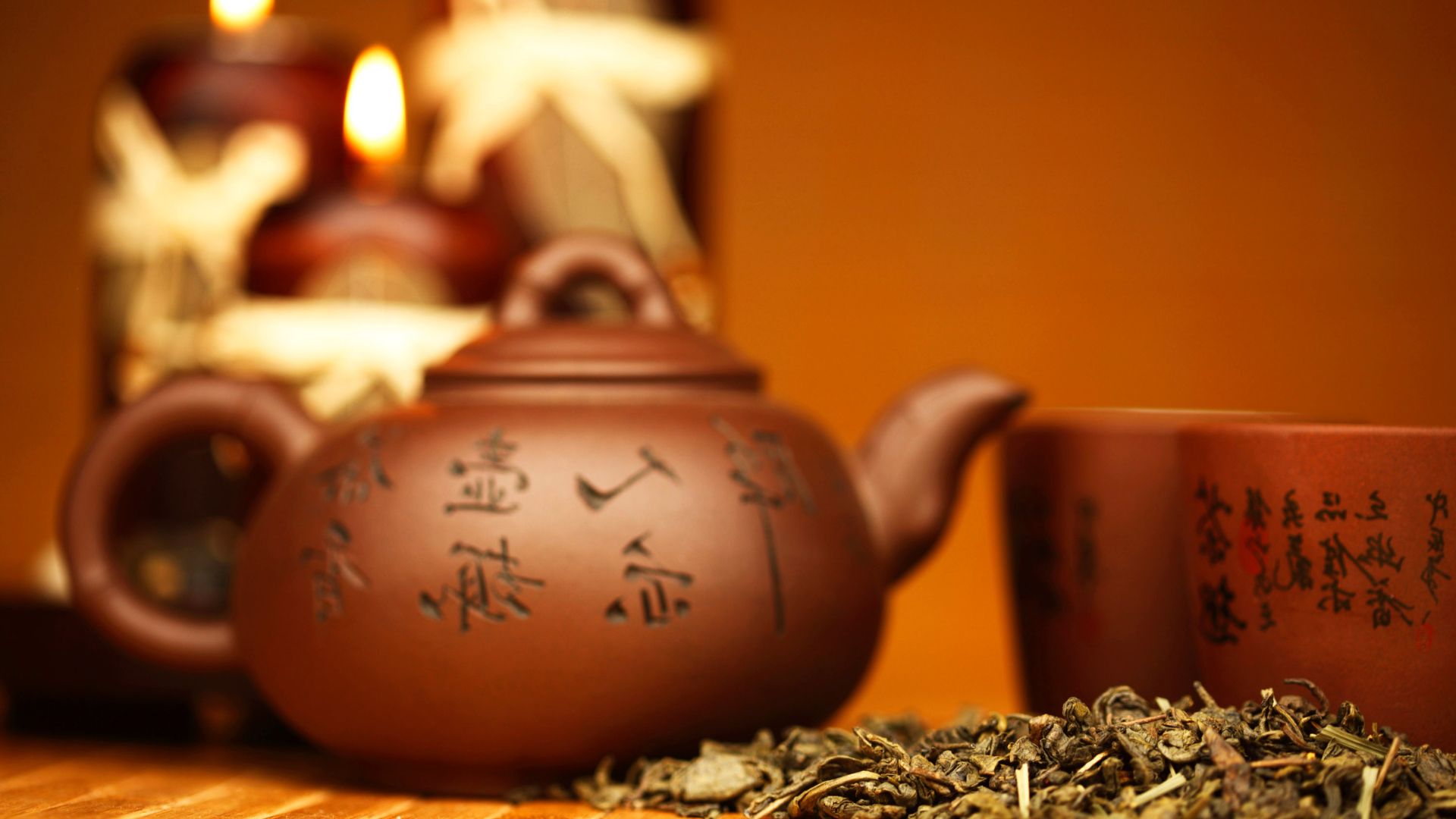
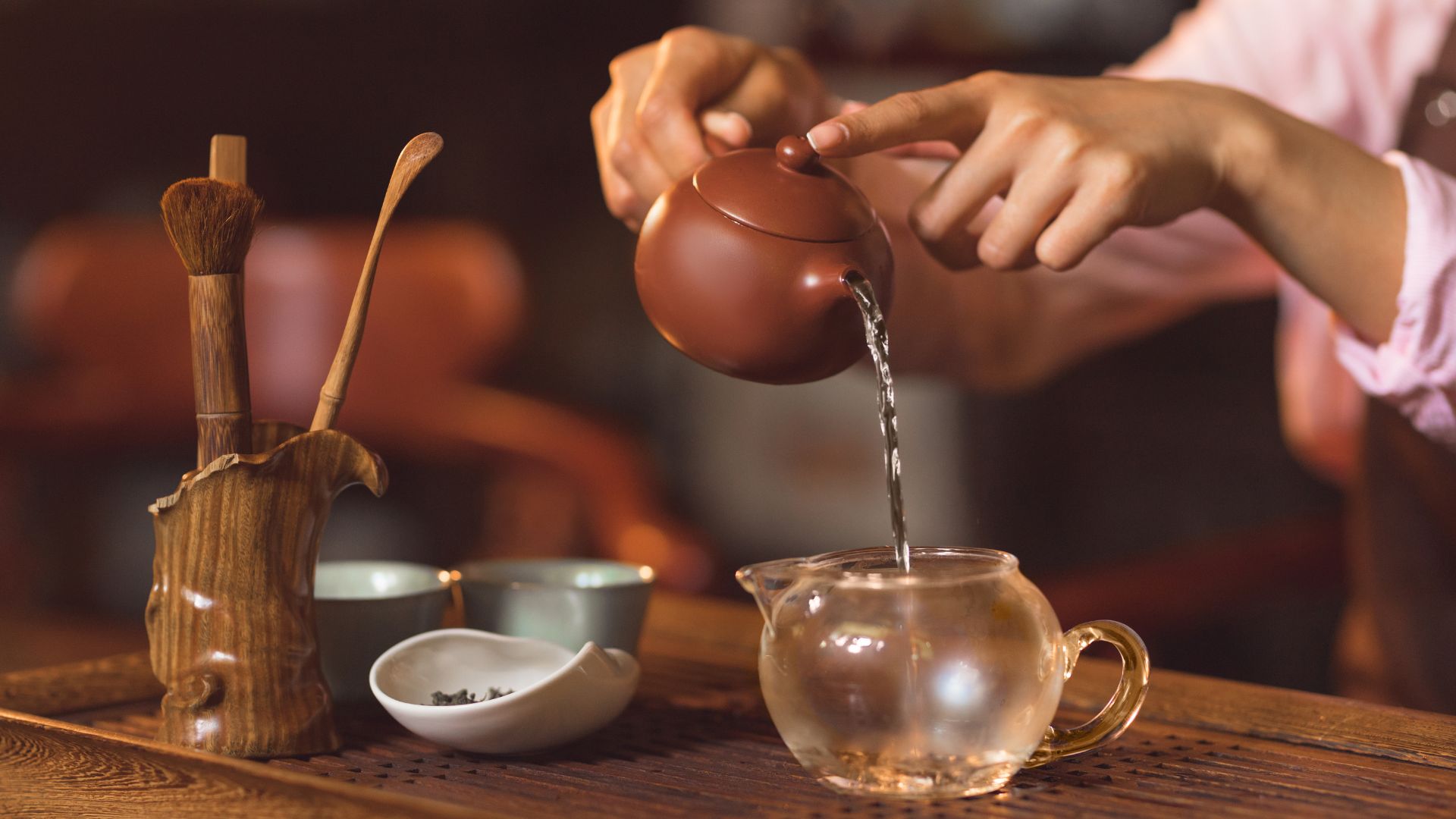
The gongfu tea ceremony — gongfu meaning with skill — transforms tea preparation into performance. Small clay pots, tiny cups, precise temperatures, multiple infusions from the same leaves — the ritual slows time and focuses attention. Tea houses throughout China offer the experience; the best provide masters who explain what you are tasting and why. The ceremony is not religious but meditative, creating space for conversation or contemplation depending on the company.
The tea markets provide education through commerce. Beijing’s Maliandao tea street, Shanghai’s Tianshan tea market, and regional equivalents offer tastings that teach discrimination. Start with green teas, the most approachable; progress to oolongs, where complexity reveals itself; arrive eventually at pu-erh, where aged cakes from certain mountains command prices per gram exceeding gold. The vendors expect negotiation; the tea expects respect.
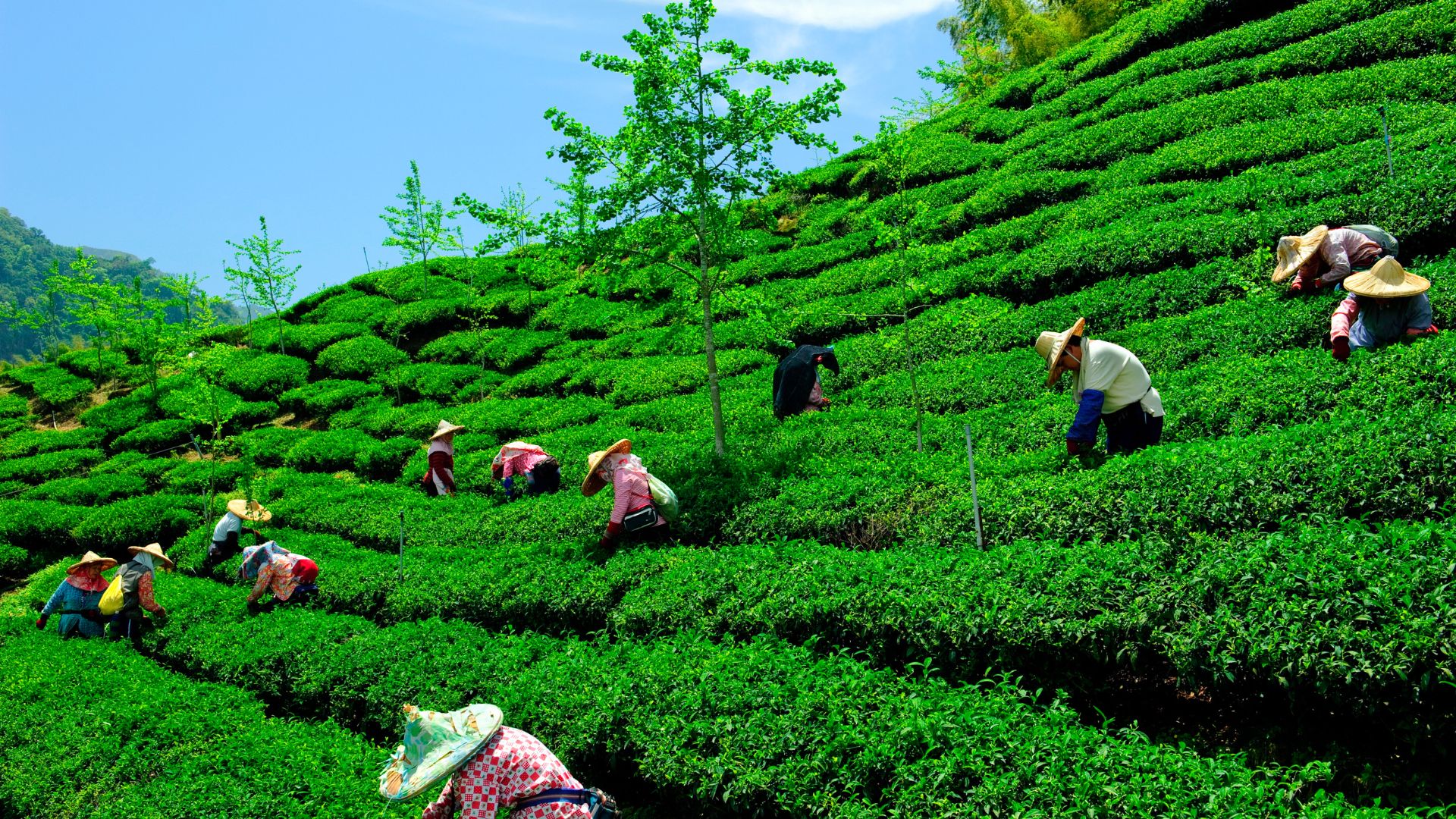
Incorporating tea culture into travel requires only willingness. Order tea in restaurants instead of defaulting to beer; visit tea houses as you would cafes; buy from local markets and taste the regional specialties. The Longjing tea villages outside Hangzhou, the Wuyi Mountains in Fujian, the ancient tea forests of Yunnan — these are pilgrimage sites for tea devotees. Even without such dedication, understanding that tea is not merely a beverage but a cultural practice that has shaped Chinese life for millennia enriches every cup you drink in the country that invented it.