
Sweden: Eat Like a Local
- Swedish Meatballs (Köttbullar) — Casual Dining
Expect to pay: £12–£20 for a traditional serving
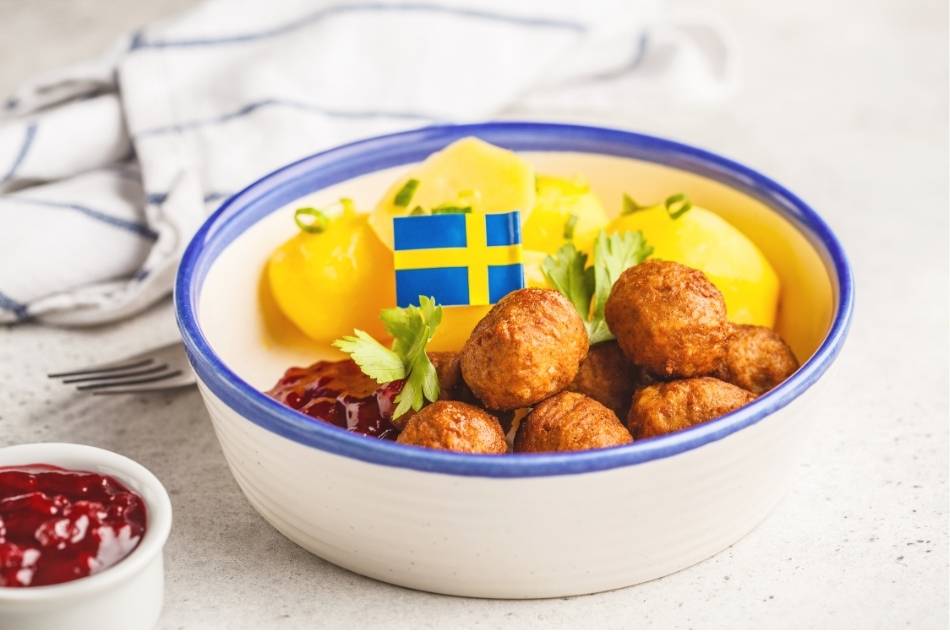
Forget the IKEA cafeteria—proper Swedish meatballs are smaller, more delicate, and far more flavourful than their flat-pack cousins. Made from a mix of beef and pork, flavoured with allspice, and served with creamy gravy, lingonberry jam, and buttery mashed potatoes, they represent Swedish comfort food at its finest. The lingonberry’s tartness cuts through the richness; the pickled cucumber adds crunch. Traditional restaurants like Pelikan in Stockholm serve definitive versions; home cooks guard family recipes fiercely. A plate of proper köttbullar, eaten in a candlelit restaurant as winter darkness falls outside, is quintessentially Swedish.
- New Nordic Tasting Menu — Fine Dining
Expect to pay: £120–£220 for tasting menu; £180–£350 with wine pairing
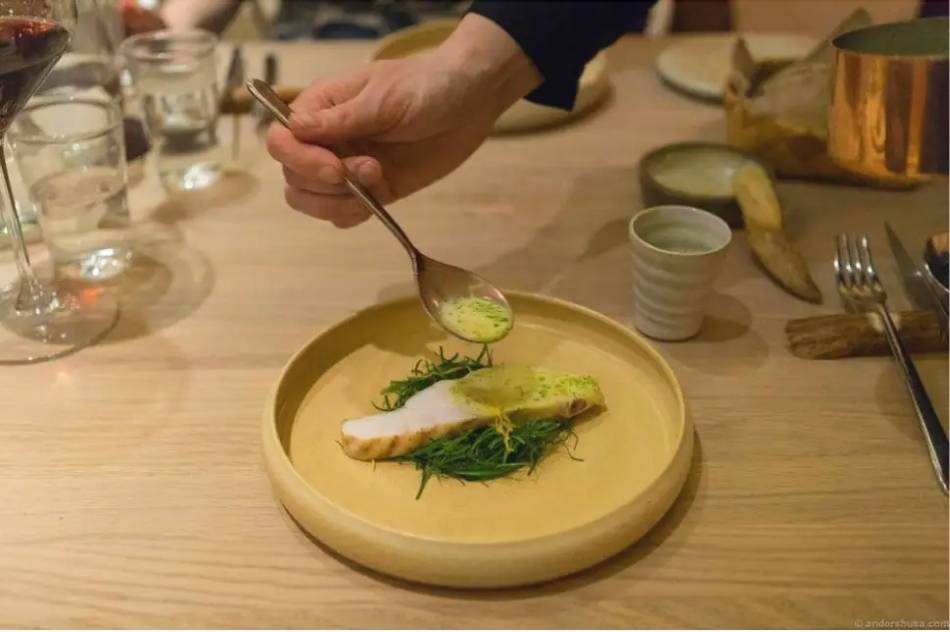
The New Nordic movement transformed Scandinavian cuisine, and Swedish restaurants stand at the forefront. Frantzén in Stockholm holds three Michelin stars; Oaxen Krog, Gastrologik, and others push boundaries with foraged ingredients, fermentation, and reverence for seasons. Expect moss, lichen, and sea buckthorn alongside reindeer, Baltic fish, and heritage vegetables presented as art. The tasting menus unfold over three hours or more; the wine pairings increasingly feature Swedish wines and ciders. Book months ahead for the celebrated addresses, embrace the multi-hour commitment, and experience Swedish gastronomy at its most creative and ambitious.
- Smörgåsbord — Casual Dining / Fine Dining
Expect to pay: £35–£70 for a full smörgåsbord experience
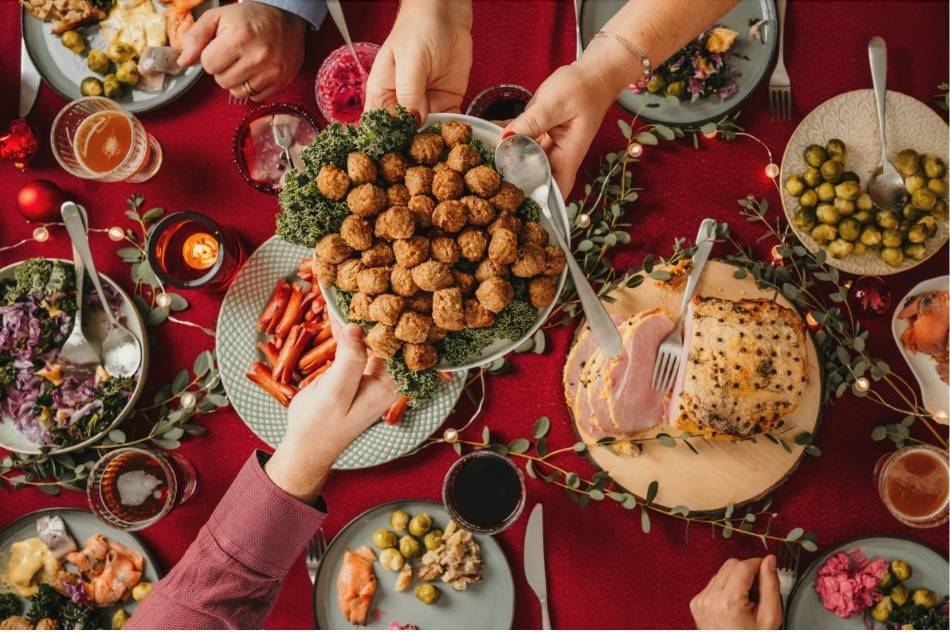
The original Scandinavian buffet features an overwhelming array of dishes—pickled herring in multiple preparations, gravlax, cold cuts, cheeses, hot dishes like meatballs and Jansson’s Temptation, and elaborate desserts. The ritual matters: start with herring (always herring first), progress through fish to cold meats to hot dishes, changing plates between courses. Christmas brings the elaborate julbord; Easter offers påskbord. The Grand Hotel Stockholm serves a legendary version; ferries to Finland turn the crossing into a floating feast. Pace yourself, return for seconds (and thirds), and embrace Swedish abundance.
- Gravlax — Casual Dining
Expect to pay: £12–£20 for a starter portion
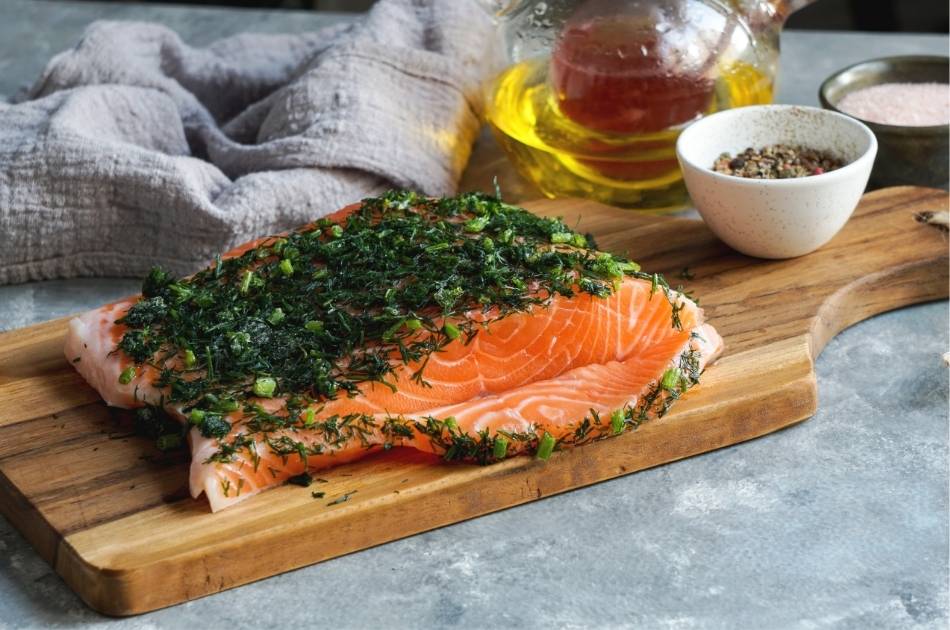
Salmon cured with salt, sugar, and dill—gravlax showcases Scandinavian preservation traditions at their most elegant. The fish should be silky, its colour deep pink, its flavour balanced between salt and sweetness with dill providing fresh contrast. Served thinly sliced with hovmästarsås (a sweet mustard-dill sauce), dark bread, and perhaps a shot of aquavit, gravlax appears at celebrations and everyday lunches alike. Quality varies with salmon sourcing—seek restaurants specifying their fish origins. Making gravlax requires only patience; eating it requires appreciation for simplicity perfected over generations.
- Räkmacka (Shrimp Sandwich) — Casual Dining
Expect to pay: £15–£25 for a proper serving
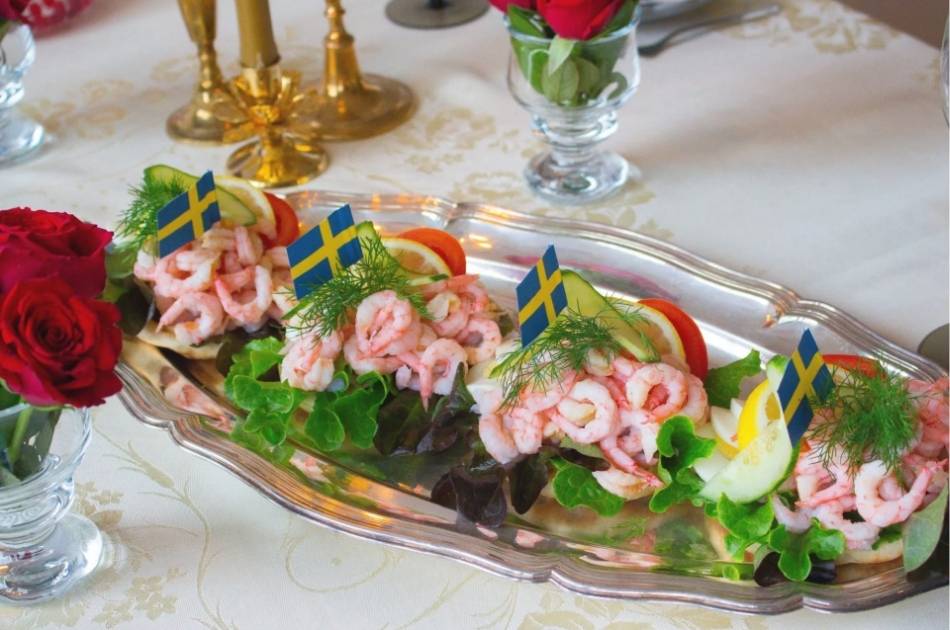
Not so much a sandwich as a towering sculpture of North Sea shrimp piled onto bread, topped with mayonnaise, egg, lettuce, lemon, and dill. The räkmacka represents Swedish café culture at its most extravagant—a single serving might contain 200 grams of sweet, hand-peeled shrimp. Restaurants compete for height and generosity; eating one requires strategy and multiple napkins. Lisa Elmqvist in Stockholm’s Östermalms Saluhall serves perhaps the city’s finest version. Order with a cold beer, approach from the edges, and accept that elegance is neither expected nor possible.
- Toast Skagen — Casual Dining
Expect to pay: £14–£22 for a starter
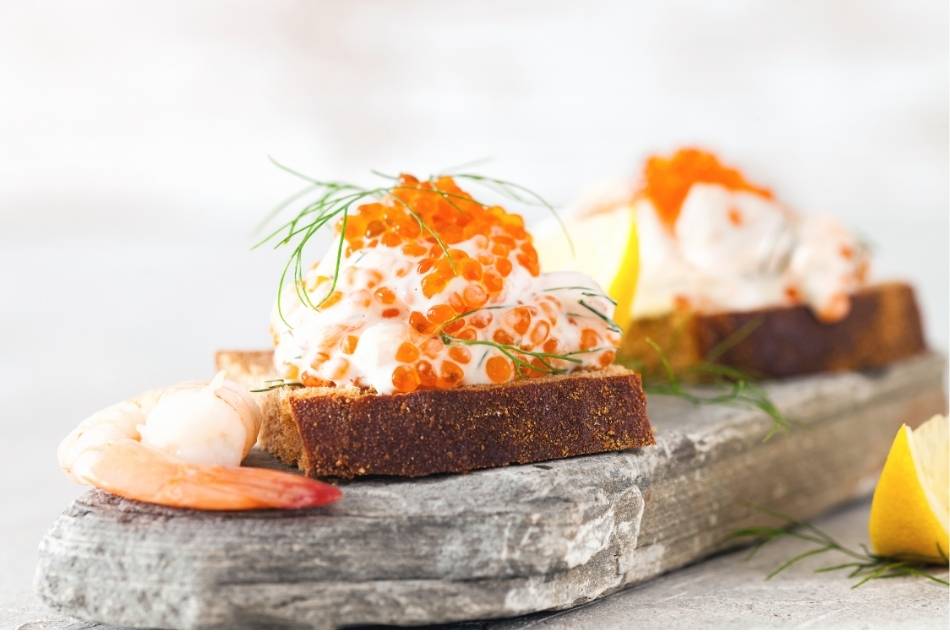
Sweden’s most famous appetiser piles a creamy mixture of shrimp, mayonnaise, crème fraîche, dill, and fish roe onto crispy fried bread triangles. Created in the 1950s by chef Tore Wretman, it has become a Swedish classic appearing on restaurant menus from casual to fine dining. The shrimp should be sweet and fresh; the bread should shatter; the roe should pop with brine. Some restaurants add lobster or crab for luxury versions. Paired with champagne or a crisp white, Toast Skagen delivers Swedish elegance in every bite.
- Fika (Coffee and Pastries) — Café
Expect to pay: £5–£10 for coffee and pastry
Fika is not merely a coffee break—it’s a sacred Swedish institution, a pause for coffee and something sweet that structures the day. The kanelbulle (cinnamon bun) is essential, its cardamom-scented dough spiralled with butter, cinnamon, and sugar. The prinsesstårta (princess cake), a dome of sponge, jam, cream, and green marzipan, appears at celebrations. Semla, available only in spring, stuffs cardamom buns with almond paste and cream. Seek out neighbourhood konditori (bakeries) rather than chains, order what looks good, and understand that fika is about slowing down as much as eating.
- Herring (Sill) — Casual Dining
Expect to pay: £10–£18 for a herring platter
Swedes have pickled herring for centuries, and the preparations are endless—mustard sauce, onion, dill, curry, lingonberry, sour cream. A proper herring platter might offer six or eight varieties, each distinctly flavoured, served with crispbread, boiled potatoes, and sour cream. Midsummer celebrations and Christmas tables feature herring prominently; everyday lunch might include a simple sillmacka (herring sandwich). The fish should be firm, the brine balanced, the accompaniments varied. Paired with aquavit (the caraway-flavoured spirit), herring demonstrates why preserved fish anchors Scandinavian cuisine.
- Reindeer — Fine Dining
Expect to pay: £30–£50 at quality restaurants
In Swedish Lapland, reindeer has sustained the Sami people for thousands of years. The lean, slightly gamey meat appears in fine restaurants across Sweden—smoked as a starter, served as carpaccio, or presented as the centrepiece of New Nordic tasting menus. Traditional preparations include souvas (cold-smoked reindeer) and renskav (sautéed strips with cream sauce). The flavour is clean and wild, unlike any domesticated meat. Seek it in northern Sweden for the freshest versions, or at Stockholm restaurants sourcing from Sami herders. An ethical, sustainable protein that tastes distinctly of Arctic wilderness.
- Jansson’s Temptation — Casual Dining
Expect to pay: £8–£14 as a side dish
Layers of potato, onion, and pickled sprats (ansjovis, confusingly called anchovies in Swedish) baked with cream until golden and bubbling—Jansson’s frestelse is the ultimate Swedish comfort side dish. The sprats provide salt and umami; the cream provides richness; the potatoes provide body. It appears at every Christmas table and most smörgåsbords, though quality restaurants serve it year-round. The origin of the name is debated; the deliciousness is not. Served straight from the oven, steam rising, it represents winter eating at its most satisfying.
Quick Reference: Budget Summary
Experience Type | Budget Range (per person) |
Café / Fika | £5–£12 |
Casual Dining | £15–£35 |
Quality Restaurant | £45–£80 |
Fine Dining | £120–£350 |
Quality Hotel (per night) | £150–£300 |
Luxury / Design Hotel | £300–£600+ |
Prices based on 2024/25 rates. Sweden is expensive by European standards; Lapland experiences command premium prices.
Content prepared for The Travellers Times