
Spa Culture: Healing Traditions in Contemporary Form
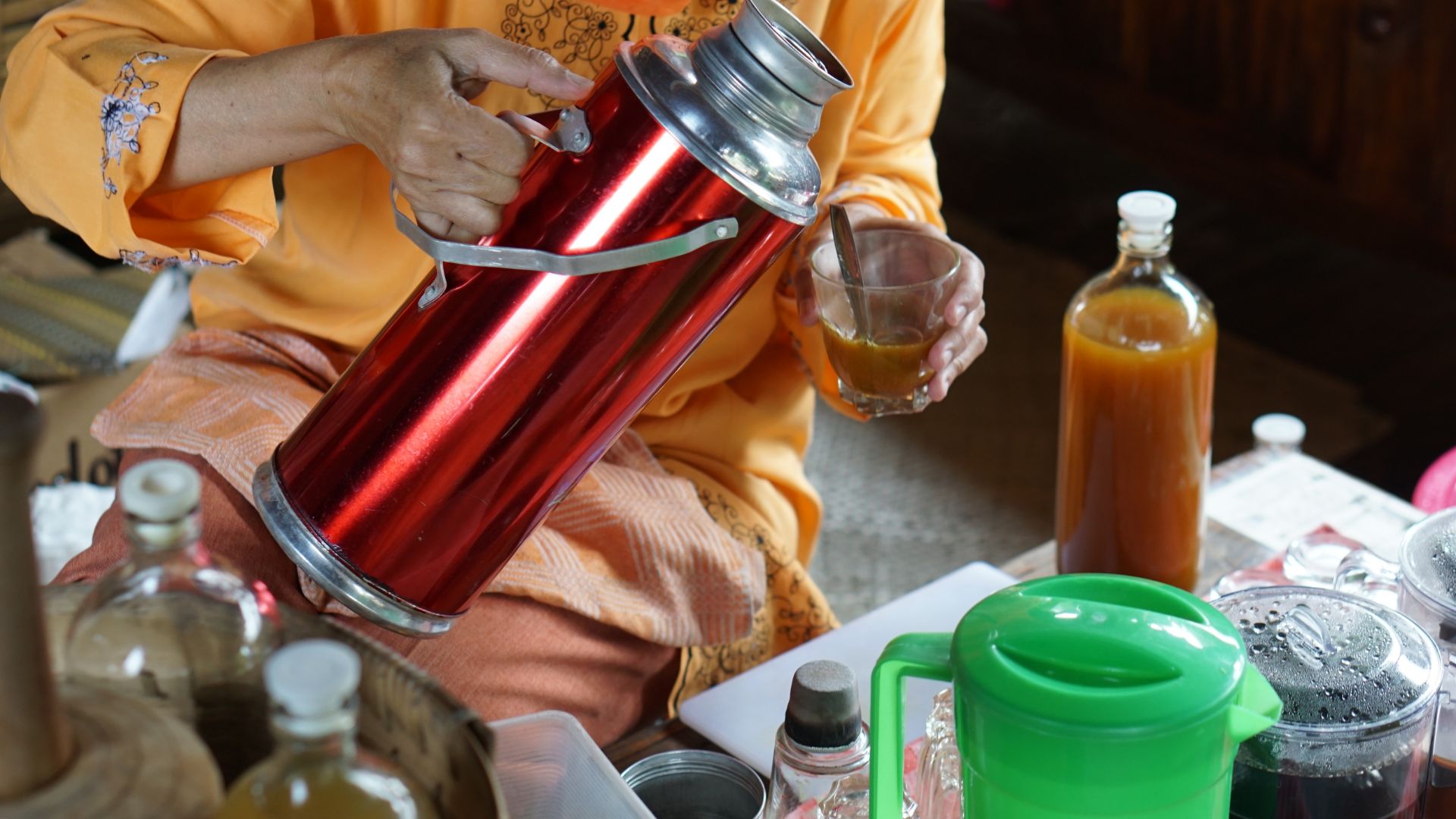
Indonesian spa traditions draw on healing practices that predate the wellness industry by centuries. The jamu — herbal preparations that Indonesian women have consumed for health and beauty since at least the 8th century — inform treatments that have been packaged for hotel consumption without losing their underlying efficacy. The massage techniques combine influences from Indian, Chinese, and indigenous traditions, evolved through generations of practice into something distinctly Indonesian. The luxury resorts have recognised this heritage and invested in spa experiences that go beyond generic relaxation.
Bali has become synonymous with spa culture for reasons both historical and commercial. The Hindu traditions that shape Balinese life incorporate concepts of balance and purification that translate naturally into wellness practice. The climate — warm enough for outdoor treatment, moderated by coastal breezes and highland coolness — suits spa settings that hotels have been happy to develop. The labor economics that make Indonesian service affordable enable staffing levels that Western spas cannot justify.
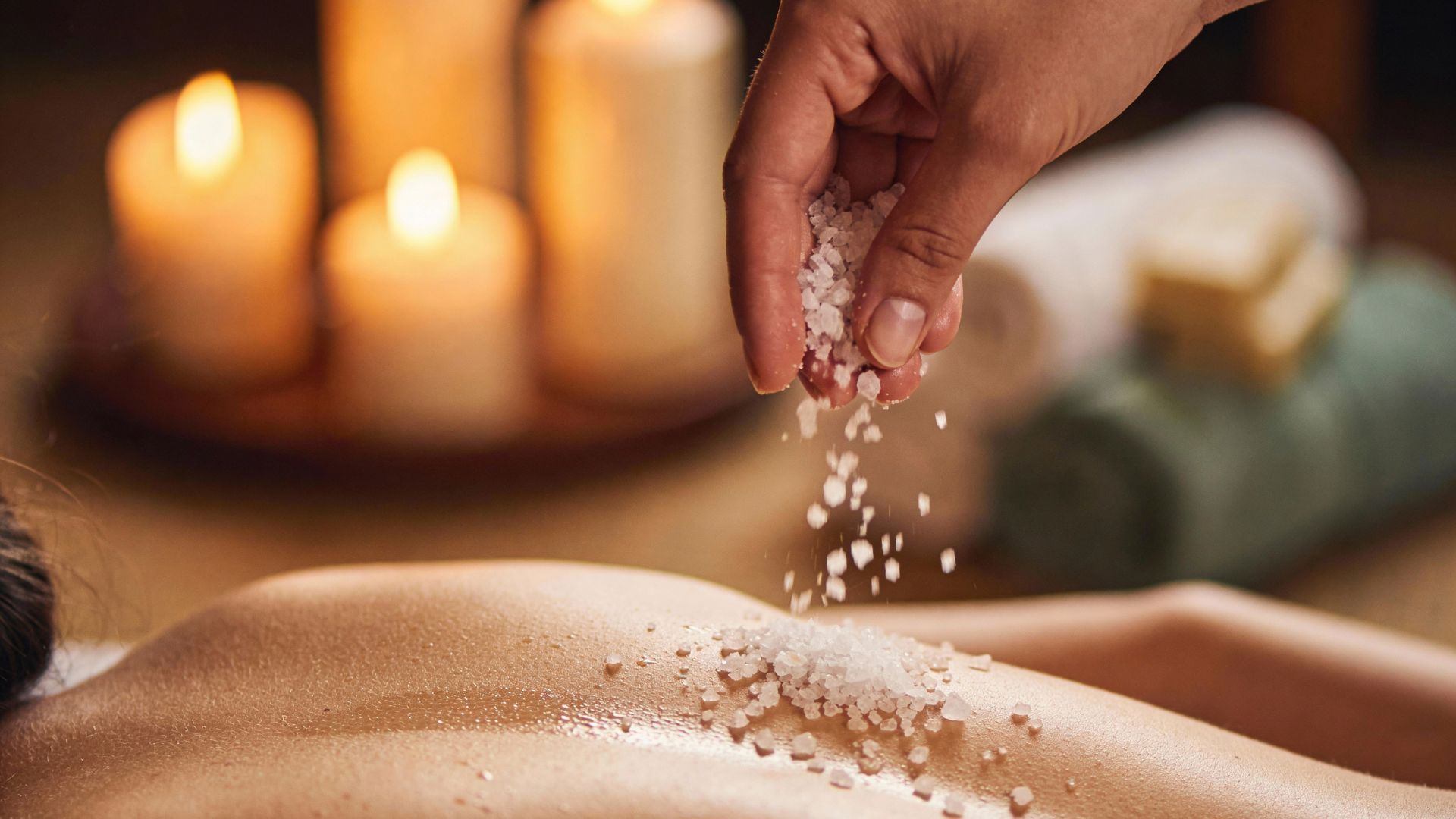
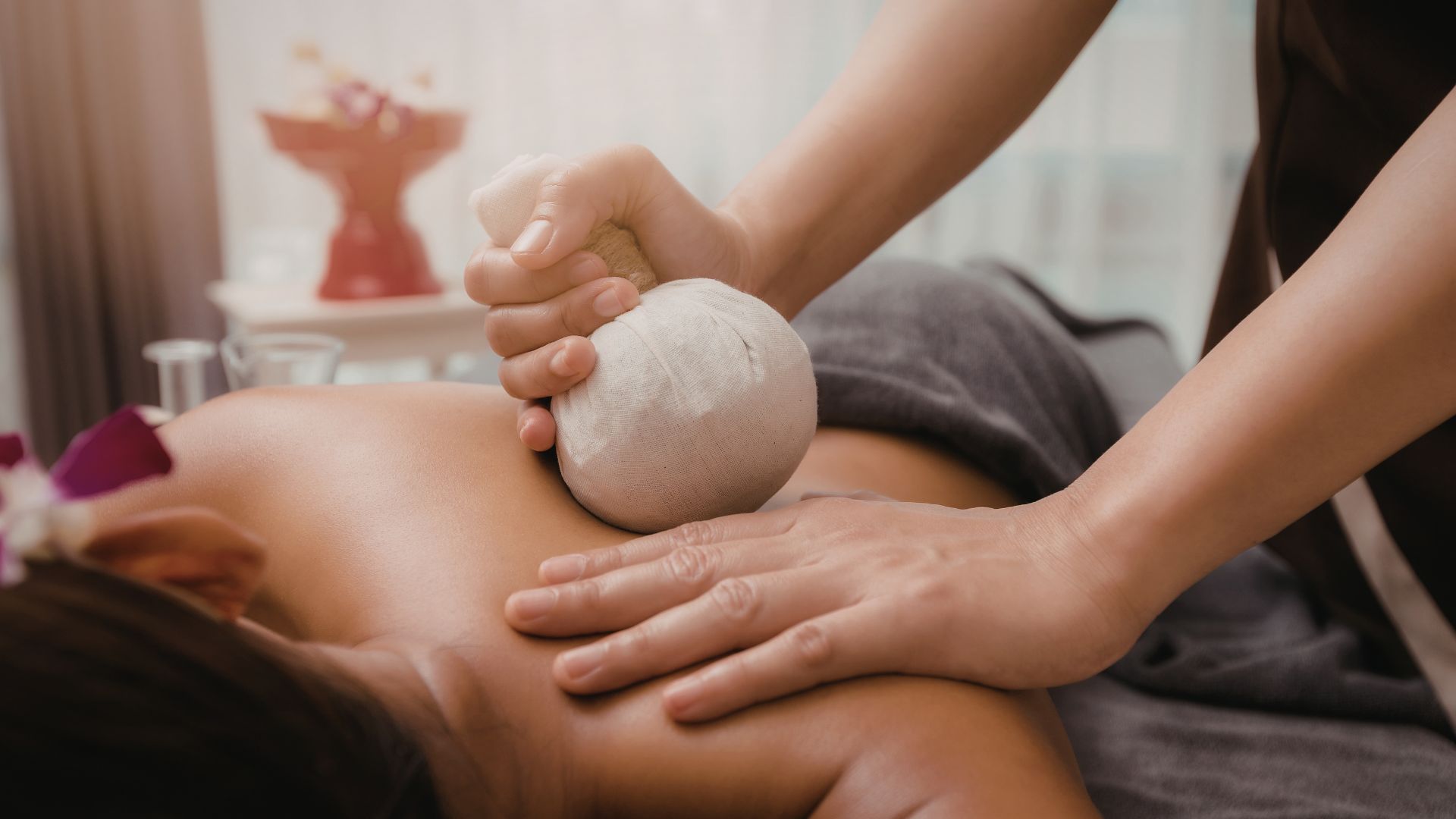
The treatments worth seeking combine technique with setting. The Balinese massage — long strokes, gentle stretching, pressure that finds the muscles beneath — should be experienced overlooking rice terraces or river valleys, where the visual calm complements the physical. The scrubs and wraps that use local ingredients — coffee, rice, volcanic ash, flowers — connect treatment to place in ways that generic spa menus do not. The jamu services that some properties offer — consultation followed by herbal preparations tailored to individual needs — represent traditions that most visitors have never encountered.
The luxury properties have invested accordingly. Nihi Sumba’s Nihioka Spa occupies a ridge overlooking the Indian Ocean, its treatments incorporating island ingredients and traditional Sumbanese healing. Como Shambhala Estate near Ubud operates as a residential wellness retreat, with programs that extend over multiple days and address specific health goals. The Four Seasons Sayan spa, suspended above the Ayung River, combines location and treatment in ways that justify its reputation. These are not mere hotel amenities but destinations in themselves.
Beyond the resorts, the day spas of Ubud and Seminyak provide high-quality treatments at prices that Western visitors find remarkable. A two-hour Balinese massage that would cost three figures in London costs under twenty pounds at a reputable Ubud spa; the quality, in experienced hands, matches or exceeds the luxury alternatives. The economic imbalance creates ethical questions about appropriate payment and tipping; the practical reality is that spa culture in Bali is accessible in ways that spa culture elsewhere is not. Use the accessibility thoughtfully; appreciate the skills involved; compensate the practitioners fairly.