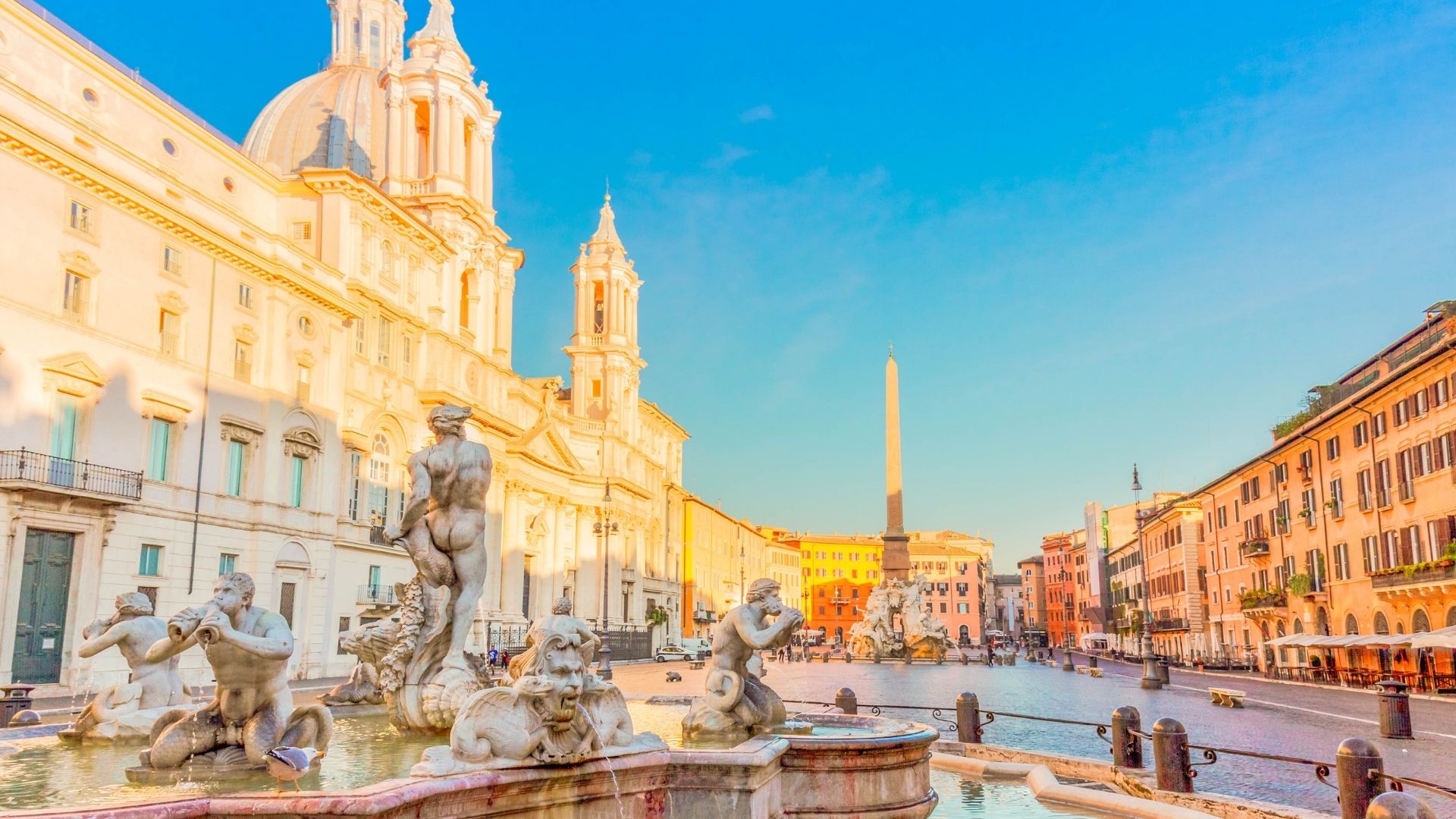
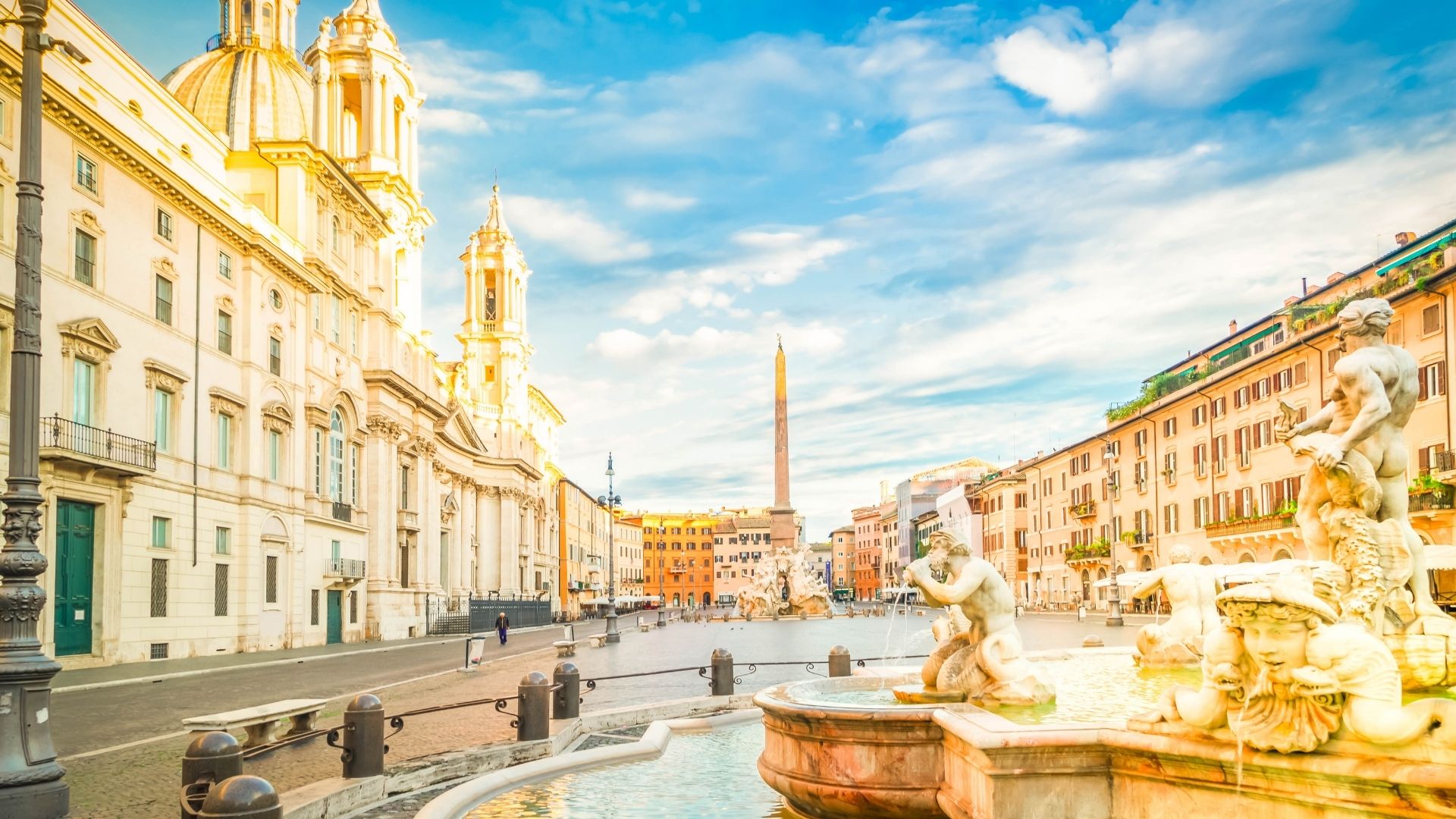
Rome needs no introduction — yet she reveals new secrets to those willing to wander beyond the obvious landmarks. The city that gave us the word ‘civilisation’ still rewards patient exploration, still hides treasures in plain sight, still manages to feel both ancient and utterly alive. After countless visits, I remain convinced that no one ever truly knows Rome; we simply come to know different versions of her, each as authentic as the last.
In Trastevere, medieval alleys meet contemporary street art in a conversation that neither finds strange. This ancient working-class neighbourhood, saved from Mussolini’s bulldozers by bureaucratic inertia, now pulses with trattorias and bars where the beautiful people come to be seen. Yet turn a corner and you’ll find a 12th-century basilica with Byzantine mosaics, or a courtyard unchanged since Fellini filmed here, or a market selling produce that Roman housewives have been buying for generations.
Testaccio, once the city’s slaughterhouse district, has transformed into something more complex: a neighbourhood where the world gathers in vibrant markets and the city’s creative class inhabits converted warehouses. The Monte dei Cocci — an actual hill made entirely of discarded Roman amphorae — rises improbably at its heart. At Flavio al Velavevodetto, built into the amphora mountain itself, we ate coda alla vaccinara (oxtail stew) that would have been recognisable to the slaughterhouse workers who invented it centuries ago.
And yes, there are still the obvious pleasures: the Pantheon at dawn, when the oculus admits a shaft of light that moves across the coffered dome like a sundial; the Forum at sunset, when the columns cast long shadows and the imagination peoples the ruins with senators and slaves; the Trevi Fountain at midnight, when the crowds thin and the baroque extravagance seems designed for you alone. Rome may be history’s most visited city, but she still keeps secrets for those patient enough to seek them out.