
Romantic Campervan Getaways: Five Journeys for Two
Slow journeys, scenic routes, cosy nights and unforgettable moments shared on the open road
There’s something irresistibly romantic about waking beside the person you love with nothing but a windscreen between you and a misty vineyard, a silver loch, or the pink blush of dawn over lavender fields. Campervan travel strips away the noise of ordinary life and leaves just the two of you, a thermos of good coffee, and the freedom to follow wherever the road — or your hearts — might lead.
These five journeys have been chosen for couples who understand that romance isn’t just about destination, but about the unhurried pleasure of getting there together.
1. The Cotswolds Honey Trail, England
The journey: A meandering 80-mile loop through England’s most photogenic villages — Bourton-on-the-Water, Stow-on-the-Wold, Chipping Campden and Broadway.
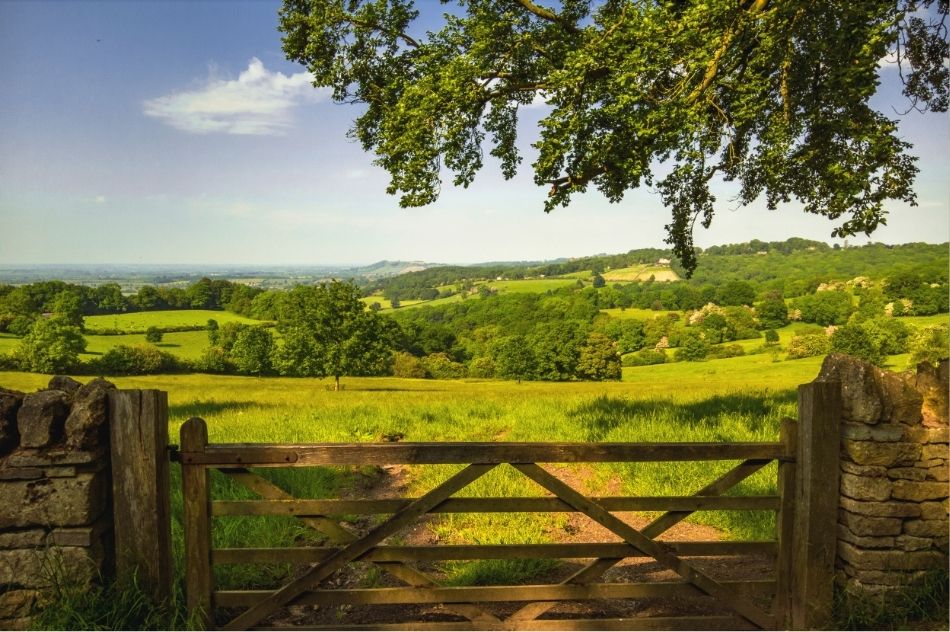
The scenery: Dry-stone walls threading through rolling wolds, honey-coloured cottages dripping with wisteria, and ancient churchyards where time moves at walking pace. Park up as evening falls and watch the stone glow amber in the fading light.
The wine: The Cotswolds has quietly become serious wine country. Book a private tasting at Woodchester Valley Vineyard near Stroud, where the sparkling whites rival anything from across the Channel. Puesdown Vineyard offers sunset tours with views across the Severn Vale.
The artisan finds: The workshops of Broadway are treasure troves — hand-thrown ceramics, bespoke leather journals, and Gordon Russell furniture that you’ll covet for years. In Stow, antique dealers offer everything from Georgian silver to vintage maps perfect for a shared wall at home.
The food: Secure a table at The Wheatsheaf in Northleach for refined British cooking that never forgets its roots, or splash out on the tasting menu at Le Champignon Sauvage in Cheltenham — two Michelin stars and utterly worth the detour. For morning indulgence, Huffkins bakery in Burford has been perfecting lardy cakes and fruit scones since 1890.
2. The Loire Valley, France
The journey: Follow the River Loire from Orléans to Angers — approximately 150 miles of château-studded riverside, best savoured over four or five unhurried days.
The scenery: This is France at its most seductive. Renaissance châteaux rise from morning mist, sunflower fields stretch to distant horizons, and the great river itself — broad, slow, and impossibly picturesque — is your constant companion. Wild camping spots along the levées offer waterside pitches where herons fish at dawn.
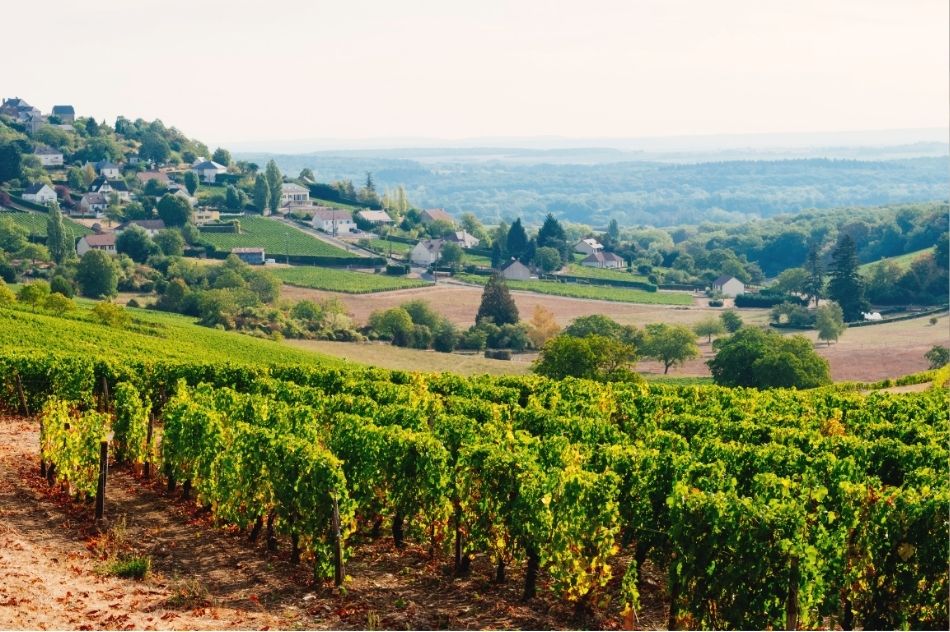
The wine: You’re travelling through one of the world’s great wine regions. Vouvray’s honeyed Chenin Blancs are perfect for aperitifs; Chinon’s elegant reds demand a long lunch. Many smaller domains welcome campervans and will uncork bottles beside the vines where the grapes grew.
The artisan finds: Amboise has exquisite hand-blown glass; Tours’ old quarter hides bookbinders, print-makers and chocolatiers in medieval alleyways. The Saturday market at Saumur is a sensory feast — local pottery, hand-woven linens, and mushrooms cultivated in the tufa caves.
The food: Patisseries here are temples. Tarte Tatin originated in nearby Lamotte-Beuvron — seek out the real thing. For fine dining, L’Orangerie du Château in Blois offers classical French cooking in fairy-tale surroundings. And never pass a charcuterie without investigating the local rillettes.
3. The Scottish Borders, Scotland
The journey: A 100-mile circuit from Melrose through Kelso, Jedburgh and Peebles — abbeys, rivers, and some of the emptiest roads in Britain.
The scenery: The Borders offer romance of a wilder kind. Ruined abbeys stand sentinel over salmon rivers, the Eildon Hills roll purple with heather in late summer, and the night skies are dark enough to see the Milky Way from your campervan roof. Scott’s View, overlooking the Tweed, may be the finest panorama in Scotland.
The food: The Borders has embraced the slow food movement with passion. Cobbles Kitchen in Kelso serves exceptional brunch; Seasons in Peebles offers modern Scottish dining with foraged ingredients. For patisserie, Sugar & Spice in Melrose bakes croissants that would make a Parisian nod approvingly.
The wine: Scotland’s burgeoning wine scene includes the award-winning Dunlop Vineyard, while the region’s craft distilleries — particularly the Borders Distillery in Hawick — offer tastings that feel genuinely intimate.
The artisan finds: Melrose and Peebles are rich hunting grounds — cashmere mills, independent jewellers, and galleries showcasing Scottish contemporary art. The Heart of Hawick complex brings together textile heritage and modern craft under one roof.
4. The Prosecco Hills, Italy
The journey: From Conegliano to Valdobbiadene — just 20 miles, but a route so beautiful UNESCO granted it World Heritage status. Allow three days minimum to do it justice.
The scenery: Imagine Tuscany, but with vineyards running vertically up impossibly steep hillsides. Medieval hilltop villages crowned with campaniles. Cypress trees punctuating the green. Morning fog settling in the valleys like spilled milk. This is landscape as love letter.
The wine: Prosecco here bears no resemblance to supermarket fizz. Visit family-run houses like Bisol or Nino Franco where the wines are complex, elegant, and served with pride by the families who’ve made them for generations. Many offer overnight parking for campervans — falling asleep to the scent of ripening grapes is not easily forgotten.
The artisan finds: The hilltop town of Asolo — Browning’s home for his final years — has antique dealers and craft workshops tucked into Renaissance palazzos. Bassano del Grappa, nearby, is famous for hand-printed papers and artisan grappa distilleries.
The food: Venetian cuisine runs through this region. Risotto with radicchio, fresh pasta with wild mushrooms, and tiramisù made the traditional way. For special evenings, Da Gigetto in Miane combines refined regional cooking with vineyard views. The pasticcerie in Treviso — particularly Nascimben — are reason alone to visit.
5. The Pembrokeshire Coast, Wales
The journey: St Davids to Tenby via the coast road — roughly 50 miles of Britain’s most dramatic shoreline, with countless diversions to hidden coves and clifftop viewpoints.
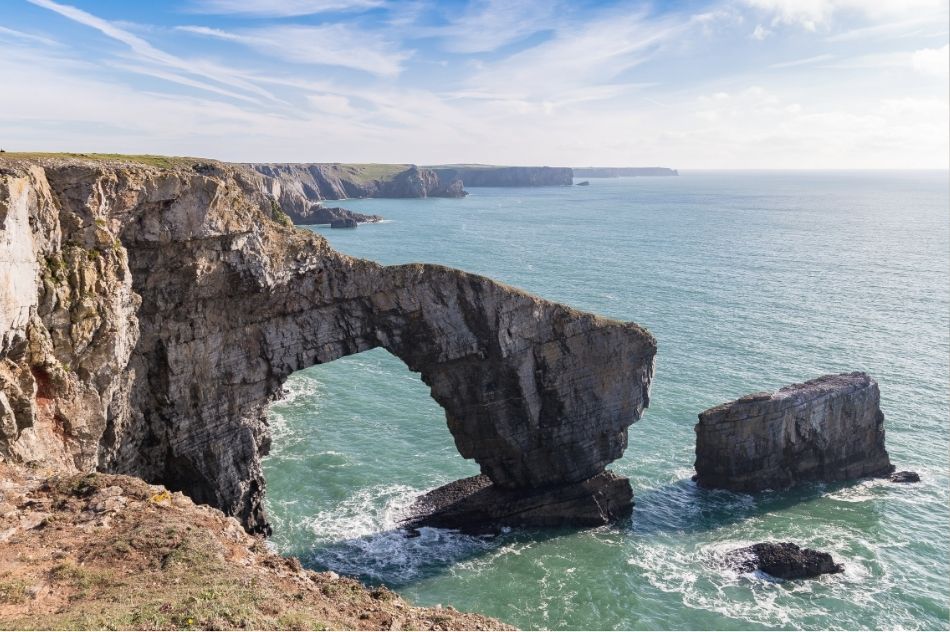
The scenery: Atlantic waves crashing against ancient rock, secret beaches accessible only at low tide, and wildflower meadows tumbling to the sea. Britain’s smallest city — St Davids — offers a medieval cathedral where the acoustics alone feel sacred. Watch the sun set from Marloes Sands and understand why Dylan Thomas found poetry here.
The wine: Welsh wine has come of age. Jabajak Vineyard near Whitland produces award-winning whites and offers tastings in their whitewashed farmhouse. Llaethliw Vineyard welcomes visitors to their organic smallholding.
The artisan finds: St Davids is a haven for independent craftspeople — jewellers working with Welsh gold, potters inspired by coastal colours, and galleries showing some of Wales’s finest contemporary art. Tenby’s pastel-painted streets hide bookshops, woollen mills, and makers of traditional Welsh love spoons.
The food: Pembrokeshire takes its produce seriously. Coast at Saundersfoot offers modern Welsh dining with sea views; The Grove at Narberth holds a Michelin star and showcases ingredients from within 30 miles. For morning treats, Crwst bakery in Aberteifi (Cardigan) bakes sourdough and pastries that draw devotees from across Wales.
The Art of Travelling Together
The beauty of a campervan journey lies not just in what you see, but in what you share — the morning rituals of coffee and conversation, the spontaneous detours that become favourite memories, the comfortable silences that come from truly knowing another person.
Pack good wine, better bread, and a willingness to get gloriously lost together. The road will take care of the rest.
Where will your next journey take you? Share your romantic campervan discoveries with us at The Travellers Times.