
Portugal: Eat Like a Local
- Pastel de Nata — Street Food / Café
Expect to pay: £1–£2 per tart
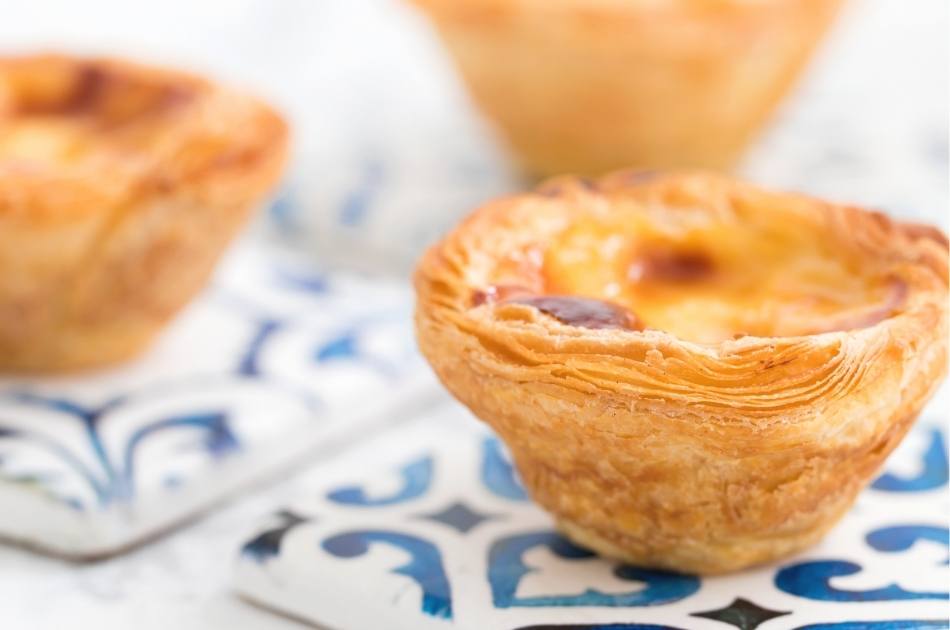
Portugal’s most famous export—a flaky pastry cup filled with rich egg custard, its surface blistered and caramelised from a blisteringly hot oven. The original recipe, guarded by the monks of Belém, produces the pastel de Belém; everywhere else makes pastéis de nata. Both are magnificent when fresh, disappointing when stale. Seek them warm from proper pastelarias, dust with cinnamon and powdered sugar, and eat with a bica (espresso). The queue at Pastéis de Belém is legendary; smaller bakeries throughout Lisbon and Porto serve versions nearly as good. One is never enough; two is traditional; three is excessive but understandable.
- Tasting Menu at a Modern Portuguese Restaurant — Fine Dining
Expect to pay: £80–£150 for tasting menu; £120–£220 with wine pairing
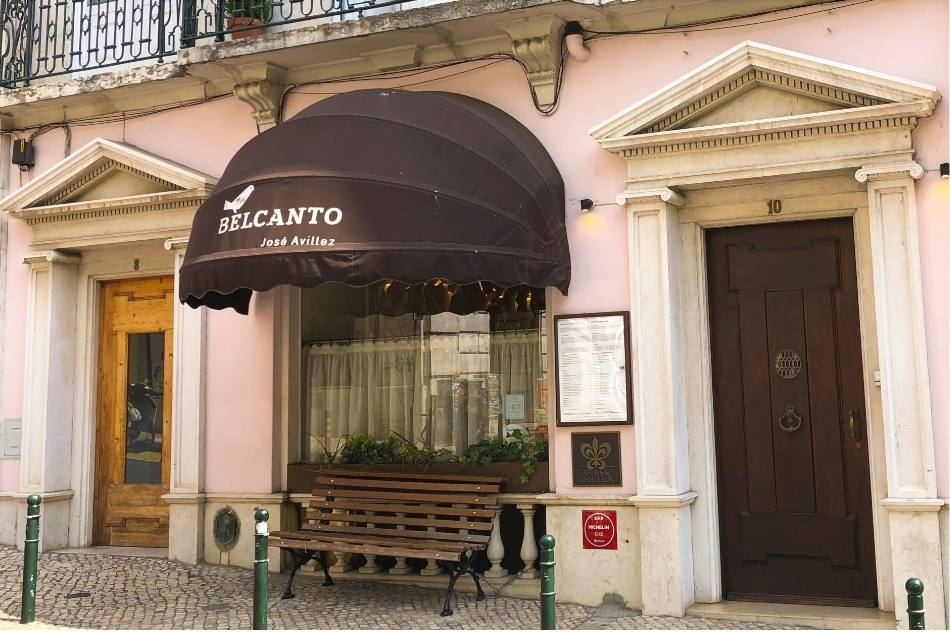
Portugal’s fine dining scene has exploded, with young chefs reinterpreting traditional recipes through contemporary techniques. Belcanto in Lisbon holds two Michelin stars; Alma, The Yeatman, and emerging restaurants across the country push creative boundaries while respecting heritage. Expect octopus elevated to art, bacalhau deconstructed and reassembled, and local ingredients—percebes, açorda, presunto—presented with international sophistication. The wine pairings showcase Portugal’s extraordinary diversity, from Vinho Verde to aged ports. Book well ahead for the celebrated addresses, embrace the multi-hour commitment, and discover that Portuguese cuisine has never been more exciting.
- Bacalhau à Brás — Casual Dining
Expect to pay: £12–£20 for a generous serving
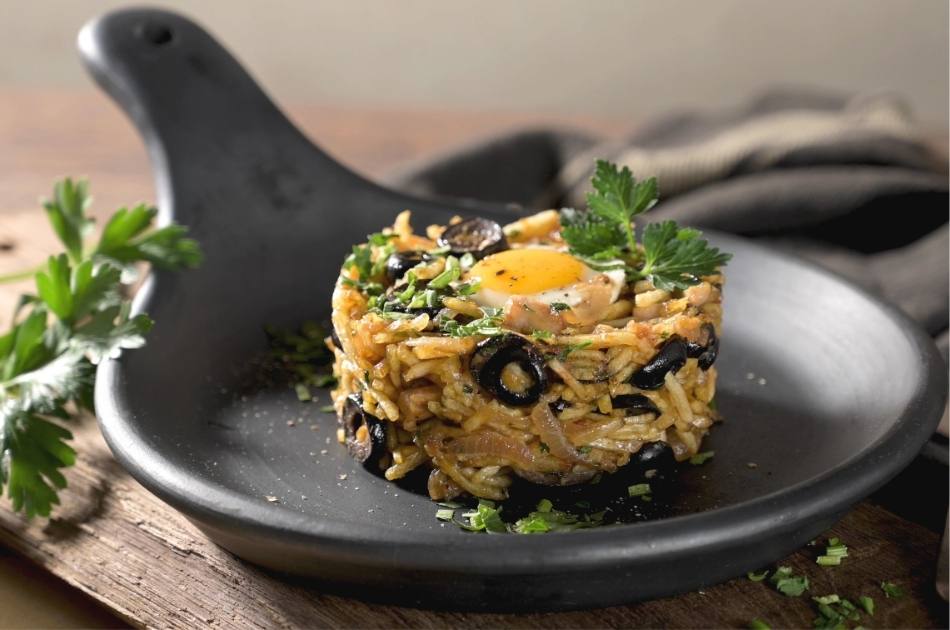
The Portuguese claim 365 ways to prepare salt cod—one for each day of the year—and bacalhau à Brás ranks among the finest. Shredded cod is sautéed with matchstick potatoes and onions, bound with scrambled eggs, and finished with olives and fresh parsley. The dish should be creamy from the eggs, with crispy potato edges providing texture. Every tasca (tavern) and family kitchen has their version; the best achieve that crucial balance between components. Bacalhau à Brás represents Portuguese comfort food at its most satisfying, best enjoyed with a glass of Douro red and the understanding that seconds are expected.
- Francesinha — Casual Dining
Expect to pay: £12–£18 for a full serving
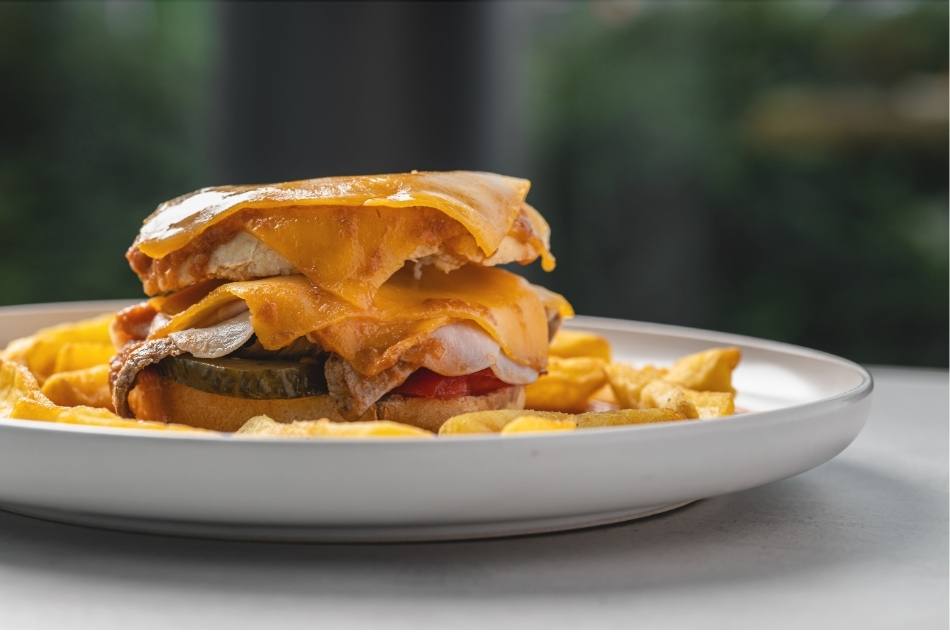
Porto’s legendary sandwich—a gut-busting tower of bread, ham, linguiça, fresh sausage, and steak, covered in melted cheese and drenched in spicy beer-based sauce, often topped with a fried egg and surrounded by chips. This is not health food. This is hangover cure, celebration meal, and cardiac challenge combined. The sauce recipes are closely guarded; the portion sizes are frankly alarming. Café Santiago and Bufete Fase have achieved cult status, but countless Porto establishments serve their interpretations. Order one, share if sensible, and understand why this outrageous creation inspires such fierce local loyalty.
- Grilled Sardines — Street Food / Casual Dining
Expect to pay: £10–£18 for a plate
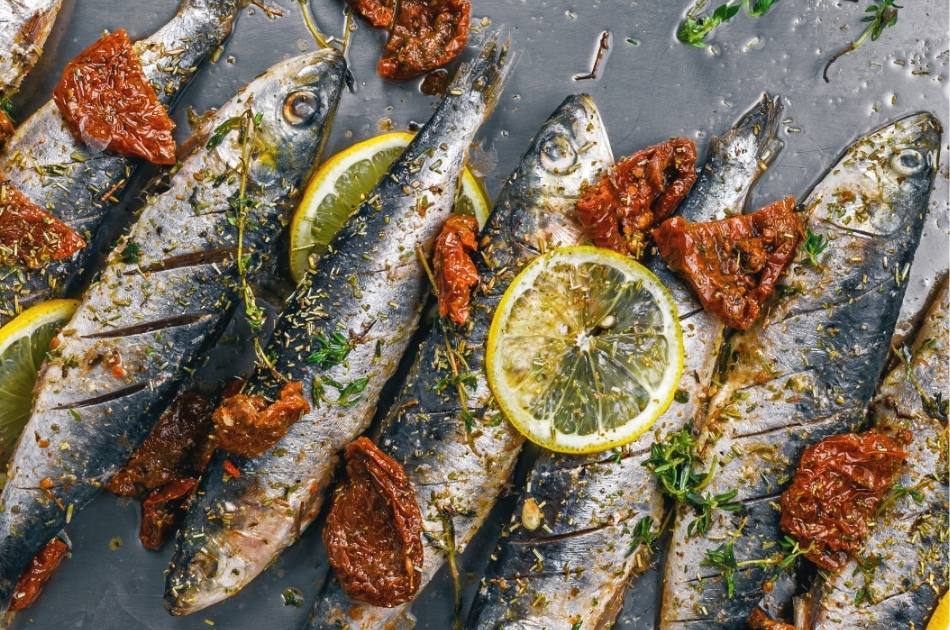
During summer festivals, the smell of chargrilled sardines fills Portuguese streets as vendors cook over open flames outside restaurants and at pop-up stalls. The sardines should be fresh, large, and cooked whole over charcoal until the skin crisps and the flesh remains moist. Served simply with boiled potatoes, grilled peppers, and a salad, this is Portuguese cooking at its most elemental. The feast of Santo António in Lisbon (June 13th) sees entire neighbourhoods given over to sardine-grilling. Outside festival season, seek out traditional restaurants where sardines arrive at the table still sizzling from the grill.
- Polvo à Lagareiro — Casual Dining / Fine Dining
Expect to pay: £18–£35 depending on venue
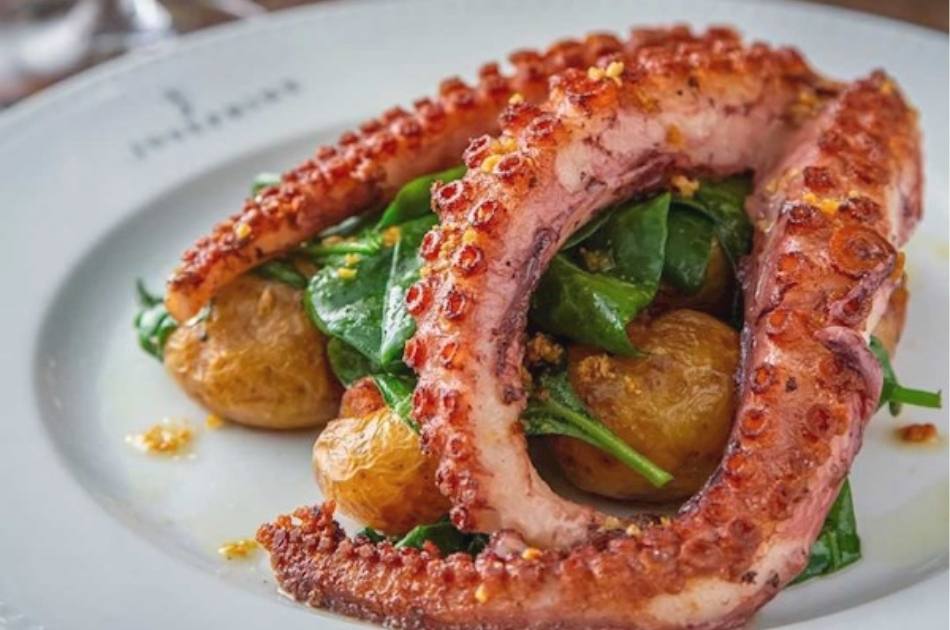
Octopus roasted in olive oil until tender and slightly crispy, served over smashed potatoes that have absorbed the cooking oils—polvo à lagareiro showcases Portuguese mastery of simple ingredients. The octopus requires proper preparation (traditionally beaten against rocks, now typically frozen to tenderise) and patient cooking. The potatoes, crushed rather than mashed, soak up the garlic-infused olive oil. A drizzle of good Portuguese oil finishes the dish. From waterfront tascas to Michelin-starred restaurants, this preparation appears across the country. Quality varies with ingredient sourcing; seek restaurants that specify their octopus origin.
- Caldo Verde — Casual Dining
Expect to pay: £6–£10 for a bowl
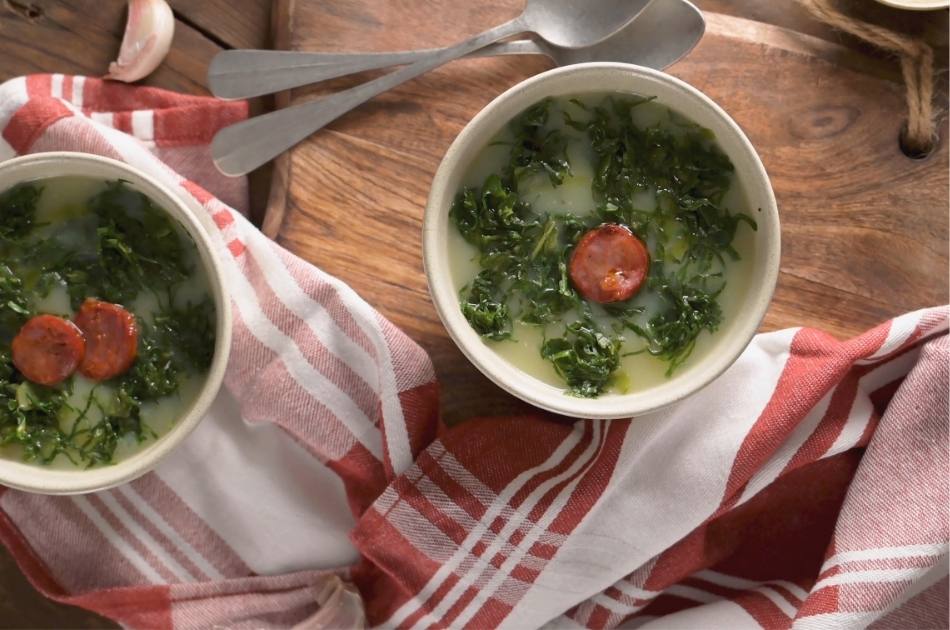
Portugal’s most comforting soup—a thick, verdant broth of potatoes, shredded collard greens (couve galega), olive oil, and slices of chouriço. The potatoes break down to create body; the greens provide colour and slight bitterness; the chouriço adds smoky depth. Simple, warming, and deeply satisfying, caldo verde appears at festivals, family gatherings, and restaurant tables across the country. The best versions use proper couve galega (difficult to replicate abroad) and generous good olive oil. Served with corn bread (broa), it’s the essence of Portuguese home cooking—humble ingredients elevated through tradition and care.
- Bifana — Street Food
Expect to pay: £4–£8 for a sandwich
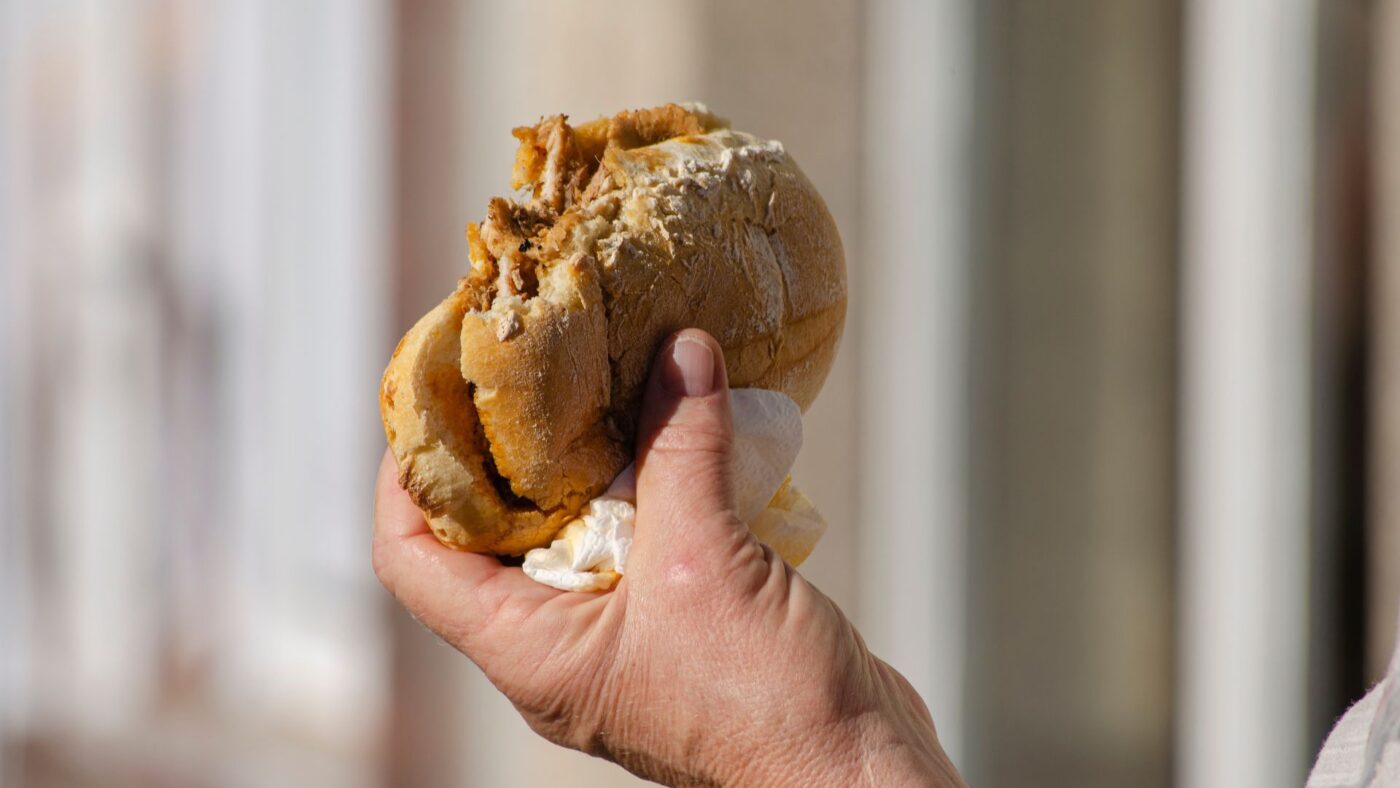
Portugal’s beloved pork sandwich—thin slices of marinated pork cooked quickly in garlic and white wine, stuffed into a crusty bread roll (papo-seco). The meat should be tender, the bread fresh, the juices allowed to soak gloriously into the roll. Mustard is traditional; controversy surrounds other additions. Bifanas appear at markets, festivals, and dedicated bifana spots where generations have queued. O Trevo in Lisbon and countless small-town specialists inspire passionate debate about superiority. Eaten standing, one hand holding the sandwich, the other catching drips—this is Portuguese fast food at its most delicious.
- Queijo da Serra — Artisan / Casual
Expect to pay: £8–£15 for cheese course; variable for whole wheel
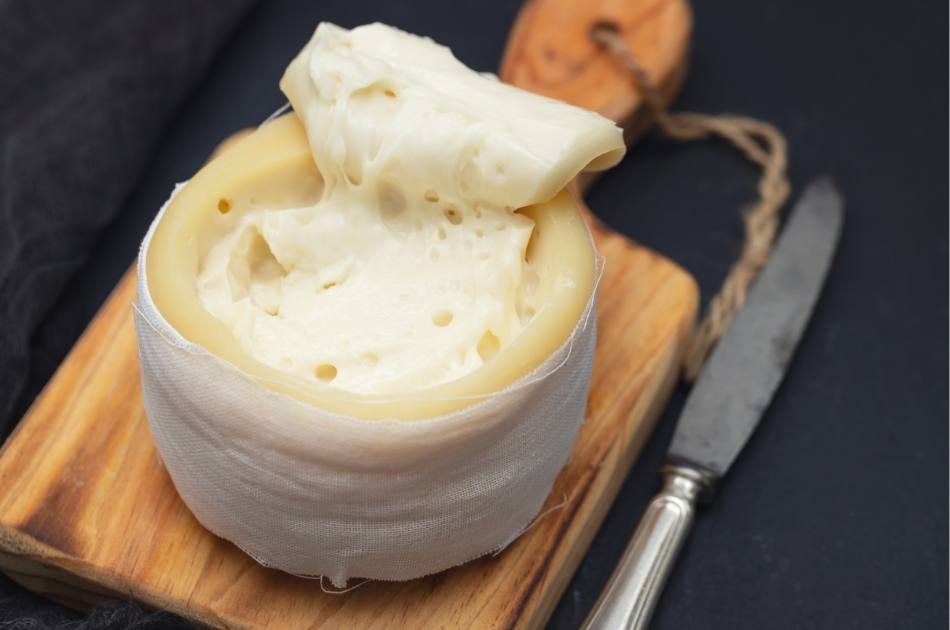
Portugal’s most prized cheese comes from the Serra da Estrela mountains, made from raw sheep’s milk using thistle rennet. When young, it’s soft enough to eat with a spoon—cut off the top and scoop the creamy interior onto bread. Aged versions develop complex, intense flavours. Protected by DOP status, genuine Queijo da Serra appears at quality cheese shops and restaurants that take sourcing seriously. The production is seasonal (November to March for authentic versions), and prices reflect the artisanal process. Paired with quince paste (marmelada) and a glass of port, it represents Portuguese cheese-making at its finest.
- Arroz de Pato — Casual Dining
Expect to pay: £14–£22 for a serving
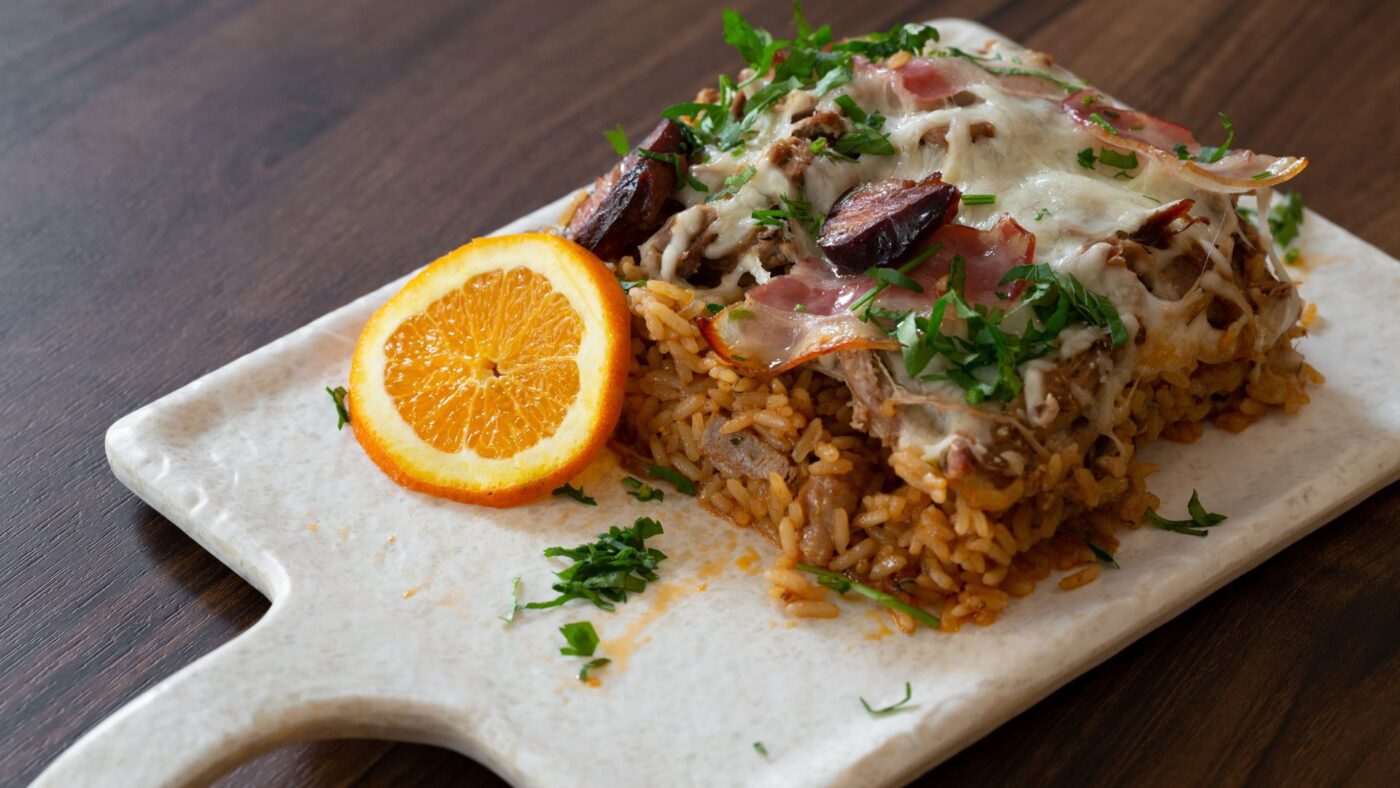
Duck rice—shredded confit duck baked with rice that has absorbed the cooking juices, topped with slices of chouriço and finished under a grill until the surface crisps. The rice should be moist but not wet, intensely flavoured from the duck fat, with contrasting textures from the crispy top. This is Portuguese comfort food for special occasions, appearing at family gatherings and traditional restaurants. Regional variations exist (some add orange, others bacon), but the essential pleasure remains: rich, warming, and deeply satisfying. Order it to share, pair with a good Dão or Bairrada red, and embrace the carbohydrate-heavy Portuguese approach to happiness.
Quick Reference: Budget Summary
Experience Type | Budget Range (per person) |
Street Food / Café | £3–£10 |
Casual Dining | £12–£25 |
Quality Restaurant | £30–£55 |
Fine Dining | £80–£220 |
Quality Hotel (per night) | £120–£250 |
Luxury / Palace Hotel | £250–£500+ |
Prices based on 2024/25 rates. Portugal offers exceptional value compared to Western European neighbours.
Useful Links:
Street Food
Time Out Market Lisboa — Food hall featuring the best Portuguese street-style food and chefs.
https://www.timeoutmarket.com/lisboa/
Mercado do Bolhão (Porto) — Official traditional market with local produce and snacks.
https://www.mercadobolhao.pt
Mercado Municipal de Loulé (Algarve) — Official market with fresh local food stalls.
http://www.cm-loule.pt/en/mercado-municipal/
Instagram-Worthy Restaurants
Feitoria Restaurant & Wine Bar (Lisbon) — Michelin-starred modern Portuguese dining.
https://www.feitorialisboa.com
Pedro Lemos (Porto) — One Michelin star with a beautifully curated setting.
https://www.pedrolemos.net
Vinum Restaurant (Douro) — Elegant vineyard dining at The Yeatman with Douro views.
https://www.theyeatman.com/en/dining/vinum
Portugal Food Culture
Pastéis de Belém (Lisbon) — Legendary, official address for authentic custard tarts.
https://pasteisdebelem.pt
A Cozinha do Chef (Algarve) — Showcasing authentic Algarve flavours and cooking classes.
https://acozinhadochef.com
Casa de Pasto da Palmeira (Porto) — Traditional Portuguese cuisine with regional specialties.
https://www.casadepastodapalmeira.pt