From the romantics to Munch: how a nation defined itself through painting
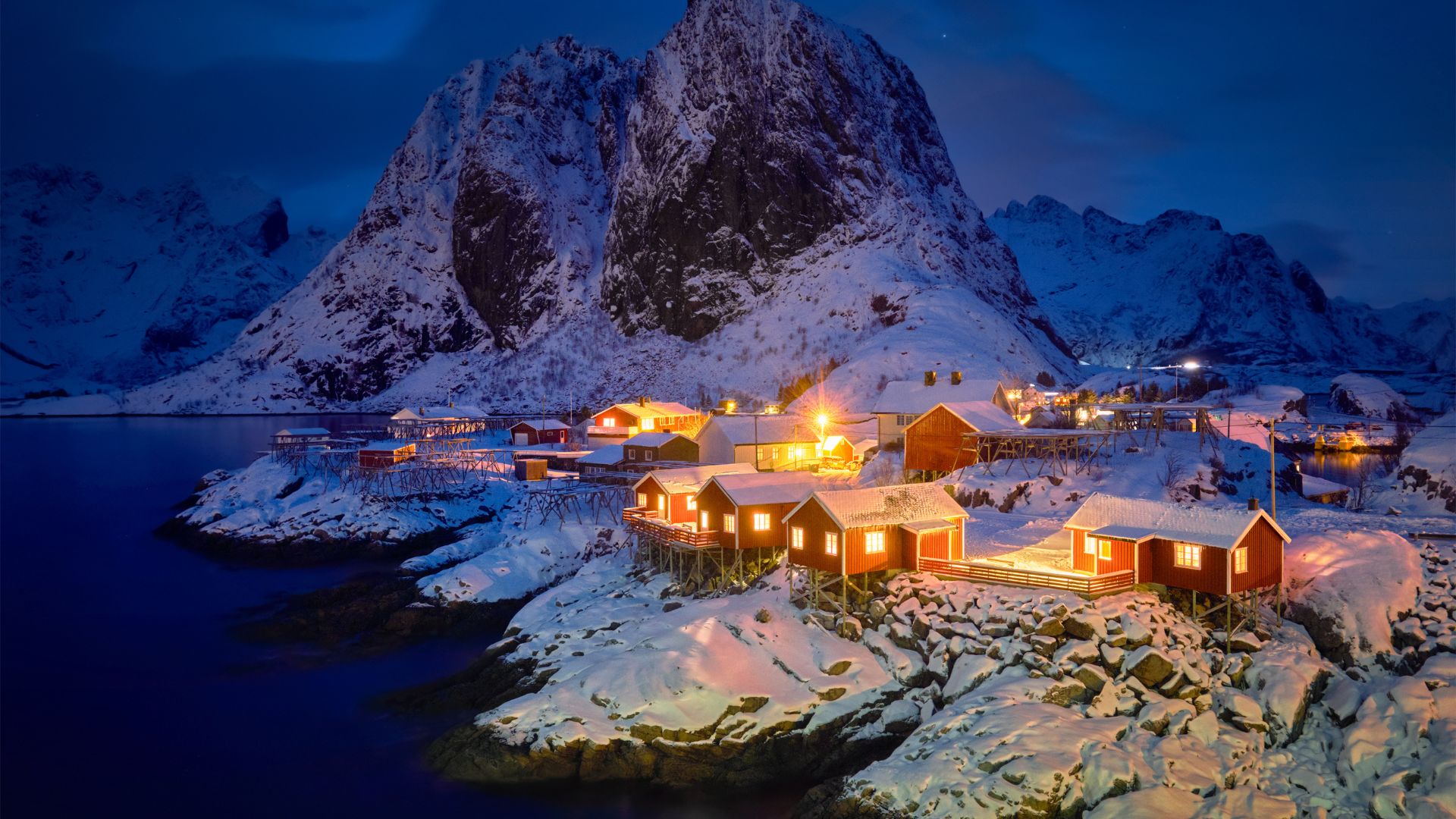
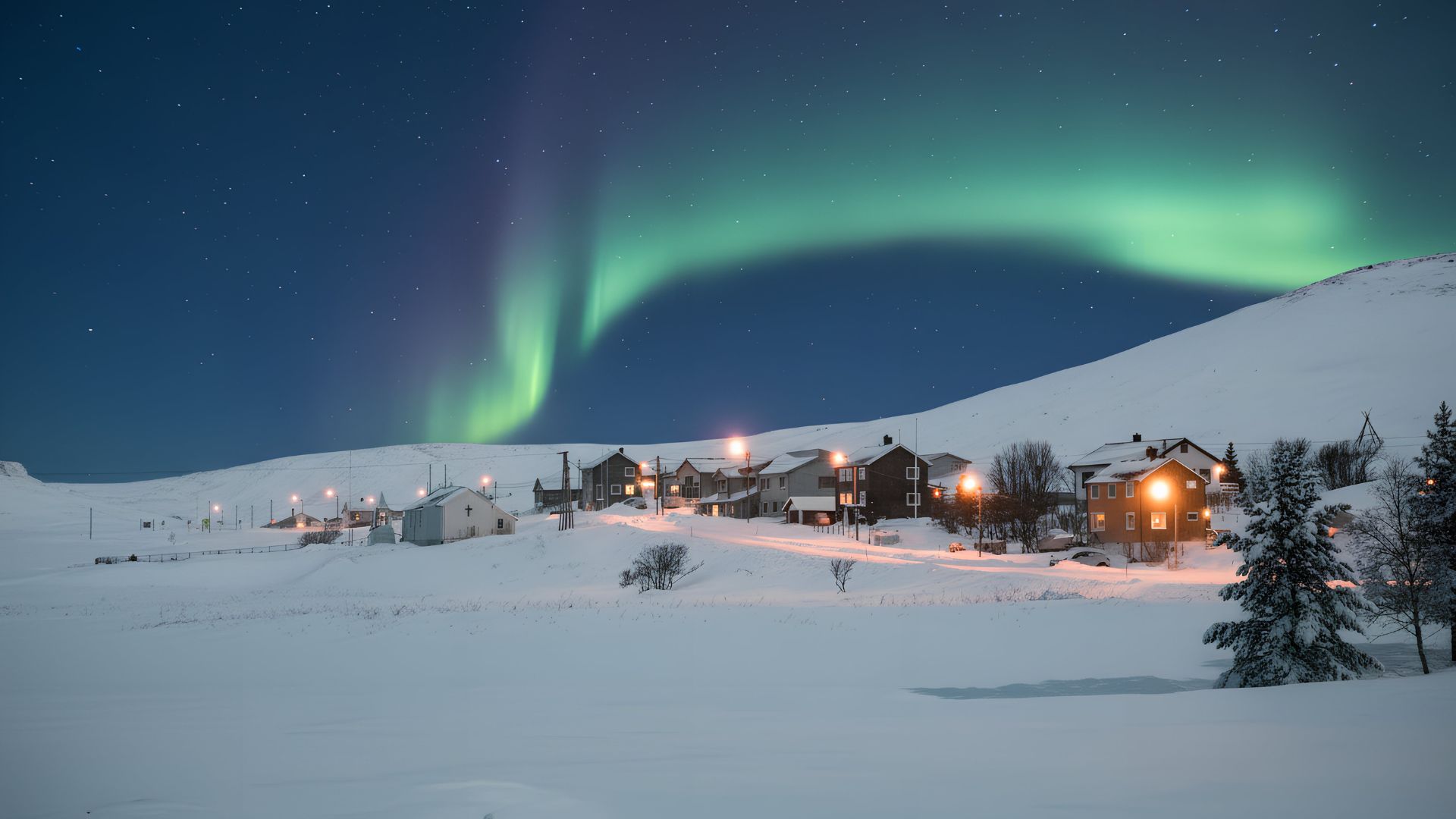
Norway’s art history is, in many ways, a long argument with light. The country emerged as an independent nation in 1814, after centuries of Danish rule, and needed to construct a national identity almost from scratch. Artists played a crucial role: by painting Norway — its mountains, its fjords, its midnight sun and polar night — they created a visual language of national pride.
The romantic nationalists of the 19th century established the vocabulary. Johan Christian Dahl painted Norwegian landscapes with drama and precision, teaching his countrymen to see their country’s beauty. Hans Gude continued the tradition with coastal scenes and mountain vistas. Their work, collected in Oslo’s National Gallery (now part of the new National Museum), created an image of Norway that tourism has been marketing ever since.
Edvard Munch broke with this tradition — and became, paradoxically, Norway’s most famous artist. His work is about interior landscapes rather than exterior ones: anxiety, desire, grief, the human condition laid bare. The Scream, of course, but also the unsettling Puberty, the haunting Madonna, the endless self-portraits of an artist watching himself age. The new Munch Museum in Oslo houses the world’s largest collection; seeing his range reveals an artist far more complex than the one painting suggests.
Contemporary Norwegian art engages with similar themes through different media. The Astrup Fearnley Museum in Oslo (connected to The Thief hotel) collects international contemporary work with a Nordic perspective. The KODE museums in Bergen combine historic collections with contemporary exhibitions. And throughout the country, sculpture parks — Vigeland in Oslo, Ekeberg above the city, Nordland along the Helgeland coast — place art in landscapes that the romantics would recognise.