

News From The Far East: Will Japan Be Your 2027 Holiday Destination?

Japan has become the trip a whole generation of British travellers wants to take. If you are weighing it up for 2027, here is what is driving the boom, what it now costs, and where to go when everyone else is going to Kyoto.

Is Japan worth it in 2027?
For most travellers, yes, and the reason is largely financial. A weak yen means the daily cost of a fortnight in Japan currently undercuts a comparable trip to western Europe, while the flights themselves remain the single biggest expense. The trade-off is crowds, which are now substantial on the standard first-timer route and show no sign of easing.
Ask a British traveller in their twenties or thirties where they are going next and there is a decent chance the answer is Japan. Ask them why and the answer usually arrives in fragments: the food, the trains, the temples, the convenience stores, a video they saw somewhere. The trip has acquired a gravitational pull that few destinations manage, and the numbers bear it out.
Figures from the Japan National Tourism Organization show 483,157 British visitors travelled to Japan in 2025. That is 24.8 per cent up on 2024 and 40.8 per cent up on 2019, the pre-pandemic benchmark the travel industry still measures against. Japan
as a whole recorded its highest ever number of foreign visitors that year, and provisional data for 2026 suggests the line is still climbing.

The yen did a lot of the work
The romance of Japan is not new. What changed is the arithmetic.
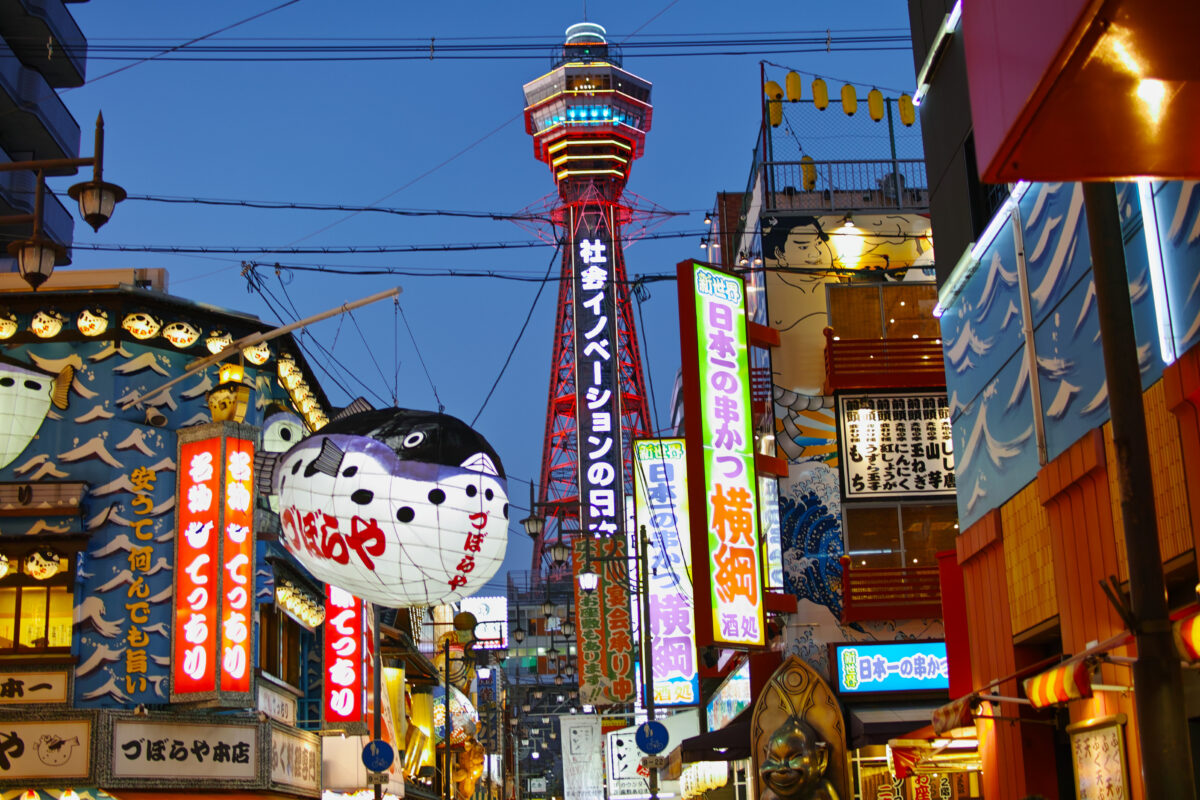
The yen has been weak for several years and in July it touched a 40-year low, which is difficult for Japanese households and remarkably good news for anyone arriving with pounds in their pocket. Return off-peak flights with a layover in China can be found from around £450, and once you land the daily cost of the trip is often lower than a comparable fortnight in western Europe. A bowl of ramen that would be a special occasion in London is an ordinary Tuesday lunch in Osaka.
The effect shows up most visibly in the luggage. Souvenir hauls of regional KitKats, stationery, skincare and clothing have become a genre of their own online, and more than one traveller has come home a suitcase heavier than they left.
There is one recent change to budget for. In July, Japan raised its international tourist tax, usually built into the price of your outbound ticket when you leave the country, from 1,000 yen (about £4.60) to 3,000 yen. The government says the money will go towards public transport improvements and the restoration of historic sites.
The Golden Route, and its consequences
Most first-time visitors follow what the industry calls the Golden Route: Tokyo, Kyoto and Osaka, with day trips out to Nara, Hiroshima and Mount Fuji. It is an excellent itinerary. The cities are close, the train links between them are superb, and it strings together a very large share of the country’s headline attractions in ten days or so.
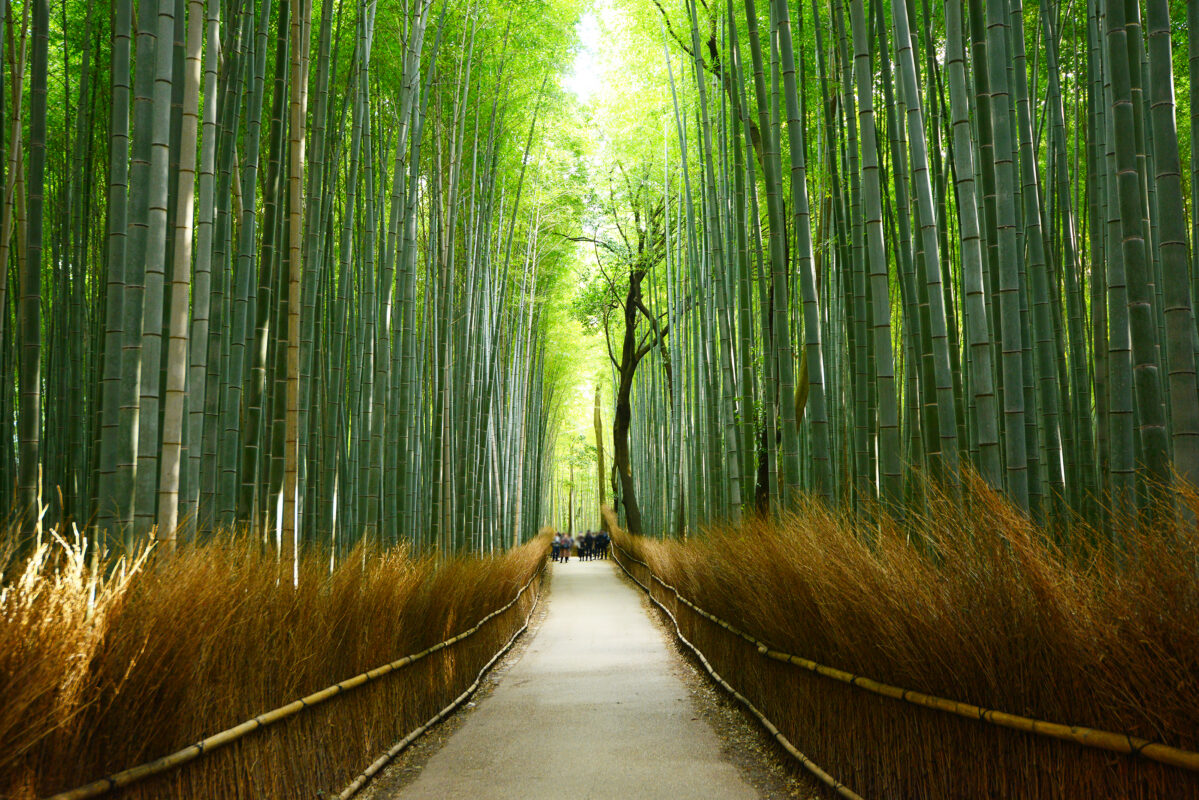
It is also, increasingly, very crowded. Kyoto in particular has become a case study in overtourism, and Japanese patience with badly behaved visitors is thinning. Guides report queue-jumping, luggage blocking buses, initials carved into the trees of the Arashiyama bamboo grove, and people stepping into restricted areas for a photograph.
Local authorities have started to respond. Fujikawaguchiko, the lakeside town below Mount Fuji, cancelled this year’s cherry blossom festival after repeated problems with visitor behaviour. Tokyo’s Shibuya ward, home to the crossing that appears in roughly every third travel reel ever filmed, began issuing on-the-spot fines for littering in June.

None of which is a reason to stay away. It is a reason to arrive having thought about it.
Where to go when everyone is going to Kyoto
Our advice, and the advice of most people who have been more than once, is to keep the Golden Route but break it.
Kanazawa gives you the Edo-period streets, the gardens and the gold leaf craftsmanship that people go to Kyoto for, at perhaps a fifth of the footfall, and it is reachable from Tokyo by shinkansen in under three hours.
Takayama and the Japanese Alps offer the mountain villages, the thatched roofs of Shirakawa-go and some of the country’s best sake breweries.
Naoshima and the Seto Inland Sea are the answer for anyone who wants contemporary art and slow ferries instead of crowds.
Kyushu, in the south, brings volcanoes, hot springs at Beppu, and Fukuoka’s street food stalls.
Tohoku, in the north, remains startlingly under-visited by foreign travellers and is the strongest argument we know of for a second trip.
Timing matters as much as geography. Cherry blossom season and the autumn colours are magnificent and thoroughly subscribed. Late January, June, and early December are quieter, cheaper, and no less rewarding.
Small courtesies that count
Carry your rubbish until you find a bin, because public bins are genuinely rare. Keep your voice down on trains and take phone calls off them. Do not eat while walking in most places. Learn the two or three phrases that matter, and use them. Book the popular restaurants and the theme parks in advance; DisneySea is capable of swallowing an entire day for the sake of one ride.
Japan has always rewarded travellers who arrive as guests rather than as an audience. That has not changed. There are simply more of us now.
Practical Information
Planning a 2027 trip: the short version
When the blossom actually happens. Cherry blossom is a moving target rather than a fixed season. In a typical year Tokyo and Kyoto peak between late March and the first week of April, Fukuoka and the south run a few days earlier, and Sapporo does not turn until late April or early May. Japanese forecasters publish their first projections in January, so anyone booking for 2027 before then is guessing. Autumn colour is more forgiving: Tohoku and Hokkaido from mid October, Kyoto and the Kansai region from mid to late November.
The quieter windows. Late January and February are cold, clear and cheap, and give you the snow country and the winter festivals. June brings the rainy season to much of the country, which puts a lot of people off and should not; the gardens are at their best and the prices reflect the reputation rather than the reality. Early December is the other reliable gap, after the leaves and before the new year rush.
When to book. Long-haul schedules generally load around eleven to twelve months ahead, so 2027 departures start appearing through the second half of this year. Booking on day one rarely gets you the lowest fare. For Japan the useful window tends to be four to eight months out, with the January sales worth watching if your dates are flexible.
What to book early regardless of the fare. Accommodation in Kyoto during blossom and autumn colour weeks goes long before flights get expensive, and so do the well-known restaurants, sumo tickets, team Lab and the theme parks. If your trip depends on any of those, secure them first and build the flights around them.
Budget headlines. Off-peak returns with a layover start around £450. Add the departure tax, now 3,000 yen. Cost any rail pass individually rather than assuming: the nationwide JR Pass rose steeply in October 2023 and is now poor value for a short Tokyo, Kyoto and Osaka run, though regional passes can still pay for themselves.

About Author
Chris Owen is a seasoned editorial strategist, brand marketer, and travel storyteller, Chris Owen has built his career at the intersection of compelling content and commercial impact.