
Netherlands: Eat Like a Local
- Stroopwafels — Street Food
Expect to pay: £2–£4 fresh from markets
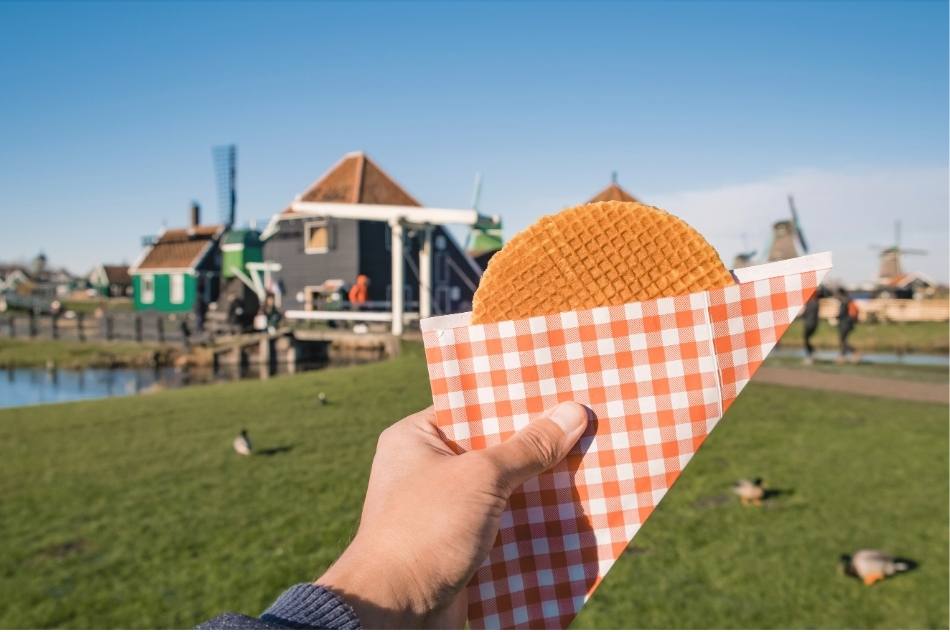
Two thin waffle layers sandwiching a caramel syrup filling—stroopwafels represent Dutch snacking at its finest. The magic happens when you balance one over a hot cup of coffee, allowing the steam to warm and soften the caramel within. Fresh stroopwafels from market stalls (particularly Albert Cuypmarkt in Amsterdam) bear little resemblance to the packaged versions sold worldwide. Watch the vendor press the batter, slice the waffle horizontally, and spread the stroop while still warm. Eaten immediately, the exterior retains crispness while the interior melts—the Proustian memory you’ll carry home. One of Europe’s perfect street foods.
- Michelin-Starred Dutch Cuisine — Fine Dining
Expect to pay: £100–£180 for tasting menu; £150–£280 with wine pairing
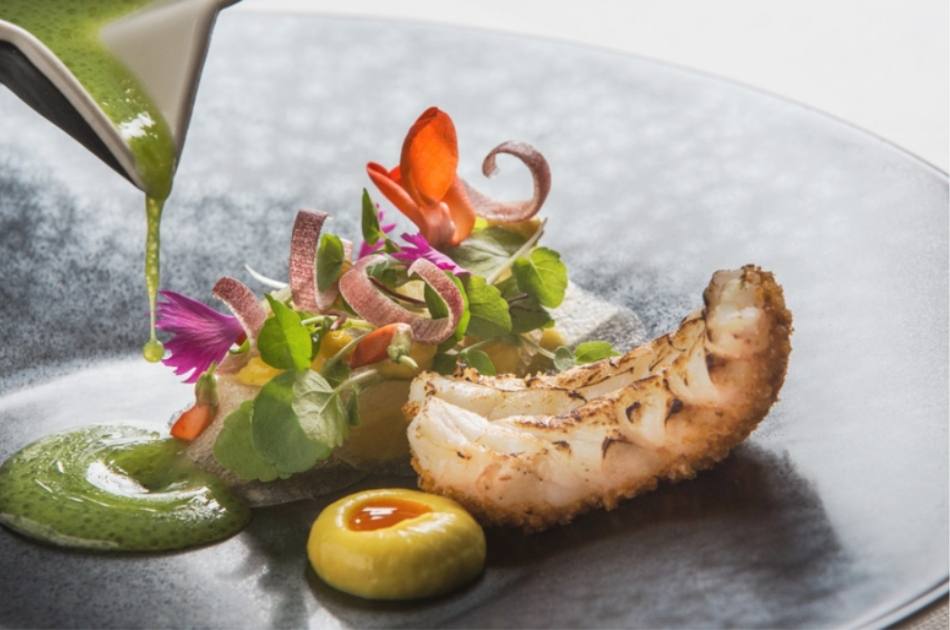
Dutch fine dining has undergone a revolution, with chefs like Jonnie Boer (De Librije, three stars) and Jacob Jan Boerma (De Leest) earning global acclaim. Expect hyper-local ingredients—North Sea fish, Dutch vegetables, aged Gouda—presented with technical precision and genuine creativity. Amsterdam’s scene includes Ciel Bleu, Bord’Eau, and exciting newcomers pushing boundaries. The tasting menus showcase the seasons; the wine lists increasingly feature Dutch wines from Limburg vineyards. Book well ahead for the celebrated addresses, and discover that Dutch cuisine has evolved far beyond its humble stamppot origins into something genuinely world-class.
- Bitterballen — Street Food / Bar Snack
Expect to pay: £5–£10 for a portion
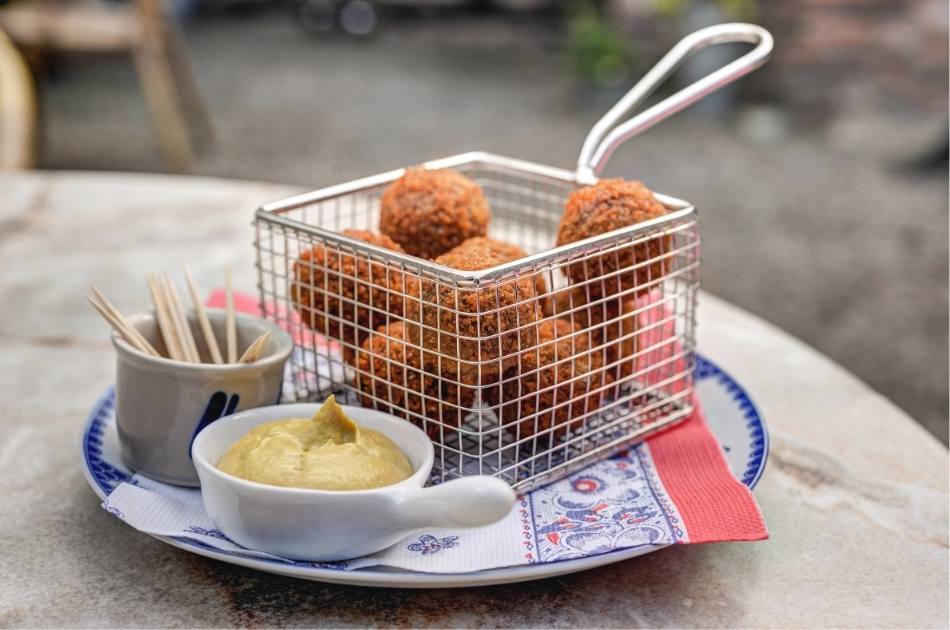
These crispy, deep-fried balls of ragout—beef or veal in a thick gravy, coated in breadcrumbs—are the essential Dutch bar snack. The exterior should shatter; the interior should flow (carefully, it’s molten hot). Served with sharp mustard, bitterballen accompany every round of drinks in every brown café across the country. The technique is important: bite a small hole, blow to cool, dip in mustard, devour. Factory versions disappoint; seek out cafés and restaurants making their own. Van Dobben in Amsterdam serves legendary versions. No Dutch evening is complete without at least one portion.
- Haring (Raw Herring) — Street Food
Expect to pay: £3–£6 per serving
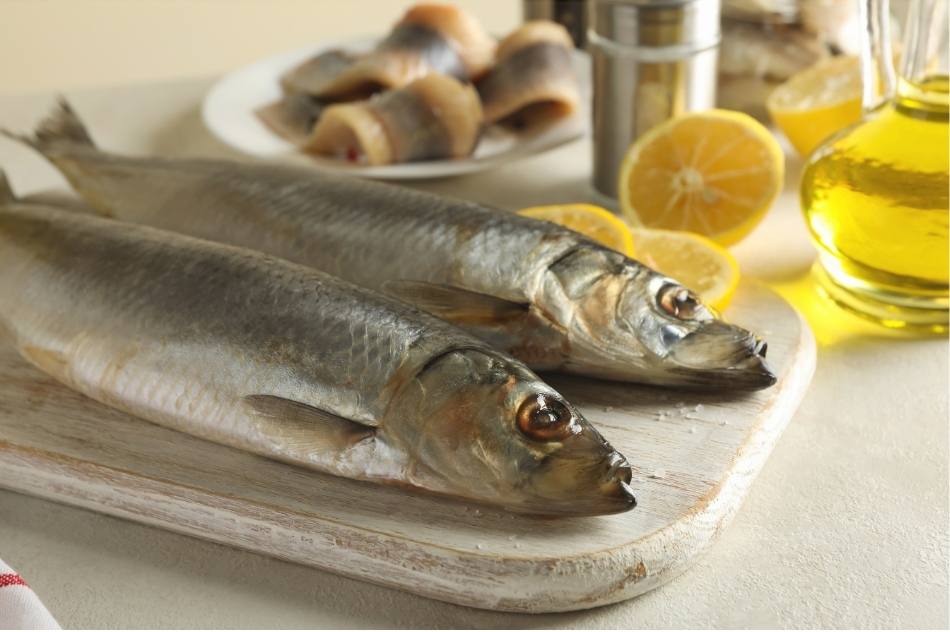
The Dutch way: take a whole raw herring (lightly cured, technically), grasp it by the tail, tilt your head back, and lower it into your mouth bite by bite. Alternatively, order it chopped with onions and pickles. Either way, the fish should be impeccably fresh, its flesh silvery and its flavour clean and briny. Herring stalls appear throughout Dutch cities; May’s Hollandse Nieuwe (new season herring) inspires fevered anticipation. For tourists, the backward-head technique seems theatrical; for Dutch people, it’s simply how one eats herring. Embrace the tradition, dip in onions, and taste the North Sea.
- Rijsttafel — Casual Dining / Fine Dining
Expect to pay: £25–£45 for a full rijsttafel; £50–£80 at upscale venues
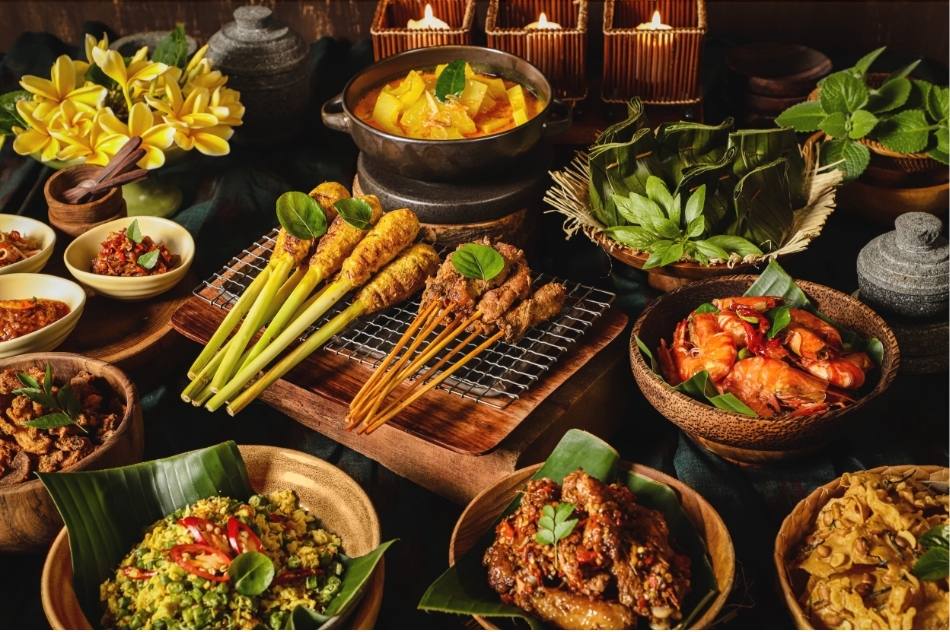
Indonesia’s colonial legacy gave the Netherlands its most elaborate meal—a ‘rice table’ featuring dozens of small dishes spanning the archipelago’s cuisines. Satay, rendang, gado-gado, sambal, sayur lodeh, and countless others arrive in succession, transforming dinner into a culinary journey. The Hague’s Garoeda and Amsterdam’s Blauw set the standard, but Indonesian restaurants across the country serve their interpretations. Order the full rijsttafel, share everything, and pace yourself—the dishes keep coming. It’s excessive by design, a colonial fantasy that has become genuinely Dutch. One of Europe’s great multicultural dining experiences.
- Dutch Cheese — Artisan / Casual
Expect to pay: £8–£15 for cheese platter; variable at cheese shops
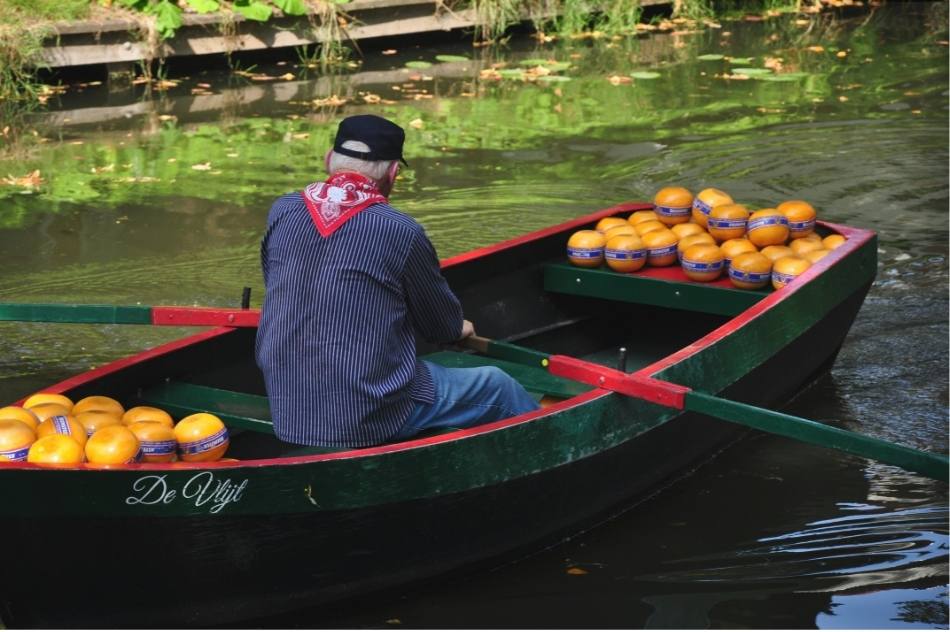
Gouda and Edam are merely the beginning. Dutch cheese culture encompasses aged boerenkaas (farmhouse cheese) that crumbles with crystalline texture, creamy young cheeses, and regional specialties from across the country. The Alkmaar and Gouda cheese markets provide theatrical purchasing; specialist cheese shops in every city offer guided tastings. Ask for ‘oude kaas’ (old cheese) to experience the depth that proper aging develops—notes of caramel, butterscotch, and salt crystals that crunch. Paired with mosterd (mustard) and a good beer, Dutch cheese demonstrates why this small country produces some of Europe’s finest dairy.
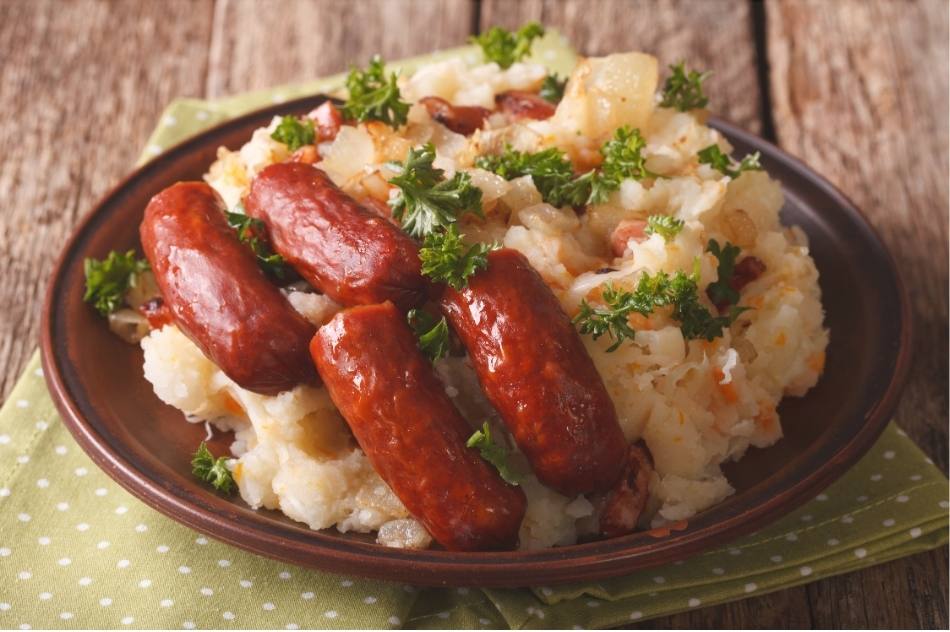
- Stamppot — Casual Dining
Expect to pay: £12–£18 for a hearty serving
The ultimate Dutch comfort food: mashed potatoes combined with vegetables (kale for boerenkool, sauerkraut for zuurkool, carrots and onions for hutspot), served with rookworst (smoked sausage) and rich gravy. This is winter food, fuel for cycling through rain and wind, and every Dutch person’s childhood memory. Traditional restaurants serve it with appropriate generosity; modern interpretations sometimes lighten the load. The potatoes should be properly mashed (lumps acceptable), the vegetable well-integrated, the sausage smoky and snappy. Not sophisticated, not photogenic, but deeply satisfying when the weather turns grey.
- Poffertjes — Street Food
Expect to pay: £5–£8 for a plate
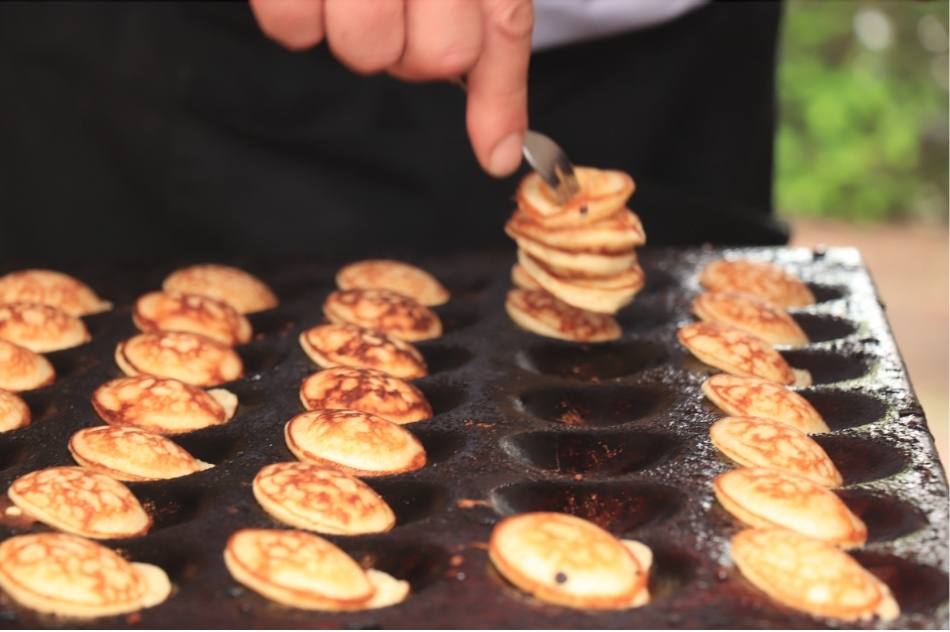
Miniature fluffy pancakes, cooked in special dimpled pans, served in piles dusted with powdered sugar and topped with butter. Poffertjes appear at markets, festivals, and dedicated poffertjes houses, prepared by vendors who pour batter from bottles with practised precision. The texture should be lighter than regular pancakes, almost soufflé-like in the best versions. Children love them; adults pretend they’re ordering for the children. The combination of warm dough, melting butter, and sugar creates simple pleasure that transcends age. Seasonal appearances at Christmas markets make them particularly festive.
- Kibbeling — Street Food
Expect to pay: £6–£10 for a portion
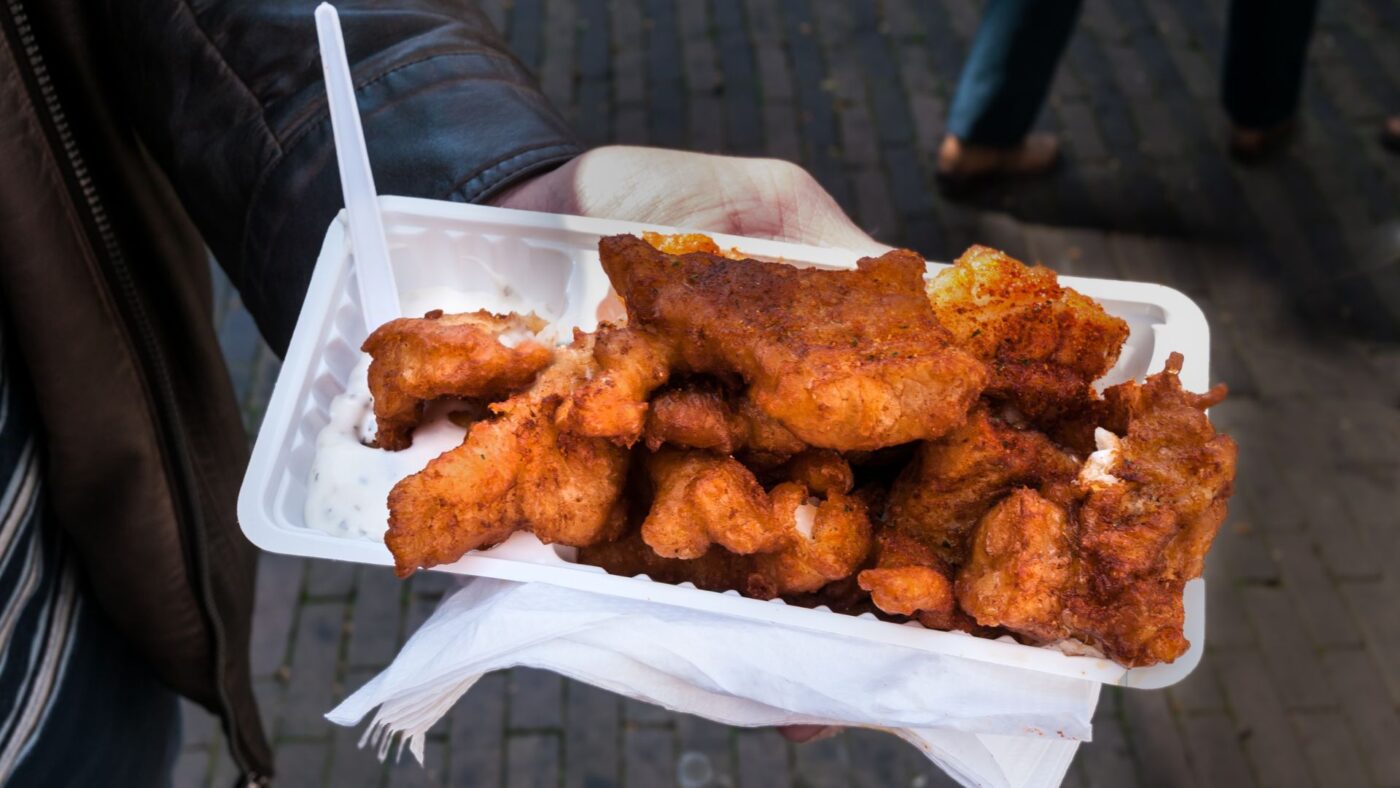
Chunks of white fish (traditionally cod, now often other species) battered and deep-fried until golden, served with garlic sauce or ravigotte (a creamy herb sauce). Kibbeling stalls appear at markets and seaside towns across the Netherlands, the smell drawing queues of locals and tourists alike. The fish should be fresh, the batter crispy but not greasy, the pieces bite-sized for easy eating. Scheveningen and other coastal towns serve the freshest versions, but inland markets maintain high standards. Essential Dutch street food, best eaten standing in the wind with chips on the side.
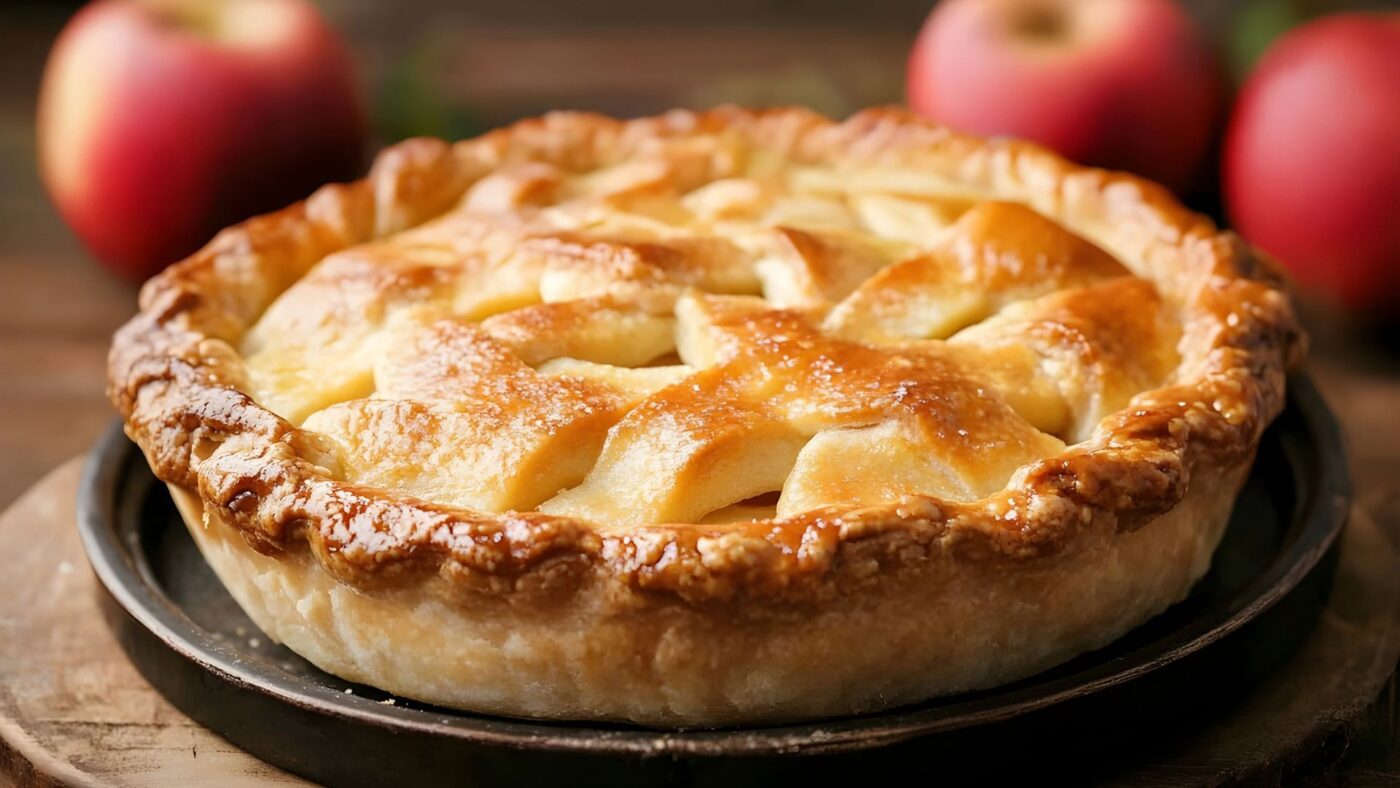
- Appeltaart (Dutch Apple Pie) — Café / Dessert
Expect to pay: £4–£8 per slice with cream
Dutch apple pie differs from its American cousin—a deeper dish filled with chunks (not slices) of apple spiced with cinnamon, often containing raisins, encased in a buttery shortcrust. The top may be latticed or fully covered; the serving comes with a mandatory mountain of whipped cream. Winkel 43 in Amsterdam’s Jordaan claims the city’s best; countless cafés across the country offer their own excellent versions. Order it with coffee in a brown café, preferably on a rainy afternoon, and understand why the Dutch consider appeltaart essential to gezelligheid (that untranslatable concept of cosy conviviality).
Quick Reference: Budget Summary
Experience Type | Budget Range (per person) |
Street Food / Café | £4–£12 |
Casual Dining | £15–£30 |
Quality Restaurant | £40–£70 |
Fine Dining | £100–£280 |
Quality Hotel (per night) | £140–£280 |
Luxury / Canal House Hotel | £300–£600+ |
Prices based on 2024/25 rates. Amsterdam commands premium prices; other Dutch cities offer better value.
Useful Links:
Street Food
Markt at Albert Cuyp Market (Amsterdam) — Historic street food and local market stalls.
https://www.amsterdam.info/markets/albert-cuyp/
Foodhallen Amsterdam — Indoor food market with curated local street food vendors.
https://www.foodhallen.nl
Blaak Market Rotterdam (Markthal) — Official food and produce hall with street-style eats.
https://www.markthalrotterdam.nl/en
Instagram-Worthy Restaurants
Restaurant Spectrum (Amsterdam) — Contemporary multi-course dining by top chefs.
https://www.spectrumamsterdam.nl
Aan de Poel (Amstelveen) — Michelin-starred restaurant overlooking water and gardens.
https://www.aandepoel.nl
Restaurant 212 (Amsterdam) — Innovative fine dining with counter seating.
https://212restaurant.nl
Netherlands Food Culture
Pannenkoekenhuis Upstairs (Amsterdam) — Historic Dutch pancake house in a classic canal building.
https://www.pannenkoekenhuisupstairs.nl
Gouda Cheese Experience — Official Gouda cheese farm and tasting tours.
https://www.cheese-gouda.com
Het Scheepvaartmuseum Café (National Maritime Museum, Amsterdam) — Combines Dutch culinary history with seafaring heritage.
https://www.hetscheepvaartmuseum.nl/en/visit/eat-and-drink