
Monaco: Where Wealth Meets the Mediterranean
Two square kilometres of concentrated luxury, and why it works
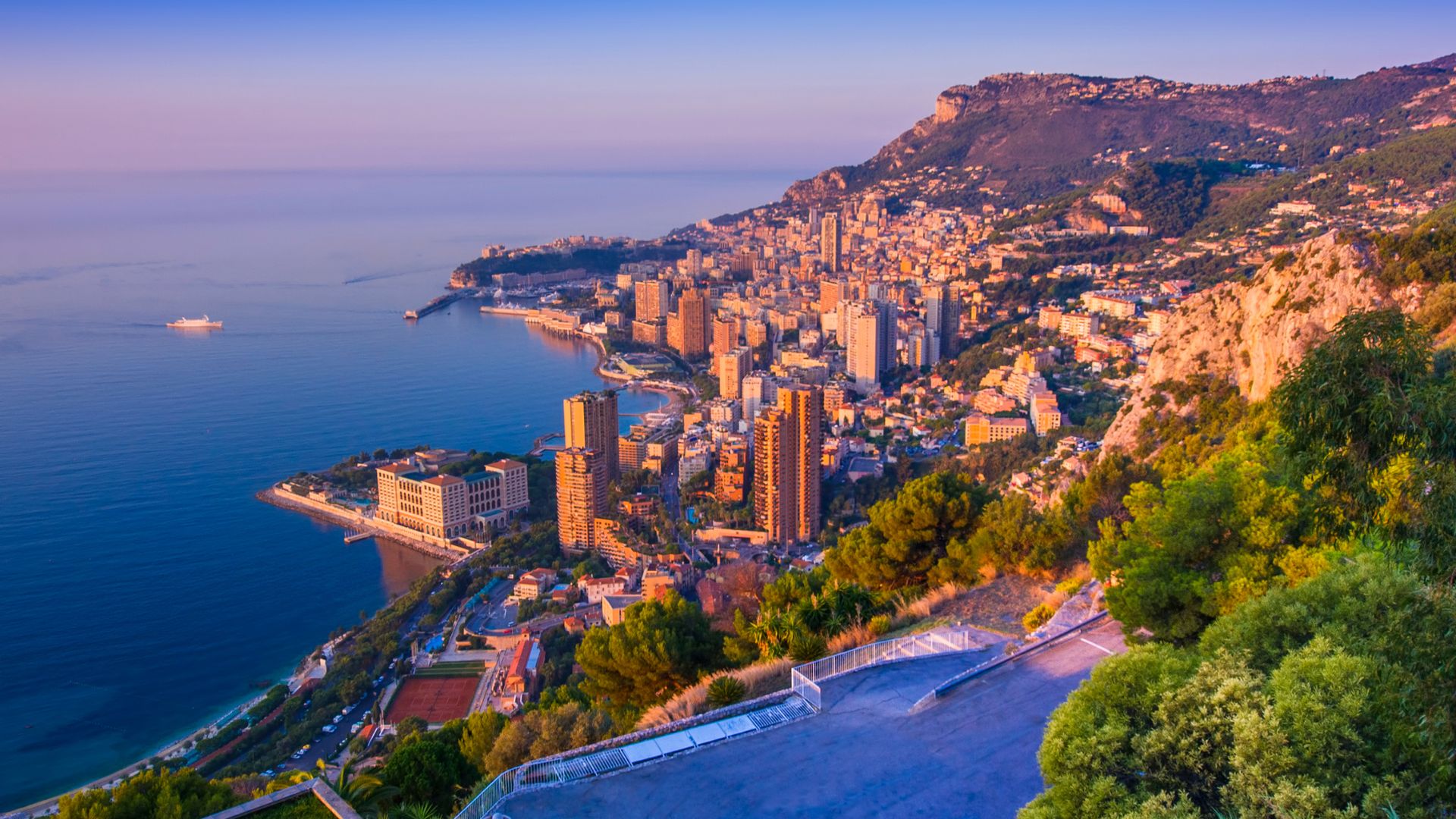
The helicopter from Nice takes seven minutes. Below, the Côte d’Azur unfolds like a property brochure: the curve of the Baie des Anges, the marinas of Antibes and Villefranche, and then Monaco itself — a vertical city compressed into a space smaller than Hyde Park, yet home to more wealth per square metre than anywhere on Earth.
Monaco is not for everyone, and makes no apology for this. The principality exists to serve those who have succeeded — in business, in investment, in the various endeavours that generate the kind of wealth that requires careful stewardship. It offers security, discretion, and a tax regime that rewards rather than punishes prosperity. It also offers, not incidentally, rather good weather and some of the finest hotels and restaurants in Europe.
For those who’ve recently sold a business, achieved a liquidity event, or otherwise arrived at the point where money is no longer a constraint but time very much is, Monaco represents something specific: a place where quality is assumed rather than questioned, where service meets expectations forged by success, and where the business of enjoying wealth is taken seriously.
The Geography of Privilege
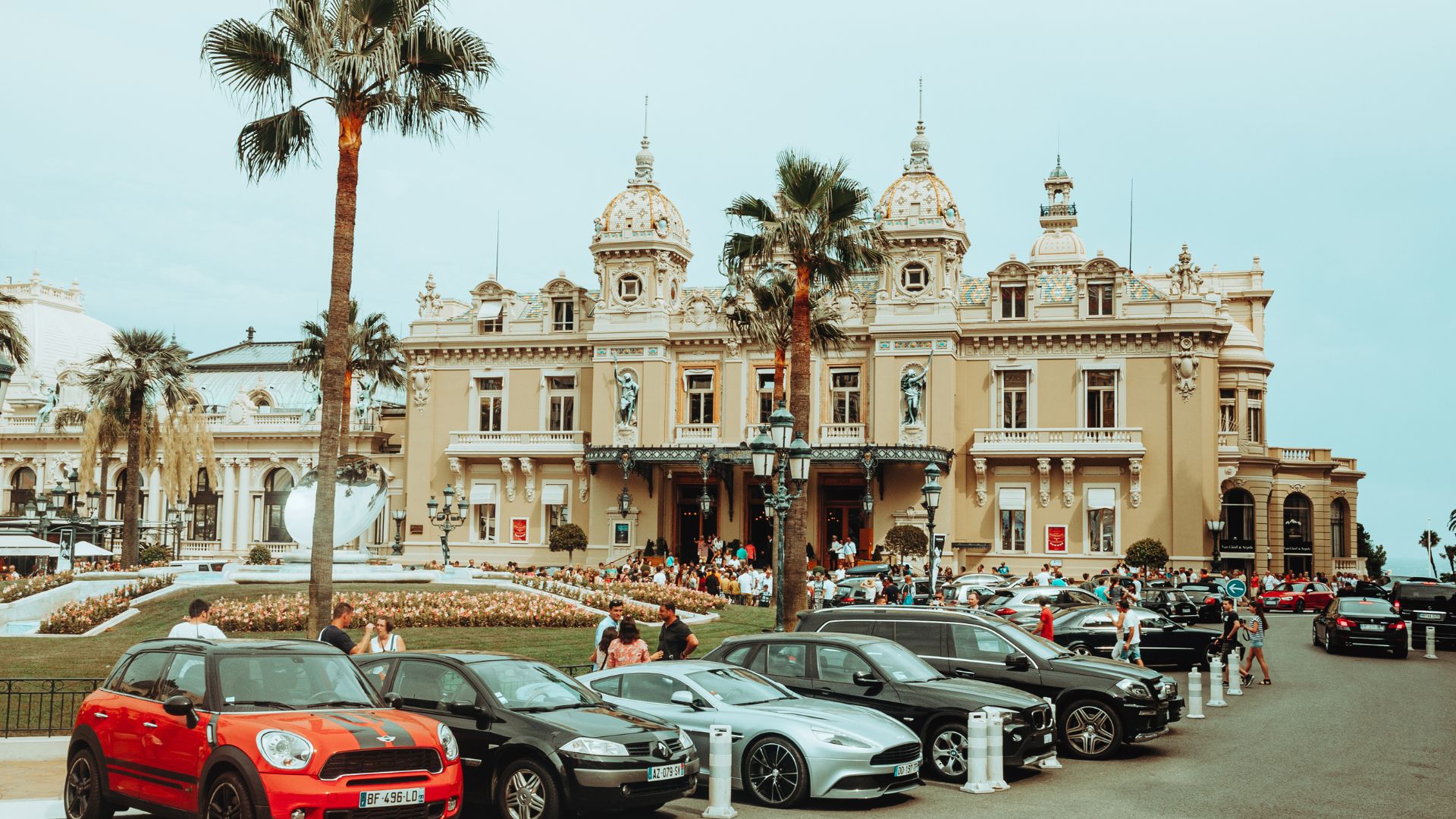
Monaco divides into distinct quarters, each with its character. Monte-Carlo, the famous district around the Casino, concentrates the grandest hotels, the finest boutiques, and the particular theatre that comes from serious money at play. The Carré d’Or — the golden square around Place du Casino — is where Hermès, Chanel, Cartier, and their peers maintain premises that function as much as galleries as shops.
Monaco-Ville, the old town on the rock, offers the palace, the cathedral, and the Oceanographic Museum that Jacques Cousteau directed for three decades. It’s tourist territory during the day but quiet in the evening — the restaurants here serve French rather than international cuisine, and the views across Port Hercule reward the climb.
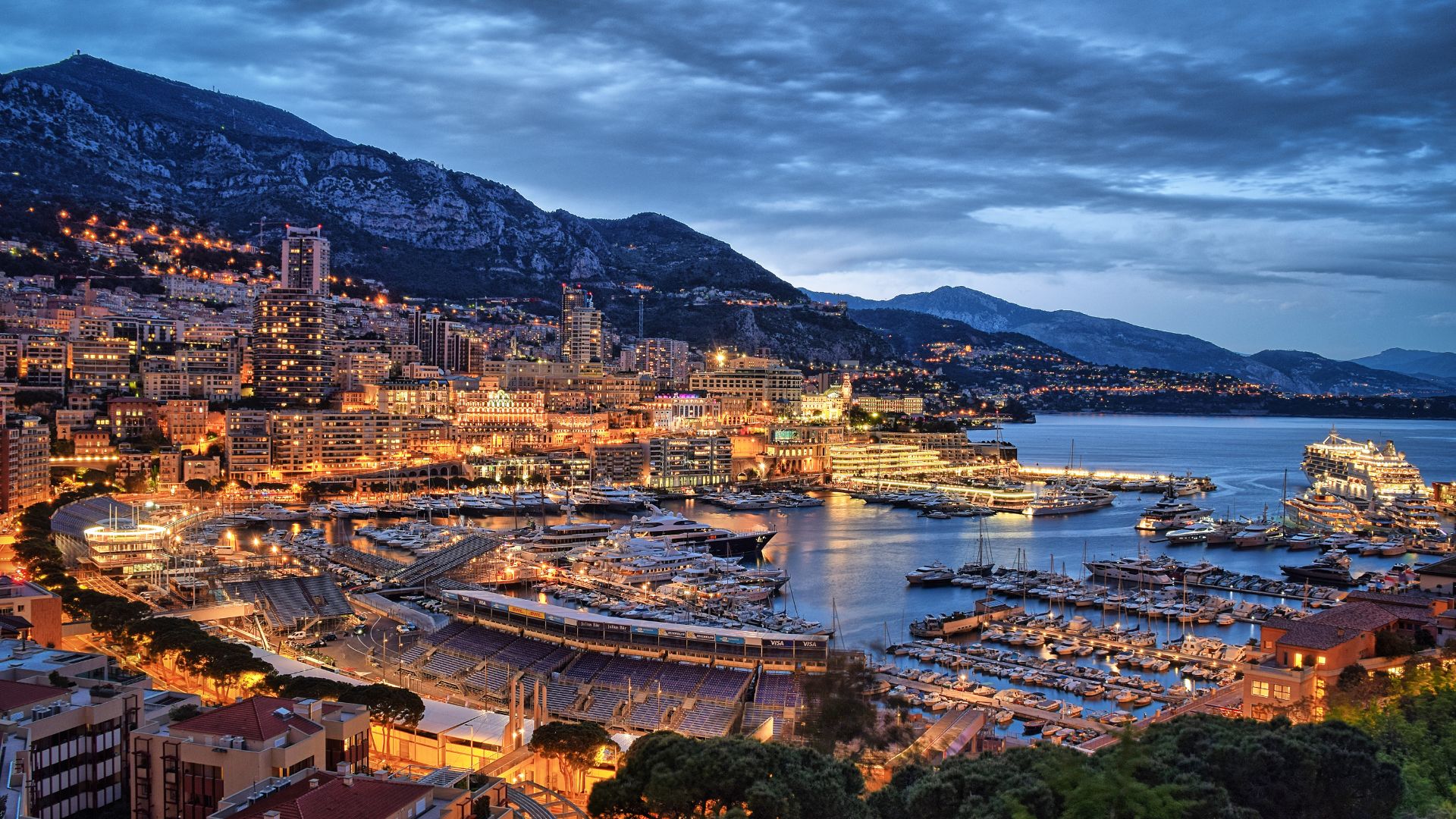
La Condamine, around the port, has evolved into a dining destination with restaurants that would earn stars in any city. Fontvieille, the newest district built on reclaimed land, houses the helicopter terminal, the shopping centre, and several of the principality’s more practical functions. And Port Hercule itself — home to the superyachts that define Monaco’s maritime identity — provides the backdrop against which much of Monaco’s social life unfolds.
The Serious Business of Pleasure
Monaco takes entertainment seriously. The Opera House, designed by Charles Garnier (who also created the Paris Opéra), hosts performances from September to May. The Ballets de Monte-Carlo maintains international standing. The Sporting Monte-Carlo presents concerts and galas throughout the summer season. And the Casino itself — the building that made Monte-Carlo’s name — remains a functioning gambling establishment where fortunes still change hands.
The dining scene has evolved beyond the traditional French luxury that once defined it. Alain Ducasse maintains his flagship Louis XV at the Hôtel de Paris, three Michelin stars for over thirty years. But newer establishments — Elsa (organic Mediterranean, one star), Yoshi (Japanese, one star), Marcel Ravin’s Blue Bay (two stars) — demonstrate range. The principality’s eight Michelin stars, concentrated in two square kilometres, may represent the highest density of fine dining anywhere.
The social calendar peaks during certain events: the Grand Prix in May, when the streets become a Formula One circuit; the Monaco Yacht Show in September, the industry’s premier showcase; the Rose Ball and Red Cross Gala, where tickets confirm social standing; the Monte-Carlo Rolex Masters tennis tournament in April. These events define Monaco’s rhythm, filling hotels and restaurants weeks in advance.
Beyond the Principality
Monaco’s position on the Côte d’Azur places it within easy reach of experiences that complement its urban intensity. The medieval village of Èze, fifteen minutes up the Grande Corniche, offers the Chèvre d’Or — a restaurant and hotel perched on cliffs with views that justify any detour. Cap Ferrat, across the bay, has the Grand-Hôtel du Cap-Ferrat and beaches that attracted Rothschilds and royalty. Nice, twenty minutes by helicopter or forty by car, has an old town worth exploring and an airport that connects to everywhere.
The Italian border is ten minutes away. Sanremo and its casino, Portofino and its harbour, the Cinque Terre and the Italian Riviera extend the possibilities westward. The skiing of Isola 2000 and Auron lies ninety minutes north, allowing those peculiar days when one can swim in the morning and ski in the afternoon.
For those considering Monaco more seriously — as a residence rather than a destination — the principality offers certain advantages that accountants appreciate. No income tax for residents (except French nationals), no wealth tax, no capital gains tax. The requirements for residency are substantial (proof of accommodation, significant bank deposits, clean record) but not complicated for those who qualify. Many who visit for pleasure return for the mathematics.
Practical Matters
Getting There: Helicopter from Nice airport (7 minutes, approximately €150 one-way) or car transfer (30-45 minutes depending on traffic). Private jet arrivals use Nice Côte d’Azur.
When to Visit: May (Grand Prix), September (Yacht Show), or the shoulder seasons (April, October) for pleasant weather without peak crowds. Summer is hot, crowded, and expensive even by Monaco standards.
Budget Expectations: Luxury suite: €1,500-5,000/night. Dinner at Louis XV: €400-600 per person. Grand Prix weekend packages: €15,000-50,000. Yacht charter: €50,000-500,000 per week depending on vessel.