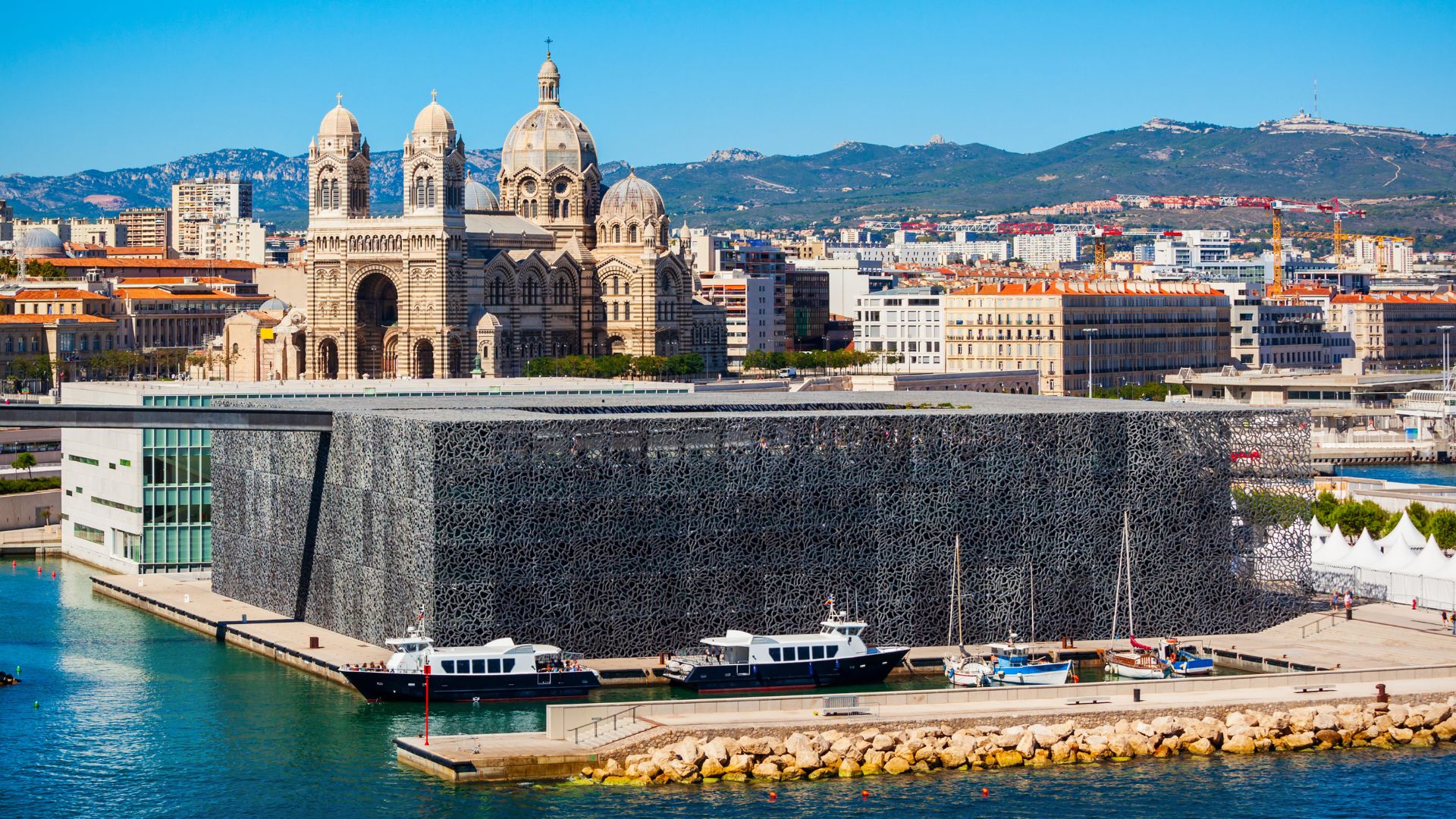
The Museum of European and Mediterranean Civilisations — MuCEM — changed Marseille’s skyline and self-image when it opened in 2013. Rudy Ricciotti’s building, clad in a concrete lattice that mimics the texture of coral and casts ever-shifting shadows on the galleries within, announced that France’s oldest city had ambitions beyond its gritty reputation. Today, a decade on, the museum has become what its creators hoped: a cultural landmark that draws visitors from across Europe and anchors Marseille’s claim to Mediterranean centrality.
The permanent collection traces the cultures of the Mediterranean from prehistory to the present, with particular strength in the agricultural and maritime traditions that united the inland sea’s diverse shores. Roman amphorae sit alongside Andalusian olive presses and Tunisian fishing nets; the story told is one of exchange and adaptation rather than national boundaries. Temporary exhibitions — on topics ranging from Algerian emigration to Islamic art to the history of the siesta — extend the dialogue into contested contemporary territory.
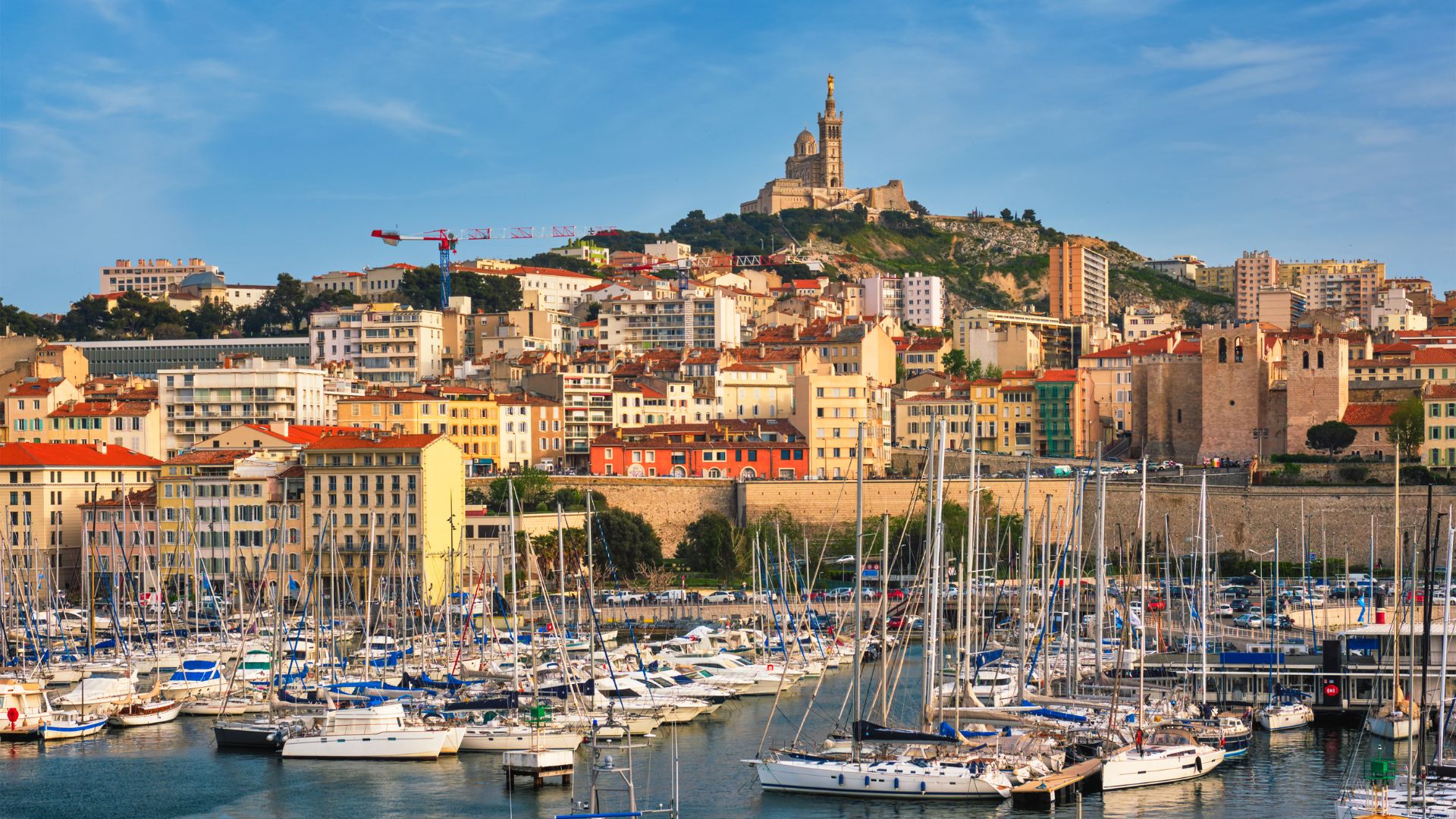
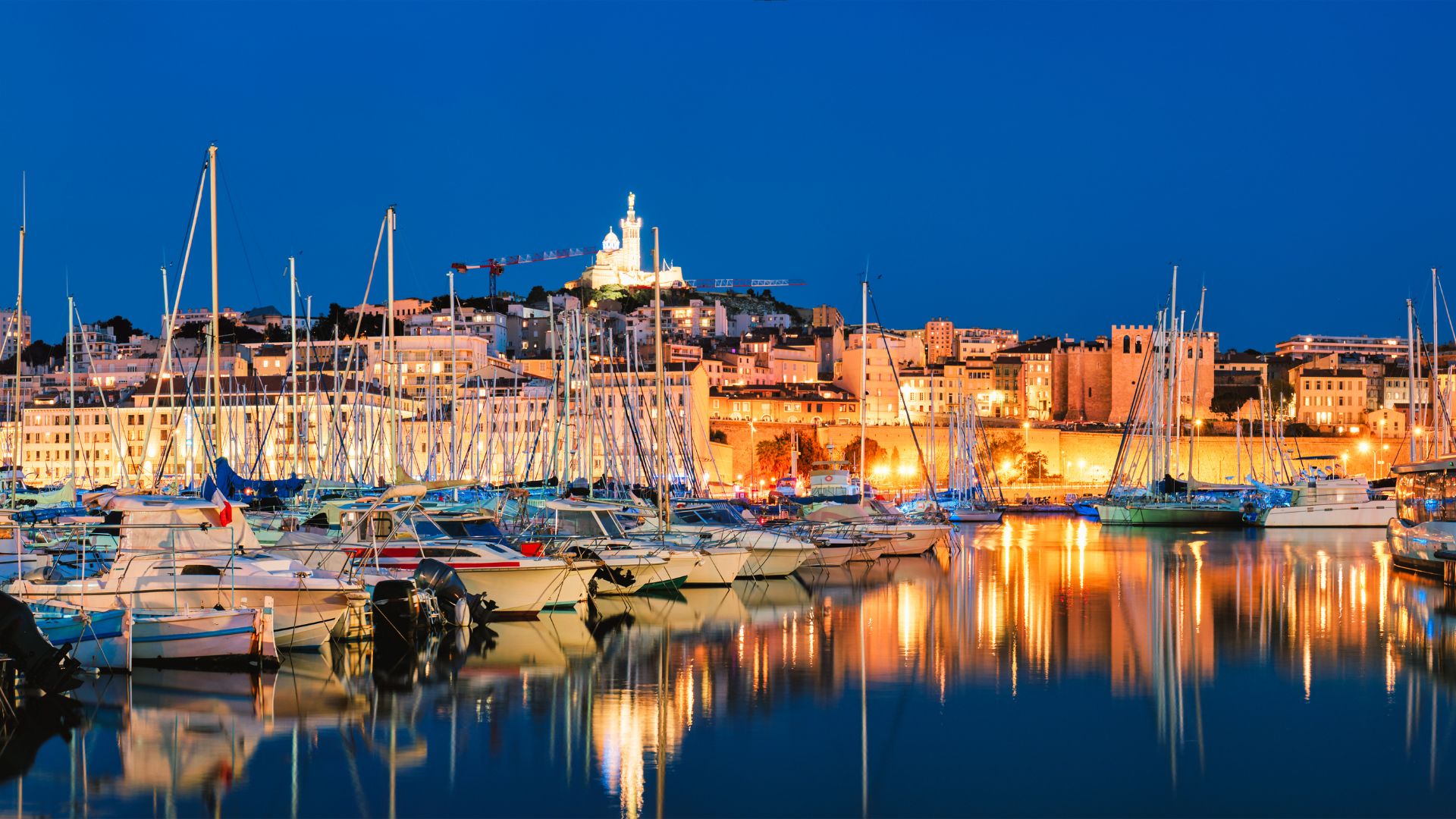
But the building itself is the museum’s greatest exhibit. The latticed concrete shell, which Ricciotti has described as ‘a veil, a casbah, a shelter,’ filters the Provençal sun into patterns that shift with the hours and seasons. The rooftop terrace offers views across the Vieux-Port to the basilica of Notre-Dame de la Garde; the footbridge that connects the museum to Fort Saint-Jean invites strollers to cross between new and ancient with every step. Architecture critics debated the building’s merits; the public rendered its verdict by showing up in millions.
Marseille has not solved all its problems — inequality persists, the drug trade flourishes, integration remains fraught — but MuCEM has given the city a space where its complex identity can be examined and celebrated. The terrace restaurant, with its views and its bouillabaisse, draws everyone from art tourists to local families celebrating communions. On summer evenings, when the Mediterranean turns from blue to gold to purple, the building becomes a gathering place, a commons, a statement that culture belongs to everyone who claims it.