
Manchester: The City That Invented Modern
Manchester doesn’t wait for permission.
This is the city that invented the Industrial Revolution, the city where Marx wrote about capitalism while watching it consume everything, the city that gave the world The Smiths and Oasis and Joy Division and the Hallé Orchestra and Alan Turing and Emmeline Pankhurst. When something needs to change in Britain, it usually changes in Manchester first.
Come expecting a northern version of London. Leave realising that London might be a southern version of Manchester.
The Architecture That Tells the Story
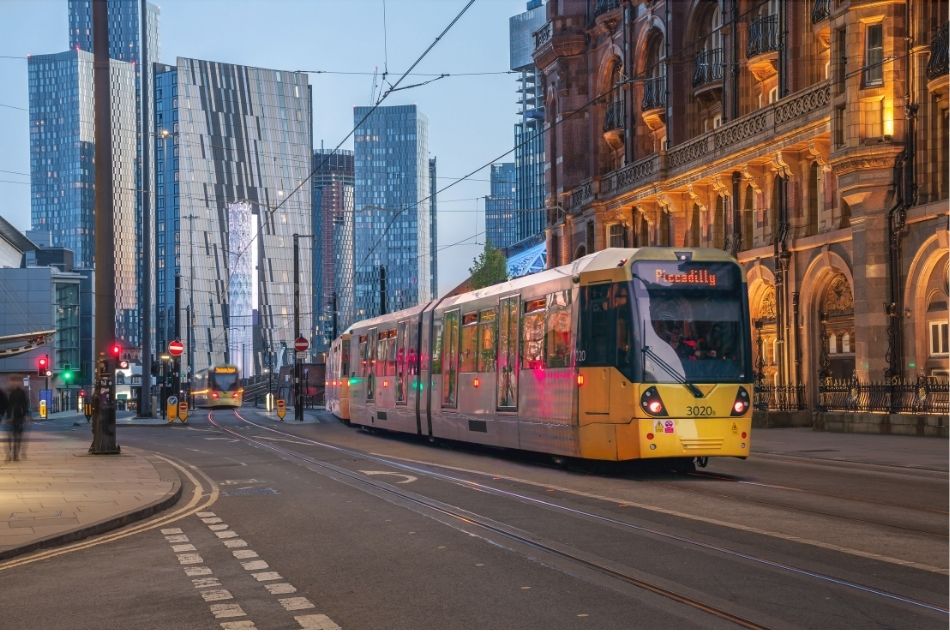
Start in the Northern Quarter. Not because it’s the obvious choice—it is—but because walking through these streets of Victorian warehouses, converted mills, and red brick buildings that have been everything from cotton stores to music venues, you understand what Manchester fundamentally is: a city that repurposes rather than demolishes.
These buildings housed the cotton trade that clothed the world. By the 1980s, they were abandoned, crumbling, worthless. Now they’re bars, galleries, recording studios, apartments. Afflecks Palace—four floors of independent stalls selling everything from vintage clothes to obscure vinyl—has been here since 1982. It’s chaos. It’s wonderful. It’s Manchester refusing to be sanitised.
The Town Hall in Albert Square is what happens when Victorians decide to show off. Gothic Revival, 280 feet tall, built between 1868 and 1877 with money that cotton made. The murals inside by Ford Madox Brown took twelve years to complete. It’s currently closed for restoration—a fourteen-year project—but the exterior alone is worth the walk. This is a city that built cathedrals to commerce.
John Rylands Library on Deansgate is the plot twist. A Victorian Gothic fantasy that looks like it belongs in Hogwarts, built by a widow as a memorial to her husband, containing one of the finest collections of rare books and manuscripts in the world. The Gutenberg Bible is here. The St John Fragment—the earliest known piece of the New Testament—is here. Entry is free. Manchester just casually has this.
Music That Changed Everything
Manchester’s music legacy is almost absurd in its density.
The Haçienda opened in 1982, funded by Factory Records and New Order, and accidentally invented British club culture. Acid house found its home here. The Madchester scene—Happy Mondays, Stone Roses, Inspiral Carpets—emerged from these nights. The club closed in 1997 and became apartments, because Manchester, but the influence echoes through every British club that followed.
Joy Division formed here. Ian Curtis walked these streets before he became a myth. New Order rose from the aftermath. The Smiths made Salford and Stretford sound poetic. Morrissey and Marr met here in 1982 and the British indie scene has been recovering ever since.
Oasis played their first gig at the Boardwalk in 1991. By 1996, they were playing to 250,000 people at Knebworth. The Maine Road poster still hangs in a thousand Manchester bedrooms. The Gallagher brothers’ endless feud is basically a city soap opera at this point.
Today? Band on the Wall has been hosting live music since 1975 and never stopped. The Albert Hall—a converted chapel—does gigs beneath Methodist stonework. Gorilla, YES, Deaf Institute, Night & Day Café—the circuit exists because the city keeps making it exist. Manchester expects live music. Any night, any week, there’s something worth hearing.
Football: The Theatre of Dreams and The Theatre of Reality
Old Trafford is five minutes from the city centre, unless it’s match day, when it’s a pilgrimage through 74,000 people in various shades of red.
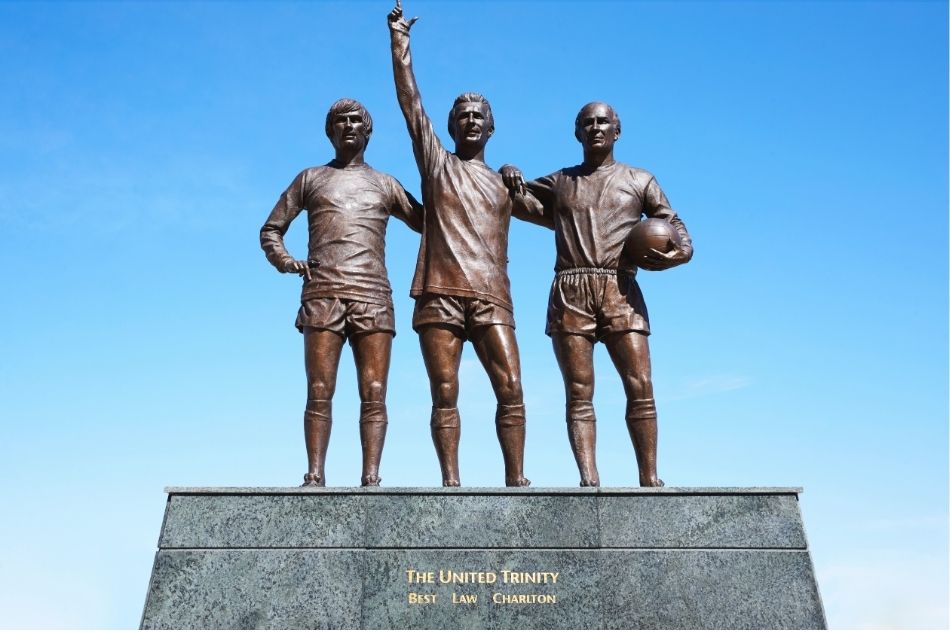
Manchester United is the most supported club in Britain, possibly the world, definitely on social media. The history is staggering: the Busby Babes, the Munich air disaster, the Trinity of Best, Law, and Charlton, the Treble in 1999, the Fergie years. The museum is genuinely moving even if you don’t care about football. The stadium tour takes you through the tunnel where Ronaldo and Beckham and Cantona walked. For believers, it’s sacred ground.
Manchester City, meanwhile, spent decades in United’s shadow—playing in Maine Road, bouncing between divisions, being the club that locals supported when they were tired of glory hunters. Then Abu Dhabi happened. The Etihad Campus happened. Six Premier League titles in seven seasons happened. The rivalry now is financial as much as sporting, and the arguments about legitimacy will outlast everyone currently having them.
Don’t ask Mancunians about ‘the Manchester derby.’ They’ve been arguing since 1881 and they’re not going to stop for tourists.
The Gay Village That Changed Britain
Canal Street didn’t just provide a safe space for LGBT+ Mancunians. It changed British attitudes.
Queer as Folk, Russell T Davies’s groundbreaking 1999 drama, was set here and filmed here. It showed gay life—actual gay life, not sanitised or tragic or apologetic—to a mainstream British audience for the first time. The Village had existed since the 1980s, but that show made it national.
Manchester Pride, every August Bank Holiday, takes over the city with a parade that draws hundreds of thousands. The superclub nights at places like Via and Revenge. The bars that line the canal. The saunas that don’t pretend to be spas. This is a community that built its own space when society wouldn’t provide one, and now that space is part of Manchester’s identity.
Alan Turing lived here, worked at the university, was prosecuted here, died here. In 2012, they put his statue in Sackville Gardens, in the heart of the Gay Village, with an apple in his hand. The memorial feels like an apology and a statement simultaneously. Manchester remembers what it owes.
Food That’s Finally Getting Its Due
Manchester’s food scene was a punchline until it wasn’t. Now it’s one of the best in Britain.
Mana holds a Michelin star in Ancoats—a tasting menu restaurant doing Nordic-influenced cooking that would be celebrated in Copenhagen or New York. The Refuge does all-day dining in a Grade II listed former cotton traders’ headquarters. Hawksmoor brought its steakhouse empire here because Manchester’s appetite for good meat finally matched its reputation.
MACKIE Mayor, in a converted fish market, is the food hall done right—not chains pretending to be artisan, but actual independents under one roof. Altrincham Market pioneered this model and remains worth the tram ride. The Arndale Market has been selling to Mancunians since 1972, and the prices prove that good food doesn’t require pretension.
Curry Mile in Rusholme is what happens when a street commits to one cuisine and doesn’t apologise. Not all of it is excellent, but the best of it—Al-Faisal, Mughli, This and That—is properly good. The late-night kebabs after club nights are a Manchester institution that no amount of regeneration will gentrify away.
Why Manchester Actually Matters
Manchester matters because it keeps doing things first.
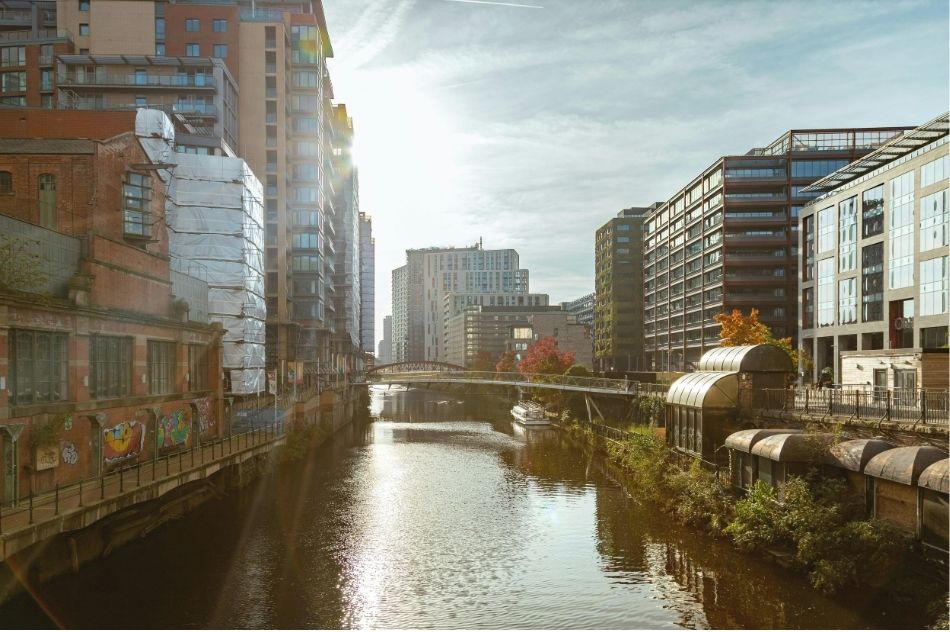
The Industrial Revolution started here—the cotton mills that changed the world stood along these canals. The suffragette movement was born here—Emmeline Pankhurst’s house on Nelson Street is now a museum. The computer age began here—the first stored-program computer ran at the university in 1948. The split atom was first observed here. The first test-tube baby was conceived here.
There’s something in Manchester’s DNA that doesn’t wait for approval. The music scenes, the political movements, the scientific breakthroughs—they happen here because the city expects them to happen. It’s not arrogance. It’s confidence. The two are different.
The Arena bombing in 2017 tested that confidence. Twenty-two people died at an Ariana Grande concert. The city’s response—the vigils, the solidarity, the ‘Manchester Bee’ symbols everywhere—showed something that statistics can’t capture. This city knows how to hold itself together.
Come for the football or the music or the food. Leave understanding that Manchester isn’t a destination—it’s a demonstration of what cities can be when they stop apologising for their ambition.
That’s Manchester. Invented, destroyed, rebuilt, and still going.
Worth the two-hour train from London? Worth it from anywhere in the world.