
London’s Pubs: The Public Houses That Define British Life
“There is nothing which has yet been contrived by man, by which so much happiness is produced as by a good tavern or inn.”
— Samuel Johnson
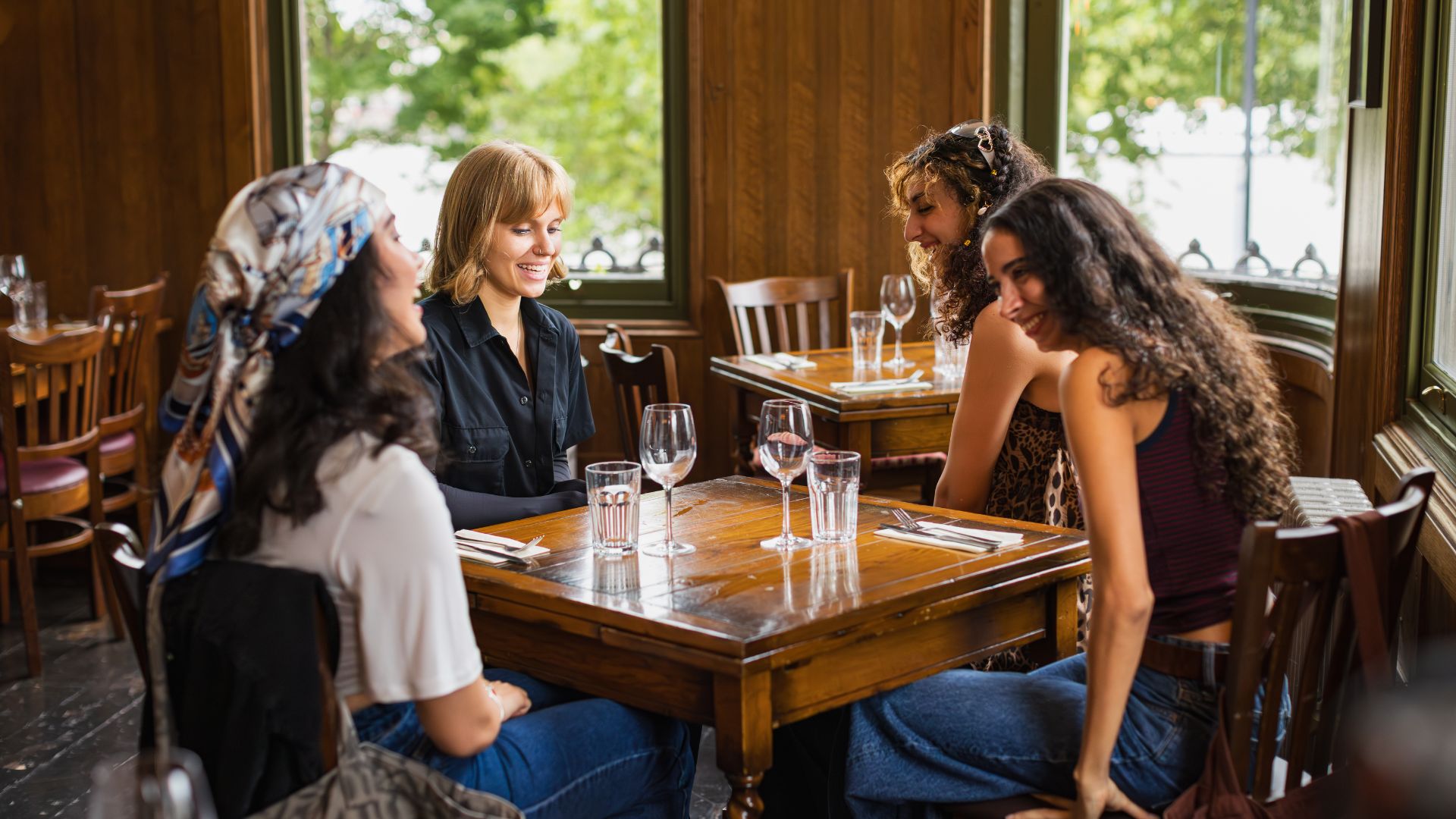
The British pub represents a social institution without precise equivalent elsewhere—not quite bar, not quite café, not quite restaurant, but something distinctively its own. London claims some 3,500 pubs, their numbers declining steadily but their cultural significance undiminished. To understand London, you must understand its pubs: those wood-panelled rooms where classes mixed before mixing became fashionable, where deals were struck and revolutions plotted, where Dickens wrote and Churchill strategised and generations simply gathered for the consolation of company.
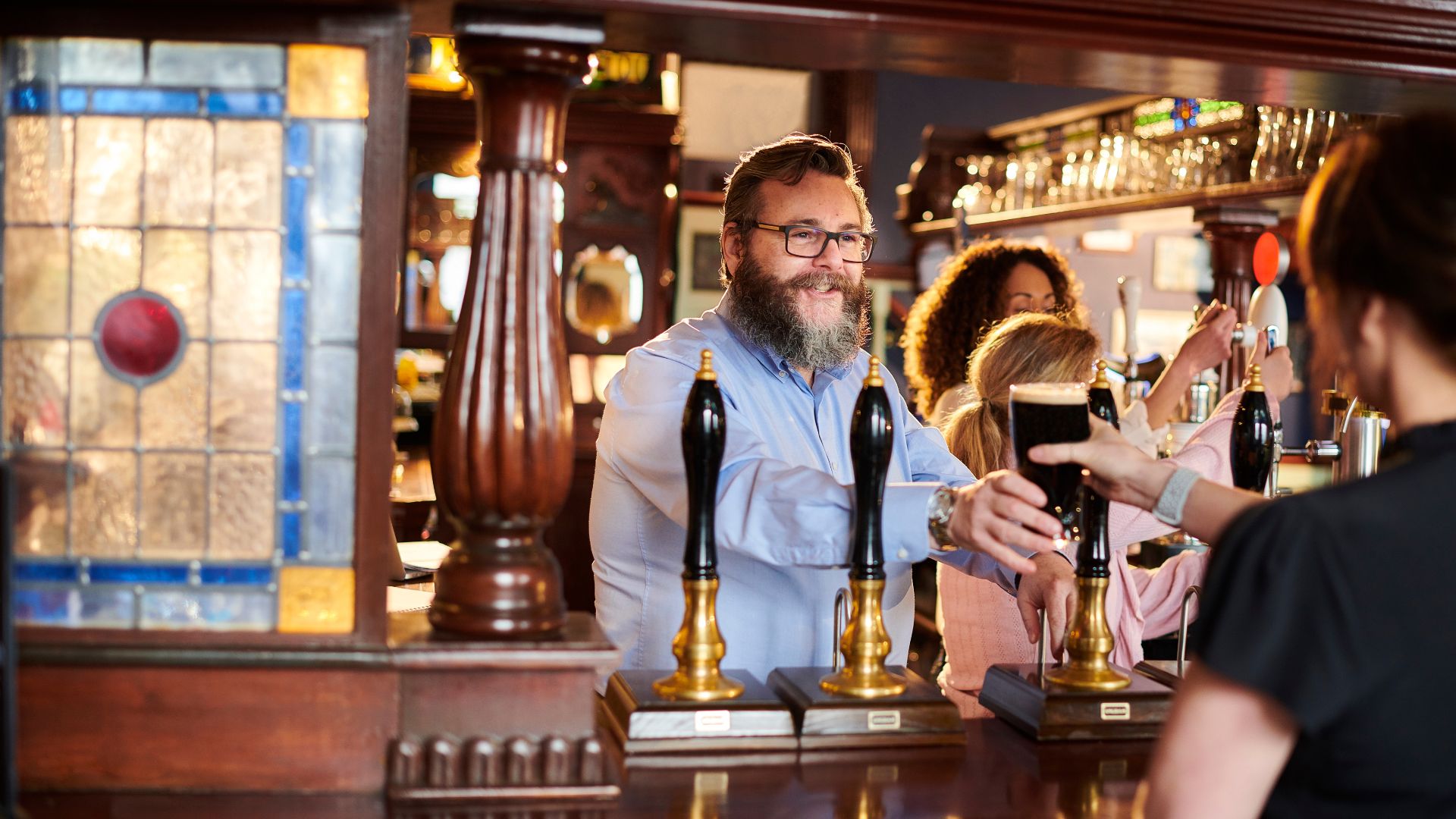
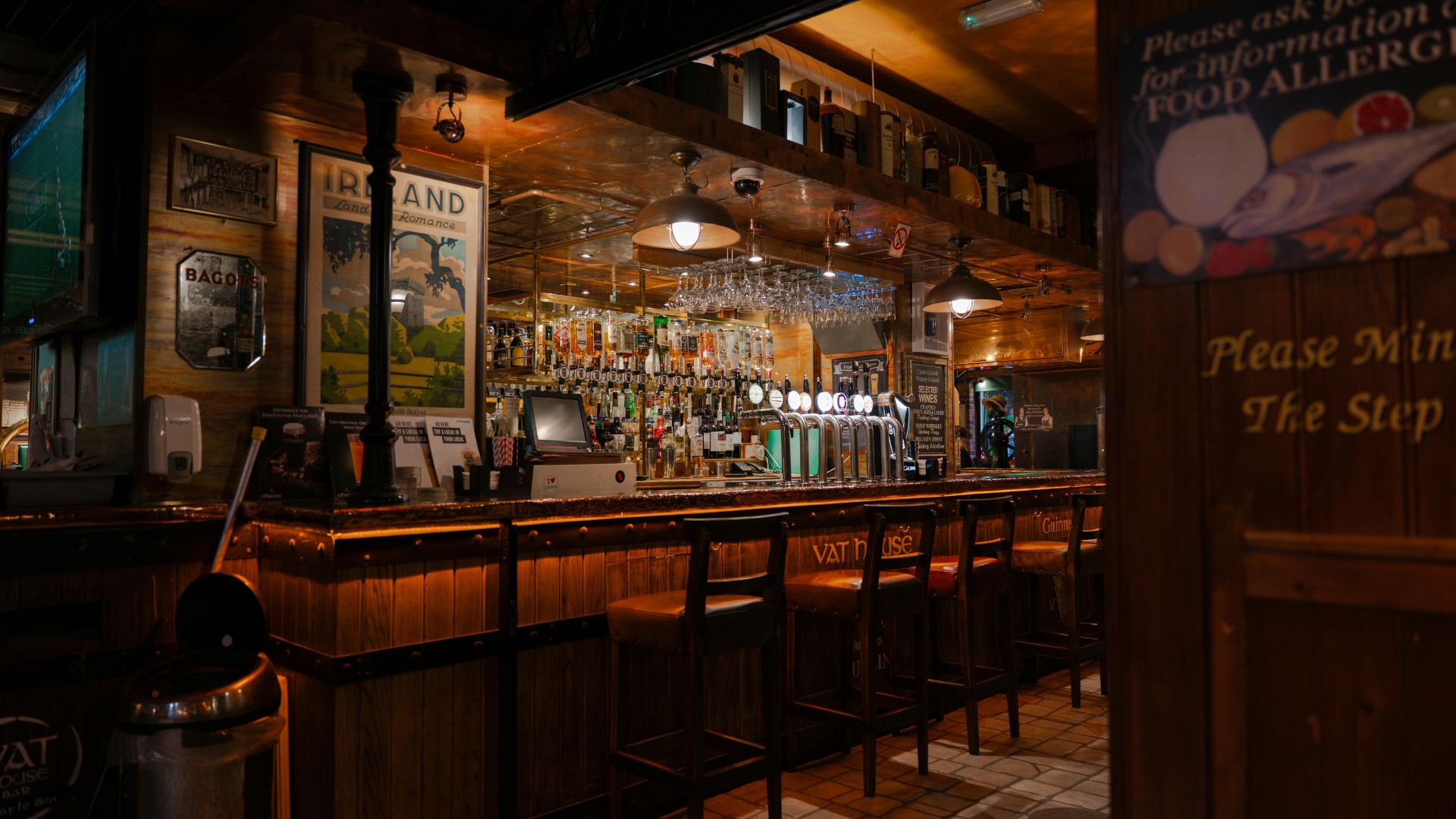
The word ‘pub’ abbreviates ‘public house,’ distinguishing these establishments from the private drinking spaces of the wealthy. The concept dates to Roman tabernae, but the modern pub evolved in the Victorian era, when elaborate gin palaces and ornate ale houses competed for custom. Many of London’s finest pubs retain their Victorian fittings: etched glass, carved mahogany, brass rails, ceramic tiles that would now cost fortunes to replicate. These interiors are protected; they cannot legally be altered without permission.
The Historic Inns
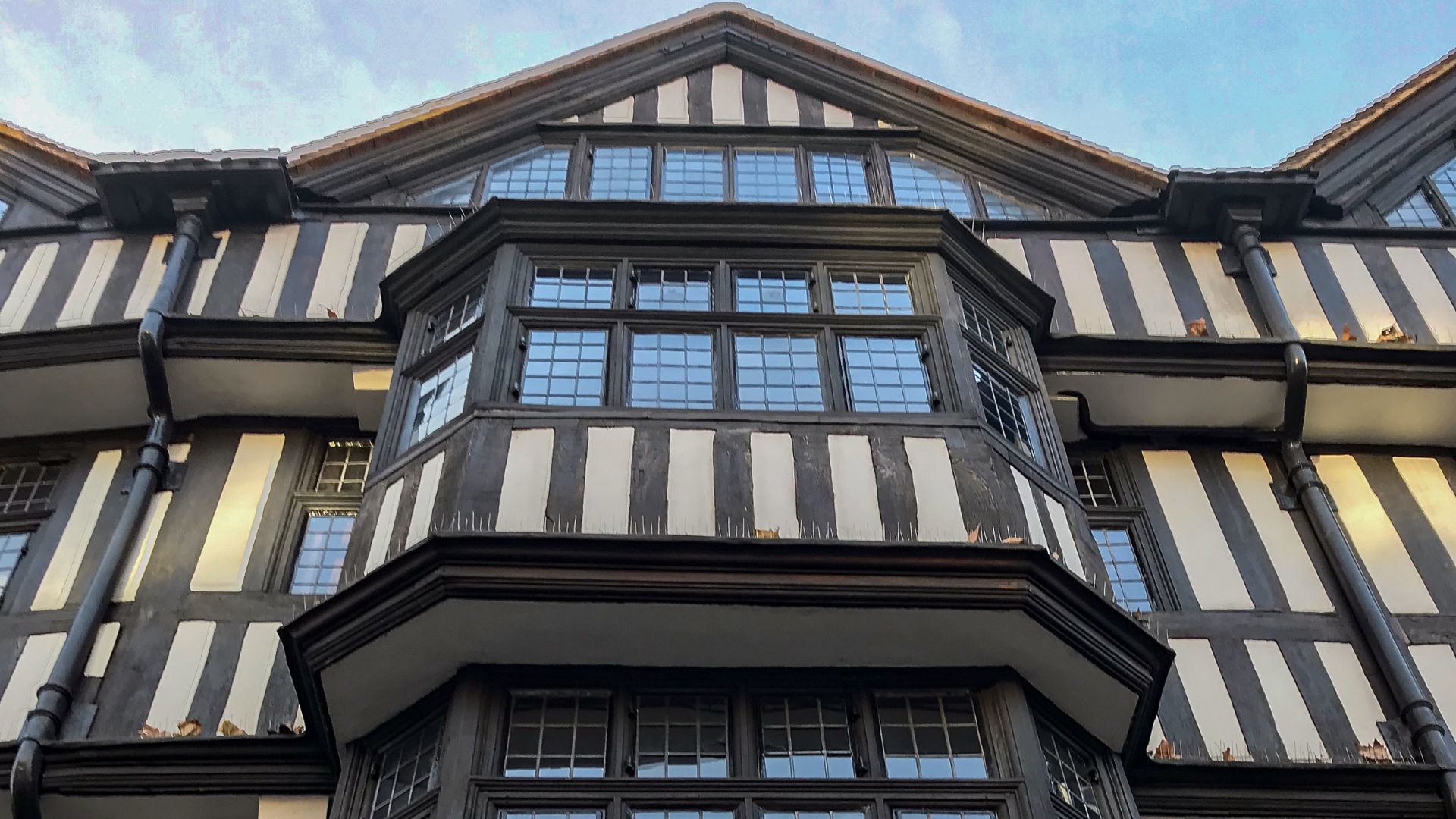
The Ye Olde Cheshire Cheese on Fleet Street claims connections to Samuel Johnson, Dickens, Conan Doyle, and Yeats—though its cellars, dating to the 13th century, predate all of them. The George Inn in Southwark, London’s last remaining galleried coaching inn, provided the model for Mr Pickwick’s travels. The Lamb and Flag in Covent Garden saw Dryden nearly beaten to death in 1679; the Black Friar, with its Arts and Crafts interior depicting jolly monks, represents Victorian pub design at its most exuberant.
Each historic pub carries stories beyond its fabric. The Ten Bells in Spitalfields numbered Jack the Ripper’s victims among its clientele. The Blind Beggar in Mile End saw Ronnie Kray shoot George Cornell in 1966. The Dog and Duck in Soho served Orwell, who found it ‘an unspoilt and cosy little place’; Dylan Thomas, whose excesses were less cosy; and Madonna, whose 2016 visit suggested changing clientele.
“A good local pub has much in common with a church, except that a pub is warmer, and there’s more conversation.”
— William Blake, attributed
Real Ale Revival
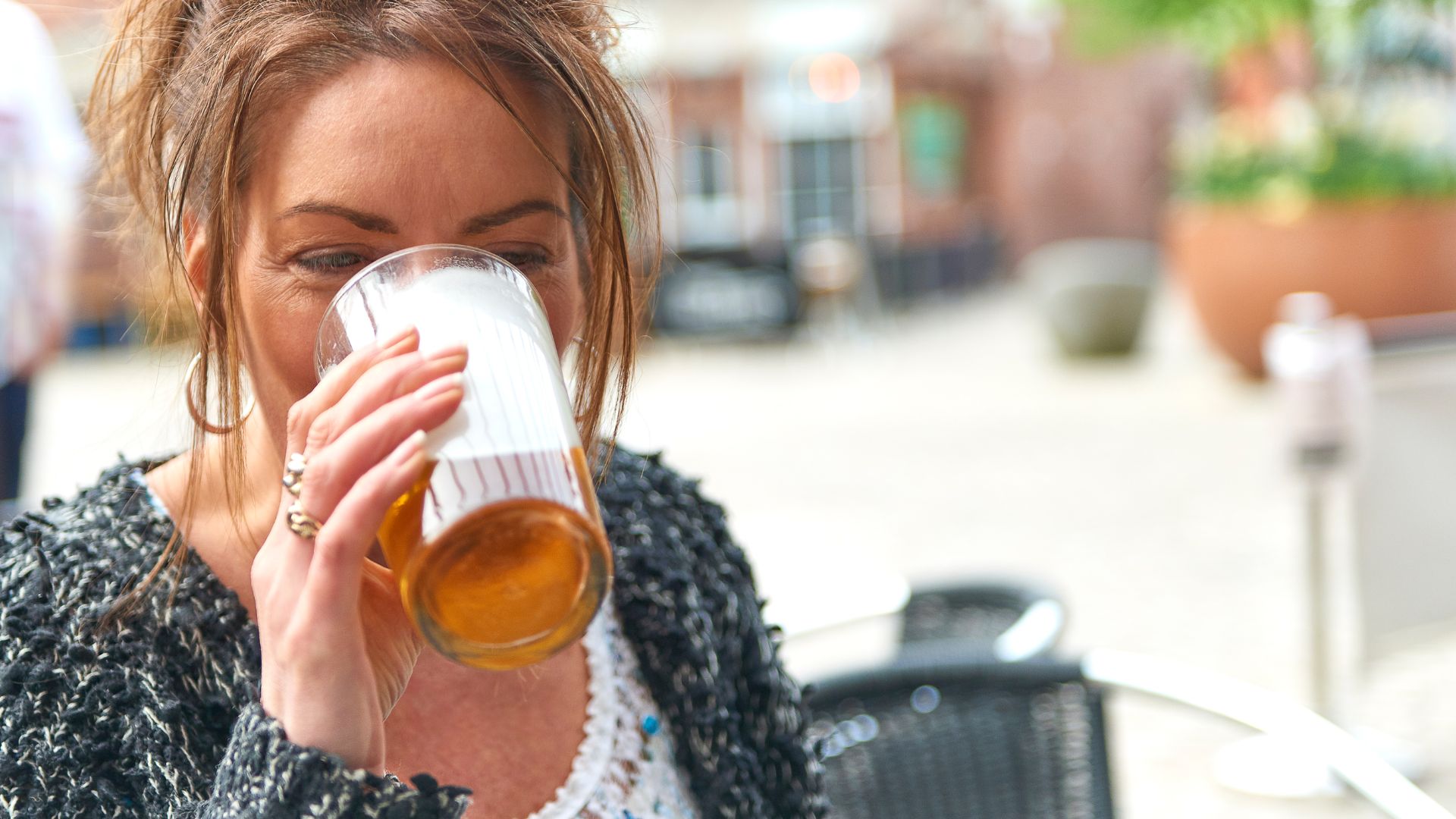
The Campaign for Real Ale (CAMRA), founded in 1971 to resist the tide of bland, pressurised keg beer, has succeeded beyond its founders’ imaginings. London now supports hundreds of pubs serving cask-conditioned ales—living beers that continue fermenting in the cellar and are served without additional gas pressure. Fuller’s, Young’s, Shepherd Neame: the traditional breweries remain, but they’re now joined by dozens of craft operations producing everything from session bitters to imperial stouts.
The craft beer movement, imported from America in the 2010s, transformed London’s drinking options. The Kernel, Beavertown, Pressure Drop, Five Points—breweries proliferated in railway arches and industrial estates, their beers reaching pubs that once served only mainstream lagers. Tap rooms attached to breweries have become destinations in themselves. The intersection of real ale tradition and craft innovation has made London one of the world’s great beer cities.
The Gastropub
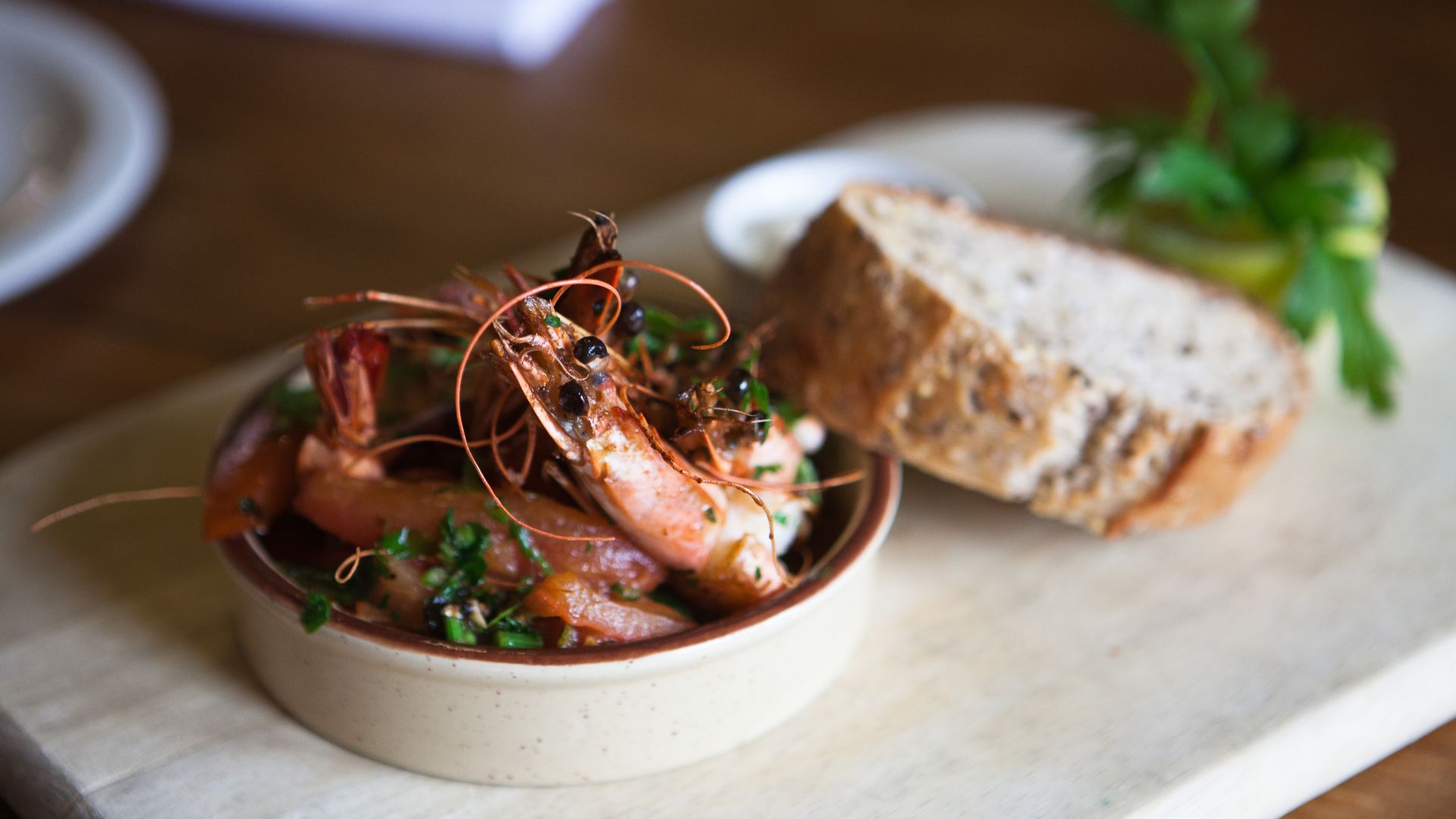
The gastropub—a pub serving restaurant-quality food—represents London’s contribution to contemporary drinking culture. The Eagle in Clerkenwell, opened in 1991, usually receives credit for the innovation; the concept spread rapidly, challenging the assumption that pub food meant microwaved lasagne and questionable pies. Today, some of London’s most celebrated restaurants operate in pub buildings: The Harwood Arms in Fulham, The Anchor & Hope in Waterloo, The Marksman in Hackney.
The gastropub has attracted criticism as well as praise—accusations that food focus compromises drinking culture, that prices exclude traditional clientele, that the whole thing represents middle-class appropriation. The criticism carries some validity; not every converted pub has maintained the informal welcome that defines the institution. The best gastropubs, however, balance both functions: excellent food, good beer, and atmosphere that remains recognisably pub.
Pub Etiquette
London pubs operate by unwritten rules that visitors should understand. You order and pay at the bar; table service is rare except in gastro contexts. Tipping is unusual in traditional pubs, though offering to ‘buy one for yourself’ represents acknowledgment of good service. Rounds—buying drinks for your group in rotation—remain standard practice; opting out requires explanation. Standing at the bar is perfectly acceptable; occupying tables when not eating may attract disapproval during busy periods.
The pub quiz, that peculiarly British institution, takes place weekly in hundreds of London establishments—teams competing over general knowledge, usually on quiet midweek evenings. Arrival before quiz time is advisable; popular venues fill quickly. No particular expertise is required; enthusiasm and willingness to be humiliated cover most requirements.
Find a pub that suits you—for architecture, for beer selection, for company, for atmosphere—and it becomes something like home. London offers thousands of candidates. The search constitutes its own pleasure.