
London’s Museums: Where the World Comes to Remember Itself
“A museum is a place where nothing was ever lost, only forgotten and found again.”
— Adapted from a museum curator
London’s museums hold the world in trust. The British Museum contains human civilisation’s greatest hits: the Rosetta Stone, the Elgin Marbles, Egyptian mummies, Assyrian lions. The Victoria and Albert displays decorative arts from every culture and century. The Natural History Museum presents the planet’s biodiversity beneath Gothic arches designed for dinosaurs. And here is the remarkable thing: entry to all of these, and dozens more besides, costs nothing. London offers arguably the finest free museum experience on Earth.
The tradition of free access dates to 1753, when the British Museum became the world’s first national public museum, charged with being ‘for all curious and studious persons.’ That democratic impulse—radical for its time—persists today despite periodic governmental pressure to charge admission. London’s great museums have resisted, arguing that universal access represents core mission rather than mere convenience. The crowds suggest the public agrees.
The British Museum
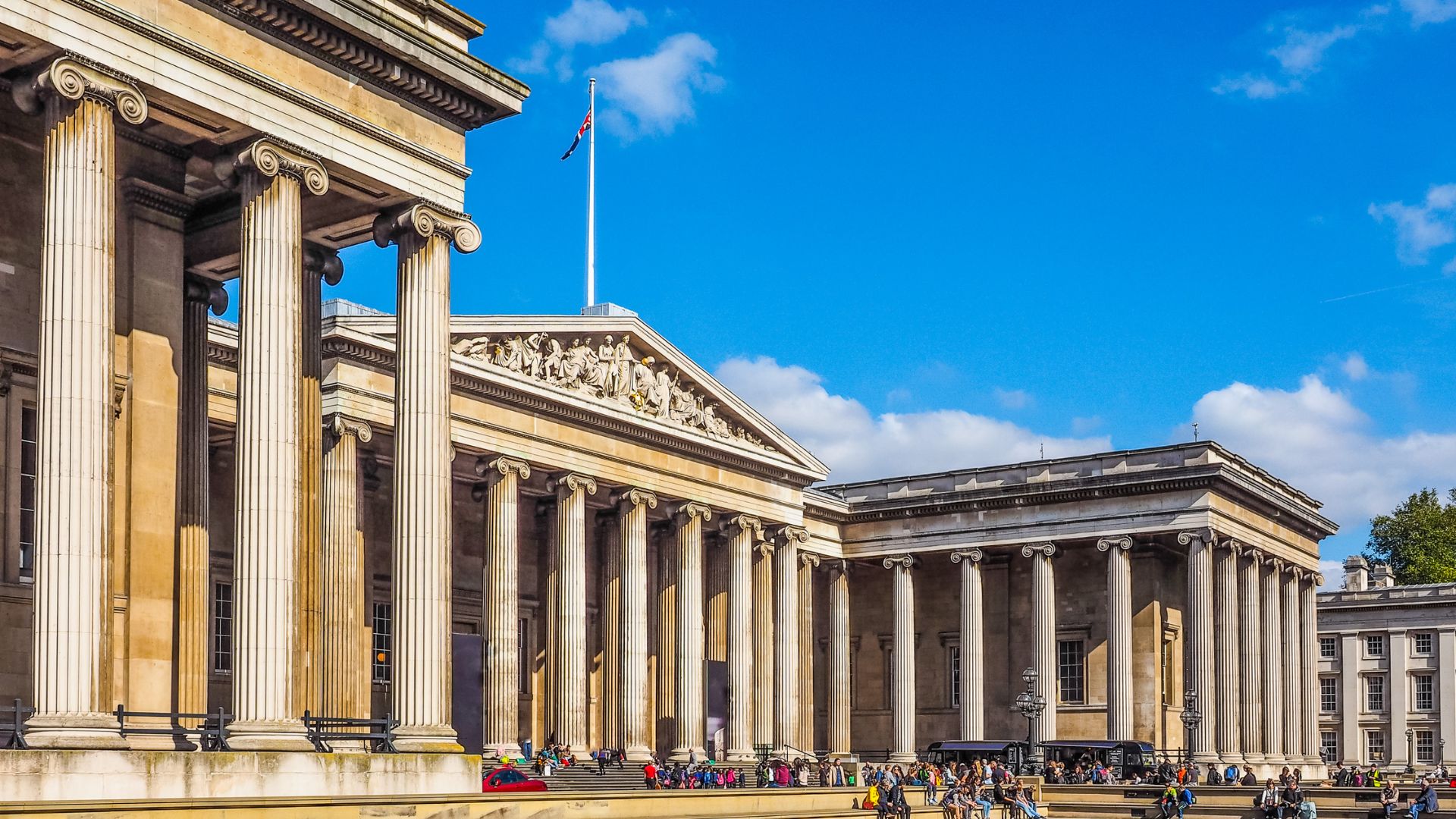
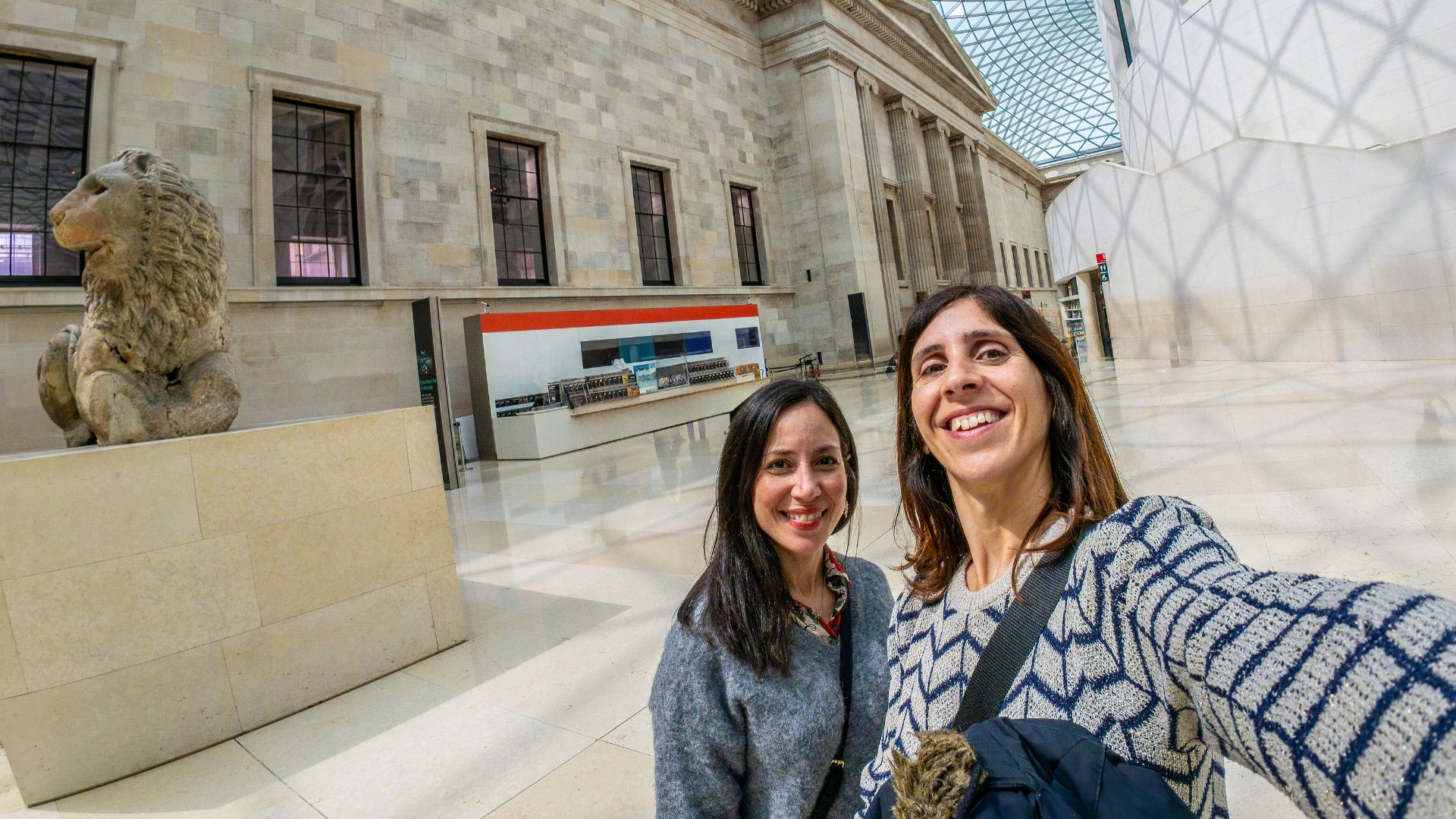
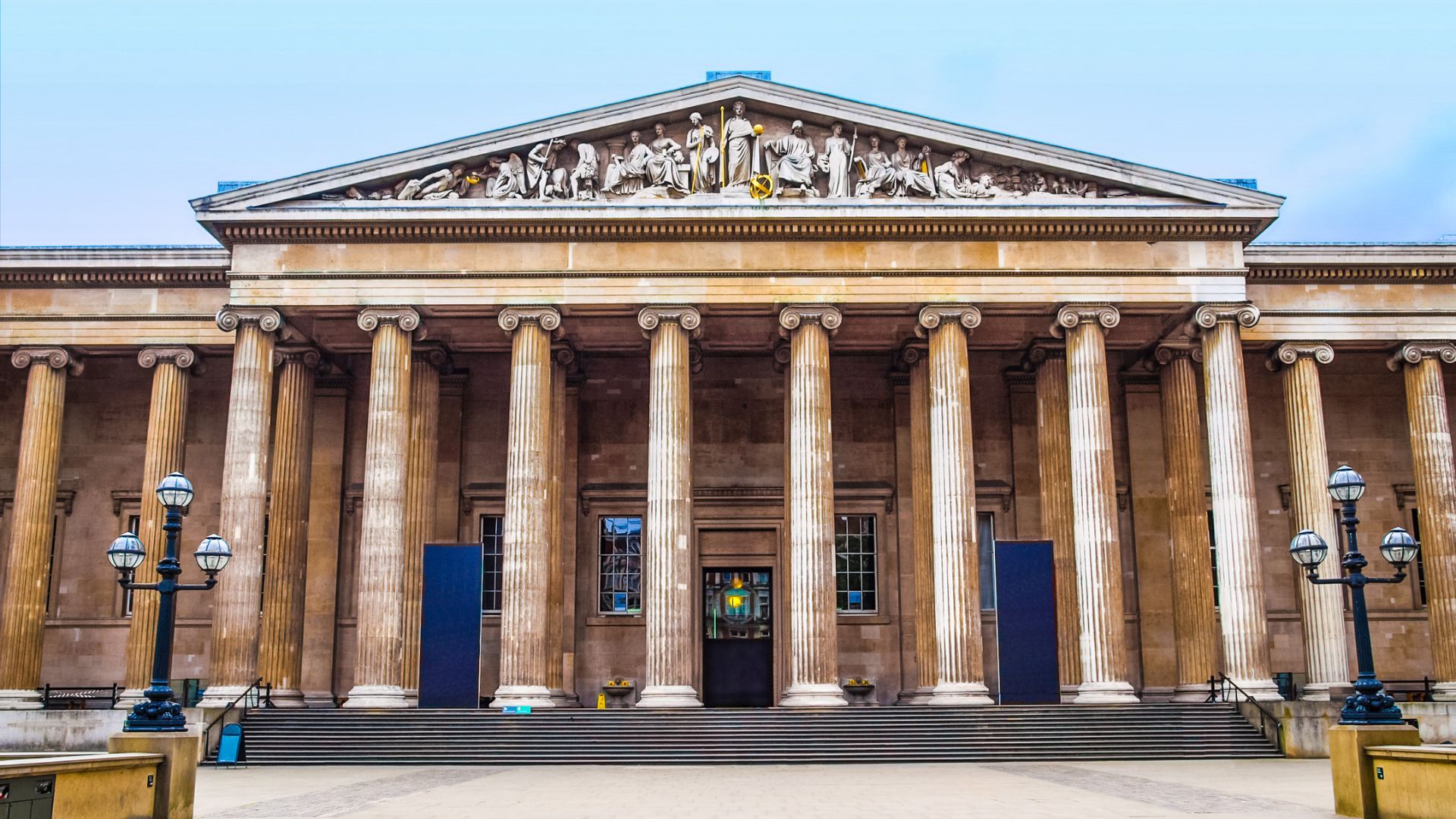
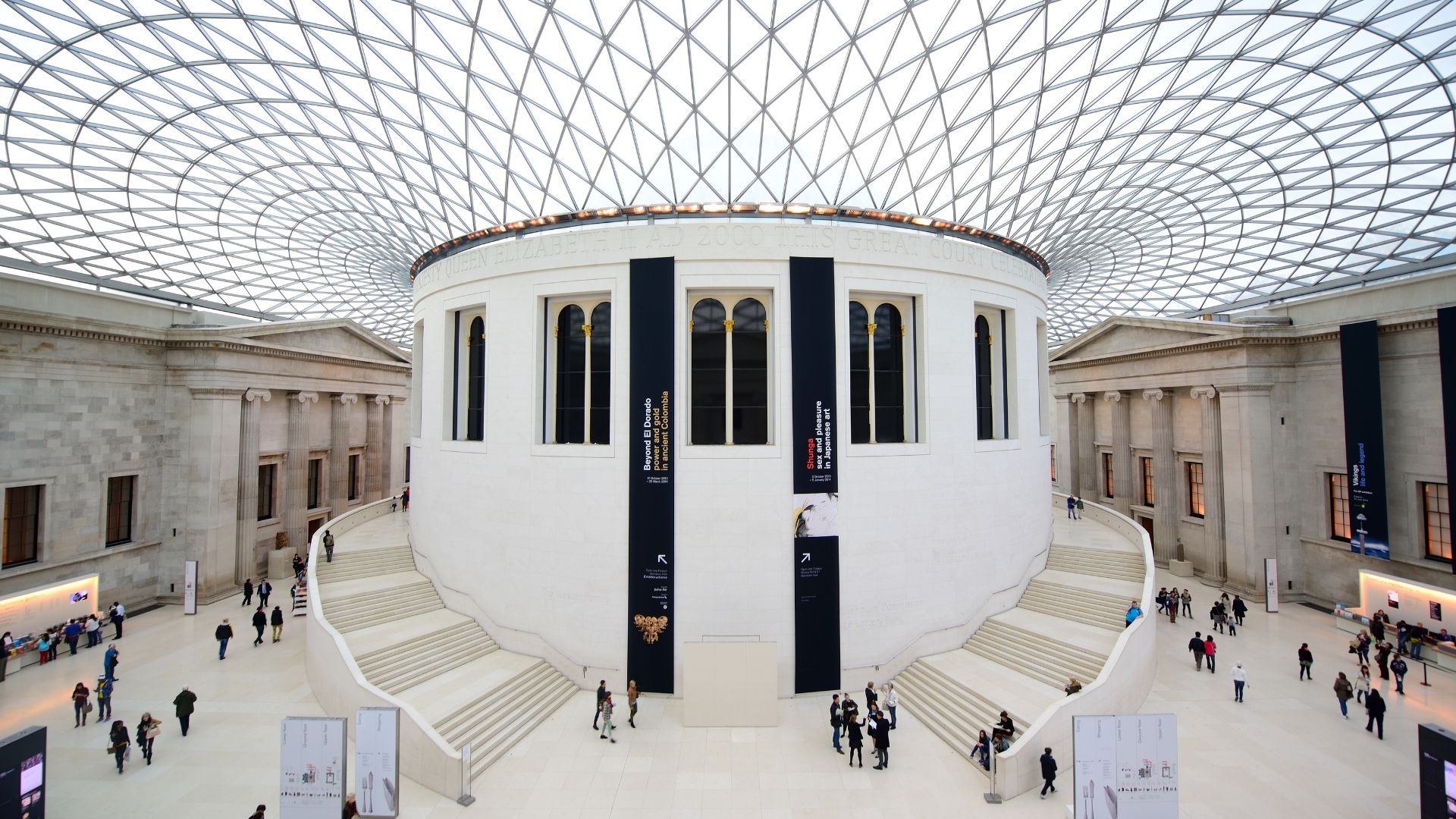
The British Museum intimidates through sheer scale: eight million objects, 80,000 on display, coverage spanning two million years of human history. The Great Court, Norman Foster’s spectacular glass-roofed addition completed in 2000, provides breathing space at the museum’s heart; the Reading Room where Marx researched Capital stands preserved at its centre. Beyond lie galleries that could consume weeks: Egyptian, Greek, Roman, Asian, African, Middle Eastern, British, American—the categories themselves tell imperial history.
The Rosetta Stone, that tablet of granodiorite that unlocked Egyptian hieroglyphs, draws the largest crowds—visitors queue to photograph the object that made ancient Egypt legible to modern eyes. The Elgin Marbles, removed from the Parthenon in the early 19th century, attract both admiration and controversy; Greece continues to seek their return. The Sutton Hoo treasure, the Lewis Chessmen, the Portland Vase—each gallery contains objects that would be any other museum’s centrepiece.
“The British Museum is one of the most extraordinary and most moving places on earth.”
— Neil MacGregor, former director
The Victoria and Albert Museum
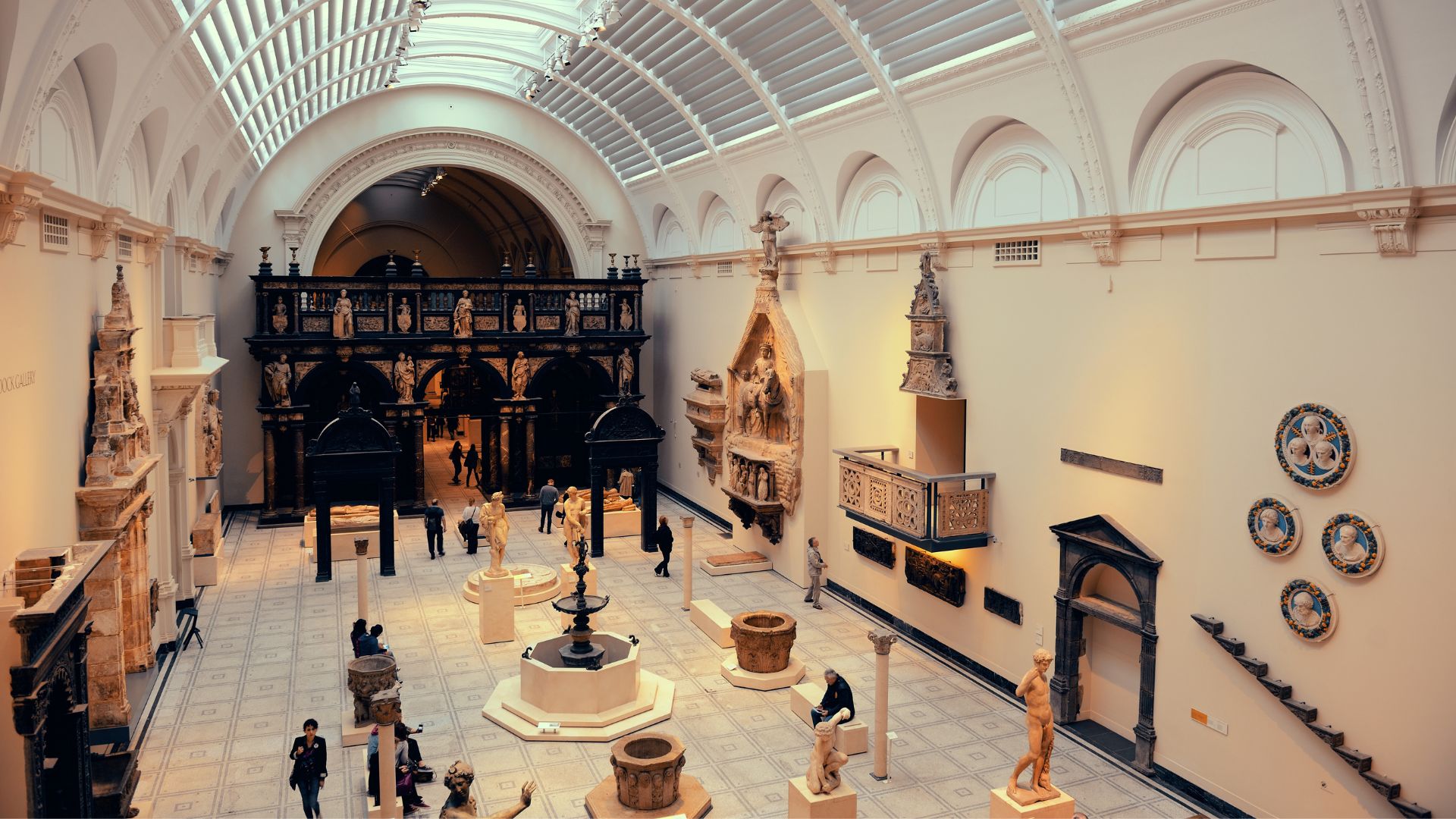
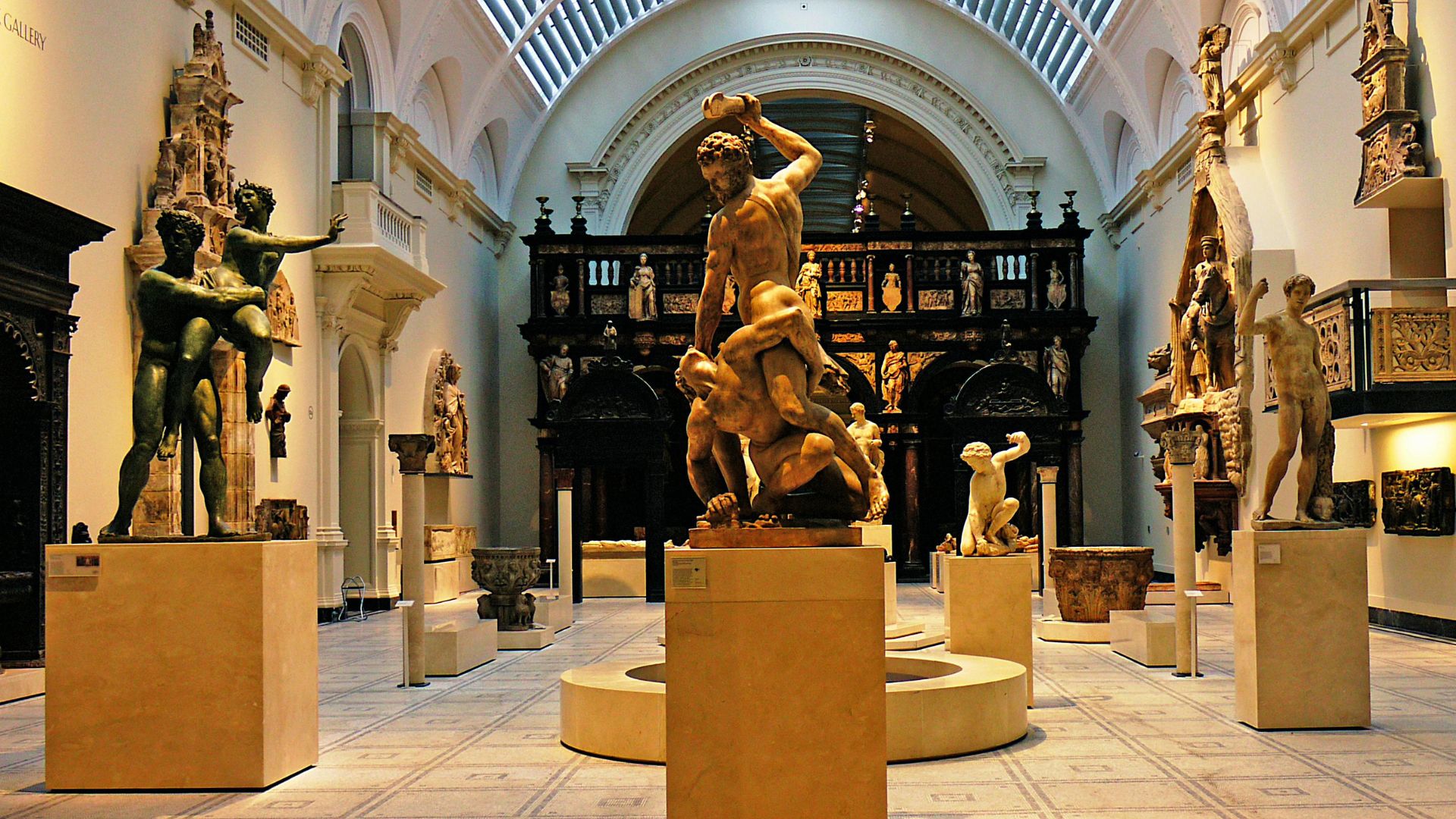
The V&A, as Londoners call it, describes itself as the world’s leading museum of art, design, and performance—a claim that exhaustive collections support. From medieval tapestries to 20th-century fashion, from Raphael cartoons to David Bowie costumes, the museum encompasses human creativity across every medium and era. The Cast Courts, those vast halls housing full-scale plaster copies of architectural and sculptural masterpieces, remain one of London’s most extraordinary spaces.
The building itself rewards exploration. The original Victorian galleries, with their ornate tilework and period display cases, give way to contemporary additions including the Sackler Courtyard’s spectacular porcelain façade. The Cromwell Road entrance presents one London face; the Exhibition Road entrance, opened in 2017, presents another entirely. The V&A sprawls across 12.5 acres, and getting lost is part of the experience.
Natural History Museum
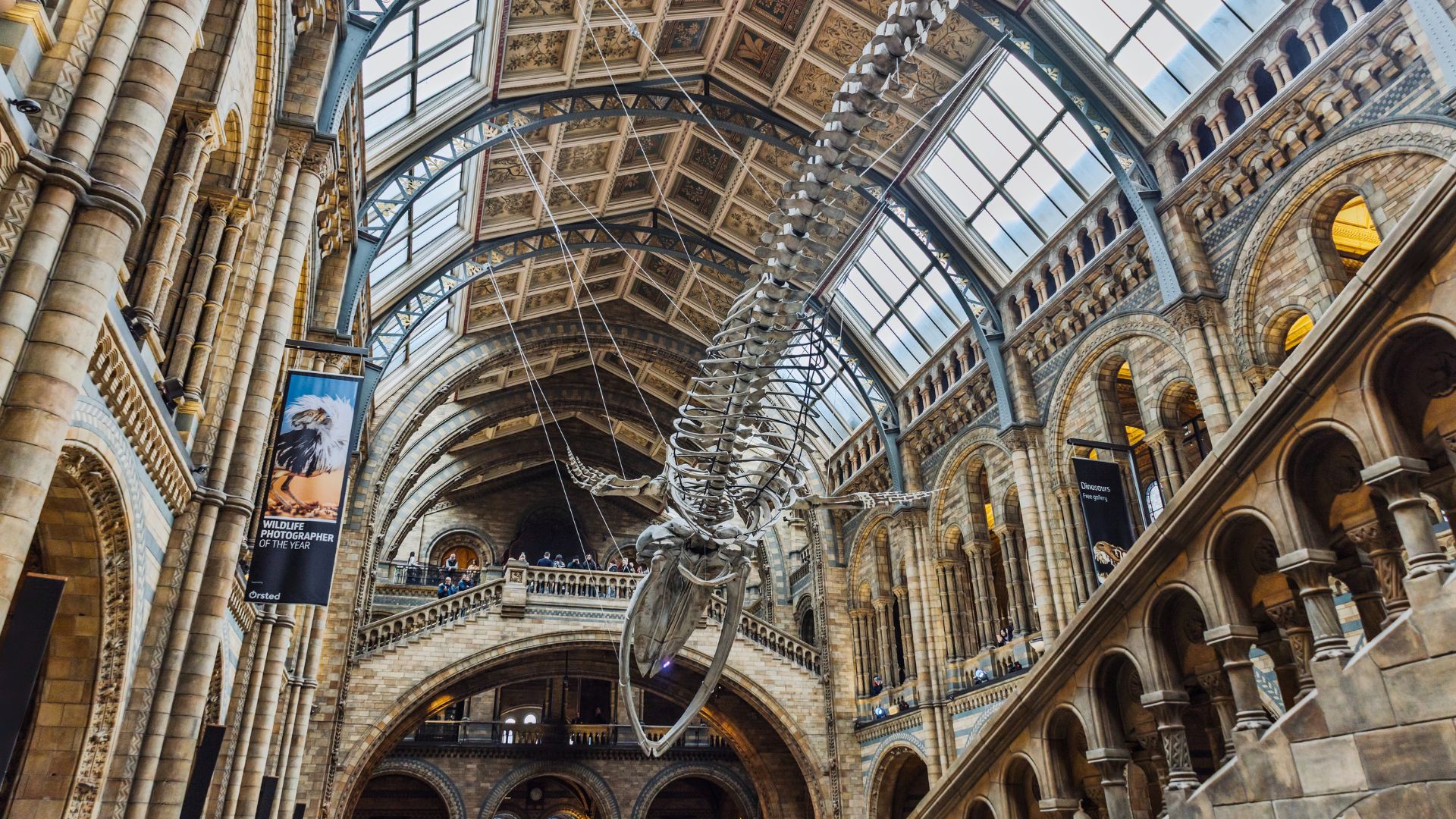
Alfred Waterhouse’s cathedral to nature, opened in 1881, announces its purpose through architecture: terracotta creatures climb the façade, the central hall rises like a nave, and the diplodocus skeleton (now replaced by a blue whale, ‘Hope’) that greets visitors establishes scale immediately. The museum houses 80 million specimens spanning 4.5 billion years; only a fraction can be displayed, but what a fraction.
The dinosaur gallery, inevitably, draws children and adults alike—the animatronic T. rex proving particularly popular despite (or because of) its tendency to roar at visitors. But the museum extends far beyond prehistoric reptiles: the mineralogy gallery, the insect collection, Darwin’s birds, the earthquake simulator. The Wildlife Photographer of the Year exhibition, held annually, demonstrates that natural beauty persists beyond the fossil record.
Tate Modern and Tate Britain
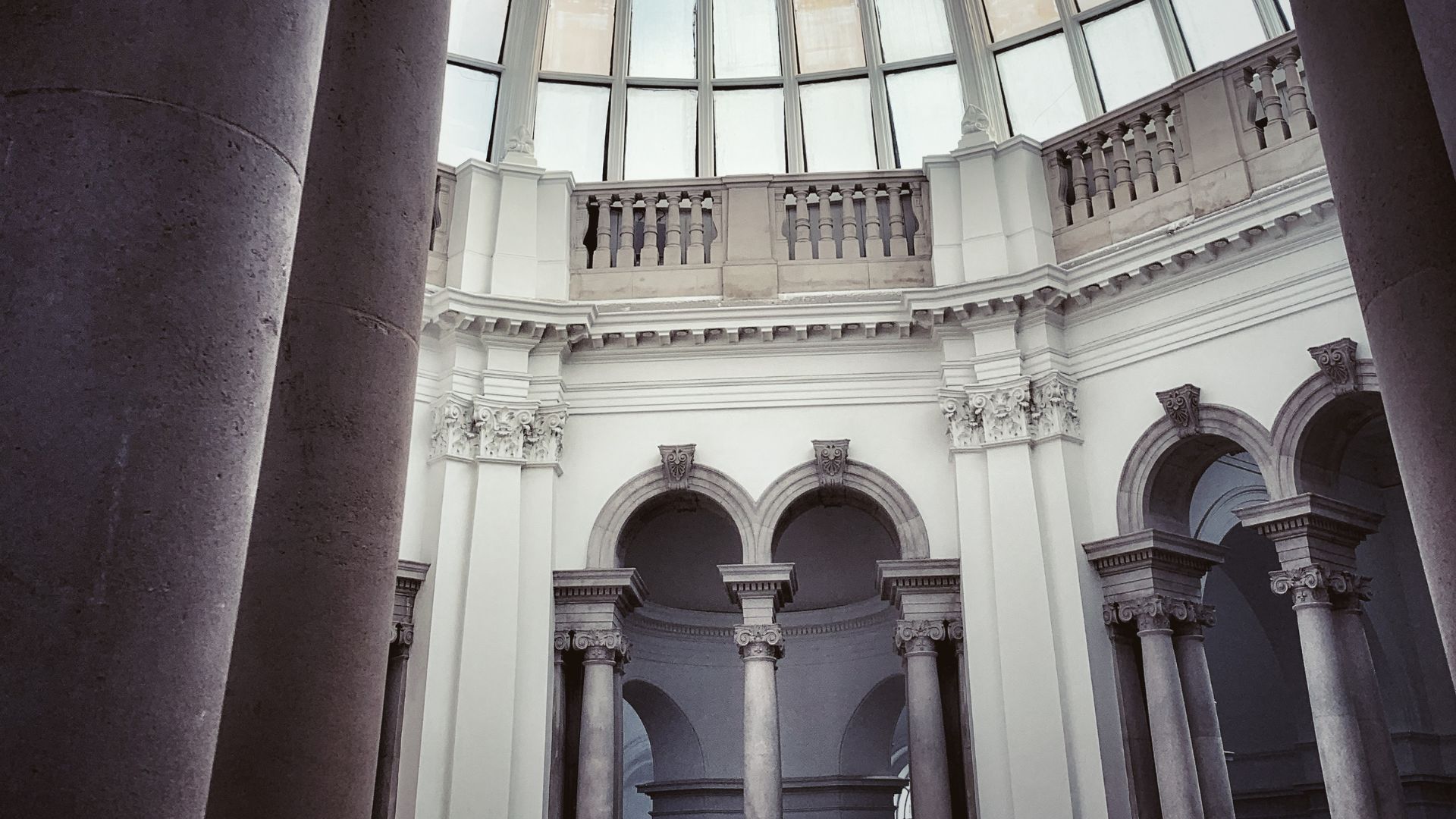
The Tate galleries divide British and international modern art between them. Tate Britain, in Pimlico, houses the national collection of British art from 1500 to the present, including the largest collection of Turner’s work anywhere. Tate Modern, in the converted Bankside Power Station, displays international modern and contemporary art in one of London’s most dramatic architectural transformations.
The Turbine Hall, that vast industrial void at Tate Modern’s heart, hosts annual commissions that have included Olafur Eliasson’s artificial sun, Ai Weiwei’s porcelain seeds, and Carsten Höller’s slides. The Switch House extension, opened in 2016, added galleries and a viewing platform with panoramic Thames views. The river boat between the two Tates makes gallery-hopping pleasurable transport.
Beyond the Giants
London’s smaller museums often provide more intimate experiences than their famous counterparts. Sir John Soane’s Museum, that eccentric architect’s house preserved exactly as he left it, offers candlelit tours that capture Georgian atmosphere. The Wallace Collection presents old master paintings and French furniture in a grand Marylebone townhouse. The Geffrye Museum (now the Museum of the Home) traces domestic life through period rooms. The Imperial War Museum documents conflict with intelligence and restraint.
The Science Museum, the Design Museum, the Museum of London, the Horniman Museum, the Jewish Museum, the Foundling Museum—London supports specialist collections that would anchor any other city’s cultural offering. Free access means exploration carries no financial risk; if a museum doesn’t engage you, simply leave and try another. The only cost is time, and the rewards repay it generously.