
London’s Food Scene: The World on a Plate
“There is no love sincerer than the love of food.”
— George Bernard Shaw
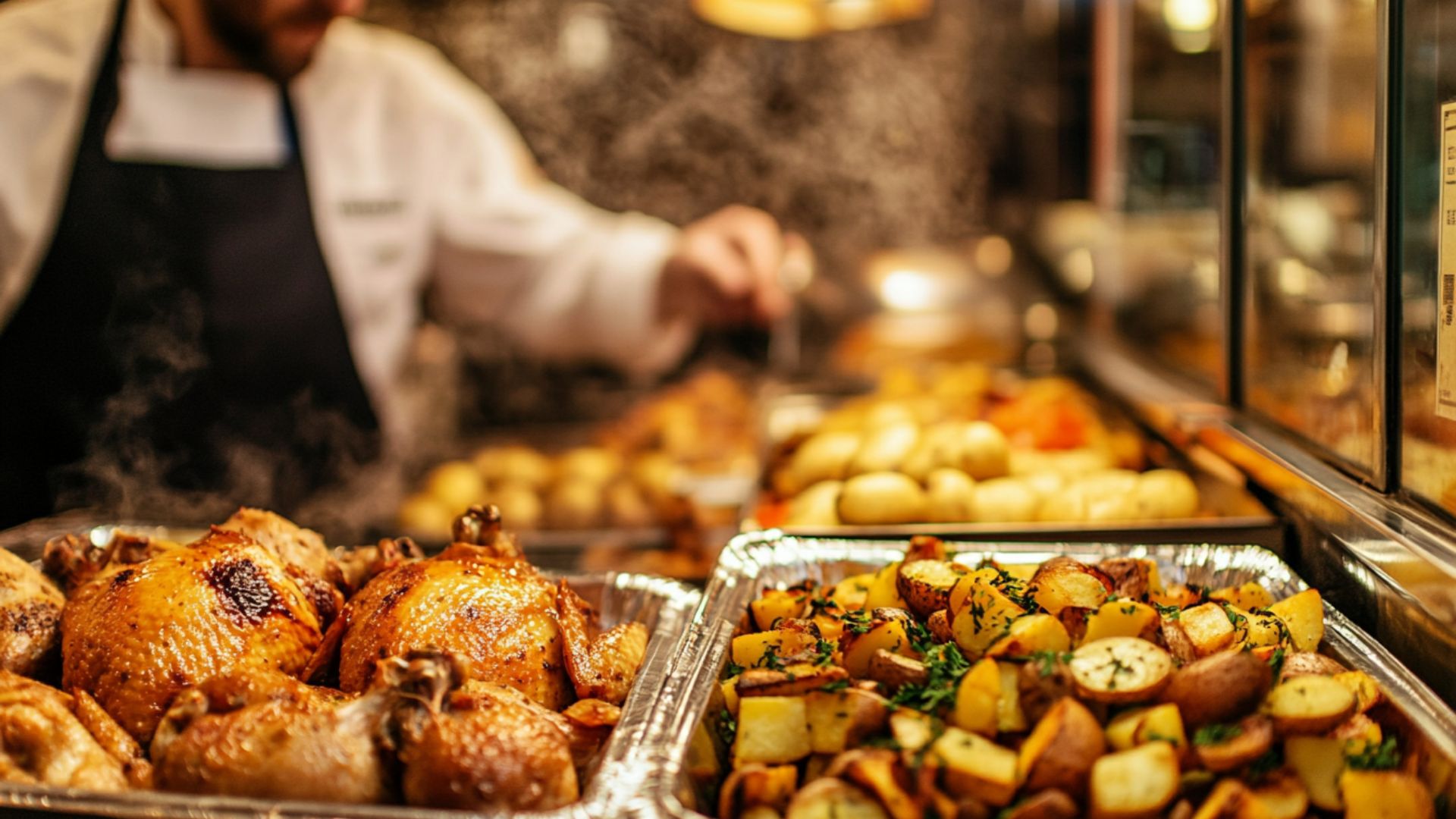
London’s food scene has undergone a transformation so complete that visitors arriving with expectations of grey meat and overcooked vegetables must wonder if they’ve landed in the right city. The capital that once served as punchline to every culinary joke now holds more Michelin stars than any city outside Tokyo and Paris. Borough Market heaves with artisan producers; street food markets proliferate in railway arches and car parks; restaurants representing every cuisine on Earth compete for attention and custom. London eats seriously now.
The revolution began in the 1990s, accelerated in the 2000s, and reached cruising altitude in the 2010s. Immigration brought flavours; prosperity brought spending power; food media brought awareness. A generation that watched Jamie Oliver and Gordon Ramsay expected more than their parents received. London responded with enthusiasm, diversity, and sometimes alarming prices. The city’s food offering now reflects its population: genuinely global, endlessly varied, occasionally bewildering.
Borough Market
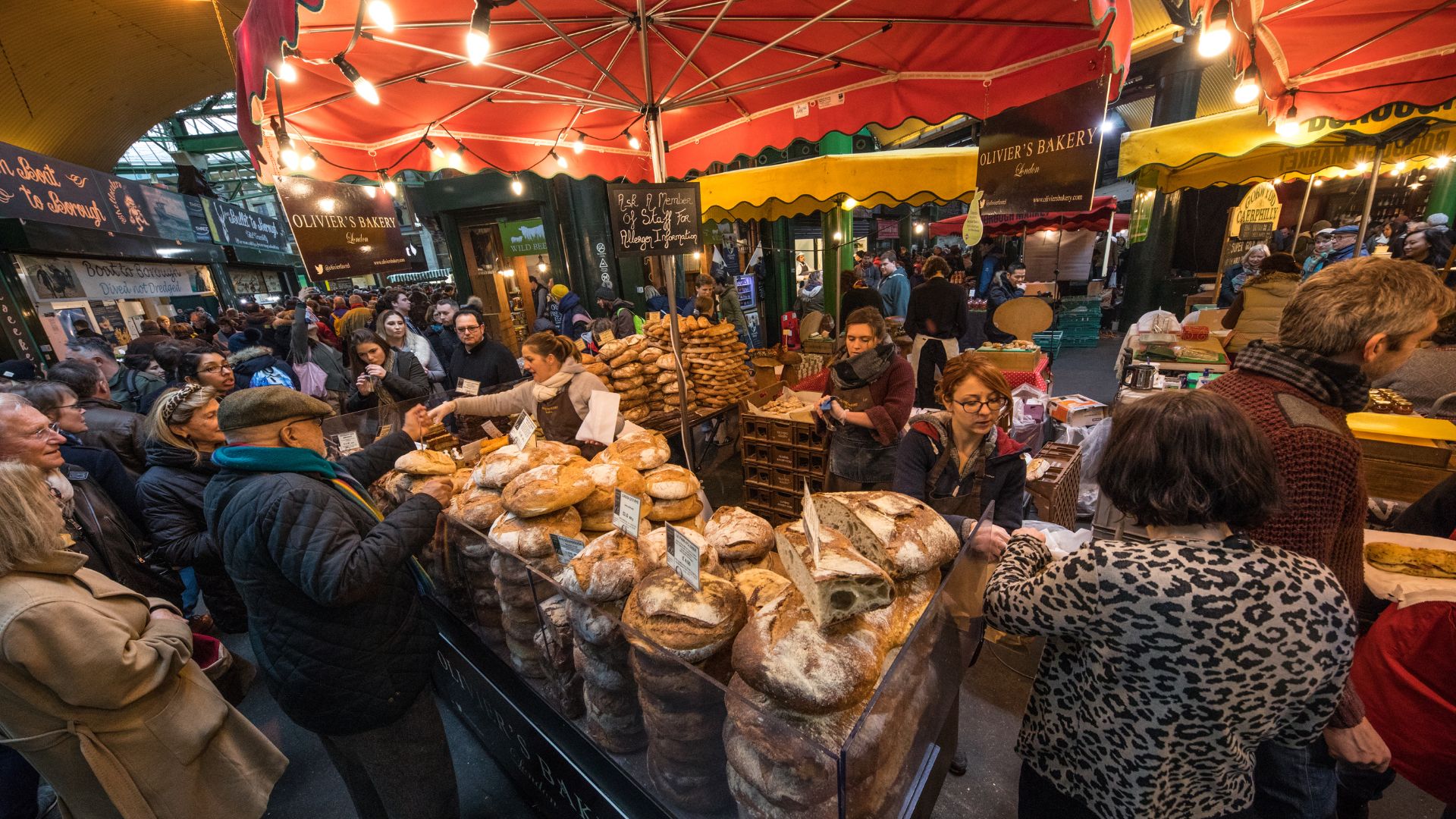
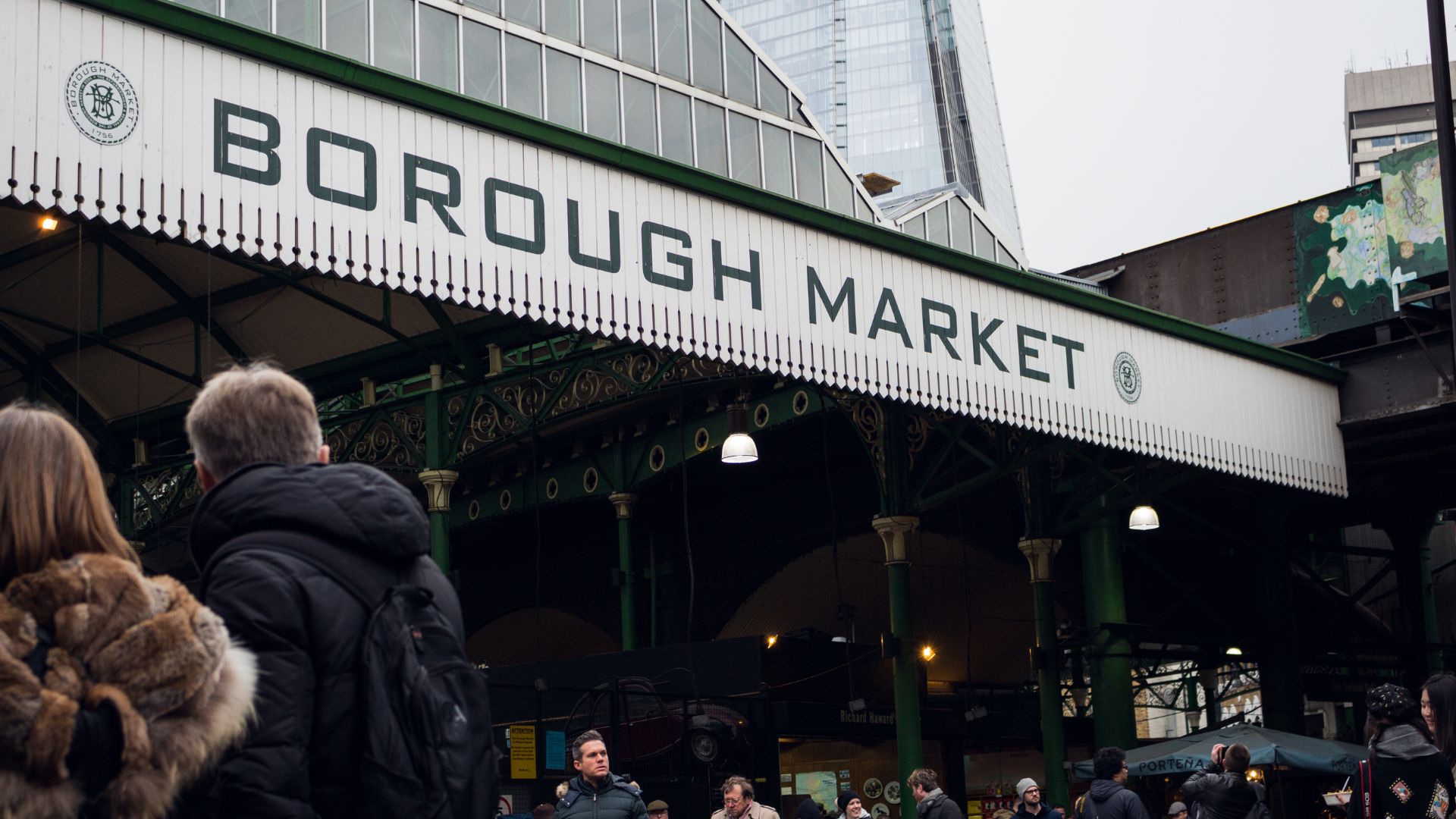
Borough Market, tucked beneath the railway arches south of London Bridge, represents London’s food culture at its most concentrated. A market has operated here since at least 1014, though the current speciality food focus dates only to the 1990s. Now over 100 stalls sell everything from Nepalese dumplings to Somerset cider, from Irish oysters to Turkish gözleme. The Saturday crowds can prove challenging; Thursday and Friday mornings offer easier navigation.
The quality runs high and the prices match. Artisan bread, aged cheese, rare-breed meat, sustainable fish—Borough showcases British produce alongside international imports. Eating here proceeds informally: grab a venison roll from Roast, oysters from Richard Haward’s, raclette from Kappacasein, and find a spot to stand or perch. The market serves both shopping and eating purposes; many London chefs source ingredients here.
“Tell me what you eat, and I shall tell you what you are.”
— Jean Anthelme Brillat-Savarin
Fine Dining
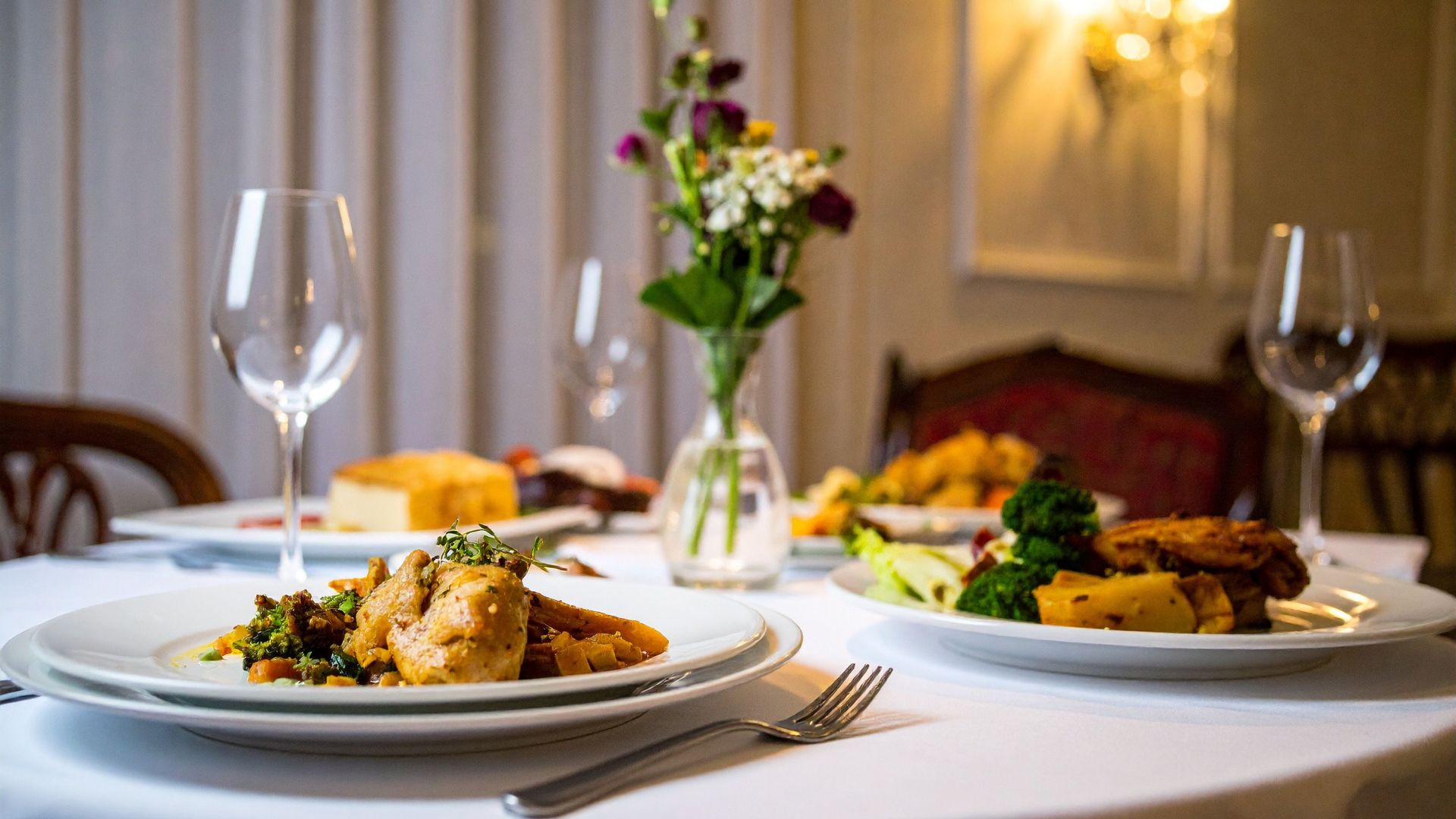
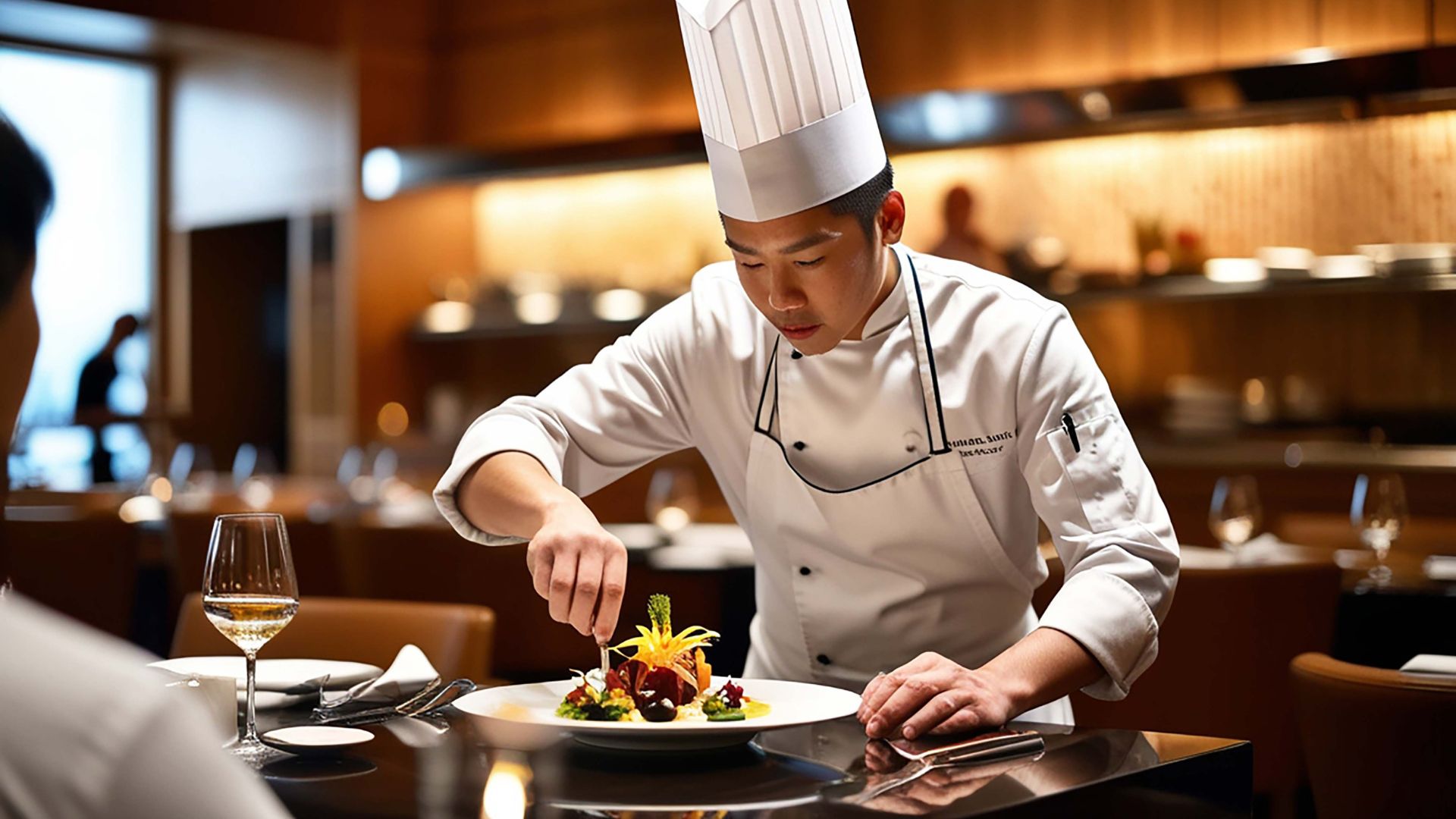
London’s fine dining scene operates at the highest international level. Restaurant Gordon Ramsay, the flagship that earned three Michelin stars in 2001 and has retained them since, sets one standard; The Ledbury, The Clove Club, Core by Clare Smyth, Ikoyi—the names multiply yearly. British produce, often overlooked when French and Italian ingredients dominated, now receives the attention it deserves: Cornwall’s crabs, Scotland’s game, Yorkshire’s forced rhubarb.
The democratisation of fine dining has produced formats beyond the traditional white-tablecloth experience. Tasting menus in casual settings; counter dining watching chefs at work; pop-ups that appear, generate queues, and vanish. The informality is genuine—London’s best restaurants generally eschew dress codes and ceremony—though prices remain firmly in special-occasion territory.
Global Cuisines
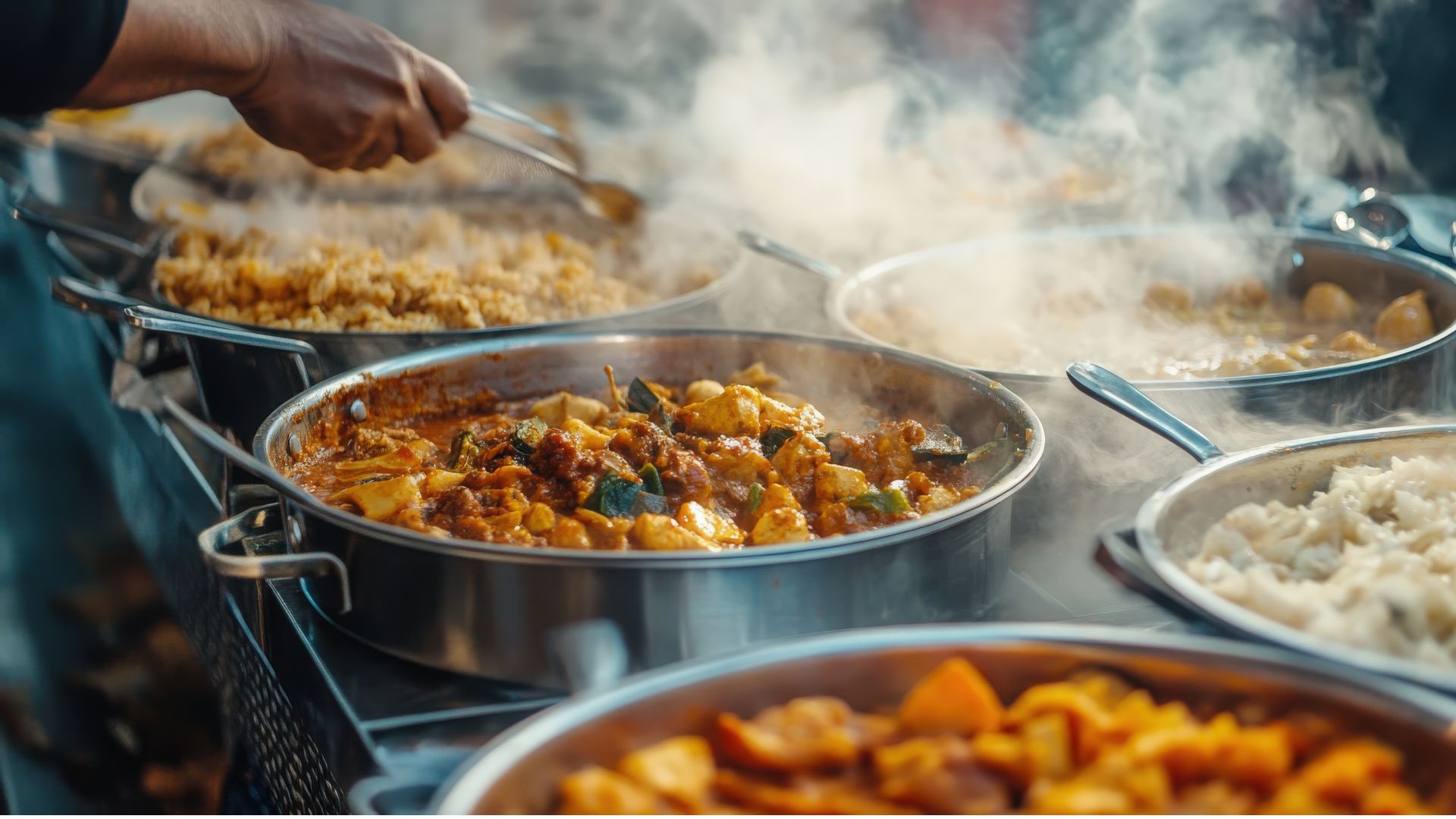
London’s immigrant communities have created food scenes that rival their origin countries. Brick Lane’s curry houses, though touristy, retain historical significance; Southall’s Punjabi restaurants serve to homesick expats and adventurous eaters alike. Chinatown in Soho offers dim sum; Edgware Road offers Lebanese; Green Lanes offers Turkish. The food follows the communities, and the communities span the globe.
Japanese cuisine has colonised London with particular thoroughness: from Nobu’s celebrity-studded outposts to Koya’s udon, from Roka’s robata grills to Kanada-Ya’s ramen. Italian restaurants have evolved beyond red-checked tablecloths to serious regional cooking. Vietnamese, Korean, Peruvian, Ethiopian, Filipino—every wave of immigration and interest brings new flavours to London’s tables.
Markets and Street Food
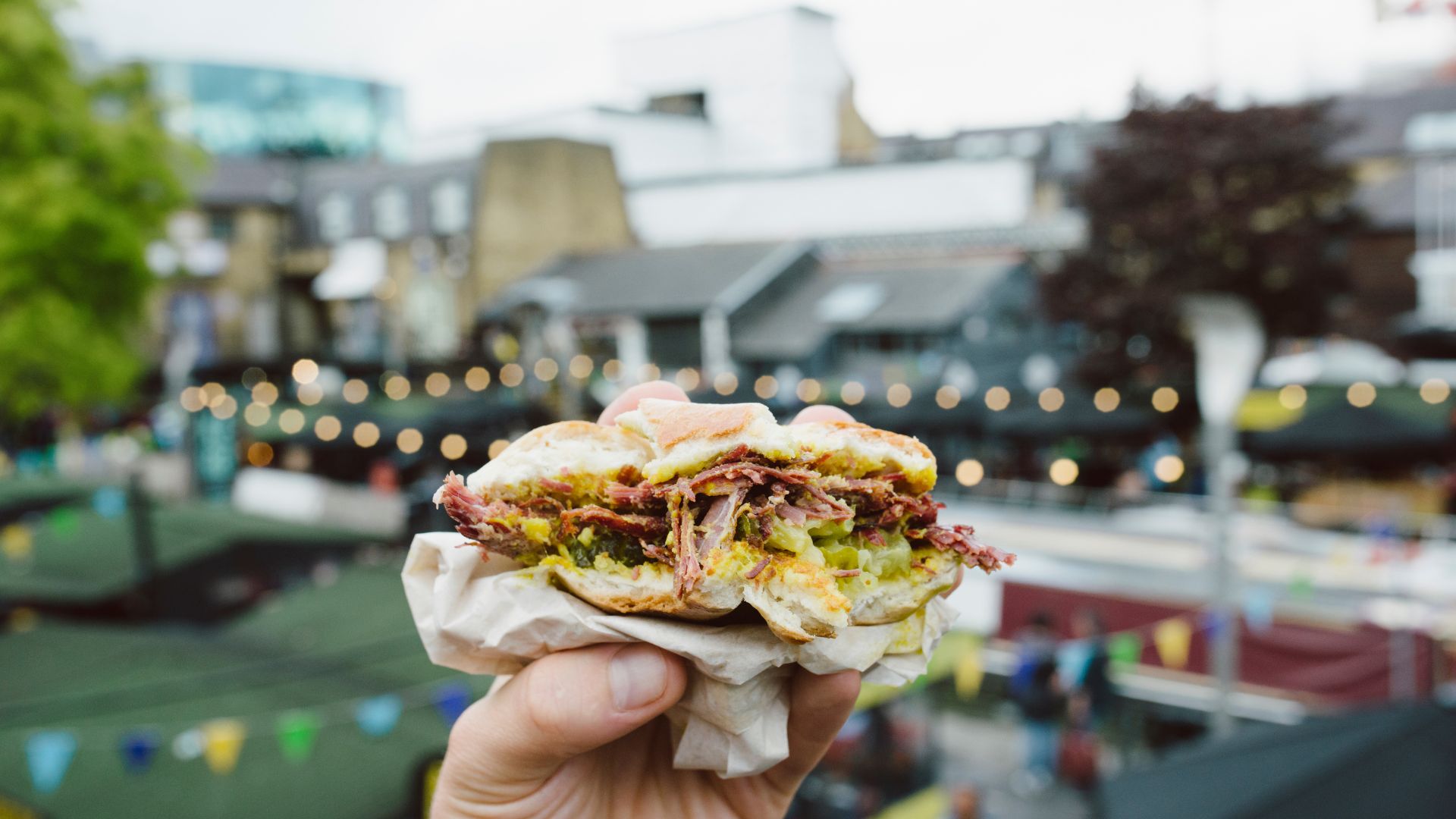
Street food markets have multiplied across London, transforming unpromising locations into dining destinations. KERB operates at King’s Cross, The Gantry, and other sites; Pop Brixton colonised shipping containers; Maltby Street Market developed in Borough Market’s shadow. The format suits London well: variety without commitment, quality without formality, eating as exploration.
Traditional markets persist alongside the trendy newcomers. Billingsgate sells fish to chefs and early risers; Smithfield handles meat; New Covent Garden (no longer in Covent Garden) dominates the fruit and vegetable trade. Broadway Market, Columbia Road, and Portobello Road serve local communities while attracting visitors. The markets feed London literally and metaphorically.
The Pub Lunch
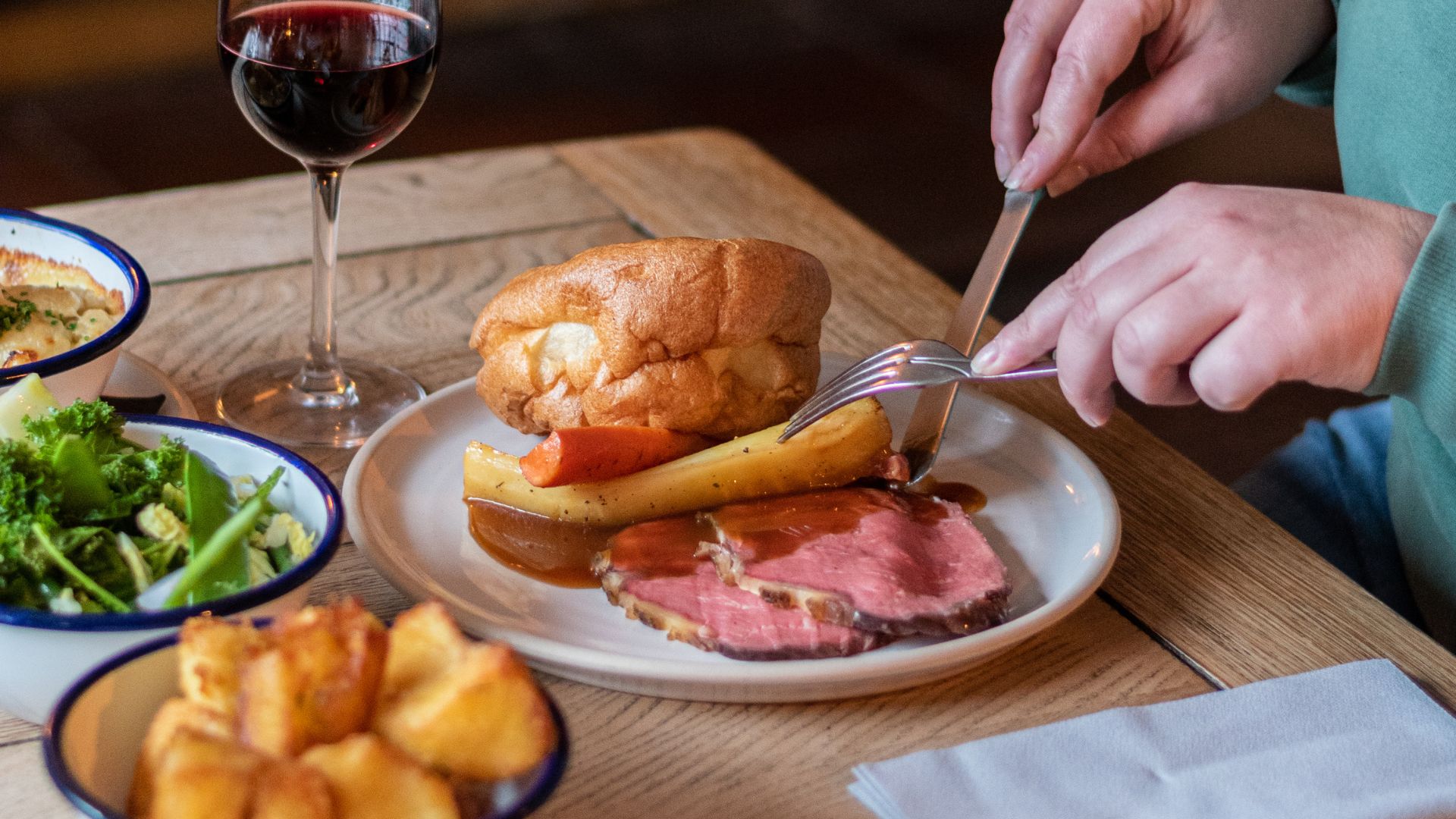
The British pub lunch, often overlooked in food discussions, deserves rehabilitation. London’s better gastropubs—The Anchor & Hope, The Harwood Arms, The Marksman—offer cooking that would honour any restaurant, served with beer and without pretension. Sunday roasts remain cultural institution, the joint carved at table, the Yorkshire puddings debated with the fervour usually reserved for football. Not every pub achieves these standards, but enough do to make exploration worthwhile.
London’s food scene rewards the curious, the hungry, and the adventurous. The quality has never been higher; the variety has never been broader; the only challenge is choosing. Start with Borough Market, certainly—but don’t stop there. The city has spent three decades learning to cook, and it very much wants to feed you.