“When I am in London, I always feel the immense weight of history—everywhere you look, stories are embedded in the walls.”
— Simon Jenkins, England’s Thousand Best Houses
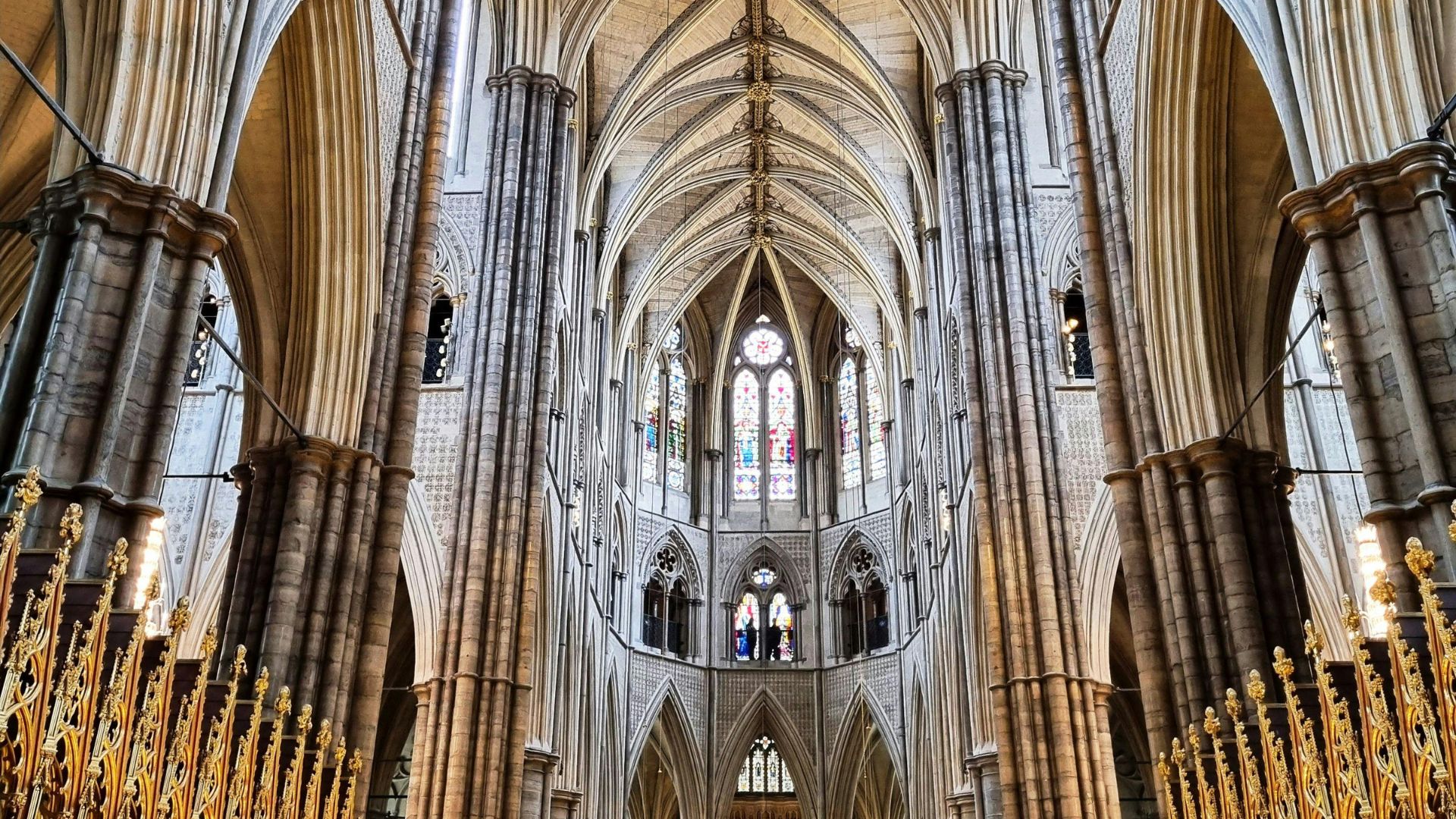
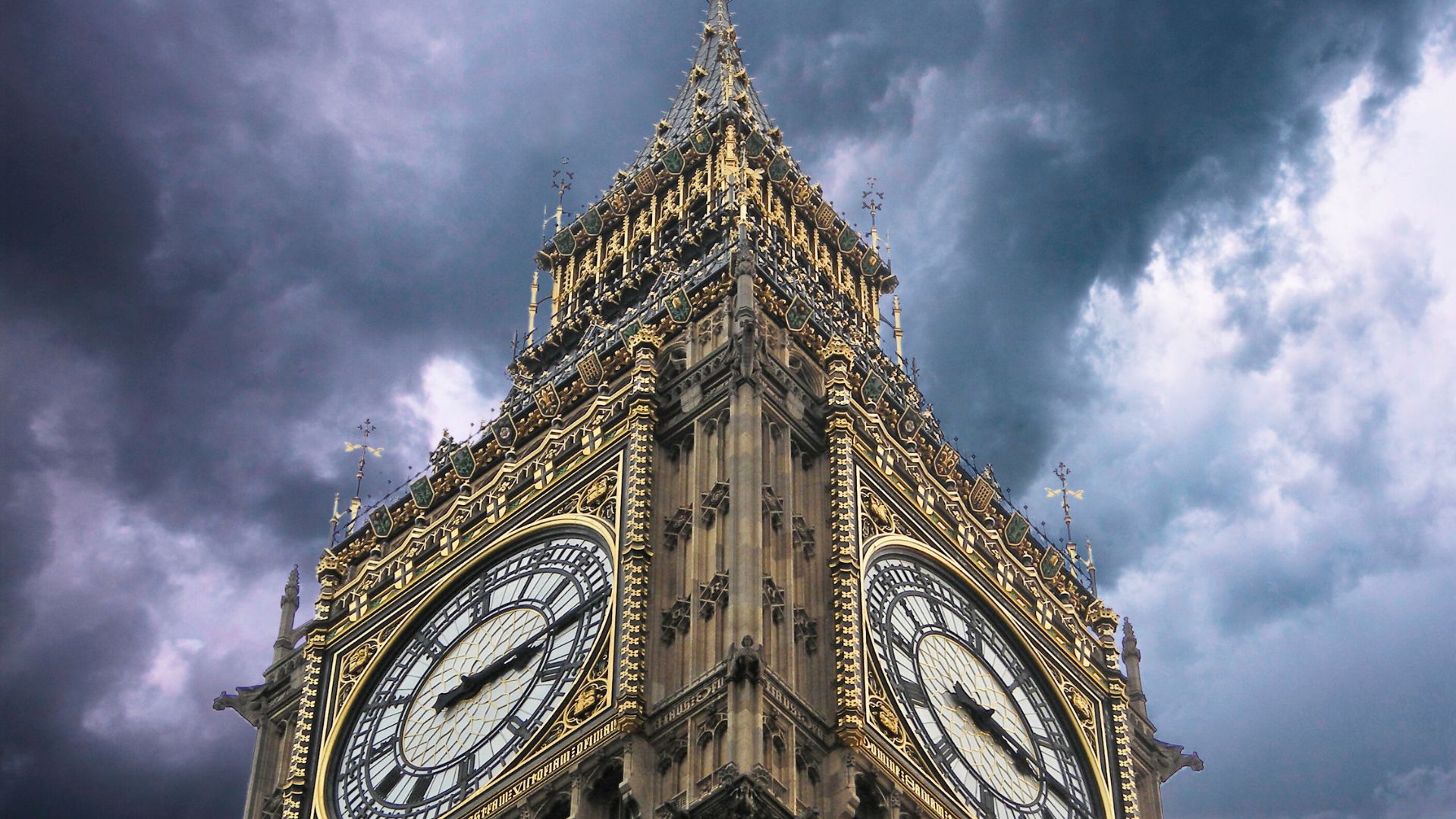
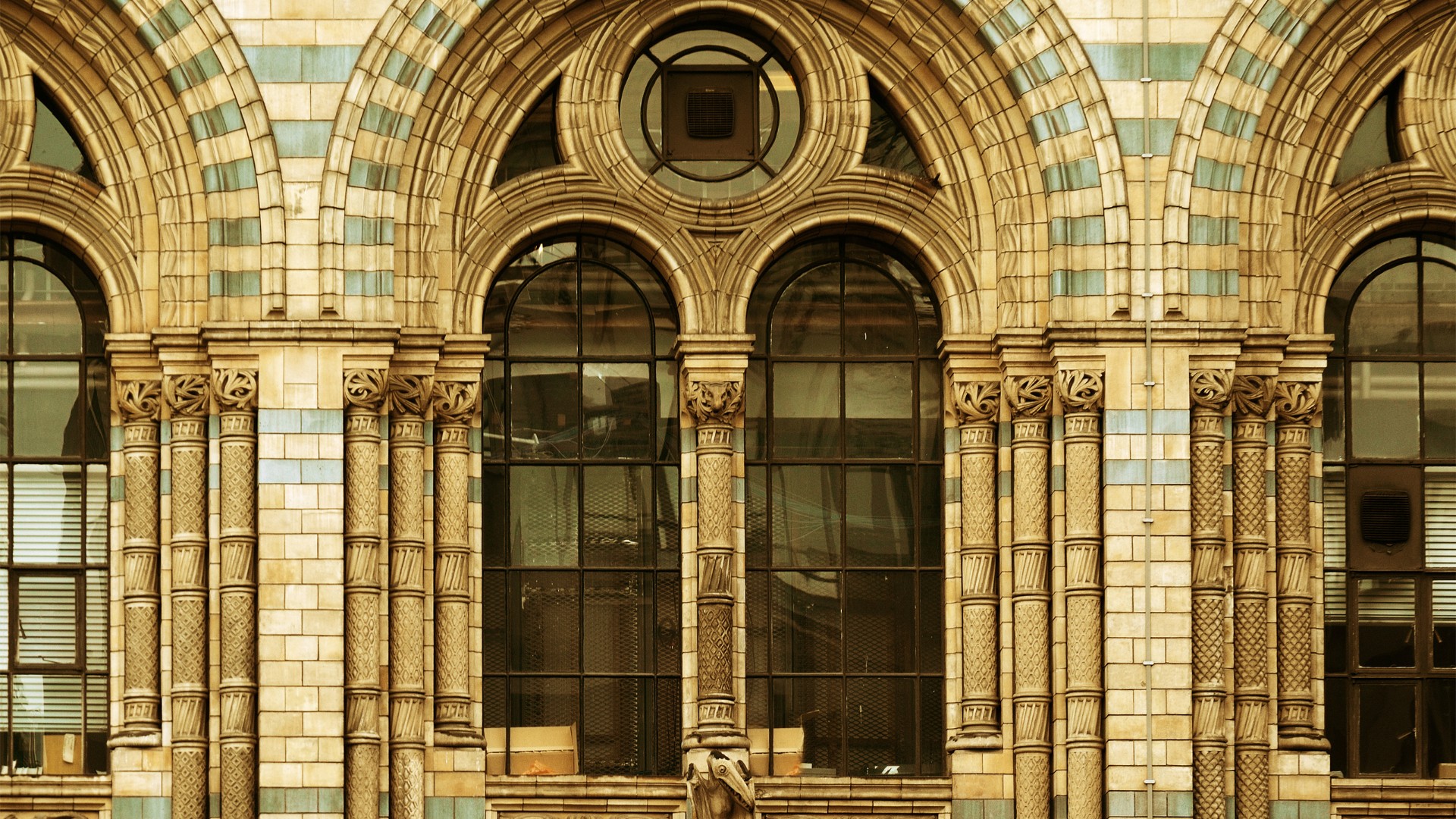
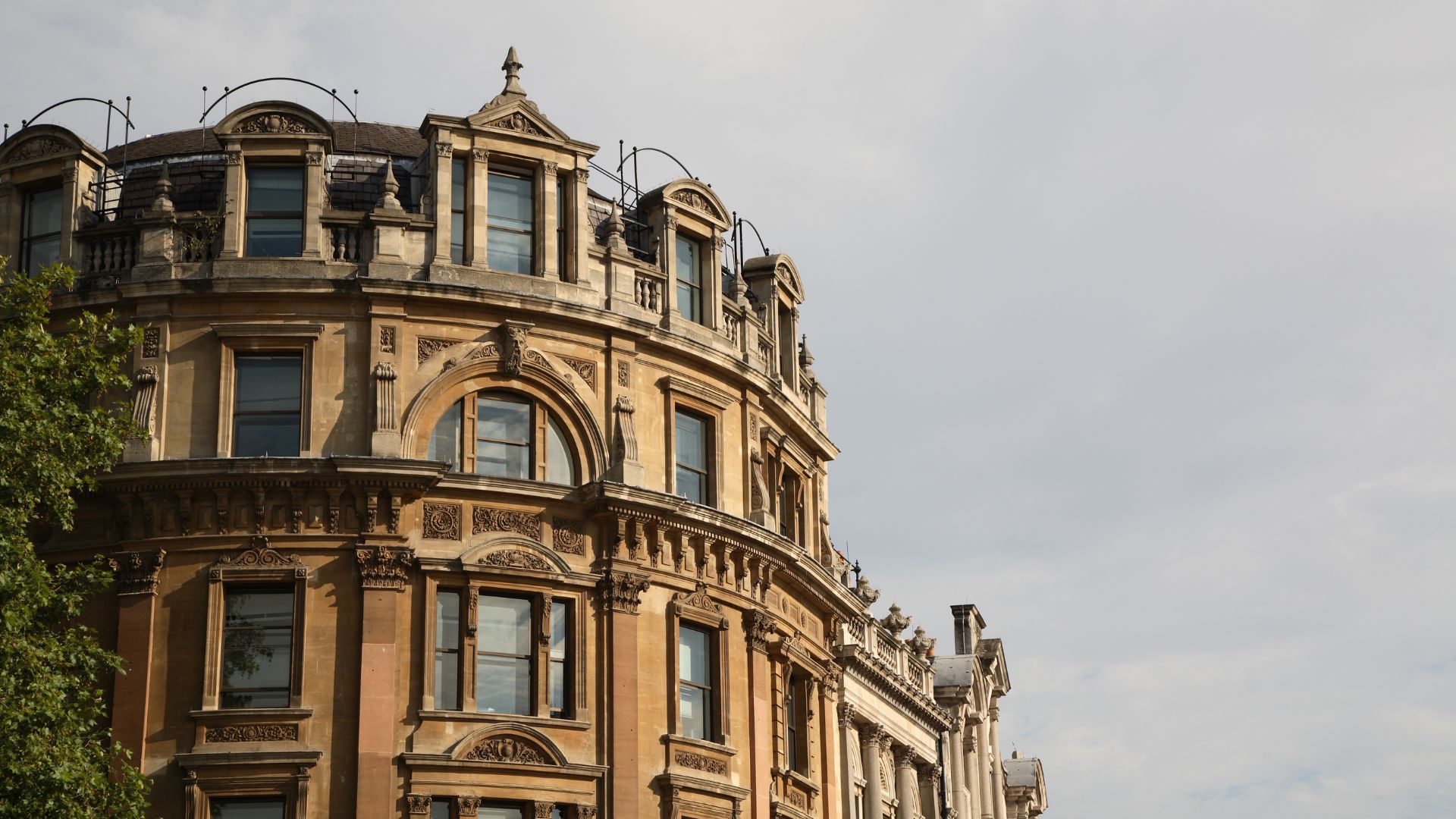
London’s architecture spans two millennia and encompasses virtually every style that Western building has produced. Roman walls survive beneath medieval churches; Tudor houses lean against Georgian terraces; Victorian Gothic confronts Brutalist concrete; glass towers reflect Portland stone façades. The accumulation is less chaotic than it might sound—London has a genius for absorbing contradictions—but no single architectural vision governs. The city grows by accretion, and its buildings record that growth.
The Great Fire of 1666 destroyed medieval London, creating opportunity for Christopher Wren’s reconstruction. His churches—St Paul’s Cathedral supremely, but fifty-two others as well—established a classical vocabulary that influenced building for two centuries. The Georgian period imposed regularity on growth: terraced houses, garden squares, unified façades that made elegance from repetition. Victorian confidence produced everything from Gothic Revival palaces to engineering marvels in iron and glass.
St Paul’s Cathedral, Wren’s masterpiece completed in 1710, dominated the London skyline for nearly three centuries before towers began to challenge its primacy. The dome—364 feet to the cross—rises above Ludgate Hill where temples have stood since Roman times. The cathedral has hosted funerals (Nelson, Wellington, Churchill), weddings (Charles and Diana), and thanksgiving services marking national moments. The Whispering Gallery, Stone Gallery, and Golden Gallery reward those willing to climb 528 steps.
The Shard, completed in 2012, now holds London’s altitude record at 309 metres—a glass spire designed by Renzo Piano that divides opinion but cannot be ignored. The viewing platform offers the city’s highest perspectives; the building has become landmark whether you find it beautiful or not. The cluster of towers in the City—the Gherkin, the Cheesegrater, the Walkie-Talkie—creates a skyline that would have been unimaginable a generation ago.
London’s architectural pleasures extend beyond famous buildings to ordinary streets. The Georgian terraces of Bloomsbury and Islington, the Regency crescents of Regent’s Park, the Victorian terraces of Notting Hill and Brixton—these create the texture that makes London liveable. Individual houses may not be remarkable; together they compose something greater. London’s architecture works cumulatively, street by street, neighbourhood by neighbourhood.