
Liverpool: The City That Refuses to Apologise
Here’s what nobody tells you about Liverpool: it doesn’t need you to like it.
The city has been through enough—slave trade riches, wartime devastation, industrial collapse, decades of being Britain’s punchline—that it stopped caring about external validation sometime around 1985. What emerged from that indifference is something remarkable: a city that’s genuinely, defiantly, brilliantly itself.
Come expecting The Beatles and football. Leave wondering why every British city doesn’t have this much… soul.
The Waterfront That Tells the Truth
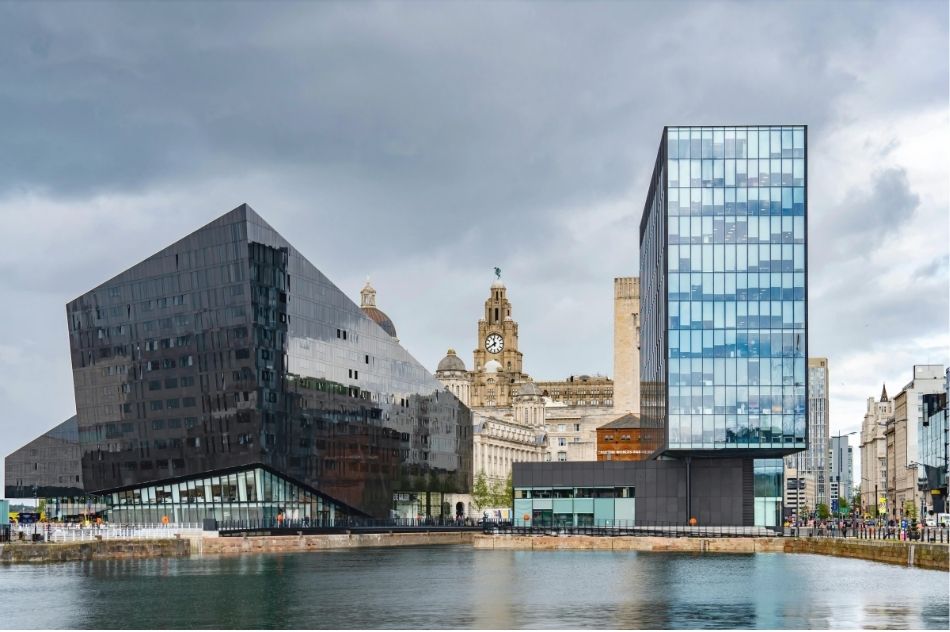
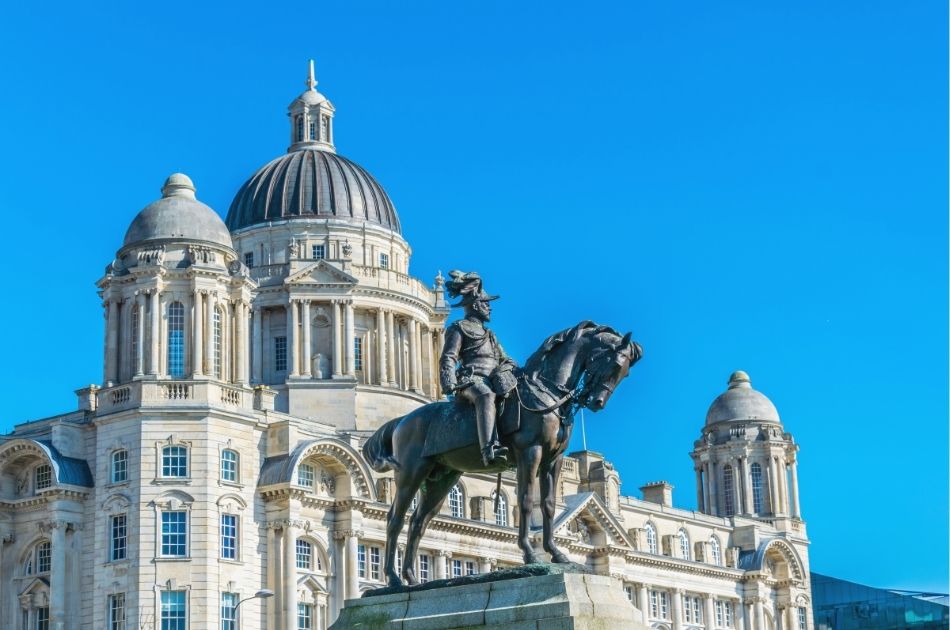
Start at the Pier Head. Not because anyone tells you to—they will, endlessly—but because standing between the Three Graces as the Mersey wind hits your face, you understand what Liverpool was and what it became.
The Royal Liver Building, the Cunard Building, the Port of Liverpool Building. They’re UNESCO World Heritage for a reason. When these were built—1907 to 1917—Liverpool was one of the world’s great cities. More tonnage passed through this port than anywhere except London. The Cunard Building alone processed 200,000 emigrants per year heading to America and beyond.
The Liver Birds on top of the Liver Building have been watching over the city since 1911. One faces the sea, waiting for sailors to return. One faces the city, protecting those who stayed. That’s the story Liverpool tells about itself—outward and inward, departure and belonging, always both at once.
The Albert Dock, just south, is where the regeneration happened. Warehouses that once stored cotton, tobacco, sugar—the trade that made Liverpool rich and, let’s be honest, was built on brutal exploitation—now house the Tate Liverpool, the Beatles Story, restaurants, bars, and some of the most expensive apartments in the city. It’s transformation without erasure. Liverpool doesn’t hide its history. It puts galleries in it.
The Beatles Thing (Let’s Just Do This)
Yes, The Beatles are from Liverpool. Yes, you can do the tour. Mathew Street, the Cavern Club, Strawberry Field, Penny Lane, the childhood homes—it’s all still there, and for genuine fans, it’s genuinely moving.
But here’s what matters: Liverpool doesn’t define itself by The Beatles. The city was producing culture before 1962 and hasn’t stopped since. The Beatles emerged from Liverpool because Liverpool was already a place where music happened—a port city where American records arrived before anywhere else in Britain, where Black American sailors brought rhythm and blues, where working-class kids heard sounds that middle England wouldn’t discover for years.
The Cavern Club—rebuilt on the same street, using many original bricks—still does live music nightly. It’s touristy, sure. But it’s also a functioning venue where actual bands play to actual audiences, and somewhere between the third pint and the fourth song, you stop caring about authenticity and start caring about the music.
The Beatles Story at Albert Dock is genuinely excellent if you commit to it. Budget two hours minimum. The recreation of the Cavern stage, the Hamburg recreations, the white room dedicated to Lennon—it’s done with care and without cynicism.
But honestly? The best Beatles experience in Liverpool is simply walking. The streets they walked. The bus routes they took. The pubs that existed then and still exist now. The city shaped them before they shaped the city. That context is everywhere, and it’s free.
Football: A Religion With Two Cathedrals
Liverpool has two football clubs separated by less than a mile and everything else.
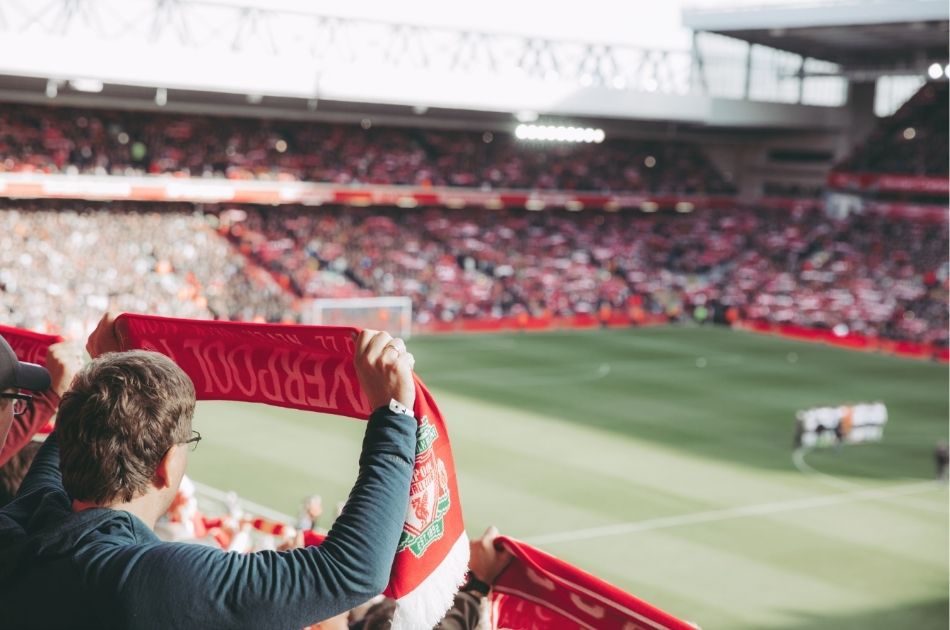
Anfield—Liverpool FC’s home—is where You’ll Never Walk Alone becomes something more than a song. The Kop holds 12,000 standing supporters who’ve been singing since 1906. The stadium tour takes you through rooms where Shankly, Paisley, Dalglish, and Klopp made decisions that shaped European football. This is a club with six European Cups, nineteen league titles, and an intensity that makes other fan cultures look like hobbies.
Goodison Park—Everton’s home since 1892—is where loyalty means something different. The Toffees haven’t won a league title since 1987, haven’t won a major trophy since 1995, and their supporters keep coming anyway. That’s not failure; that’s faith. Everton are moving to a new stadium at Bramley-Moore Dock, and the final season at Goodison will be an emotional reckoning with over a century of history.
Don’t ask a Scouser which club is bigger. Just don’t.
What matters is that football here isn’t a business decision. It’s identity. Families are born into allegiances. Derby day splits households. The rivalry is fierce and genuine and somehow—unlike other city derbies—rarely violent. They share a city, share streets, share families. They just don’t share colours.
Culture That Actually Matters
Liverpool was European Capital of Culture in 2008, and unlike some cities that treat such titles as PR exercises, Liverpool used it. Properly.
The Walker Art Gallery has one of the finest pre-Raphaelite collections outside London. Free entry. The World Museum does natural history, archaeology, and a planetarium—all free. The Museum of Liverpool, opened in 2011, tells the city’s story without sanitising it: the slavery, the poverty, the immigration, the music, the football, the decline, the rebirth. It’s honest in ways that civic museums rarely are.
Tate Liverpool, in the Albert Dock, brought modern art to a city that could have rejected it but didn’t. The building—a converted warehouse—makes art feel democratic rather than exclusive. The programming is consistently excellent.
The two cathedrals are worth seeing even if you’re not religious. Liverpool Cathedral—Anglican, Gothic Revival, absolutely massive—took 74 years to build and is the largest cathedral in Britain. The Metropolitan Cathedral—Catholic, nicknamed ‘Paddy’s Wigwam’ for its conical shape—is modernist and strange and somehow perfect. They sit at opposite ends of Hope Street, which tells you everything about Liverpool’s sense of irony.
The Food That Feeds Properly
Liverpool’s food scene exploded in the last decade, and it did so without losing its roots.
Mowgli Street Food started here before it became a national chain—Nisha Katona’s Indian food that’s meant to be shared, not performed. Maray does Middle Eastern small plates in a way that made the Bold Street location permanently rammed. The Art School, in the old Home for the Aged Mariners, does fine dining that could compete in any British city.
But honestly? The best Liverpool food experiences are simpler. Maggie May’s has been doing all-day breakfasts since 1986—proper scouse portions, none of that artisan drizzle nonsense. Keith’s Wine Bar has been pouring since 1981 in the same candlelit basement, and the cheese board is exactly what you need at 11pm.
The Baltic Triangle—once industrial wasteland, now creative quarter—has breweries, street food markets, and rooftop bars that would be insufferably trendy in London but somehow feel genuine here. Camp and Furnace does everything from bottomless brunch to techno nights in a converted factory. Constellations is a garden bar that shouldn’t work in Liverpool weather but absolutely does.
The People Who Make It
Here’s the thing about Scousers: they’re not performing friendliness. They just… are friendly. The accent, the wit, the willingness to talk to strangers—it’s not a tourism strategy. It’s culture.
Liverpool humour is quick, self-deprecating, and absolutely merciless. You will be insulted in ways that somehow feel affectionate. You will be given directions that include personal anecdotes, family history, and restaurant recommendations you didn’t ask for. You will end up in conversations that go somewhere you didn’t expect.
This matters because Liverpool’s revival wasn’t government-led or developer-driven. It was community. The city that London abandoned, that Thatcher wrote off, that the Sun newspaper lied about—that city rebuilt itself through bloody-minded collective will. Hillsborough proved it. Ninety-seven Liverpool supporters died, and the city spent thirty-two years fighting for justice against police lies, media distortions, and institutional cover-ups. They won. That’s Liverpool.
Why This City Matters
Liverpool matters because it survived.
It survived being built on slavery and then having to reckon with that history. It survived being bombed relentlessly during the war—only London took more damage. It survived economic collapse so total that by the 1980s, senior government officials seriously suggested ‘managed decline.’ It survived being blamed, libelled, and abandoned.
What emerged from that survival is a city that doesn’t apologise for what it is. The accent is thick and proud. The humour is sharp. The cultural output is extraordinary. The football is religion. The waterfront is world-class. The nights out are legendary in ways that stag parties in other cities can only imitate.
Come for The Beatles. Stay for everything else. Leave wondering why every city doesn’t have this much defiant, brilliant, impossible soul.
That’s Liverpool. Battered, rebuilt, and completely itself.
Worth the train from London? Worth it from anywhere.