
Literary London: Walking in the Footsteps of Giants
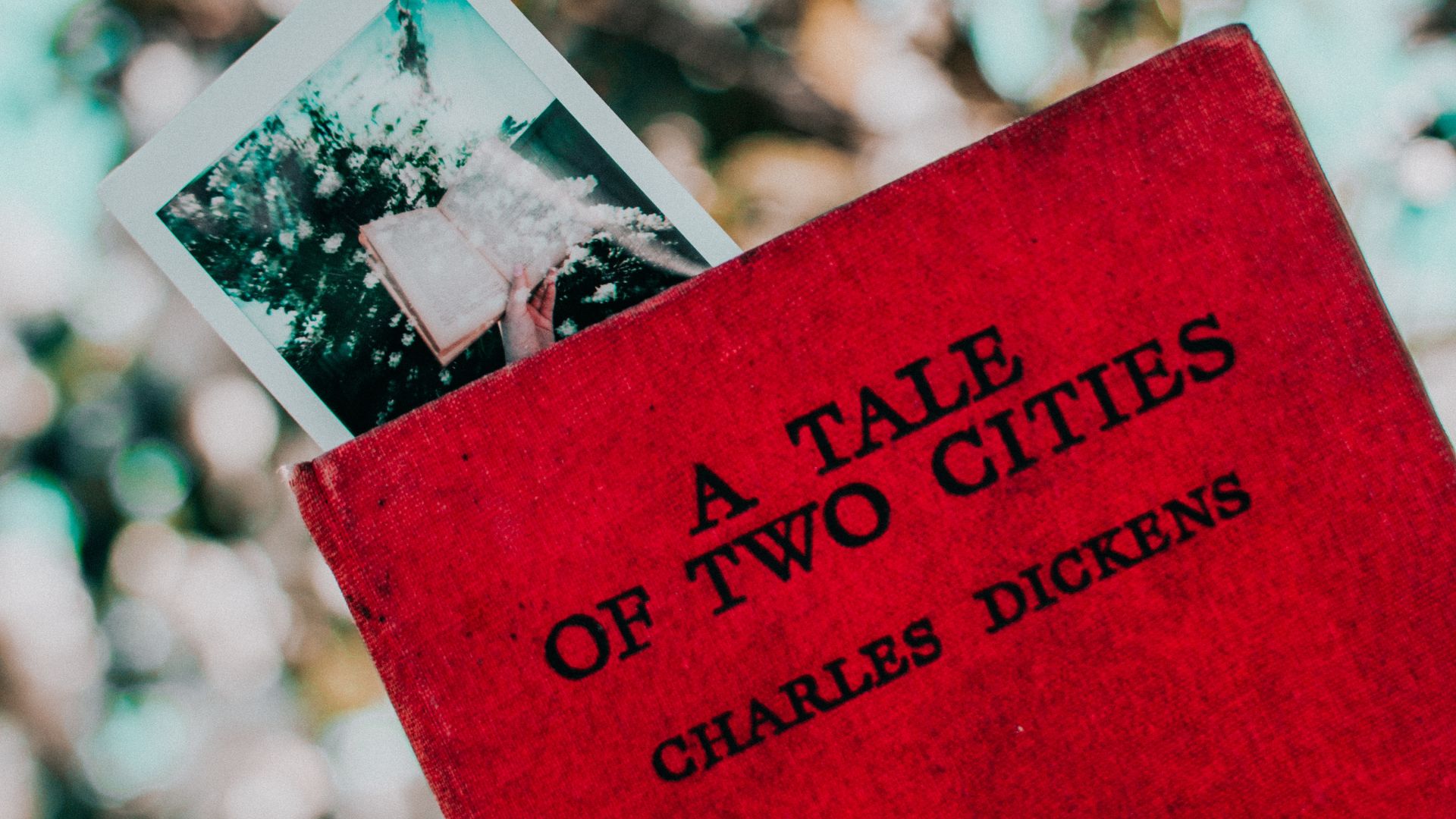
“It was the best of times, it was the worst of times, it was the age of wisdom, it was the age of foolishness…”
— Charles Dickens, A Tale of Two Cities
London has produced, inspired, and consumed more literature than any city on Earth. Shakespeare performed here; Dickens walked every street; Virginia Woolf transformed the English sentence in Bloomsbury drawing rooms. The city appears in more novels than can be counted, its geography so thoroughly mapped in fiction that literary pilgrimage has become its own tourism sector. To read London is to know it; to walk London is to read it again.
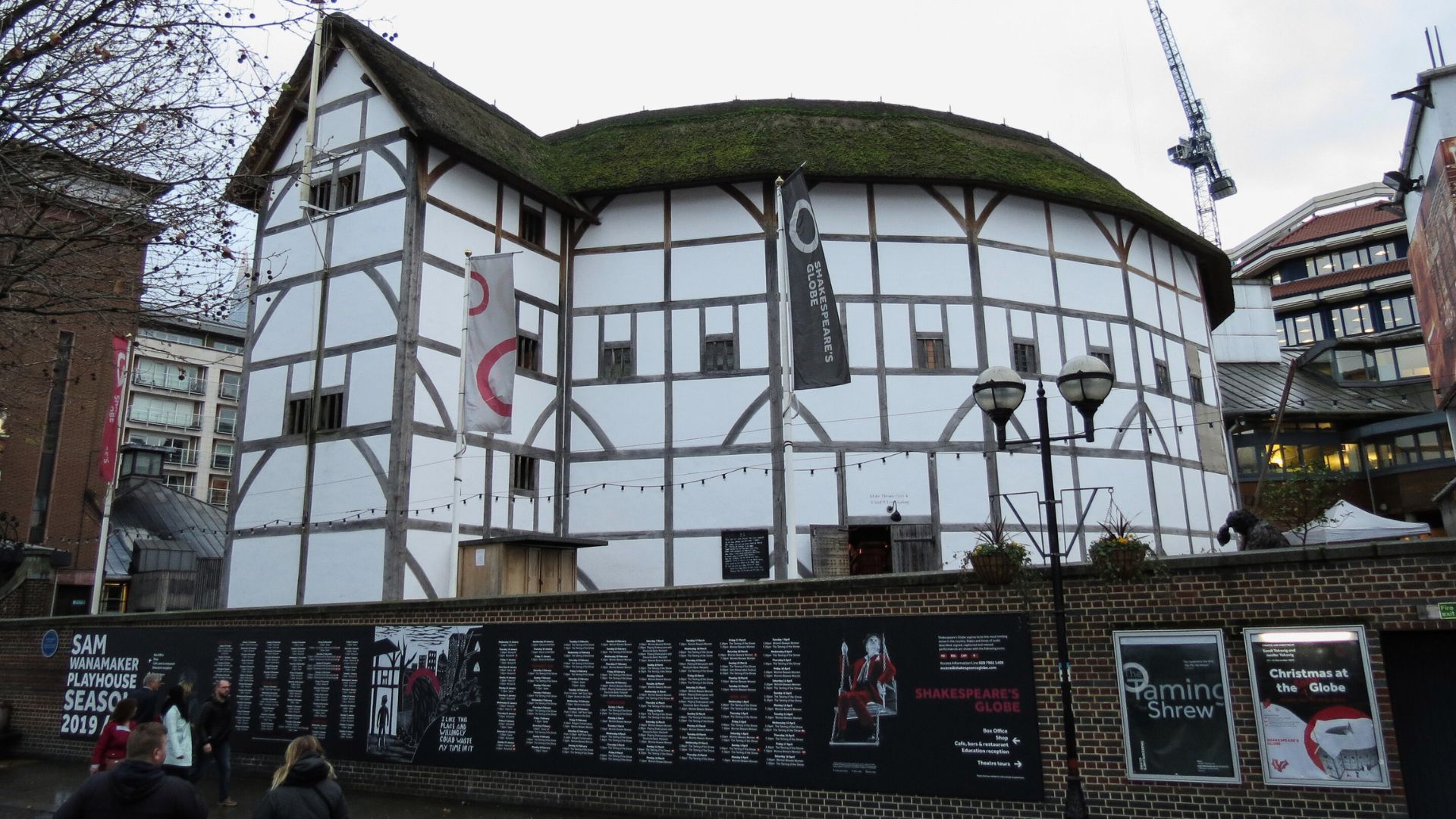
The tradition begins before printing. Chaucer’s pilgrims departed from Southwark; medieval manuscripts circulated through monastery scriptoriums. But the city’s literary identity crystallised with the Elizabethan theatres, Shakespeare’s Globe among them, that transformed Bankside into entertainment district. Dr Johnson compiled his dictionary in Gough Square; Boswell recorded their conversations. The Romantic poets—Keats in Hampstead, Blake in Soho—found inspiration in London’s contrasts. The Victorians anatomised urban life with obsessive thoroughness.
Dickens’s London
No writer has shaped London’s literary image more than Charles Dickens. His novels map the Victorian city with documentary precision: the law courts of Bleak House, the prisons of Little Dorrit, the criminal underworld of Oliver Twist. Dickens walked London compulsively, often twenty miles in a night, absorbing details that surfaced in his fiction. The city he described—fog-bound, teeming, corrupt, vital—persists in imagination long after the physical streets have changed.
The Charles Dickens Museum in Doughty Street occupies the house where Dickens lived from 1837 to 1839, writing Oliver Twist and Nicholas Nickleby. The building survives miraculously intact; its rooms display manuscripts, personal effects, and the desk at which Dickens worked. Walking tours trace locations from the novels: the Marshalsea Prison site (where Dickens’s father was confined for debt), the Old Curiosity Shop on Portsmouth Street, the Inns of Court that feature in Bleak House.
“I have been attracted to London ever since I could understand the meaning of words.”
— Fyodor Dostoevsky
Shakespeare’s Globe
The reconstructed Globe Theatre on Bankside represents London’s most ambitious literary restoration. The original Globe, built in 1599 and destroyed by fire in 1613, saw the premieres of Hamlet, Othello, King Lear, and Macbeth; the reconstruction, completed in 1997, uses Tudor building techniques and materials to approximate the original experience. Performances proceed in natural light, audiences stand in the yard as groundlings did, and the intimate actor-audience relationship that shaped Elizabethan drama is renewed.
The Globe season runs from April to October, covering Shakespeare’s works and those of his contemporaries. Standing tickets cost £5, maintaining the democratic access that marked the original theatre. The building itself tours well outside performance times, guides explaining the detective work that informed reconstruction. The experience illuminates texts that otherwise exist only on page.
Bloomsbury and Modernism
Bloomsbury, that grid of Georgian squares north of the British Museum, incubated literary modernism in the early 20th century. Virginia Woolf, E.M. Forster, Lytton Strachey, and their circle met in houses around Gordon Square and Fitzroy Square, reinventing the novel and challenging Victorian conventions. Woolf’s stream of consciousness technique, developed in Mrs Dalloway and To the Lighthouse, transformed what fiction could do; her diaries and letters map Bloomsbury’s geography with intimate precision.
The Bloomsbury Group’s houses have largely become institutional property—university accommodation, professional offices—but the squares retain their character. The London Review Bookshop on Bury Place serves the literary neighbourhood; Persephone Books on Lamb’s Conduit Street specialises in neglected women’s writing. The area’s bookishness persists into the present.
Bookshops
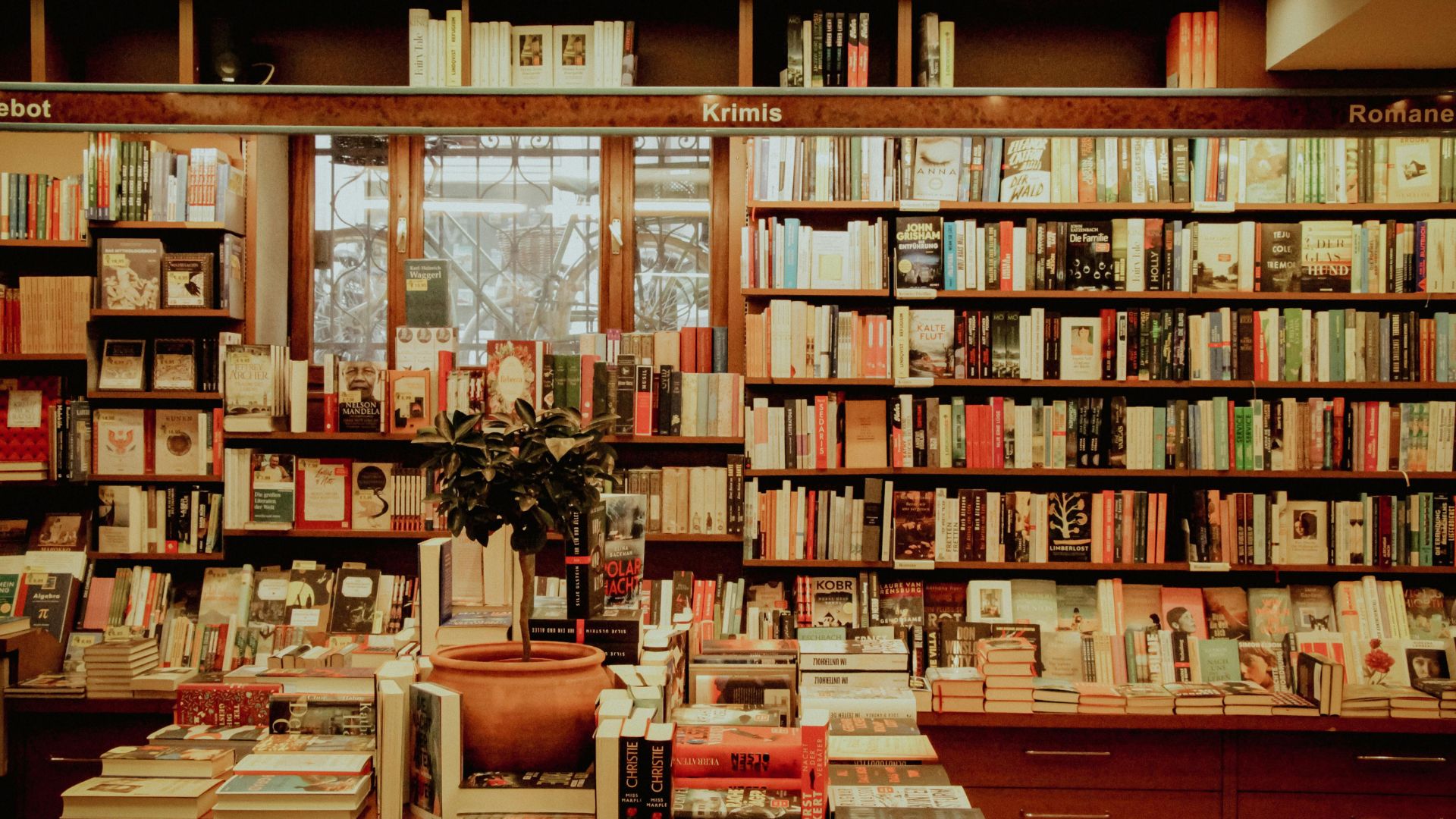
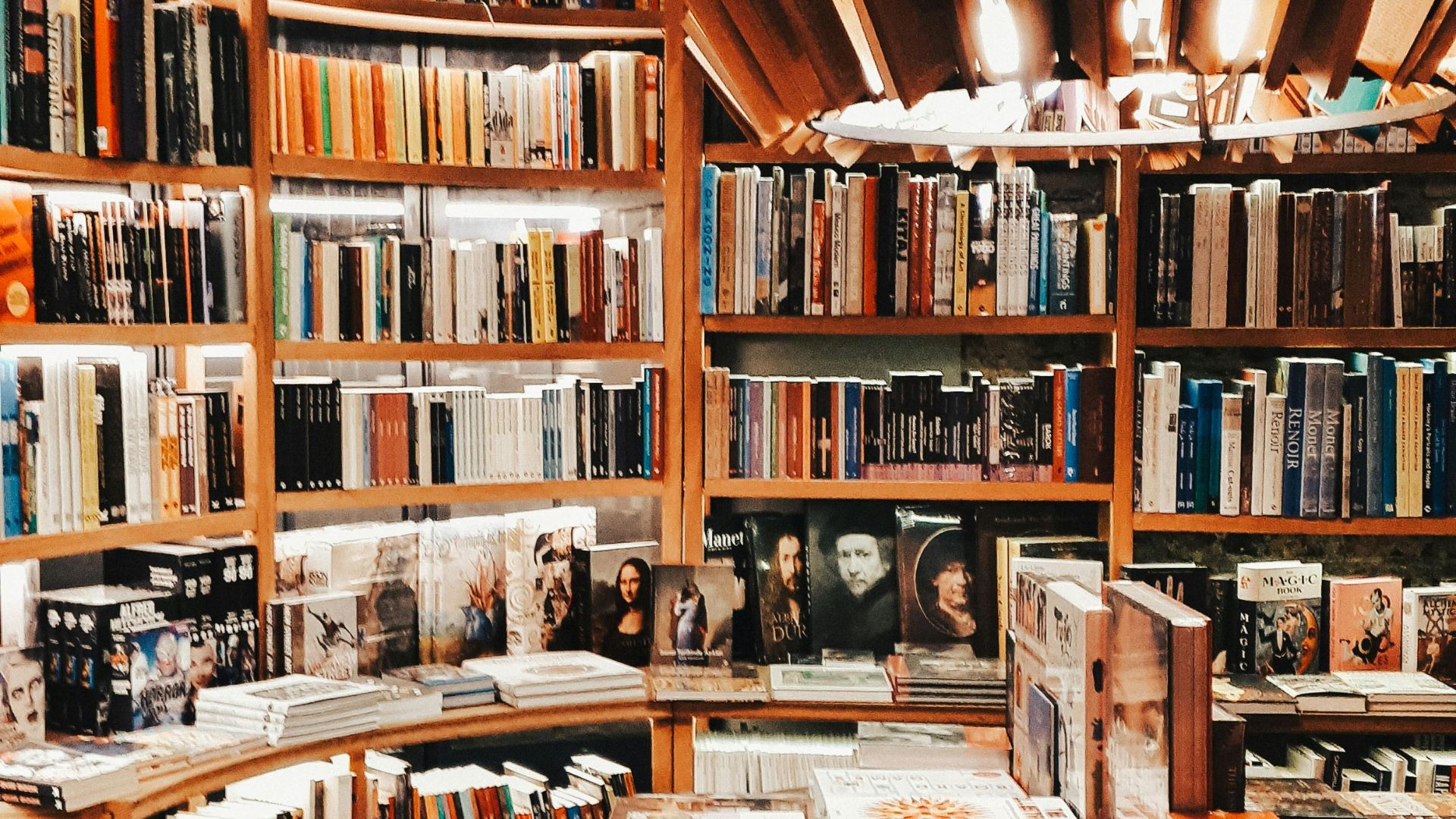
London supports bookshops of every character and specialty. Daunt Books on Marylebone High Street, with its Edwardian oak galleries and skylights, ranks among the world’s most beautiful. Hatchards on Piccadilly, trading since 1797, holds the oldest bookshop charter in the country. Foyles on Charing Cross Road, once notorious for eccentric management, has reinvented itself as modern flagship. Waterstones Piccadilly, occupying the former Simpsons department store, claims to be Europe’s largest bookshop.
Independent bookshops thrive in neighbourhoods across London: London Review Bookshop in Bloomsbury, Word on the Water on Regent’s Canal (a floating bookshop on a Dutch barge), Gay’s the Word in Bloomsbury (Britain’s first LGBT bookshop), Housmans near King’s Cross (specialist in radical and peace literature). The second-hand trade persists in Cecil Court and Charing Cross Road, though diminished from its mid-century peak.
Literary London requires no qualification to enjoy. Read what you love, then walk where it was set or written. The streets respond; they have been answering readers for centuries.