Surviving the seven hills without carrying anyone
Lisbon’s hills are relentless, and children’s legs are short. The city offers multiple solutions — some practical, some simply fun — that make exploring possible without the traditional pattern of walk, complain, carry, repeat.
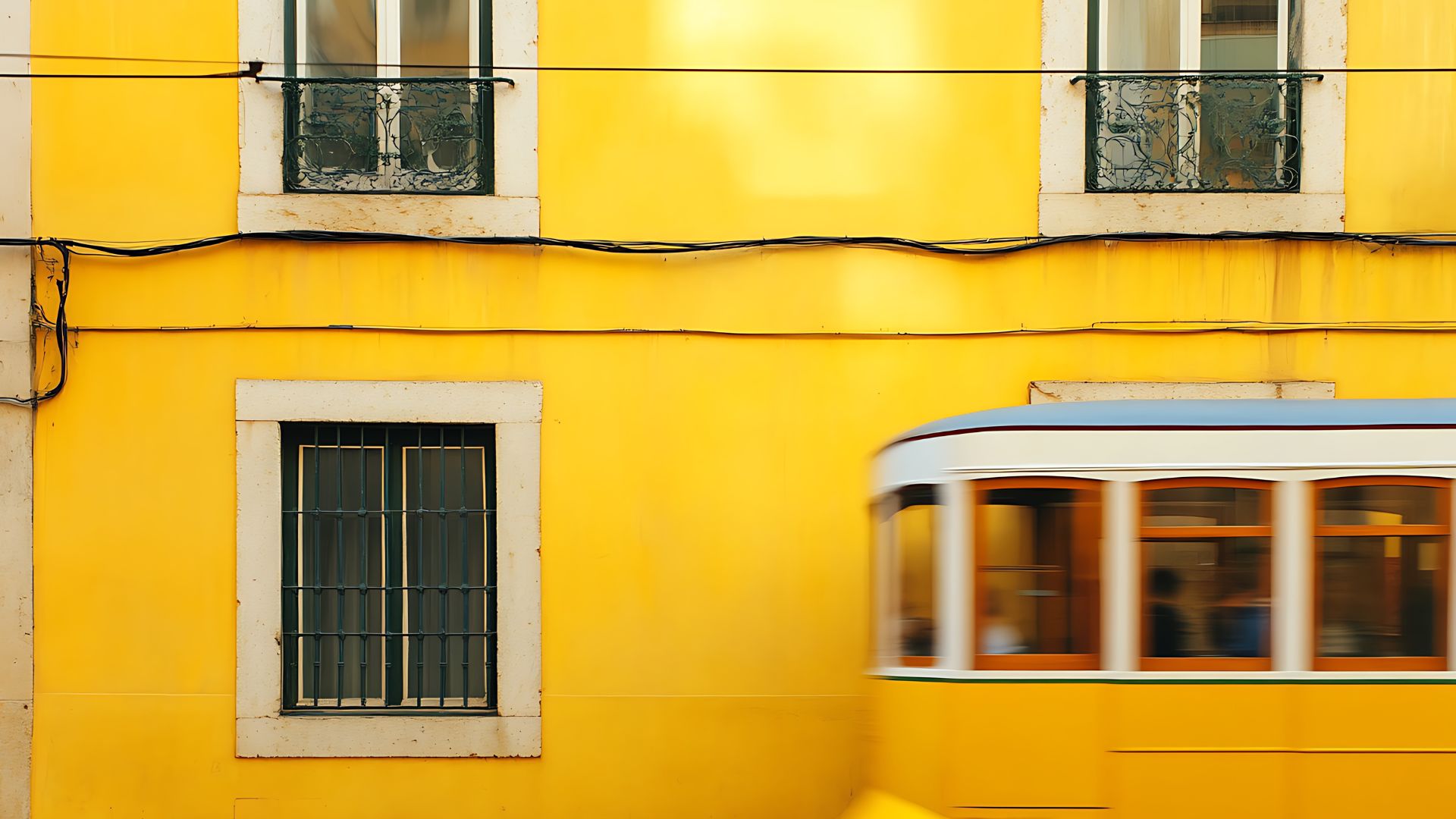
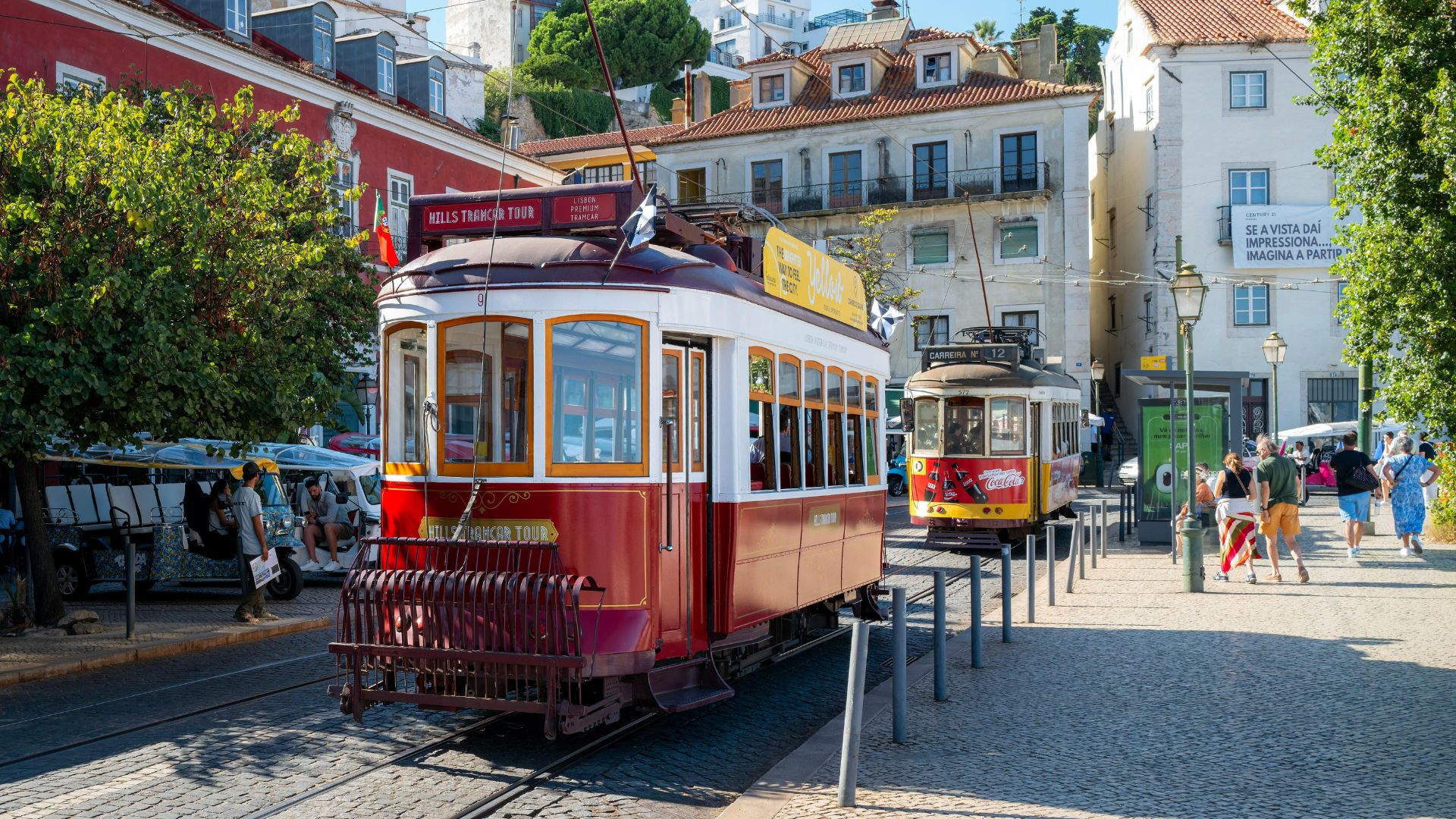
Tram 28 is the classic choice. The vintage yellow carriages rattle through the oldest neighbourhoods, passengers clinging to leather straps as the tram climbs and descends streets that cars can barely manage. Children adore it. The catch: it’s very popular, very slow, and prone to pickpockets. Go early morning (before 9am) to avoid the worst queues. Sit at the front for the best views.
The elevadores (funiculars) conquer specific hills without the tram’s crowds. Elevador da Bica climbs from Cais do Sodré to the Bairro Alto; Elevador da Glória connects Restauradores with the Miradouro de São Pedro de Alcântara. Both are included on public transport passes. The Elevador de Santa Justa — a lift from the Baixa to the Carmo — is more tourist trap than transport, but children enjoy it anyway.
Tuk-tuks are expensive but earn their money with tired children. A two-hour tour covers the highlights without walking; good drivers know which viewpoints work best for photographs and which ice cream shops are worth stopping at. Negotiate rates in advance (€60-80 for an hour is reasonable) and ignore the touts on the main squares.
The metro is less romantic but ruthlessly efficient. Modern trains, elevators at most stations, and air conditioning in summer make it the sensible choice for covering longer distances. The Oriente station serves the Parque das Nações (Oceanarium, Science Museum, cable car) and deserves a look itself — Santiago Calatrava’s design makes even changing trains feel dramatic.
For treats: Manteigaria for pastéis de nata eaten warm; Gelato Davvero for excellent Italian ice cream; Landeau for chocolate cake that adults will claim is for sharing and then not share.