
Island Hopping: The Logistics of Archipelago Travel
Indonesia’s seventeen thousand islands create both opportunity and challenge. The opportunity lies in diversity — the ability to construct itineraries that combine beaches, mountains, temples, wildlife, and diving within a single country. The challenge lies in logistics — the flights, ferries, and transfers that moving between islands requires. Understanding the transport infrastructure transforms Indonesia from daunting to navigable, though some complexity remains irreducible.
The domestic airline network connects more destinations than most visitors realise. Garuda Indonesia, the national carrier, provides reliable service to major destinations; Lion Air and its subsidiaries provide cheaper connections with variable reliability. The budget carriers have expanded access to islands that previously required days of boat travel; the tradeoff includes delays, cancellations, and customer service that falls below international standards. Build buffer days into itineraries; accept that connections may not proceed as scheduled.
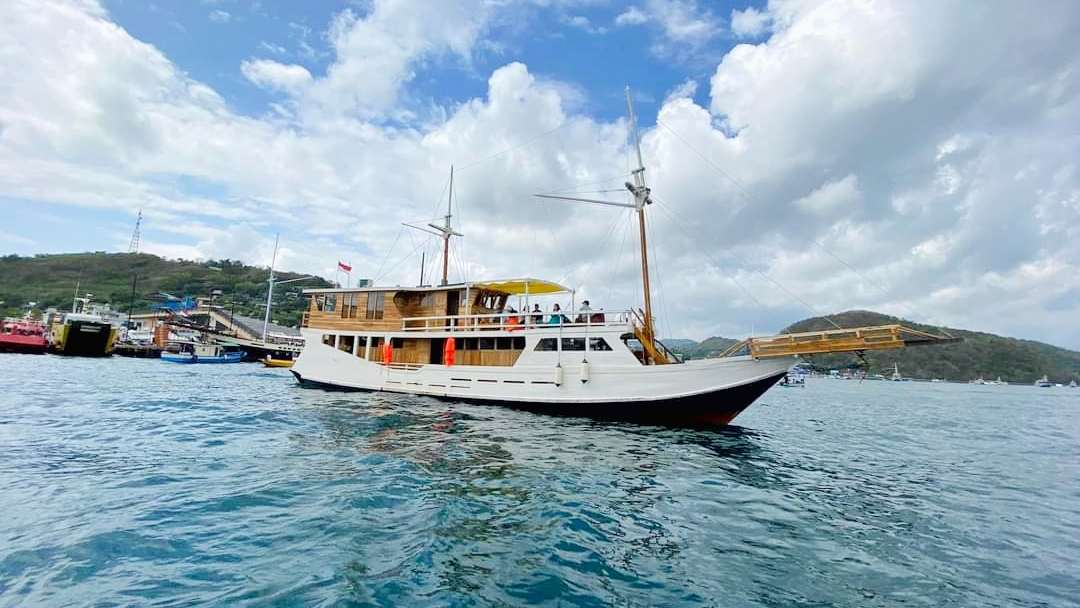
The boat options range from public ferries to private charters. The state ferry company connects major islands on schedules that suit local needs rather than tourist convenience. The fast boats that service tourist routes — Bali to Lombok, Bali to the Gilis, Flores to Komodo — provide efficient connections but can be uncomfortable in rough seas. The liveaboard cruises and private charters that service premium travellers solve logistics while providing experience: the phinisi cruises through Komodo, the yacht charters through Raja Ampat, the expedition vessels that reach destinations regular transport cannot.
The luxury approach simplifies considerably. The premium properties arrange transfers that remove complexity from guest experience: charter flights to Sumba, speedboat pickups in Raja Ampat, private transport throughout. The cost is substantial but the convenience genuine; for travellers whose time matters more than budget, the arranged transfers justify their premiums.
The itinerary planning that logistics require focuses attention on what matters. Three weeks allows four or five islands visited properly; attempting more means seeing airports and boat terminals rather than destinations. The sequential logic — island chains rather than random hopping — reduces backtracking. And the acceptance that some islands will wait for future visits allows the present trip to proceed at pace that permits genuine experience rather than mere coverage. Indonesia is too large to see comprehensively; the goal is depth in selected places rather than breadth that exhausts.