
Indonesia: Eat Like a Local
Eat Like a Local
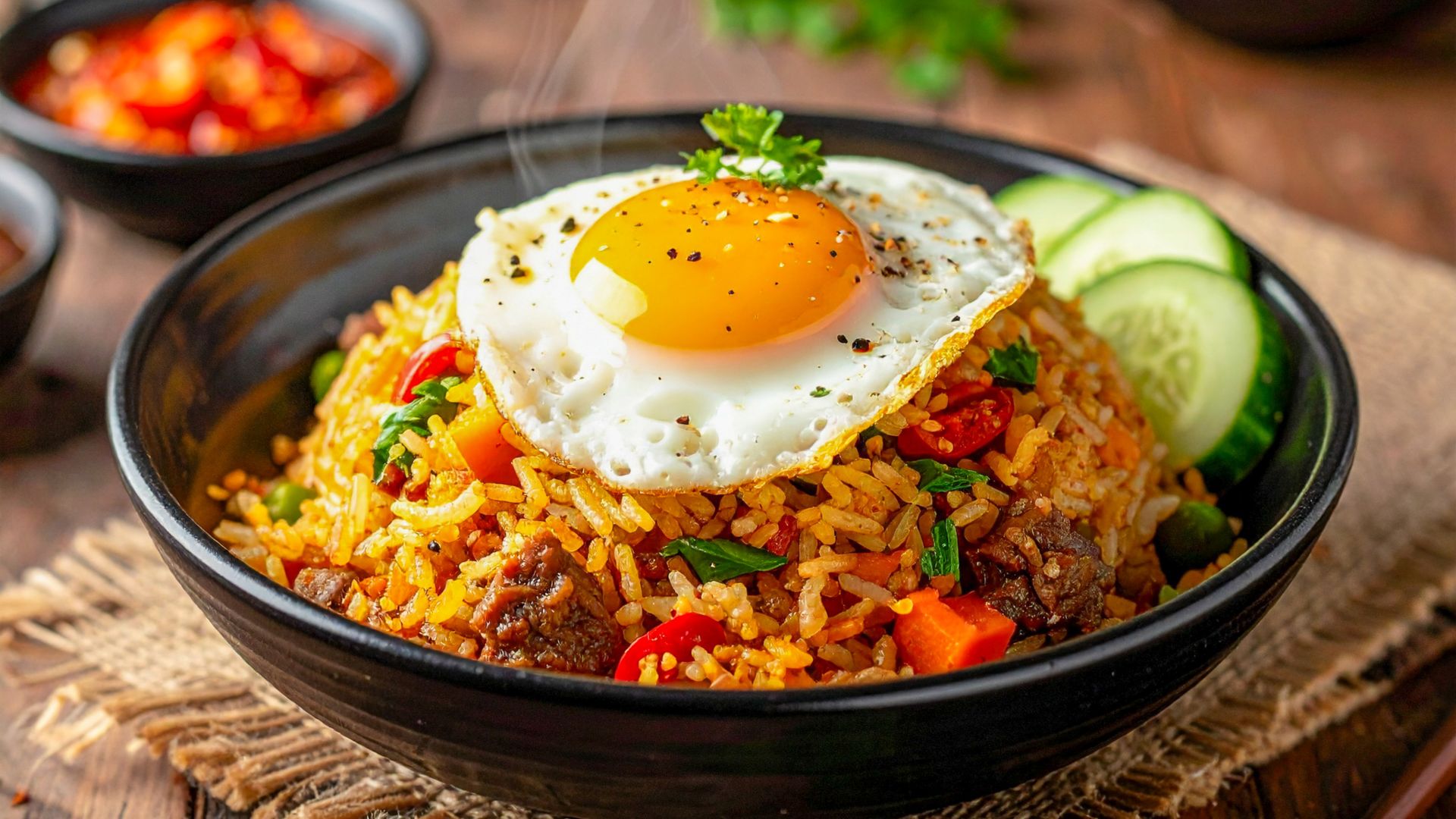
- Nasi Goreng — Street Food / Casual Dining
Expect to pay: £2–£8 depending on venue
Indonesia’s national dish—fried rice wok-tossed with sweet soy sauce (kecap manis), garlic, shallots, and chilli, topped with a fried egg and served with prawn crackers and pickled vegetables. Every warung (street stall) and hotel restaurant serves their version; the best achieve that crucial wok hei (breath of the wok) that distinguishes good fried rice from great. Additions might include chicken, prawns, or the beloved bakso (meatballs). Eaten for breakfast, lunch, or dinner, nasi goreng represents Indonesian cooking at its most democratic and delicious. The fried egg must have runny yolk; this is non-negotiable.
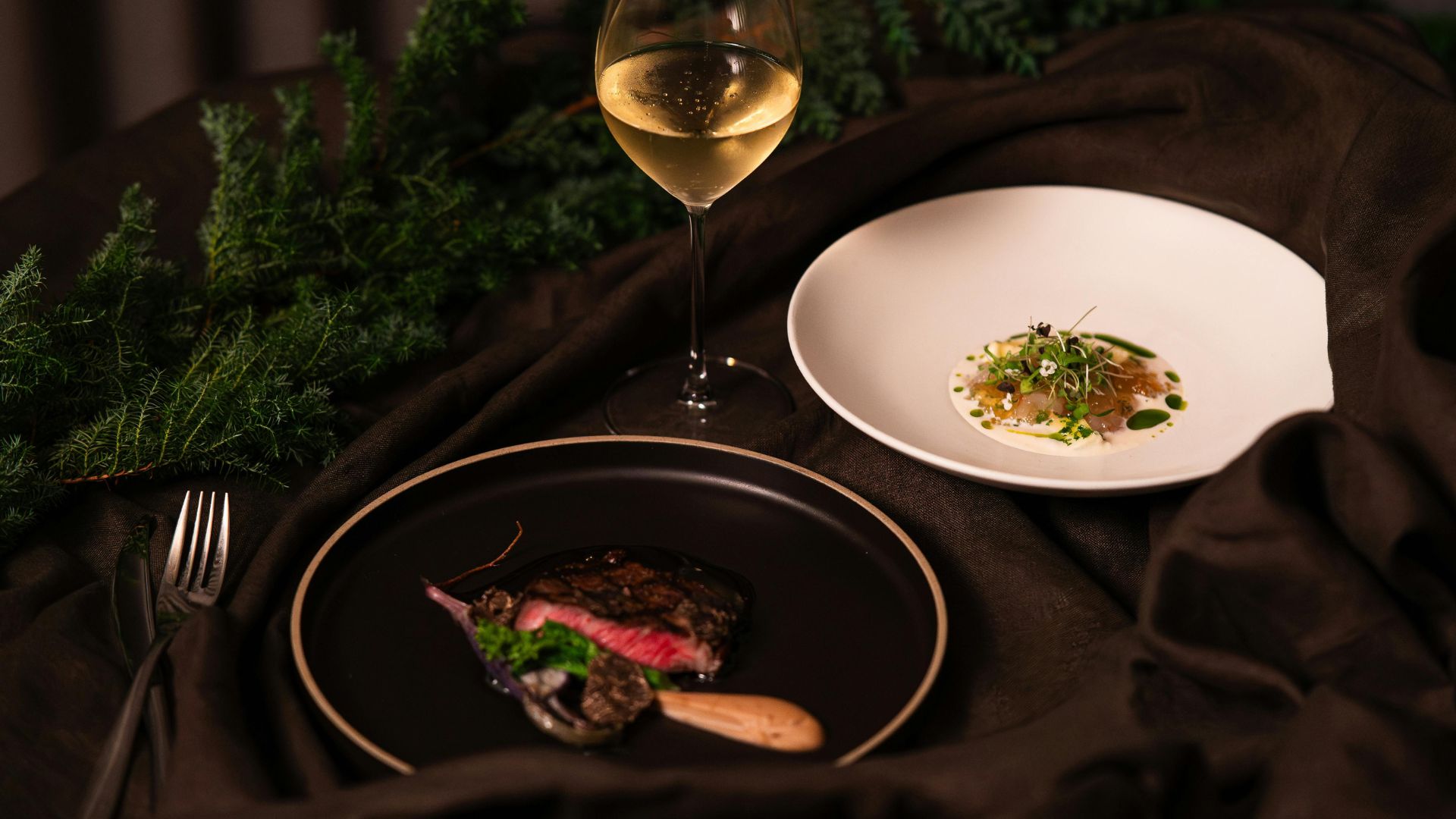
- Fine Dining at a Destination Restaurant — Fine Dining
Expect to pay: £60–£120 for tasting menu; £90–£180 with wine pairing
Indonesia’s fine dining scene has matured remarkably, with restaurants like Locavore in Ubud earning international recognition for hyper-local, sustainable cuisine. Expect indigenous ingredients—torch ginger, andaliman pepper, keluak nuts—presented through contemporary technique. Jakarta’s Namaaz Dining offers modernist Indonesian; Bali’s Mozaic pioneered fine dining using local produce. The tasting menus reveal Indonesia’s extraordinary culinary diversity, from Javanese refinement to Balinese spicing to Sumatran intensity. Book well ahead for the celebrated addresses, embrace the multi-hour commitment, and discover that Indonesian cuisine can stand alongside any global cuisine at the highest level.
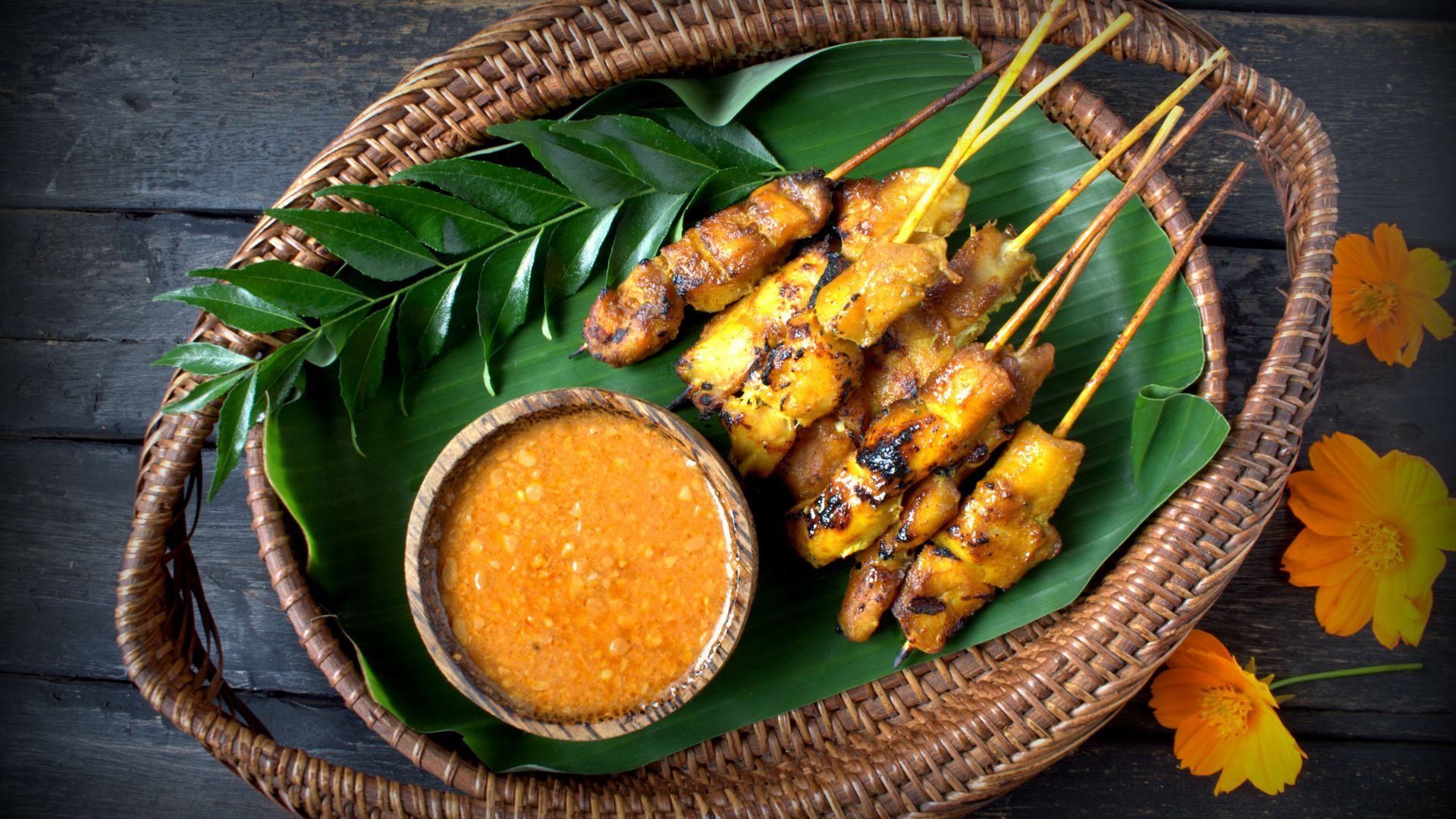
- Satay — Street Food
Expect to pay: £2–£6 for a portion of skewers
Skewered meat grilled over charcoal and served with peanut sauce—satay appears across Indonesia in regional variations that inspire fierce loyalty. Madura’s beef satay uses sweet soy marinade; Padang’s satay comes with spicy curry sauce; Bali’s satay lilit wraps minced fish around lemongrass stalks. The peanut sauce should balance sweetness, spice, and nuttiness; the meat should be charred outside and tender within. Seek out the smoky street stalls where vendors fan flames and turn skewers with practised rhythm. A plate of satay, cold Bintang beer, and a plastic stool represent Indonesian street food at its finest.
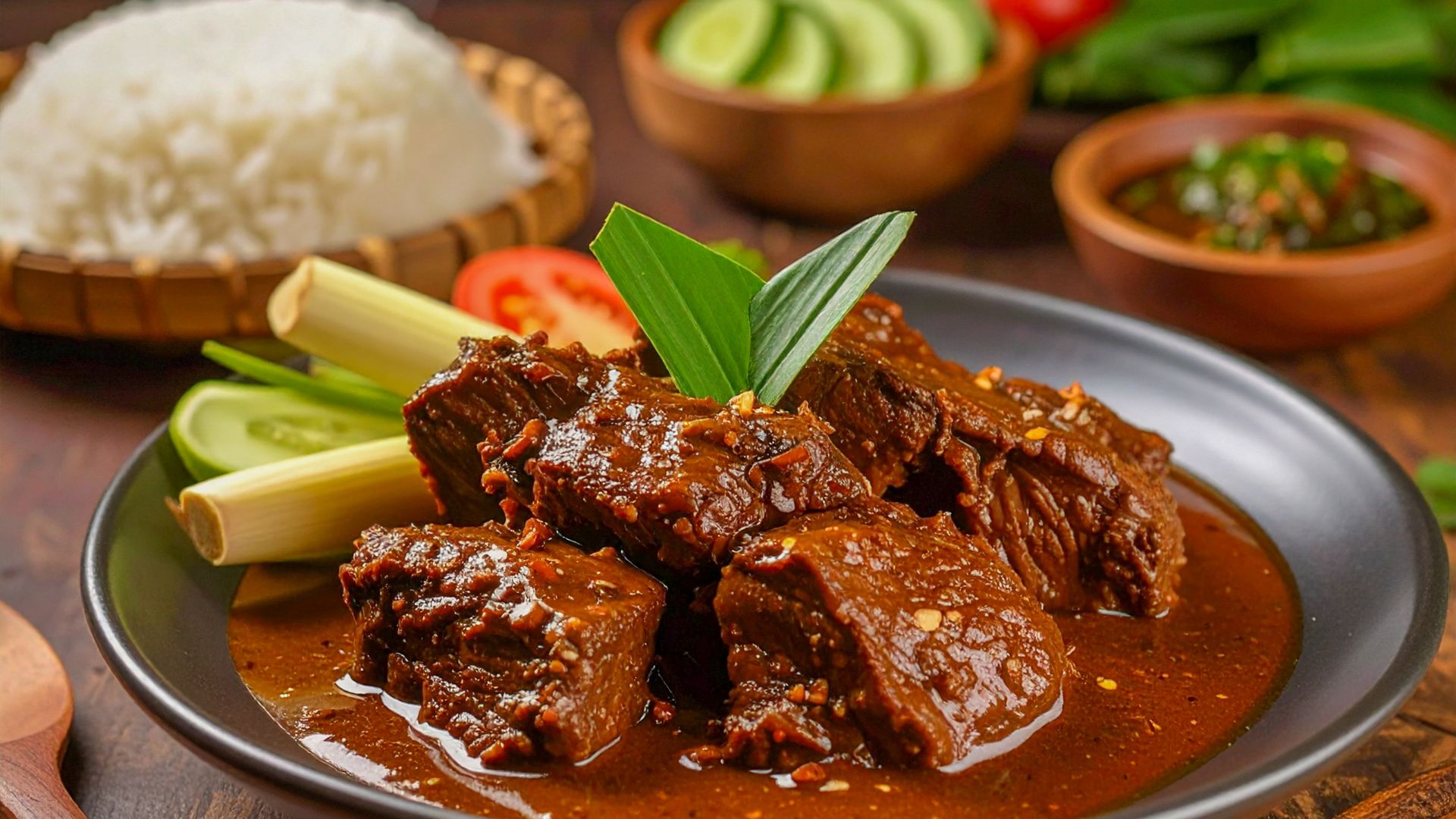
- Rendang — Casual Dining
Expect to pay: £5–£12 at quality restaurants
This Minangkabau masterpiece from West Sumatra has been voted the world’s most delicious food—beef slow-cooked in coconut milk and spices until the liquid evaporates and the meat becomes intensely flavoured, almost dry, and impossibly tender. The spice paste (bumbu) includes galangal, lemongrass, turmeric leaves, and chillies; the cooking takes hours of patient stirring. Proper rendang should be dark, rich, and complex, not swimming in sauce. Padang restaurants throughout Indonesia serve it as part of their unique service style; seek out establishments where the rendang has clearly cooked for hours, its flavours concentrated to perfection.
- Babi Guling (Balinese Roast Pig) — Casual Dining
Expect to pay: £5–£15 for a mixed plate
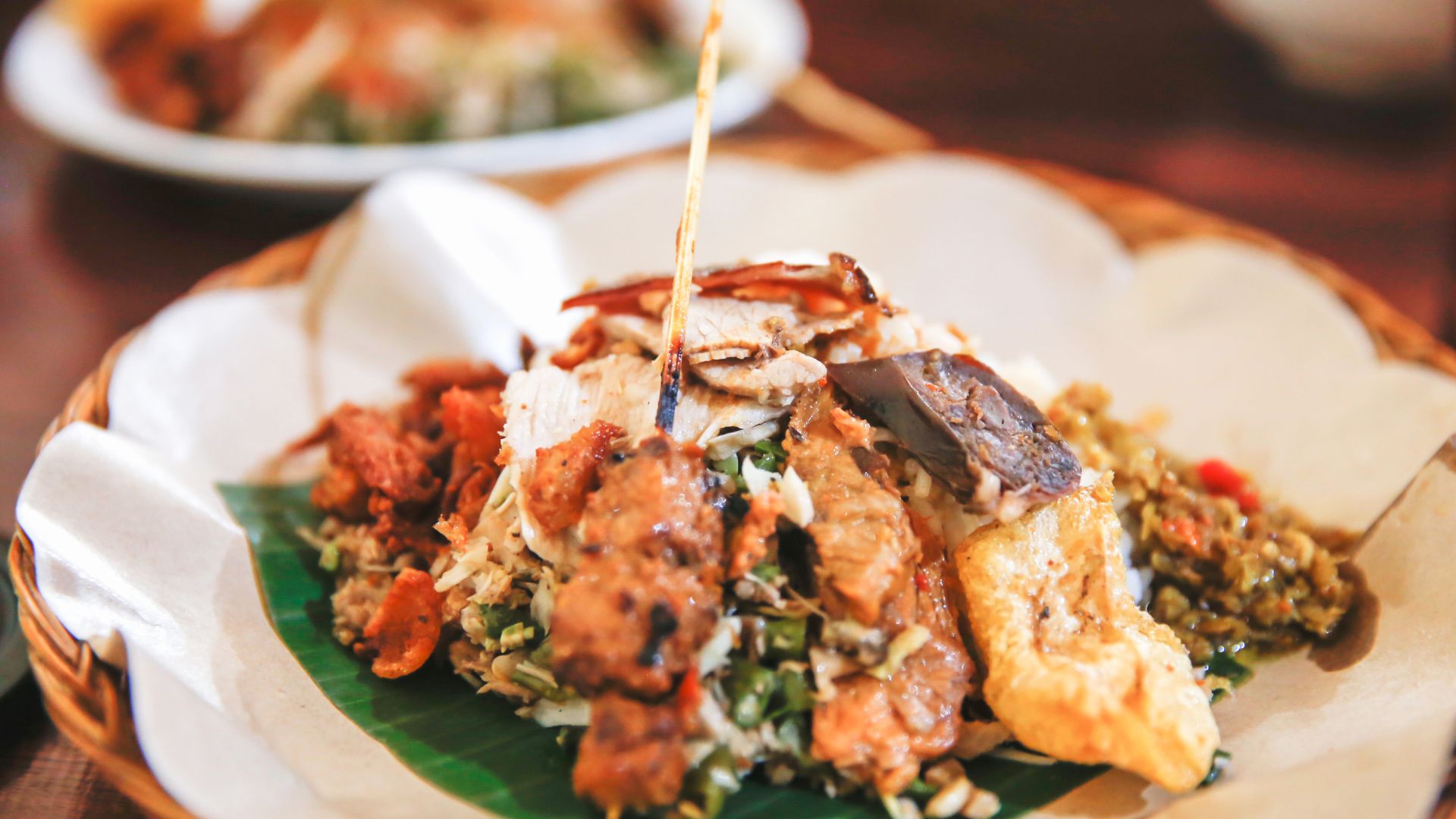
Bali’s most celebrated dish—a whole pig stuffed with spices, including turmeric, coriander, lemongrass, and the essential Balinese chilli paste, then spit-roasted until the skin achieves shattering crispness. Ibu Oka in Ubud achieved fame after Anthony Bourdain’s visit; countless warungs serve their own excellent versions. A proper plate includes crispy skin, tender meat, blood sausage (lawar), and spiced vegetables. The Hindu Balinese consume pork enthusiastically; this is their masterpiece. Arrive before noon when the pig is freshest, join the queue, and experience pork prepared with obsessive Balinese attention to flavour.
- Gado-Gado — Street Food / Casual Dining
Expect to pay: £2–£6 for a generous serving
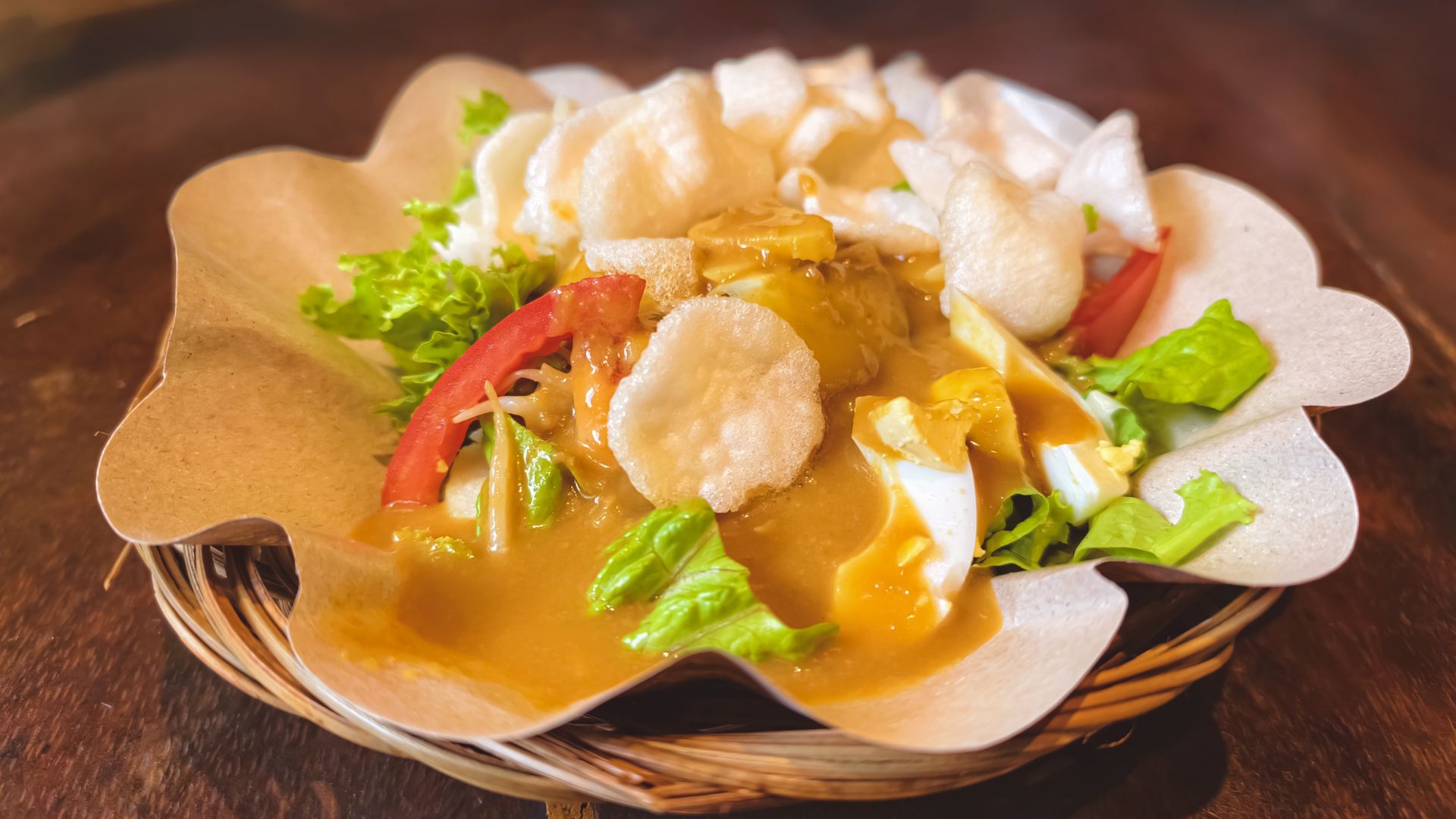
Indonesia’s beloved vegetable salad—blanched vegetables, tofu, tempeh, and boiled eggs dressed in thick peanut sauce with a squeeze of lime and crispy shallots. The vegetables should retain crunch; the sauce should balance sweet, sour, and spicy; the textures should vary from soft to crispy. Every region adjusts the recipe; every cook guards their sauce formula. Gado-gado appears everywhere from street carts to hotel restaurants, and quality varies enormously. Seek out places making their sauce fresh, using real peanuts rather than commercial pastes. Healthy, satisfying, and genuinely delicious—Indonesia’s answer to the composed salad.
- Soto — Street Food / Casual Dining
Expect to pay: £2–£5 for a bowl
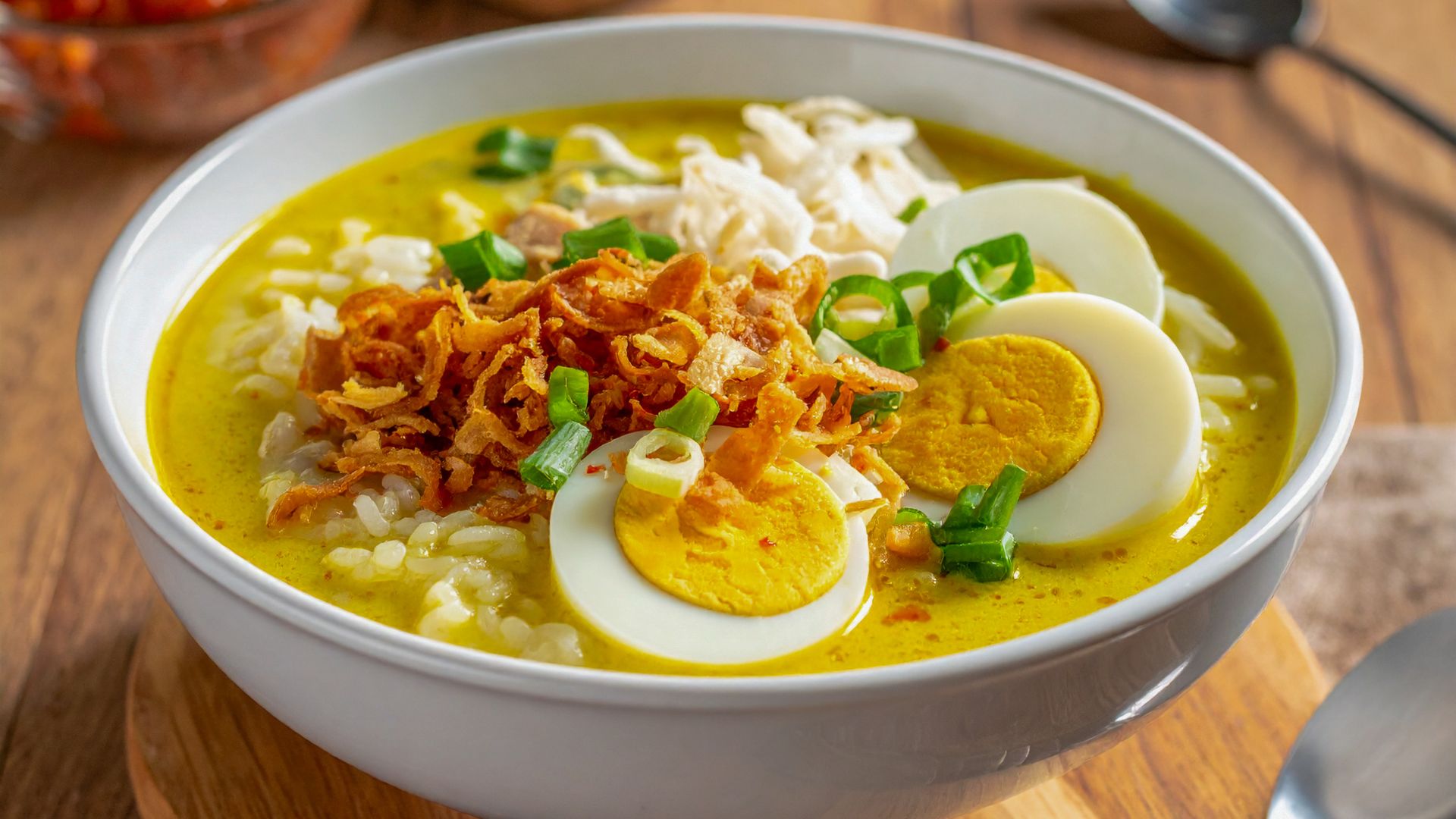
Indonesia’s soup tradition spans dozens of regional variations, each reflecting local ingredients and preferences. Soto ayam (chicken) provides comfort across Java; soto betawi (Jakarta style) uses beef and coconut milk; soto banjar from Kalimantan adds potato cakes and eggs. The broths range from clear to creamy, mild to fiery. Condiments are essential—lime, sambal, krupuk, fried shallots—allowing each diner to customise their bowl. Breakfast soto stalls open before dawn; the tradition of starting the day with soup speaks to Indonesia’s wisdom about balanced eating. Find the stall with the longest queue and trust the locals.
- Mie Goreng — Street Food / Casual Dining
Expect to pay: £2–£7 depending on venue
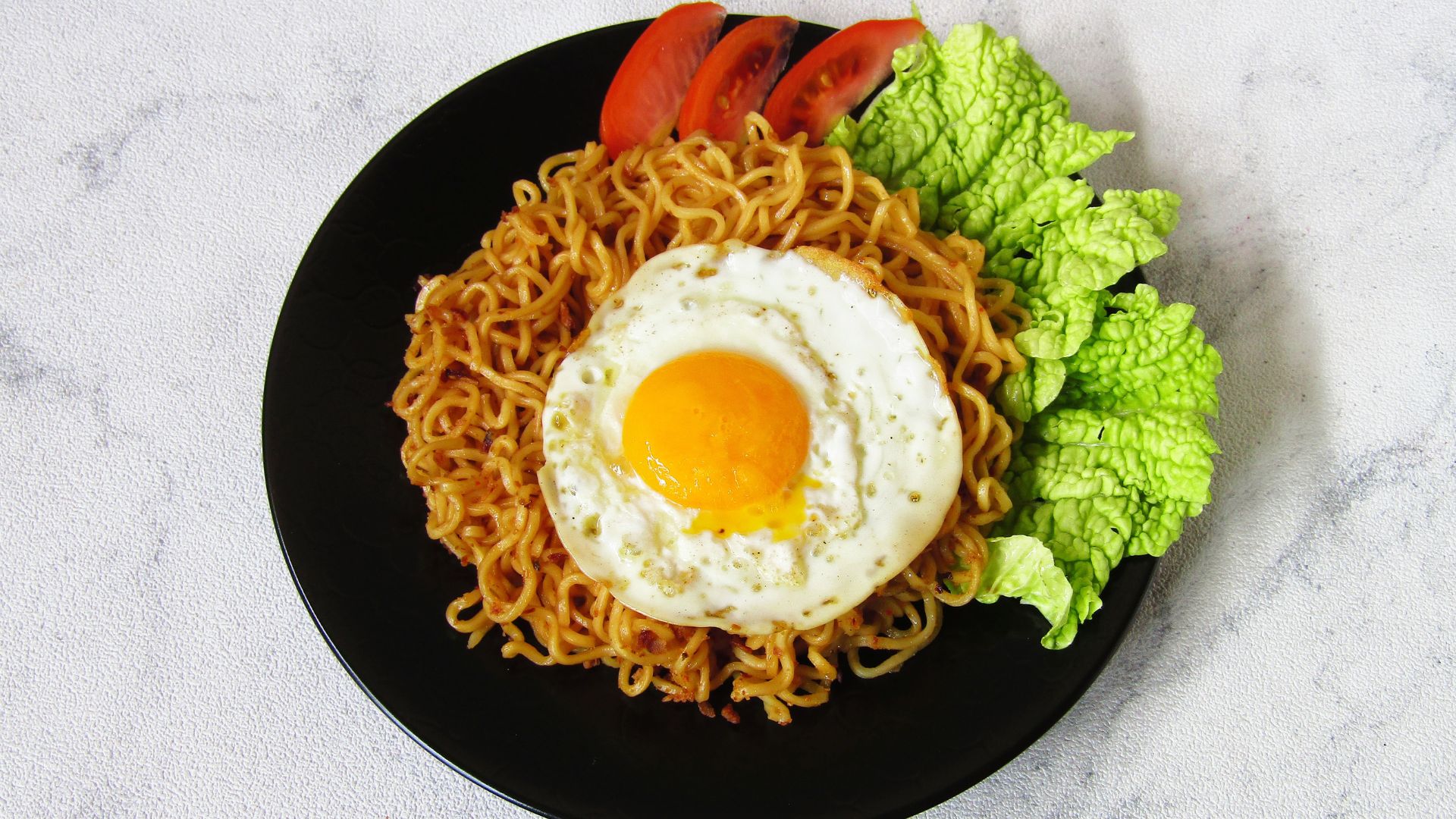
Fried noodles, wok-tossed with vegetables, egg, and meat or seafood in sweet soy sauce—mie goreng rivals nasi goreng as Indonesia’s most ubiquitous dish. The noodles should be slightly chewy, the vegetables still crisp, the sauce caramelised but not burned. Served with sambal and pickles, this is street food perfection. The dish reflects Chinese influence on Indonesian cuisine, adapted over centuries to local tastes. Every warung has its version; the best achieve that balance of sweet, salty, and smoky that defines great Indonesian wok cooking. Simple, satisfying, available at any hour.
- Bakso — Street Food
Expect to pay: £1–£4 for a bowl
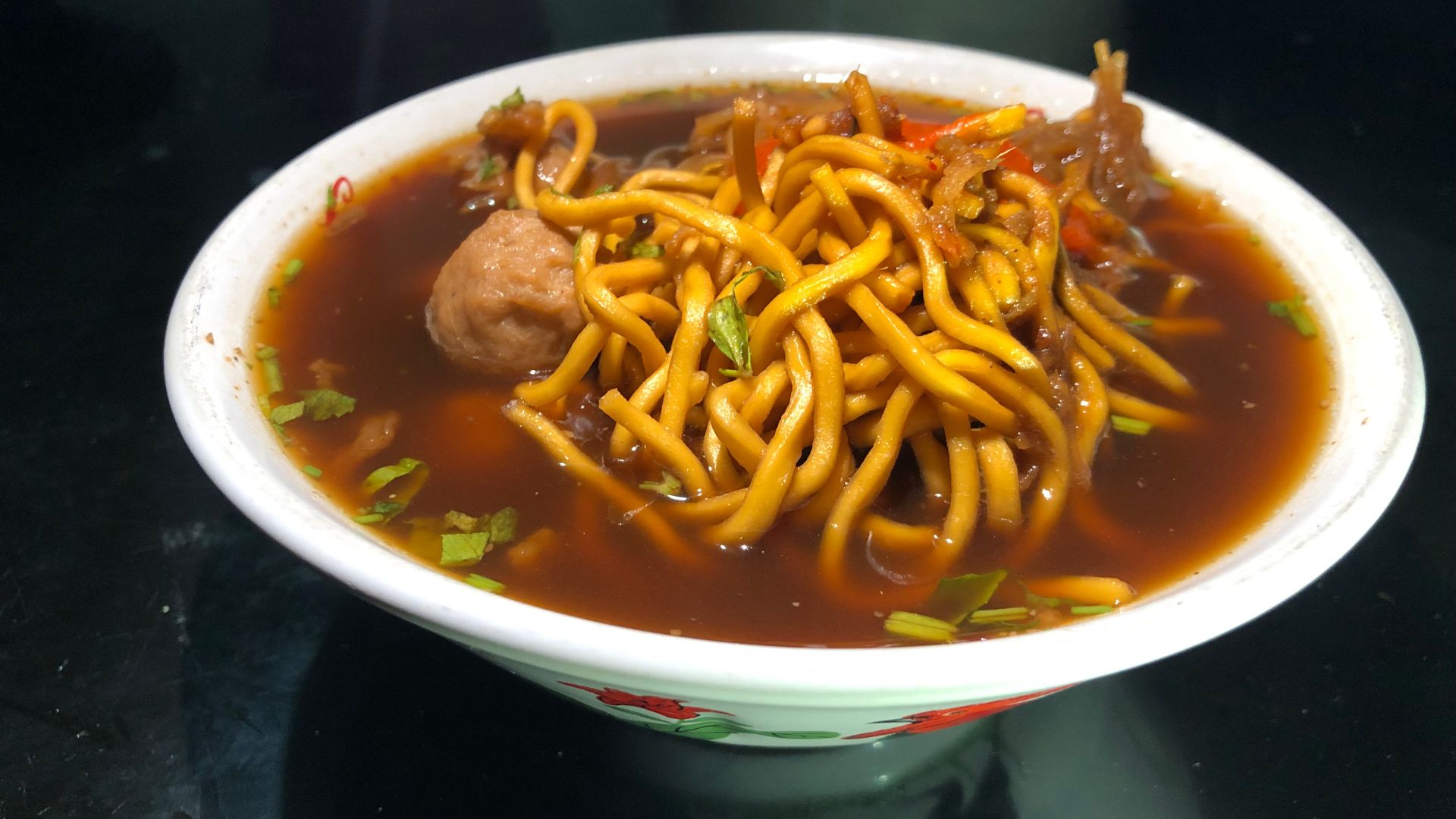
These bouncy meatballs—typically beef, sometimes chicken or fish—are served in clear broth with noodles, vegetables, and an array of condiments. The texture is distinctive: springy, almost chewy, unlike any Western meatball. Mobile bakso carts announce themselves with distinctive knocking sounds; permanent stalls serve hungry crowds at all hours. Add sambal for heat, sweet soy for depth, and lime for brightness. Former president Joko Widodo’s love of bakso helped cement its status as Indonesia’s most democratic food—eaten by everyone, everywhere, always comforting. The perfect Indonesian street snack.
- Martabak — Street Food / Dessert
Expect to pay: £3–£8 depending on size and toppings
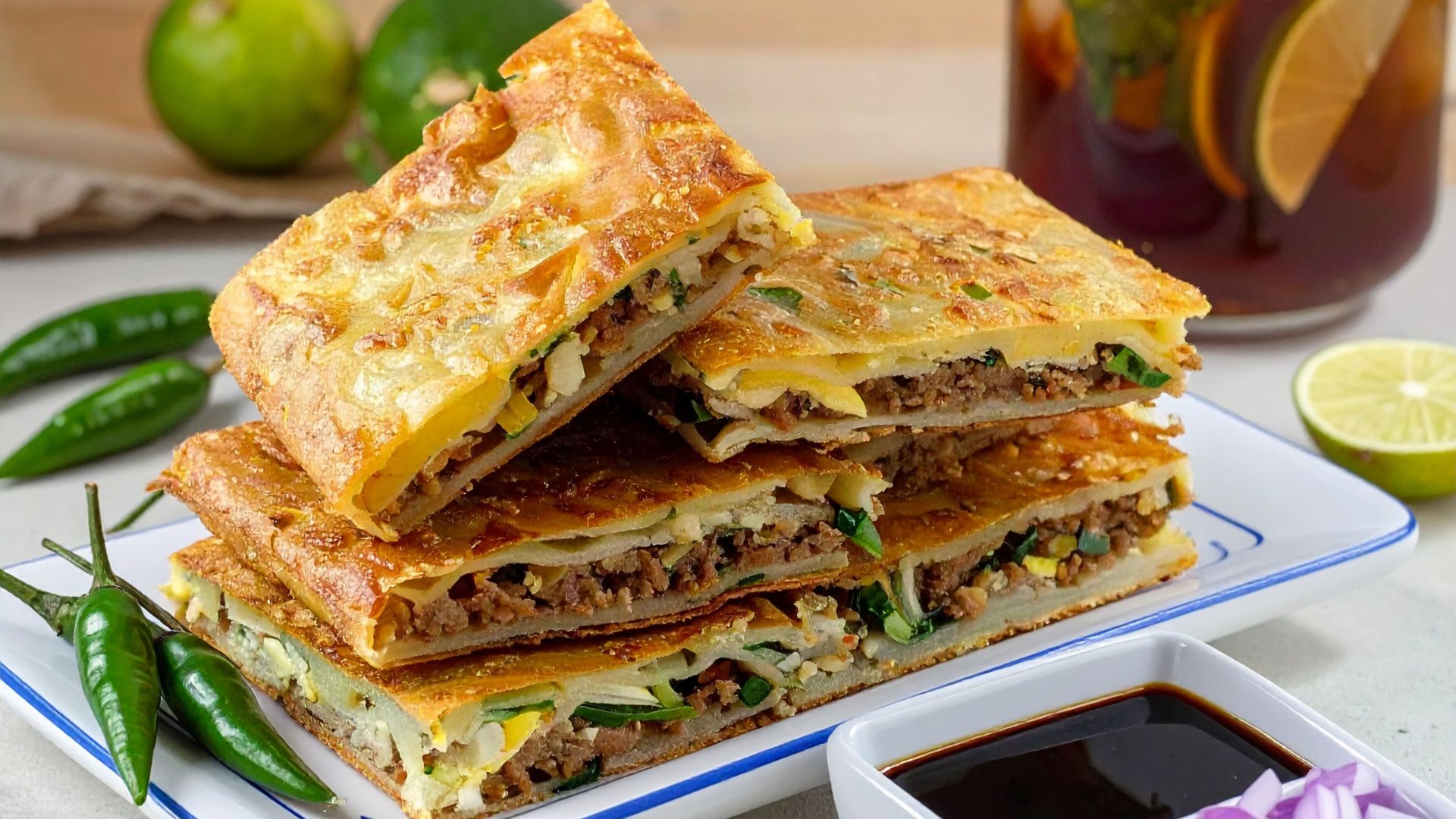
Indonesia’s beloved street dessert comes in two forms: martabak manis (sweet)—a thick, fluffy pancake stuffed with chocolate, cheese, peanuts, or condensed milk—and martabak telur (savoury)—a stuffed crispy pancake with egg, meat, and spring onions. The sweet version, slathered with butter and folded around its fillings, achieves textures and sweetness levels that seem excessive until you try them. Evening martabak stalls draw crowds; watching the cooks pour batter and layer toppings is theatre. Share one (they’re substantial), embrace the caloric excess, and understand why Indonesians queue for this street food phenomenon.
Useful Links:
Street Food (Authentic & Local)
Babi Guling Pak Malen – Seminyak
Iconic Balinese roast pork warung loved by locals for crispy skin and spicy sambal.
🔗 https://babigulingpakmalen.comMade’s Warung – Seminyak & Kuta
Long-running Bali institution serving authentic Indonesian classics and street-style favourites in a relaxed setting.
🔗 https://madeswarung.comNaughty Nuri’s – Ubud
Legendary ribs, skewers and cocktails — lively, affordable and packed every night.
🔗 https://www.naughtynurys.com
Fine Dining (Upscale Bali Cuisine)
Mozaic Restaurant (Ubud) – Pioneer of Bali’s fine dining scene, blending Indonesian ingredients with French technique.
🔗 https://www.mozaic-bali.com/Apéritif Restaurant (Ubud) – Elegant destination for creative cuisine in a lush rice-field setting.
🔗 https://www.aperitif.com/fine-dining-bali/The View Restaurant, Biu Biu Resort (Jimbaran) – Cliff-side fine dining with Indian Ocean views and refined Indonesian-inspired menu.
🔗 https://theviewrestaurantbali.com/
Local and Instagram Worthy Restaurants
- La Lucciola (Seminyak) – Stylish beachfront dining perfect for lunch or sunset cocktails.
🔗 https://laluciola.com/ (official site) - Sardine (Seminyak) – Fresh seafood in a rice-field setting and open-air veranda.
🔗 http://www.sardinebali.com/ (official site) - Mowie’s Bar (Gili Air) – Casual beachfront locale with relaxed vibes and good food right on the sand.
🔗 http://www.mowiesgiliair.com/
Tips for Street Food in Bali
Bali’s street food scene thrives in markets and warungs (family-run eateries), where dishes like nasi campur, satay lilit and bakso are cooked fresh and cheap — especially at night markets like Gianyar Night Market or Sanur Night Market.