Where to find Vermeer, Rembrandt, and van Gogh without the crowds
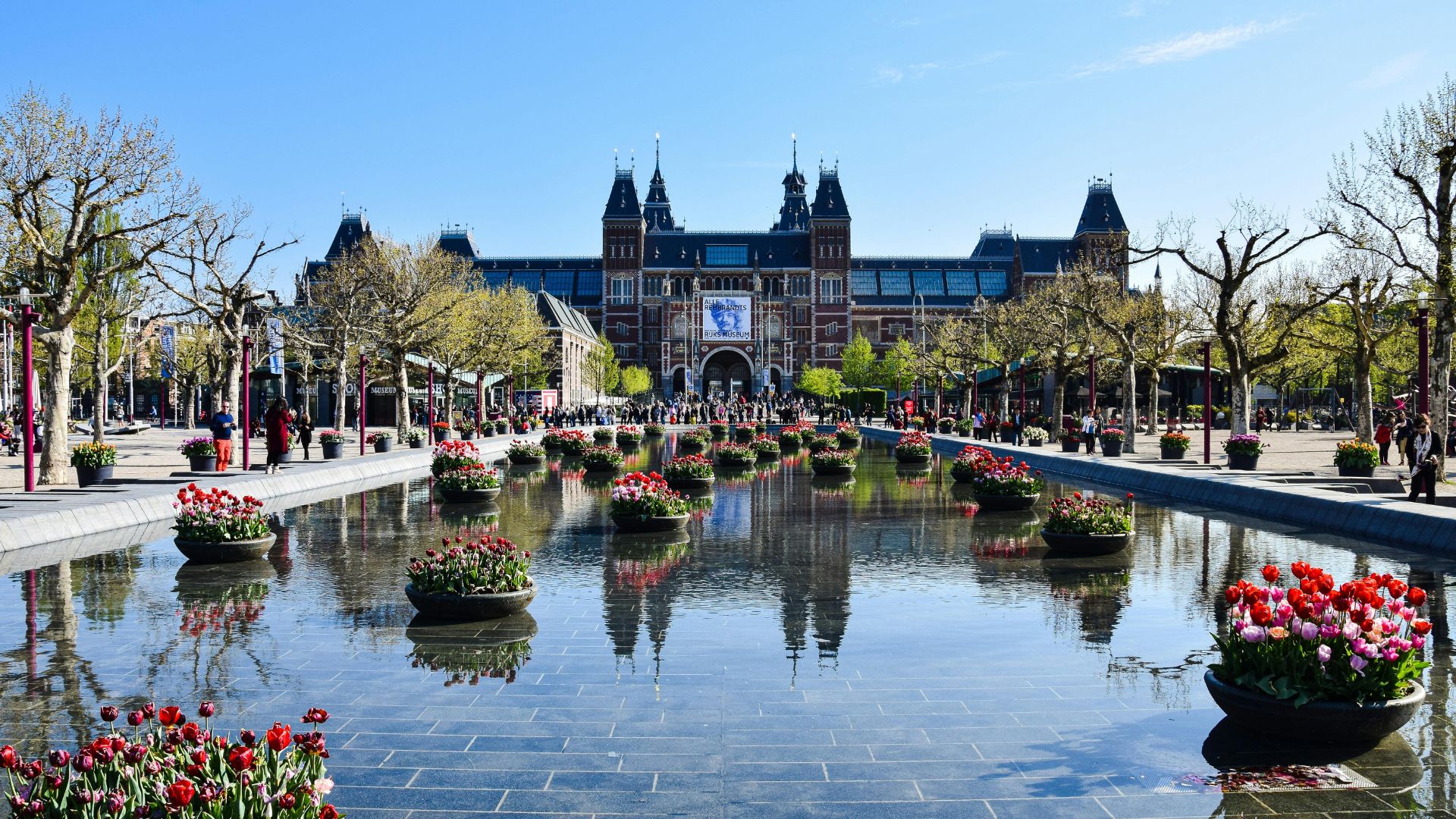
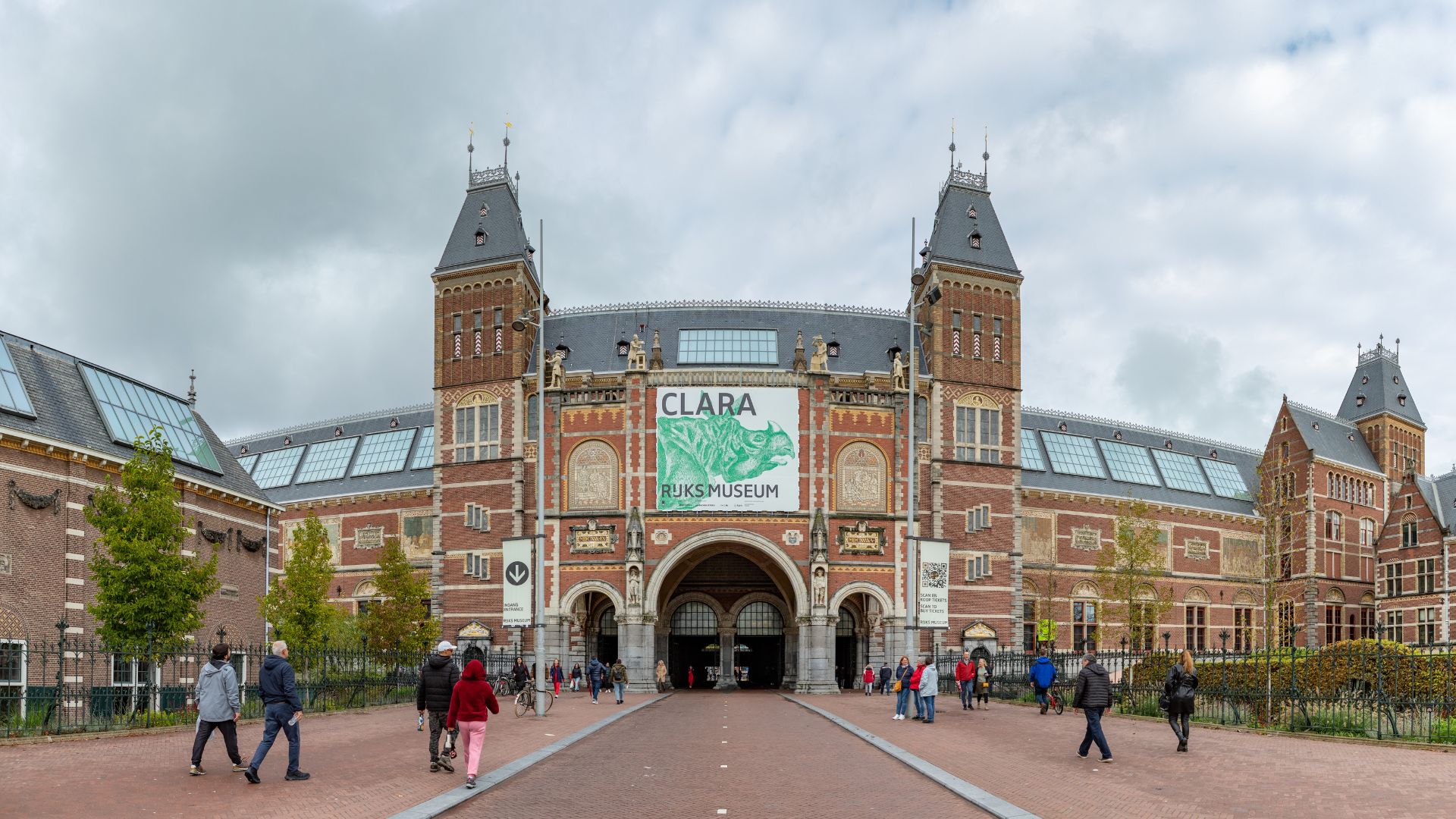
The Rijksmuseum is extraordinary and unavoidable. But spending three hours in a crowd ten-deep around the Night Watch, while children ask loudly when they can leave, is not the transcendent art experience you might have hoped for. The good news: the Netherlands has more Golden Age masterpieces per square metre than anywhere else, and many of them hide in plain sight.
Start with the Mauritshuis in The Hague, where Vermeer’s Girl with a Pearl Earring hangs in a room small enough to feel like a private viewing. The building — a 17th-century townhouse — holds the Dutch Royal Collection, amassed by stadtholders with excellent taste and unlimited budgets. Fabritius’s Goldfinch, Rembrandt’s Anatomy Lesson, Vermeer’s View of Delft: they’re all here, presented without fanfare in rooms designed for exactly this purpose.
The Frans Hals Museum in Haarlem occupies an almshouse where the artist spent his final years. His group portraits of civic guards — boozy, chaotic, brilliantly observed — hang in rooms unchanged since the 17th century. The museum recently absorbed a modern art space, creating unexpected conversations between Dutch masters and contemporary works.
For Van Gogh, skip the queues at the Amsterdam museum and travel to the Kröller-Müller in the Hoge Veluwe national park. This astonishing collection, hidden in a woodland park accessible only by bicycle or foot, holds 90 Van Gogh paintings and 180 drawings — the second-largest collection in the world. Rent a white bicycle (they’re free, scattered throughout the park) and cycle through heath and forest to find masterpieces waiting in near-empty galleries.
Other hidden gems: the Dordrechts Museum, birthplace of the Dutch Golden Age, with works by Cuyp and Maes in their hometown setting. Museum de Lakenhal in Leiden, recently renovated, where Rembrandt’s earliest works hang alongside contemporary installations. The Teylers Museum in Haarlem, unchanged since the 18th century, displaying fossils and scientific instruments alongside old masters. Each offers masterpieces without masses — the rare chance to stand alone before genius and simply look.