
Germany: Eat Like a Local
- Schweinshaxe (Pork Knuckle) — Casual Dining
Expect to pay: £15–£25 for a full haxe
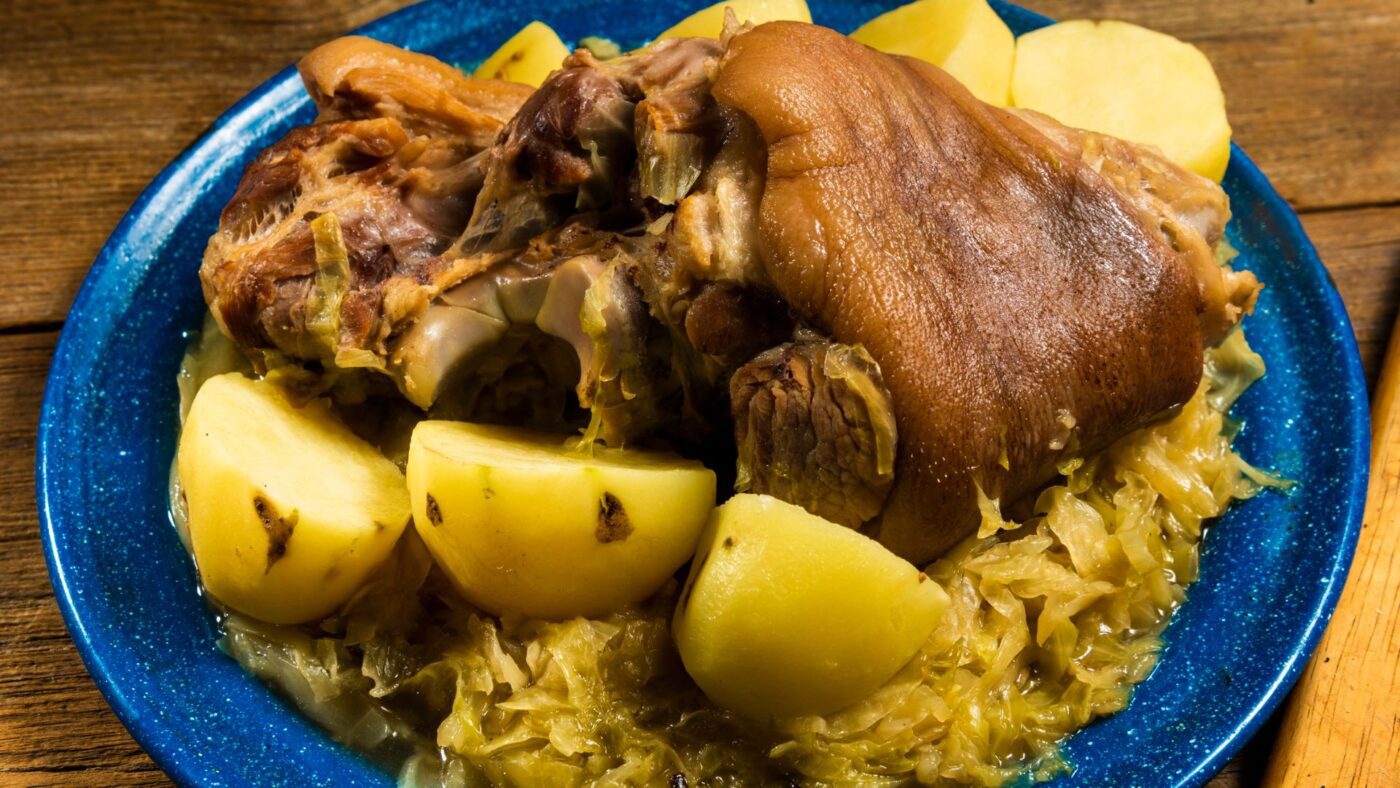
Bavaria’s signature dish—a whole pork knuckle roasted until the skin crackles and shatters while the meat within remains impossibly tender. Served with sauerkraut and bread dumplings (semmelknödel), this is not diet food. The skin is the prize: golden, crispy, seasoned with caraway and salt. Munich’s beer halls—Augustiner, Hofbräuhaus, Ayinger—serve definitive versions, though the dish appears across Bavaria. Pair with a litre of helles (pale lager) and embrace the excess. One haxe serves one German; visitors might consider sharing. The gnawing of bones is expected and encouraged.
- Michelin-Starred German Cuisine — Fine Dining
Expect to pay: £120–£200 for tasting menu; £180–£320 with wine pairing
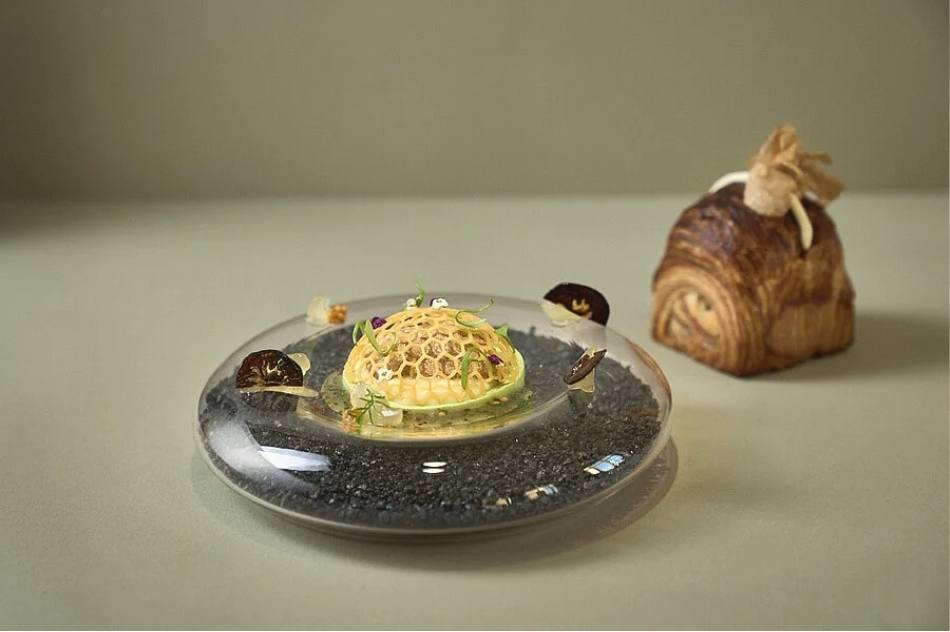
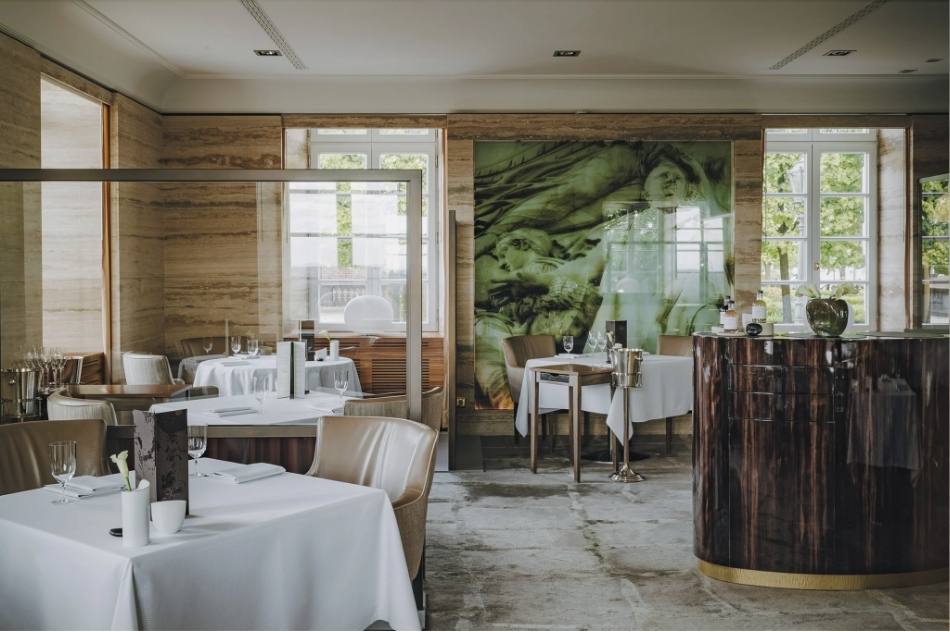
German fine dining has achieved extraordinary heights, with restaurants like Vendôme, Schwarzwaldstube, and The Table earning three Michelin stars. Modern German cuisine reinterprets traditional ingredients—wild game, freshwater fish, root vegetables, forest mushrooms—through contemporary technique. The wine lists showcase German Rieslings alongside international selections; the service balances formality with warmth. Berlin, Munich, and Hamburg each boast vibrant scenes; smaller cities often surprise with ambitious restaurants. Book well ahead for the celebrated addresses, embrace the multi-hour commitment, and discover that German cuisine extends far beyond sausages and schnitzel.
- Bratwurst — Street Food
Expect to pay: £4–£8 for a wurst with bread
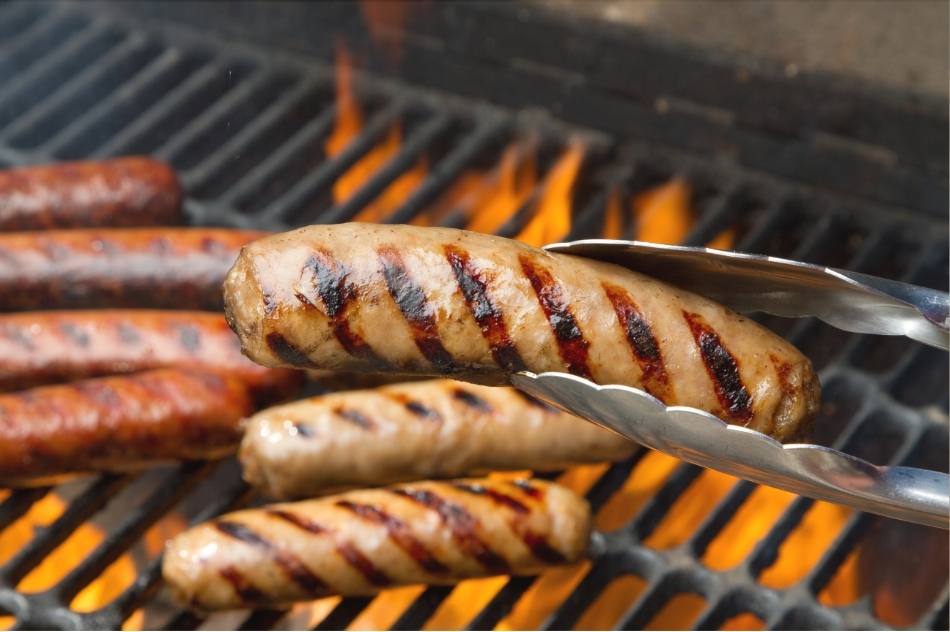
Regional bratwurst varieties inspire fierce local pride across Germany. Nuremberg’s tiny, finger-sized würstchen (traditionally a dozen per serving) contrast with Thuringia’s long, spiced versions; Franconian bratwurst differs from Bavarian; the currywurst of Berlin adds curry powder and ketchup to create something entirely different. Seek them from market stalls, where they’re grilled over beechwood and served in a crusty roll with mustard. The snap of quality casing, the seasoned pork within, the simplicity of bread and mustard—Germany’s street food tradition requires no elaboration. Quality varies enormously; the queue length usually indicates excellence.
- Sauerbraten — Casual Dining
Expect to pay: £18–£28 for a traditional serving
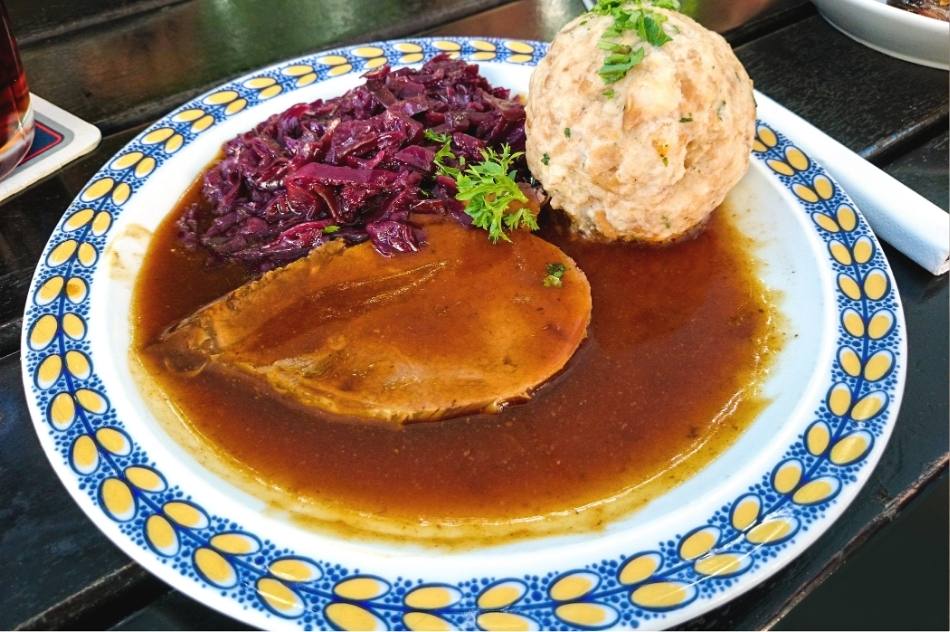
Germany’s pot roast involves marinating beef for days in vinegar and spices before slow-cooking until impossibly tender. The Rhineland version adds raisins and gingerbread to the gravy; Swabian versions incorporate spätzle (egg noodles); regional variations abound. The meat should shred at fork touch; the gravy should balance sweet, sour, and savoury. This is grandmother cooking, appearing at traditional restaurants and Sunday family tables across the country. The preparation requires patience; the eating requires appreciation for slow food done properly. Paired with a Mosel Riesling, sauerbraten represents German comfort at its finest.
- Pretzels (Brezn) — Street Food
Expect to pay: £2–£4 for a quality pretzel
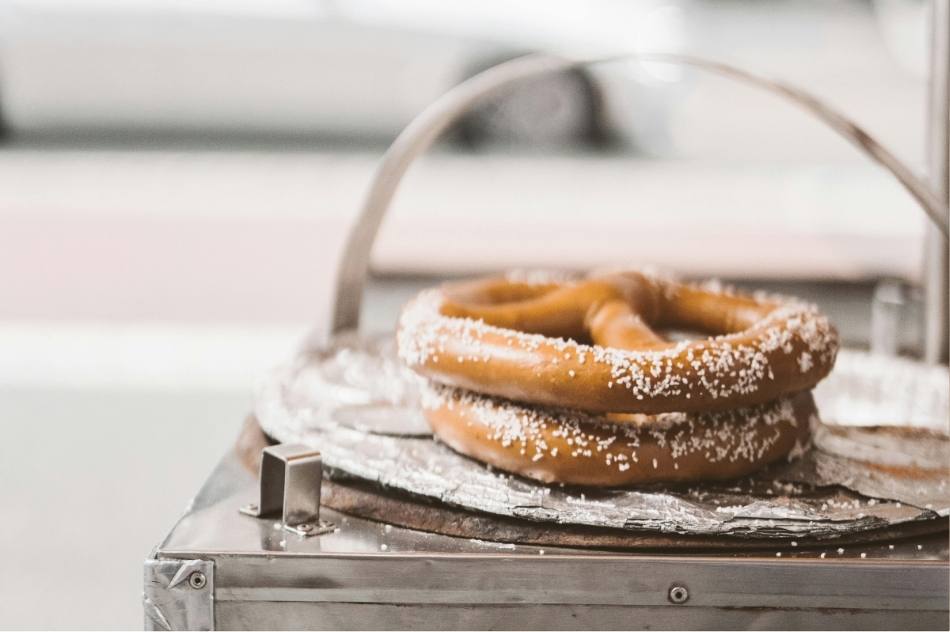
The Bavarian pretzel—twisted, salted, golden-brown with a chewy interior—accompanies every beer garden visit and market stroll. Proper brezn differ from American soft pretzels: the crust should have slight crunch, the interior should be chewy rather than bready, and the salt crystals should be coarse. Munich’s bakeries produce excellent versions; Augustiner beer garden serves them with obatzda (cheese spread). Some prefer butter; purists want only salt. Either way, a fresh pretzel with a morning weissbier (wheat beer) is a Bavarian breakfast tradition that visitors should embrace without hesitation.
- Käsespätzle — Casual Dining
Expect to pay: £12–£18 for a generous serving
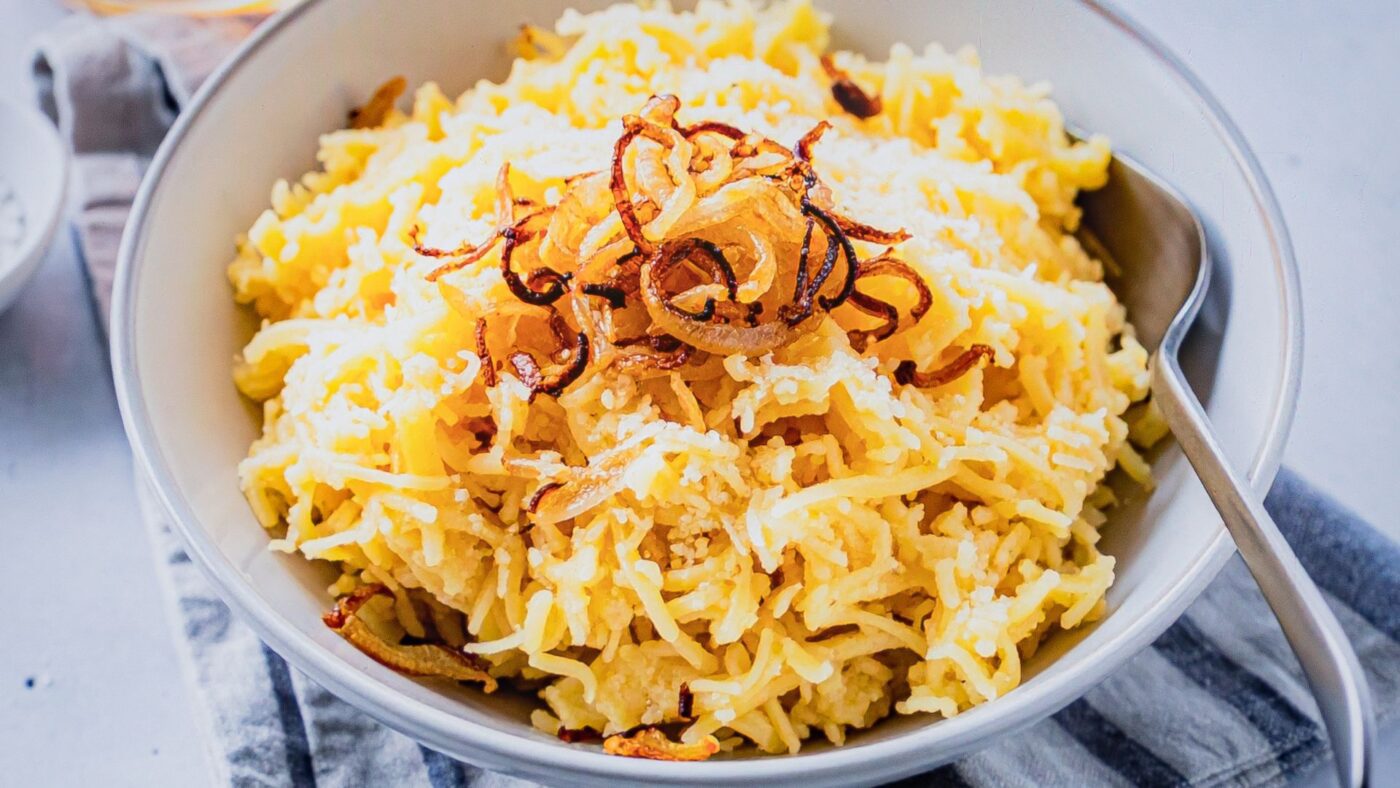
Swabian comfort food at its finest: fresh egg noodles (spätzle) layered with melted cheese and topped with crispy fried onions. Think of it as German mac and cheese, though the comparison undersells the dish. The spätzle should be hand-scraped, slightly irregular; the cheese should stretch; the onions should shatter. Stuttgart, Ulm, and the surrounding region claim the dish as their own, though it appears across southern Germany. Vegetarian by tradition, deeply satisfying by design, käsespätzle delivers alpine comfort on every fork. Order it after hiking, after skiing, or simply because comfort is needed.
- Currywurst — Street Food
Expect to pay: £4–£7 for wurst with chips
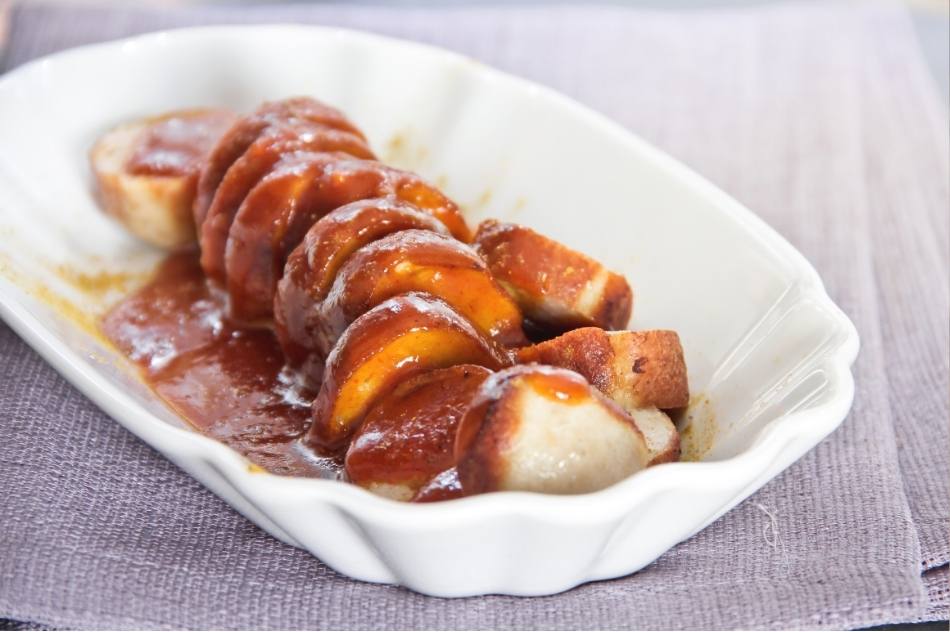
Berlin’s beloved street food—sliced pork sausage doused in curry-spiced ketchup, served with chips—has achieved cult status since its post-war invention. The curry powder should be present but not overwhelming; the ketchup should balance sweet and tangy; the sausage should be quality bratwurst. Konnopke’s Imbiss in Prenzlauer Berg and Curry 36 in Kreuzberg inspire devotion and debate. Is it sophisticated? No. Is it delicious at 2am after exploring Berlin’s nightlife? Absolutely. A currywurst with pommes (chips) and a Club-Mate represents Berlin eating at its most authentic.
- Black Forest Gâteau — Dessert
Expect to pay: £6–£12 per slice
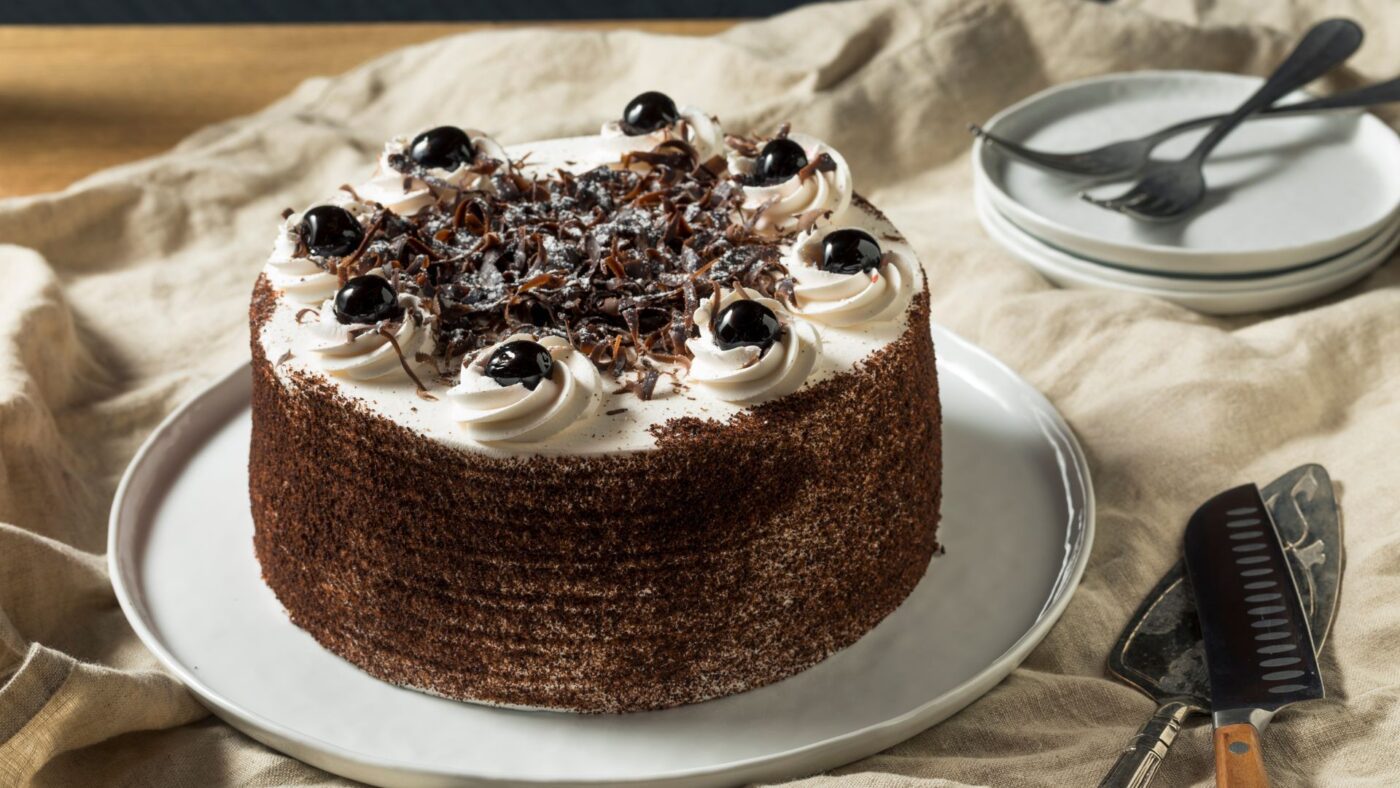
Chocolate sponge, whipped cream, sour cherries, and kirsch (cherry brandy)—Schwarzwälder Kirschtorte has become Germany’s most famous cake. Quality versions use proper kirsch, visible cherries, and restrained cream; tourist versions often disappoint with synthetic flavours and excessive sweetness. In the Black Forest itself, seek out traditional konditoreien (pastry shops) where recipes have passed through generations. The cake should taste of chocolate and cherry, with the kirsch providing warmth rather than boozy excess. Paired with afternoon coffee, a slice of proper Black Forest gâteau justifies the trip to Baden-Württemberg.
- Königsberger Klopse — Casual Dining
Expect to pay: £14–£20 for a serving
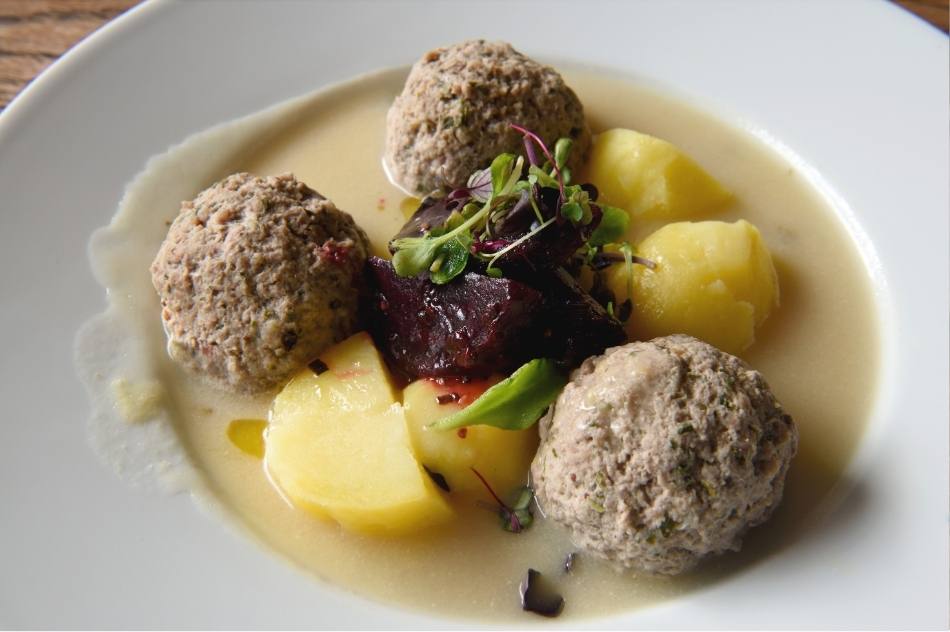
These East Prussian meatballs in creamy white caper sauce represent German cooking at its most subtle. The meatballs—typically veal or mixed meat—are poached rather than fried, tender and delicate. The sauce, thickened with egg yolk, provides gentle acidity from capers and lemon. Served with boiled potatoes and beetroot, this is comfort food for those who find Bavarian excess too much. Berlin restaurants maintain the tradition; the dish connects to a region Germany lost after World War II. Not flashy, not photogenic, but deeply satisfying for those who appreciate quiet excellence.
- Maultaschen — Casual Dining
Expect to pay: £12–£18 for a serving
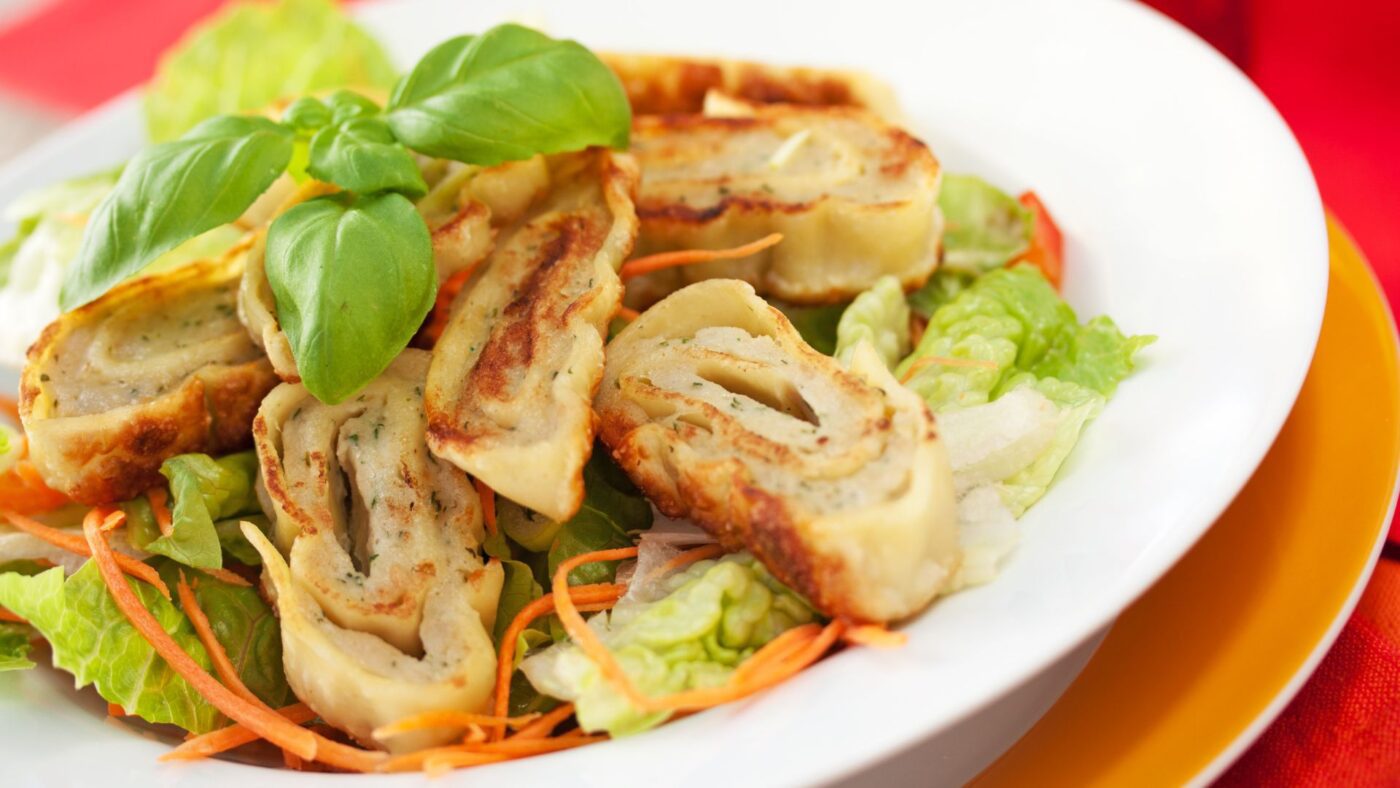
Swabia’s answer to ravioli—large pasta parcels filled with meat, spinach, and bread, traditionally served in broth or pan-fried with onions. Legend claims they were invented to hide meat during Lent (God apparently can’t see through pasta). The filling should be well-seasoned, the pasta thin enough to be tender but sturdy enough to hold together. Stuttgart restaurants serve them traditionally; modern versions might feature wild garlic or other contemporary touches. Whether swimming in clear broth or crisped in butter, maultaschen provide the ultimate Swabian comfort, best enjoyed in a traditional wirtschaft (tavern).
Quick Reference: Budget Summary
Experience Type | Budget Range (per person) |
Street Food | £4–£10 |
Casual Dining | £12–£28 |
Quality Restaurant | £35–£70 |
Fine Dining | £120–£320 |
Quality Hotel (per night) | £120–£280 |
Castle / Luxury Hotel | £250–£500+ |
Prices based on 2024/25 rates. Germany offers good value compared to neighbouring Western European countries.
Useful Links:
Street Food
These are official food market destinations or precincts where visitors can find authentic German street food without being diverted to third-party blogs:
Viktualienmarkt (Munich) — Famous outdoor market with local German snacks.
https://www.muenchen.de/int/en/shopping/viktualienmarkt.html
Markthalle Neun (Berlin) — Central food hall with Street Food Thursday and German bites.
https://markthalleneun.de/en/
Schlachte Embankment (Bremen) — Riverside promenade with official food stalls and local eats.
https://www.bremen.de/en/tourism/schlachte
Instagram-Worthy Restaurants
Restaurant Tim Raue (Berlin) — Two-Michelin-star contemporary German-Asian cuisine.
https://tim-raue.com/en/
Aqua (Wolfsburg) — Three-Michelin-star restaurant with visionary fine dining.
https://www.restaurant-aqua.de/en/
Vendôme (Bergisch Gladbach) — Renowned three-Michelin-star restaurant with exceptional plating and design.
https://www.restaurant-vendome.de/
German Food Culture
Zum Uerige (Düsseldorf) — Classic Altbier house and traditional Rhineland cuisine.
https://www.uerige.de/
St. Peter Stiftskulinarium (Salzburg – Germanic tradition link) — Historic restaurant representing regional food culture; Germany’s equivalent rich heritage.
https://www.stpeter.at/en/
Café Central (Vienna – influence on Germanic food culture) — An iconic café representing the culinary heritage of the region.
https://www.cafecentral.wien/en/