
From Monster to the Moors… By Shannon Palmer
Jacob Elordi’s transformation from Frankenstein’s Creature to literature’s most dangerous lover is bringing a new generation to Brontë Country — and the Yorkshire Dales have never looked more intoxicating.
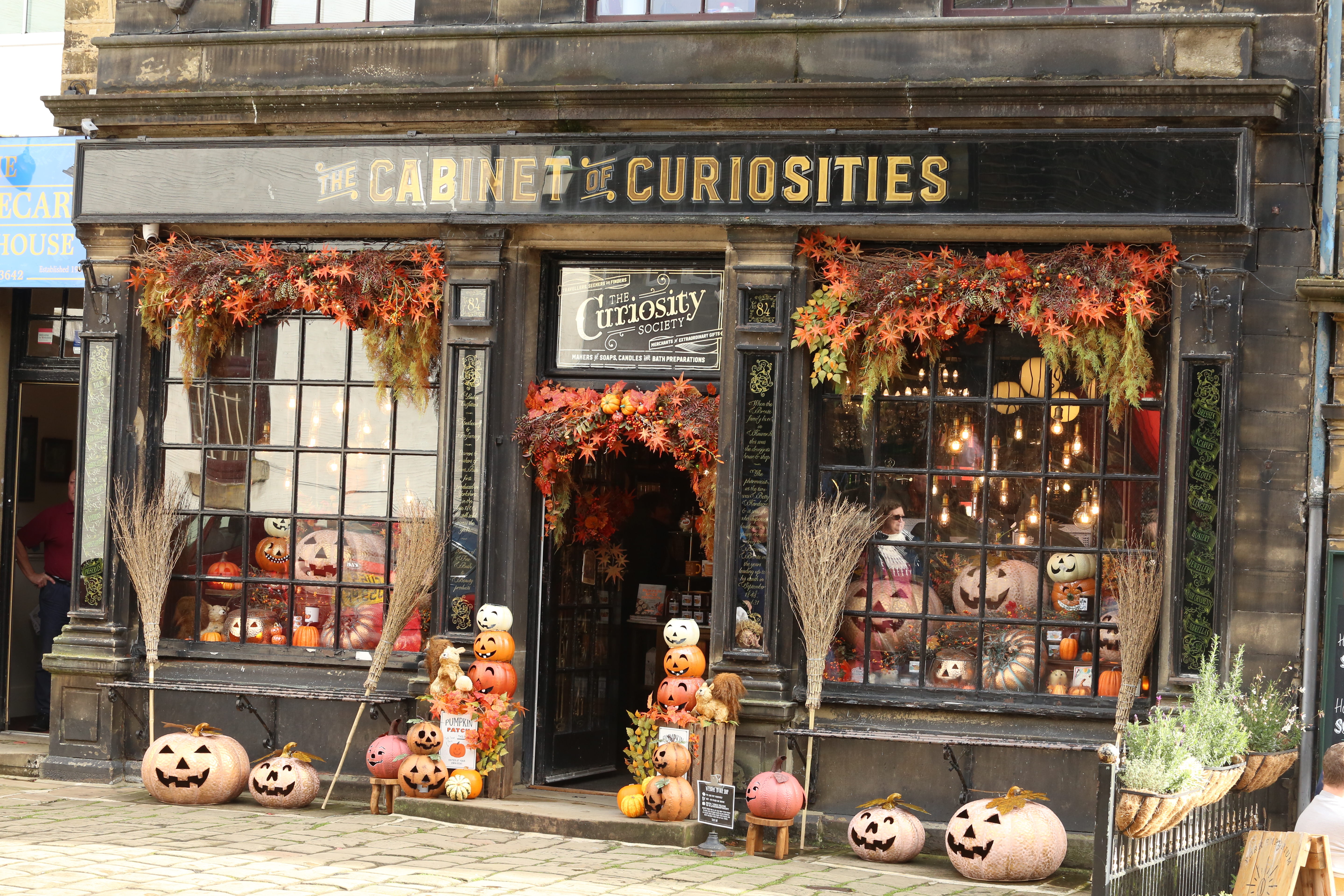
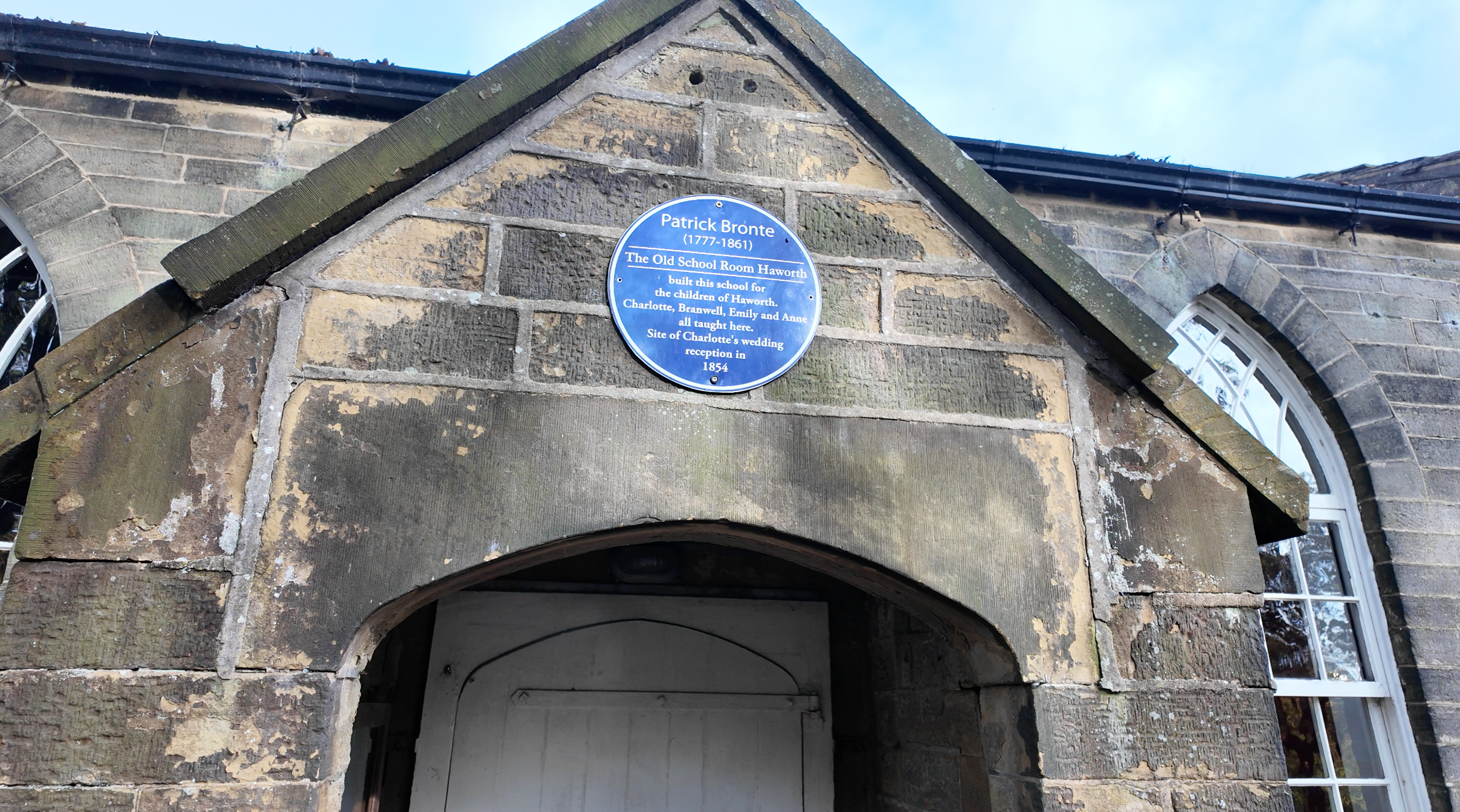
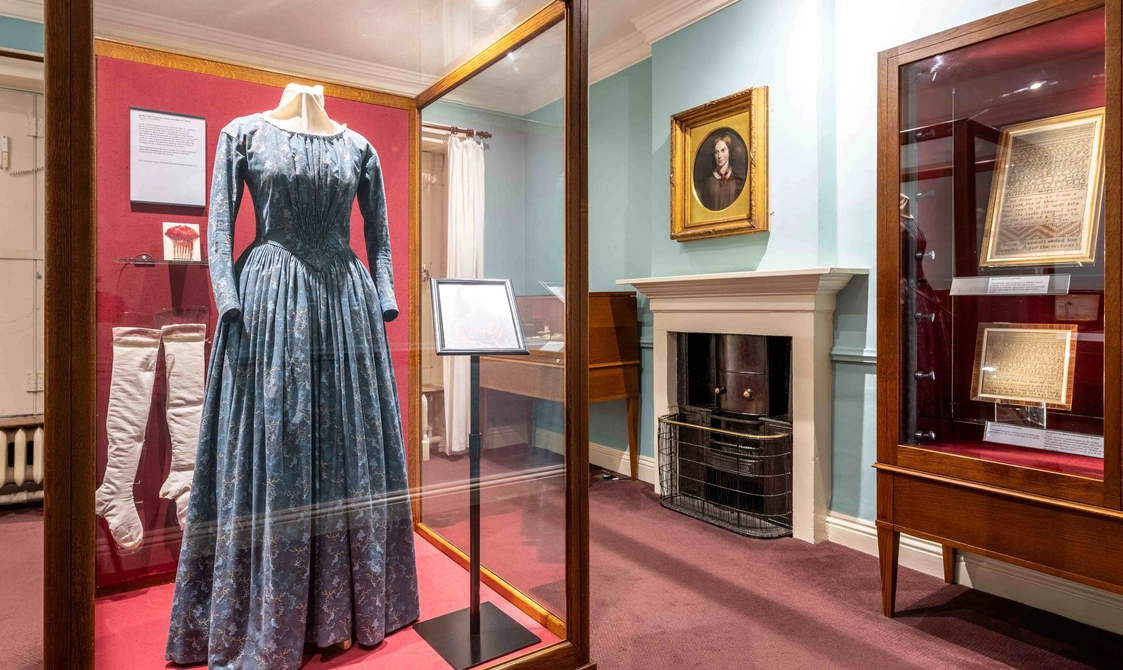
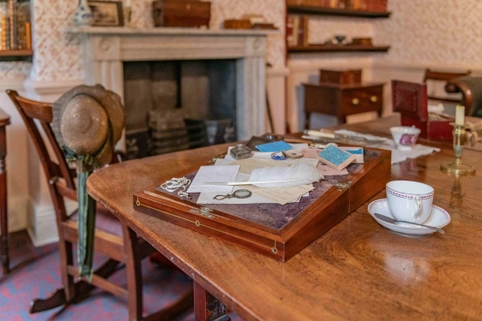
There are places in England where stories don’t simply live — they breathe. And on the steep, cobbled spine of Haworth, where church bells toll above the parsonage and wind lashes the moor like an unbroken stallion, the Brontë sisters still whisper.
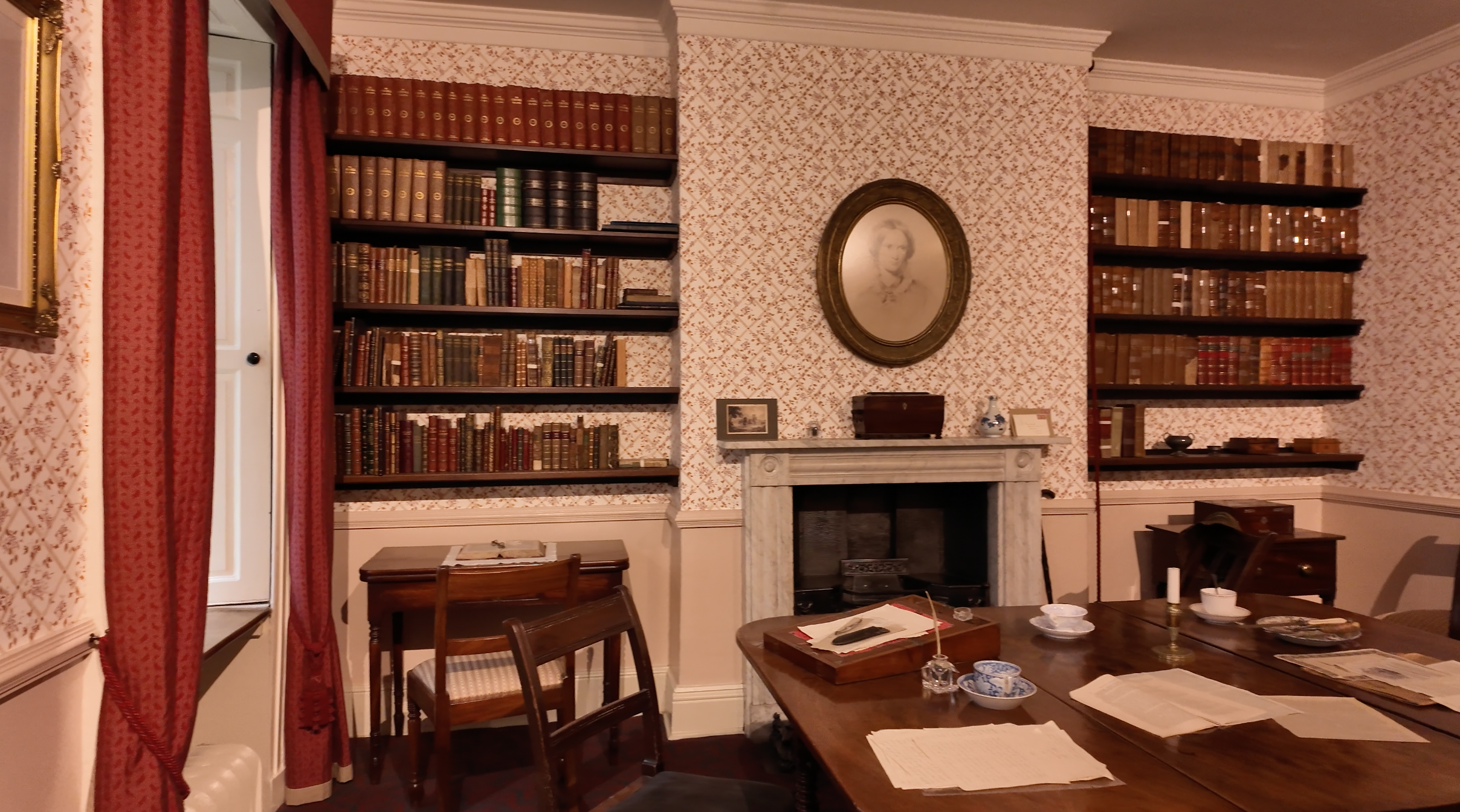
This is where Charlotte, Emily and Anne wrestled with grief, passion, duty and desire — then gave the world novels that throbbed with the kind of emotional violence Victorian society pretended not to feel. This is where Heathcliff was born: a byword for obsession, cruelty, possession, and love so consuming it scorched the page.
And now, nearly two centuries later, that dark creation is being resurrected — by a man who has already risen from the dead.
The Monster Becomes the Lover
In November 2025, Jacob Elordi delivered what critics called a ‘career-pivoting performance’ as the Creature in Guillermo del Toro’s Frankenstein. The Netflix film, currently holding 86% on Rotten Tomatoes, saw Elordi undergo hours of prosthetics application — 42 separate pieces designed by Mike Hill — to embody a monster that reviewers described as ‘beautiful,’ ‘tragic,’ and unexpectedly ‘hot.’
‘From the moment I got into the makeup trailer, the performance began,’ Elordi told Netflix. ‘Guillermo said this would be not just a meditation, but a metamorphosis.’
That metamorphosis isn’t over. On 11 February 2026, Elordi steps into an altogether different kind of darkness: Heathcliff, in Emerald Fennell’s explosive new adaptation of Wuthering Heights. And the transformation from stitched-together corpse to literature’s most dangerous lover feels strangely, perfectly right.
‘He looked exactly like the illustration of Heathcliff on the first book that I read.’
Fennell offered Elordi the role on the set of Saltburn, before he’d even auditioned. ‘I so wanted to scream,’ she told the BBC. ‘He’s a very surprising actor.’ Margot Robbie, who plays Catherine Earnshaw opposite him, went further: ‘I honestly think he’s our generation’s Daniel Day-Lewis.’
Gothic, Erotic, Unapologetic
This isn’t your grandmother’s heritage drama. Fennell — the Oscar-winning writer of Promising Young Woman and provocateur behind Saltburn — has described her vision as ‘primal’ and ‘sexual,’ promising a film that captures how she felt reading Brontë’s novel at fourteen.
‘There’s an enormous amount of sadomasochism in this book,’ Fennell told journalists. ‘I’ve been obsessed. I’ve been driven mad by it.’
The marketing has matched the mood. The first poster paid homage to Gone with the Wind; early footage shows Robbie and Elordi fighting and kissing in the rain, set to Charli XCX’s original song ‘Chains of Love’ from a concept album written specifically for the film. When the trailer dropped, the internet couldn’t decide whether to swoon or scream.
Warner Bros. won distribution rights in a fierce bidding war — reportedly choosing an $80 million deal over Netflix’s $150 million offer to ensure theatrical release. The studio is betting that audiences are hungry for stories that aren’t safe, aren’t soft, that cut and bruise and burn.
Two Outsiders, One Trajectory
What makes Elordi’s journey from Creature to Heathcliff so compelling isn’t just scheduling — it’s symmetry. Both characters are outsiders. Both are shaped by rejection. Both exist on the edge of humanity, longing to be loved and feared in equal measure.
Del Toro’s Creature — unlike Boris Karloff’s lumbering monster — was designed to be ‘almost delicate,’ according to production notes. Elordi studied Japanese butoh dance and the movements of his golden retriever to find the character’s innocence. The result was a being simultaneously terrifying and heartbreaking.
Heathcliff demands something different: volcanic rage barely contained, the kind of man you run from and toward at the same time. Yet the emotional core remains. As Fennell noted, both stories ask the same question: what happens when society refuses to see your humanity?
Victorian matrons would faint. Emily Brontë, one suspects, would grin.
Where the Wind Still Remembers
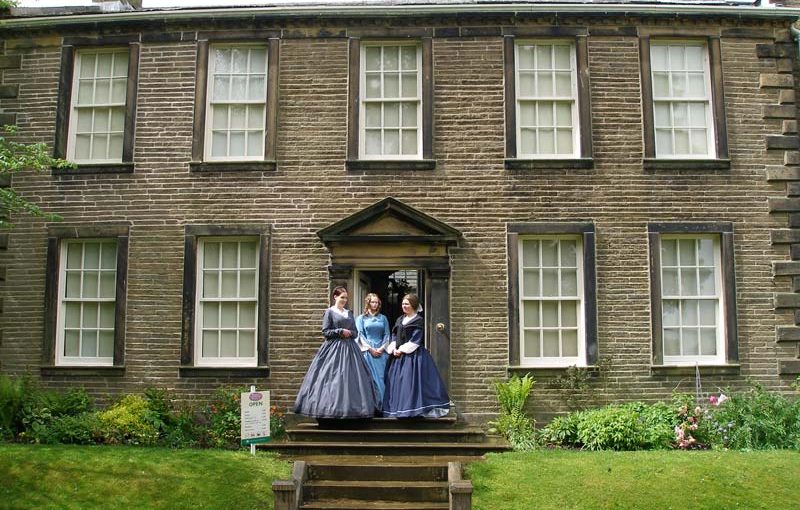
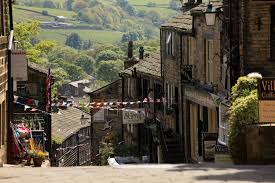
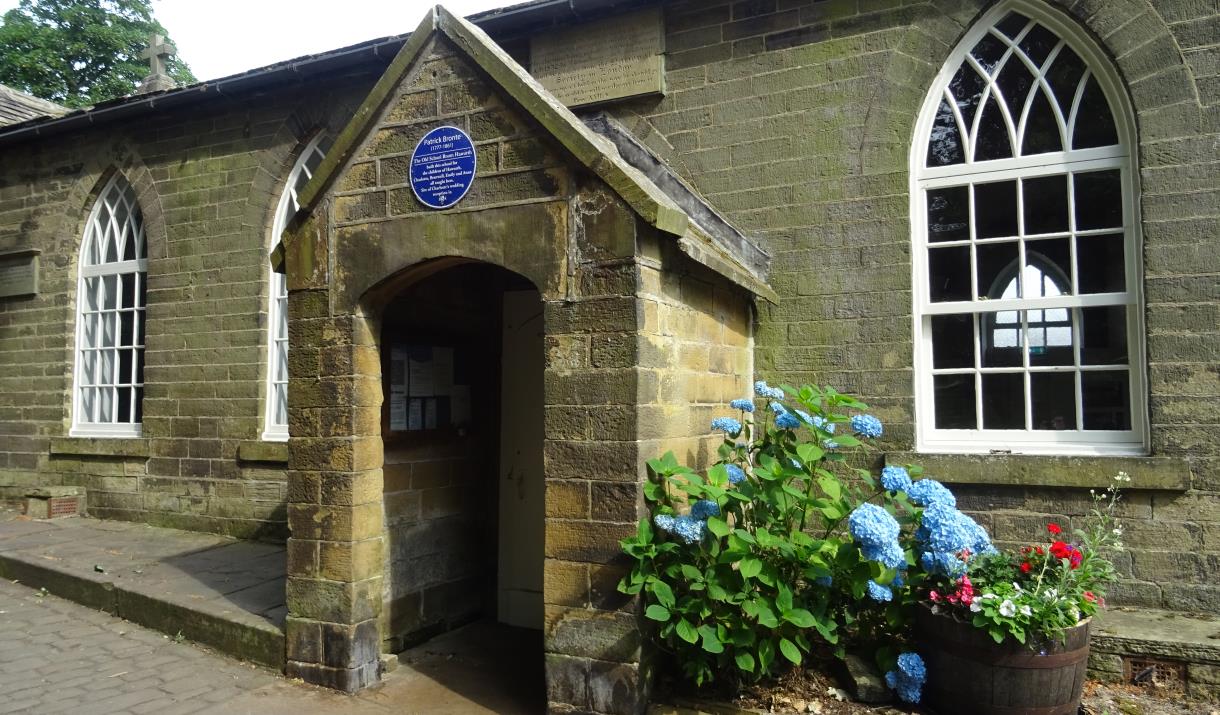
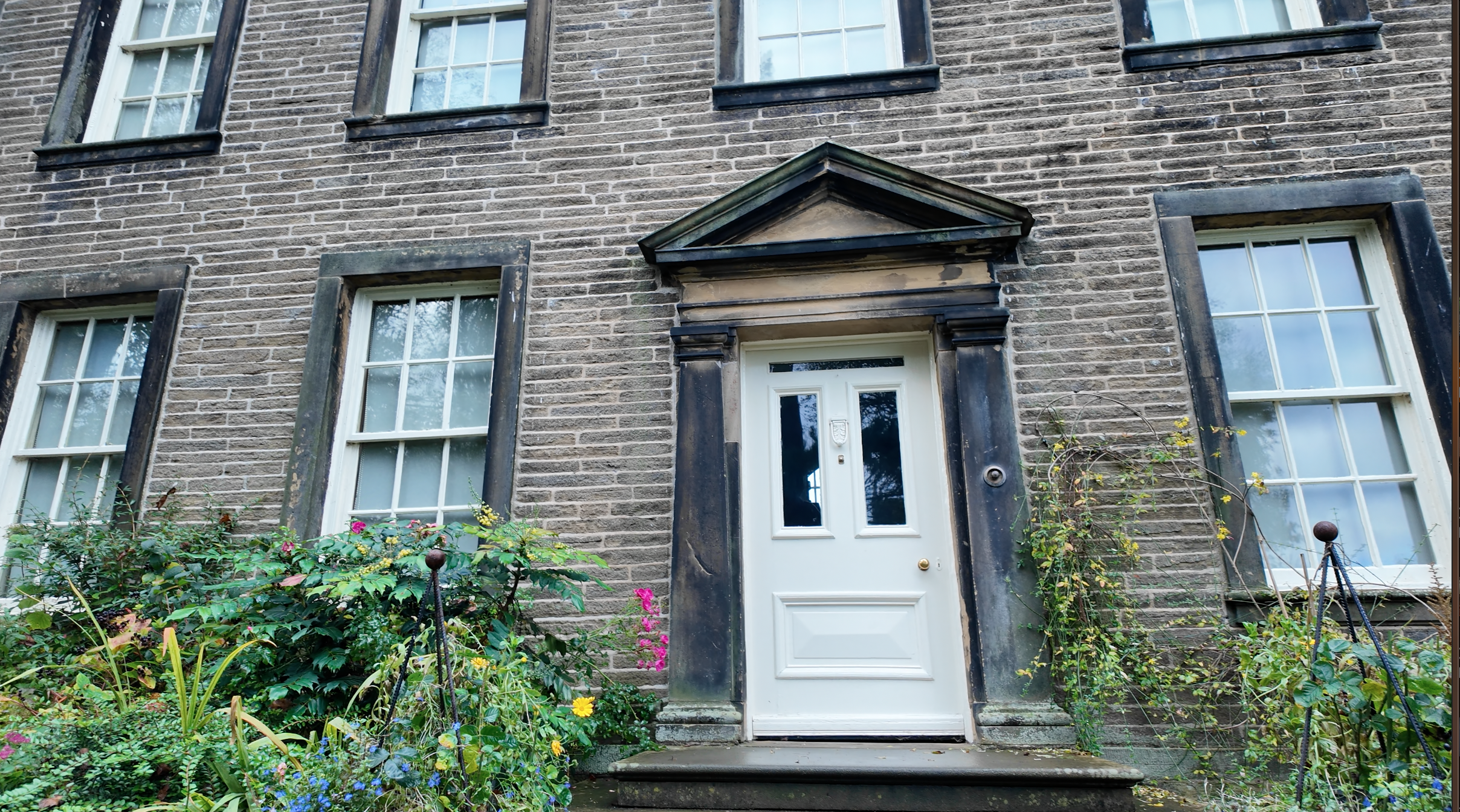
Walk through Haworth today and you can still feel the electricity that gave birth to Wuthering Heights. The parsonage windows glow against grey Yorkshire skies like watchful eyes. The graveyard crowds with stones marking short lives and long stories. And just beyond lies the moor — a wild, ungovernable sprawl of heather, peat and sky.
But Fennell’s production ventured beyond Haworth. Principal photography, shot on 35mm VistaVision cameras from late January to early April 2025, brought crews to the Yorkshire Dales — specifically the valleys of Arkengarthdale and Swaledale. These are landscapes most visitors never reach: remote, raw, and devastatingly beautiful.
Arkengarthdale, the most northerly dale in North Yorkshire, remains one of England’s least-visited valleys. Its high moorland and scattered farmsteads offer exactly the wild isolation Brontë described. Swaledale, running parallel to the south, adds drystone walls threading through hay meadows and the ruins of lead-mining heritage. Together, they form a landscape built for legends.
You can almost imagine Heathcliff standing there, coat whipping in the wind, looking like he’s either going to kiss you or destroy the entire world.
The Renaissance Arrives
What’s happening now isn’t just a film release. It’s a revival.
The Brontës are back in the bloodstream of culture — raw, urgent, untamed. Del Toro’s Frankenstein drew 29.1 million views in its opening weekend on Netflix, reaching number one in 72 countries. Fennell’s Wuthering Heights is positioned to ignite similar passion, releasing on Valentine’s weekend with a cast that includes Hong Chau as Nelly Dean, Shazad Latif as Edgar Linton, and rising stars Owen Cooper and Charlotte Mellington as the young Heathcliff and Catherine.
For Yorkshire, the timing couldn’t be better. The Brontë Parsonage Museum in Haworth already draws hundreds of thousands of visitors annually; this adaptation — with its explicit Yorkshire Dales locations and global star power — promises to bring millions more.
Emily Brontë once wrote: ‘I’ll walk where my own nature would be leading.’ And nature, it seems, is leading straight back to Yorkshire — to the stormy moors, the haunted parsonage, and the dangerous, intoxicating men who refuse to stay dead.
Plan Your Pilgrimage
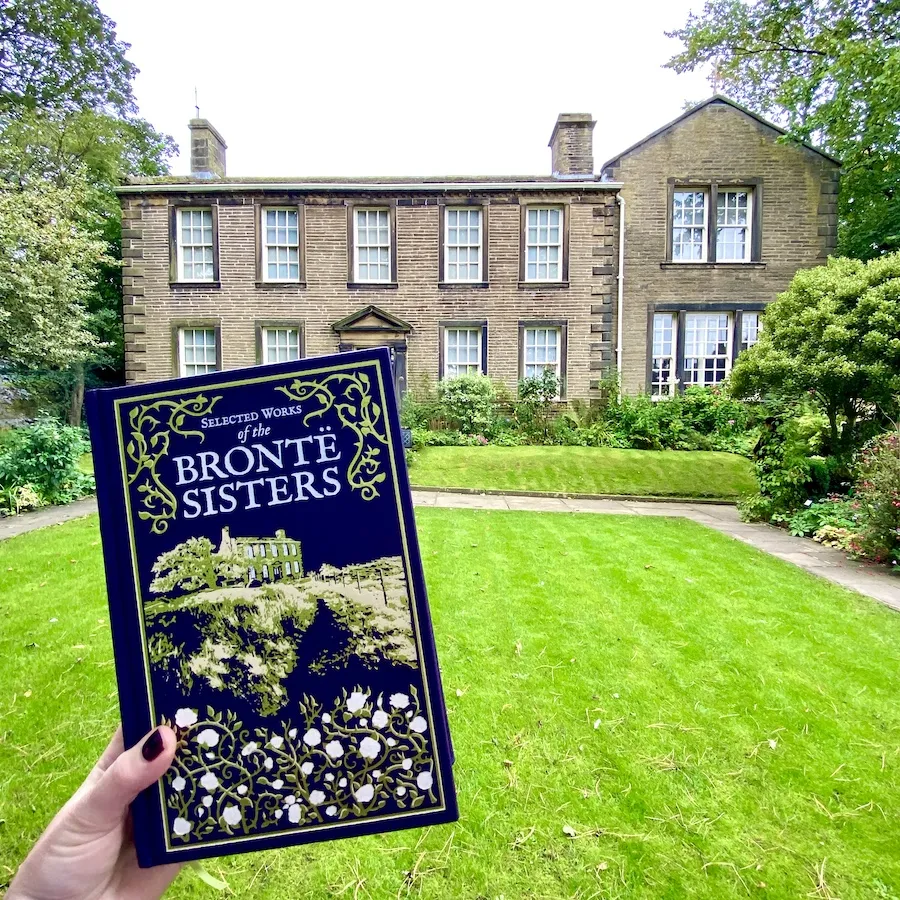
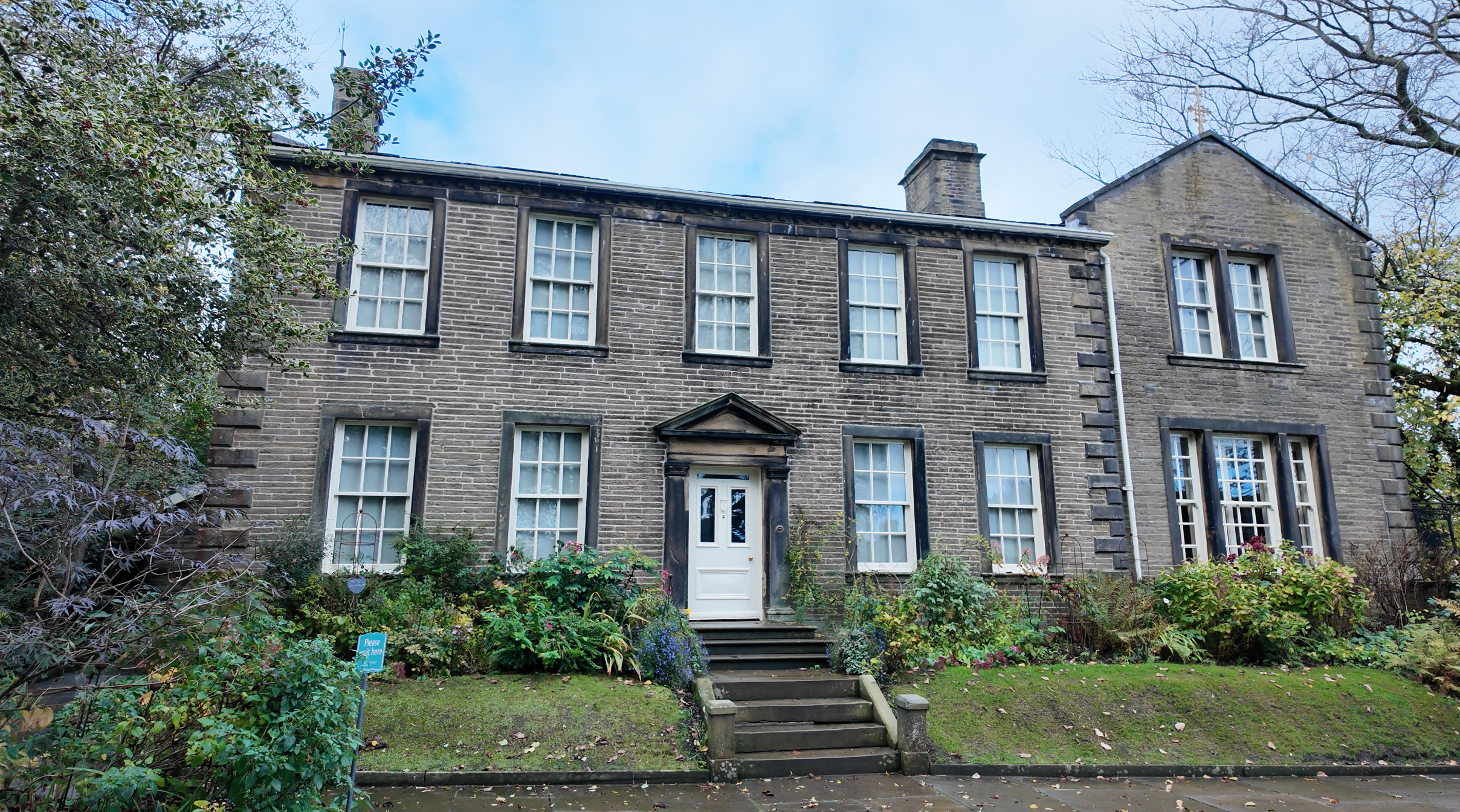
Brontë Parsonage Museum, Haworth: The family home where Wuthering Heights was written. Open daily; advance booking recommended. bronte.org.uk
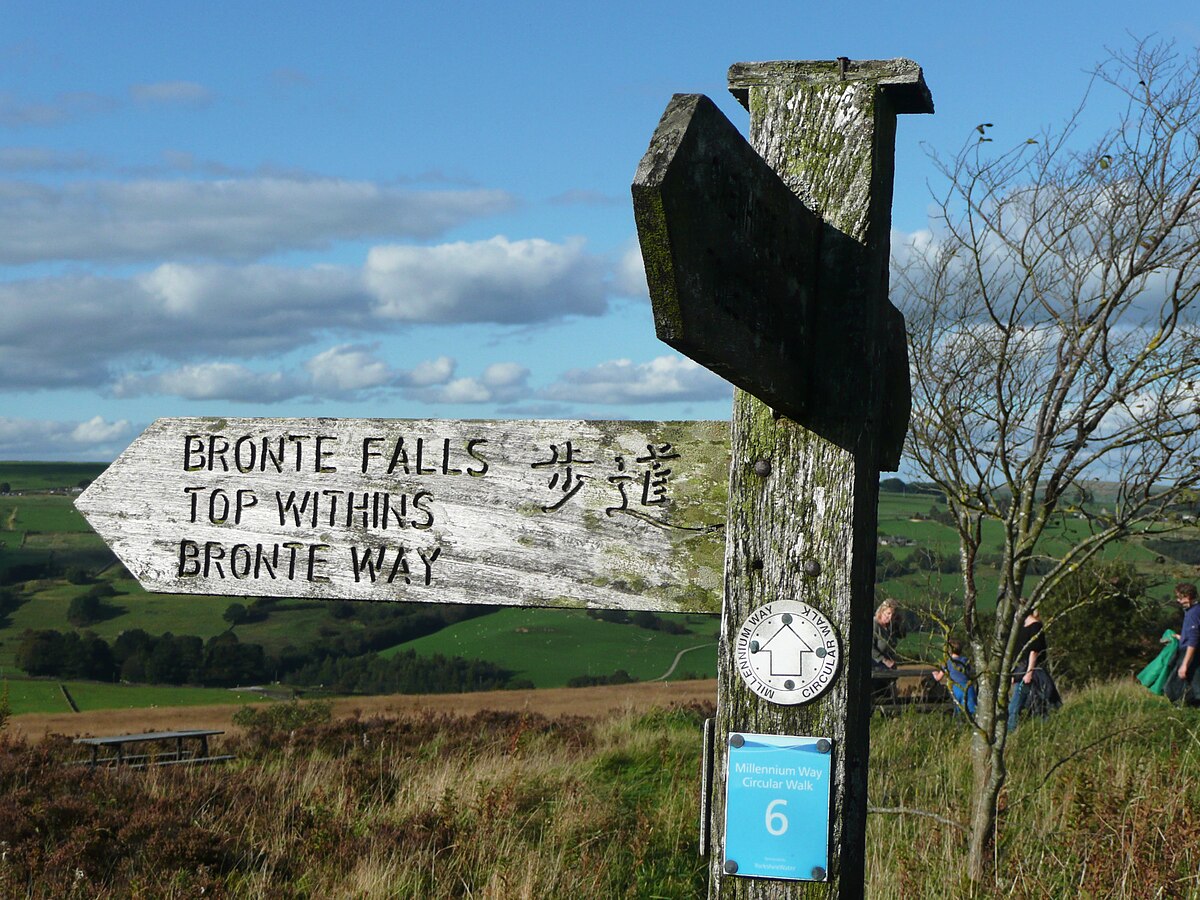
Top Withens: The ruined farmhouse said to have inspired Wuthering Heights itself, a four-mile walk across the moor from Haworth.
Swaledale & Arkengarthdale: Filming locations accessible via the B6270 from Richmond. Base yourself in Reeth or Muker for walking access to both valleys.
Wuthering Heights releases in UK cinemas 11 February 2026.
Useful Links
Brontë Sites
- Brontë Parsonage Museum, Haworth — The family home where Wuthering Heights was written. Open daily; advance booking recommended. bronte.org.uk
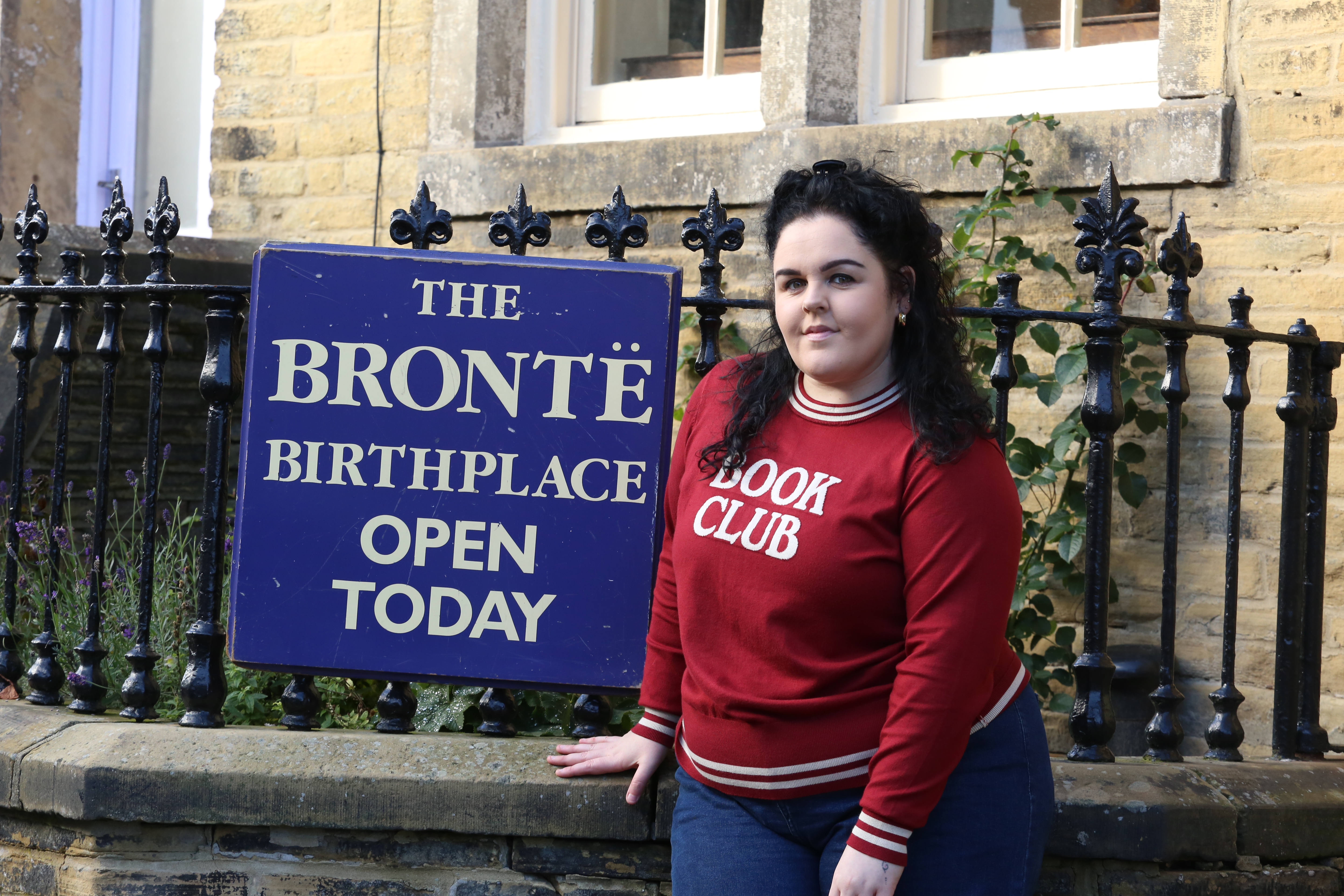
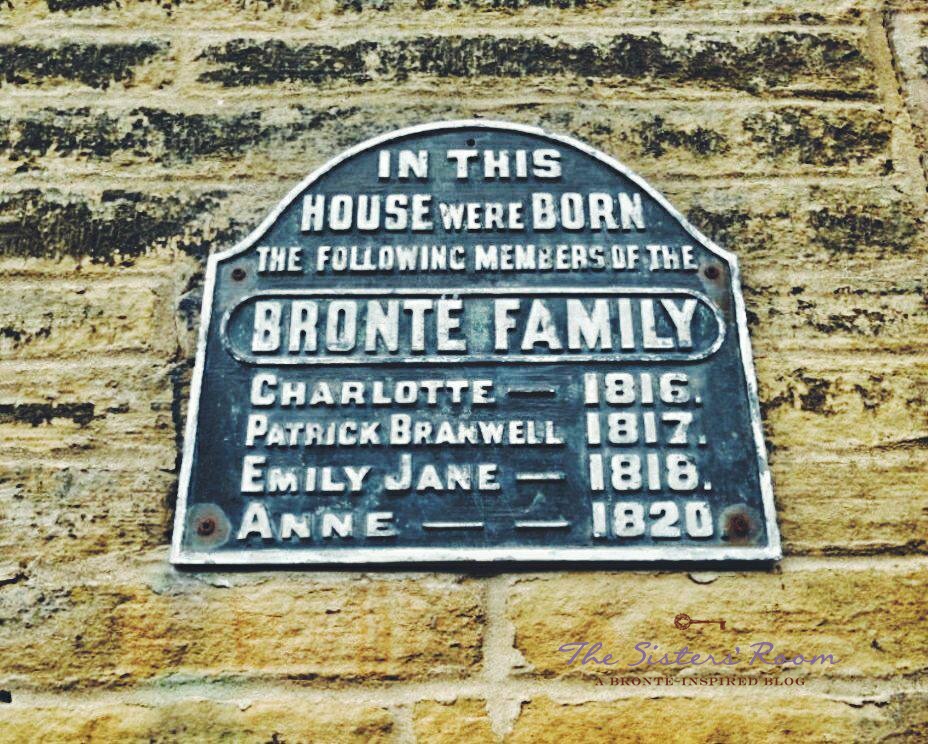
- Brontë Birthplace, Thornton — The house where Charlotte, Emily, Anne and Branwell were born, now open to the public for the first time in its 200-year history. 72–74 Market Street, Thornton, Bradford, BD13 3HF. brontebirthplace.com
Getting to Haworth from Leeds
- By train and bus (approx. 1 hour): Take Northern Rail from Leeds to Keighley (around 25 minutes, services every 20–30 minutes), then Keighley Bus Company B1/B2/B3 to Haworth (15 minutes). northernrailway.co.
uk | keighleybus.co.uk - By heritage railway: At weekends and holidays, the Keighley & Worth Valley Railway runs steam and diesel trains from Keighley to Haworth. kwvr.co.uk
- By car: 19 miles, approximately 40 minutes via the A629 and A6033.
Getting to Haworth from London
- By train (approx. 3–3.5 hours): LNER from London King’s Cross to Leeds (around 2 hours 15 minutes), then Northern Rail to Keighley, then bus or heritage railway to Haworth. Book via lner.co.uk or thetrainline
.com - There are also limited direct LNER services from King’s Cross to Keighley (typically one evening departure).
Where to stay
Best B&Bs: Weavers of Haworth (4.9 stars, 211 reviews) is the cream of the crop — Brendan and Josie run a beautifully kept guesthouse with cottages too, and it’s just a short walk from the Parsonage. Park Top House (4.9 stars) is smaller and more intimate, with Vanessa as a fantastic host who really knows the area. Both do lovely breakfasts.
Best self-catering: Withens Way (perfect 5.0 stars) is a two-bedroom cottage with parking and EV charging, dog-friendly, and practically on the Parsonage doorstep. Haworth Holiday Cottage at No. 66 on Main Street has fiercely loyal repeat visitors thanks to host Glenda’s personal touch.
Pub with rooms: The Fleece Inn (4.5 stars, 2,000+ reviews) is the classic choice — real fires, excellent food, dog-friendly, and proper atmosphere. Just be aware it’s a working pub, so expect some evening noise.
Historic character: The Old White Lion at the top of Main Street is a proper old coaching inn with bags of character. Room 7 is allegedly haunted, if that’s your thing.
You might also find the Visit Bradford page useful as Haworth falls under their district: Haworth & Brontë Country Accommodation – Bradford