
France: Eat Like a Local
Eat Like a Local
- Croissant and Café Crème — Street Food / Café
Expect to pay: £4–£8 for breakfast
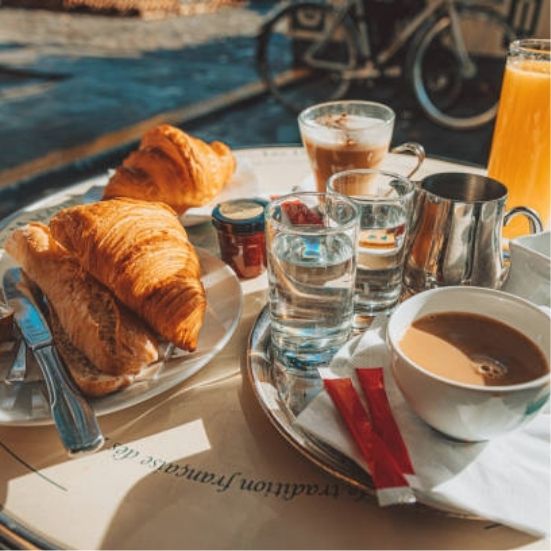
The French morning ritual begins here: a flaky, buttery croissant still warm from the oven, its layers shattering at first bite, paired with a bowl-sized cup of milky coffee. This is not merely breakfast but a philosophical position—that mornings deserve beauty, that quality matters, that rushing ruins everything. Seek out boulangeries where the queue suggests excellence, where the croissants gleam with butter and the coffee comes from proper machines. Stand at the zinc counter like the locals do, or claim a terrace table and watch the city wake. Simple pleasures, elevated to art form through generations of refinement.
- Michelin-Starred Tasting Menu — Fine Dining
Expect to pay: £150–£300 for tasting menu; £250–£500+ at three-star establishments
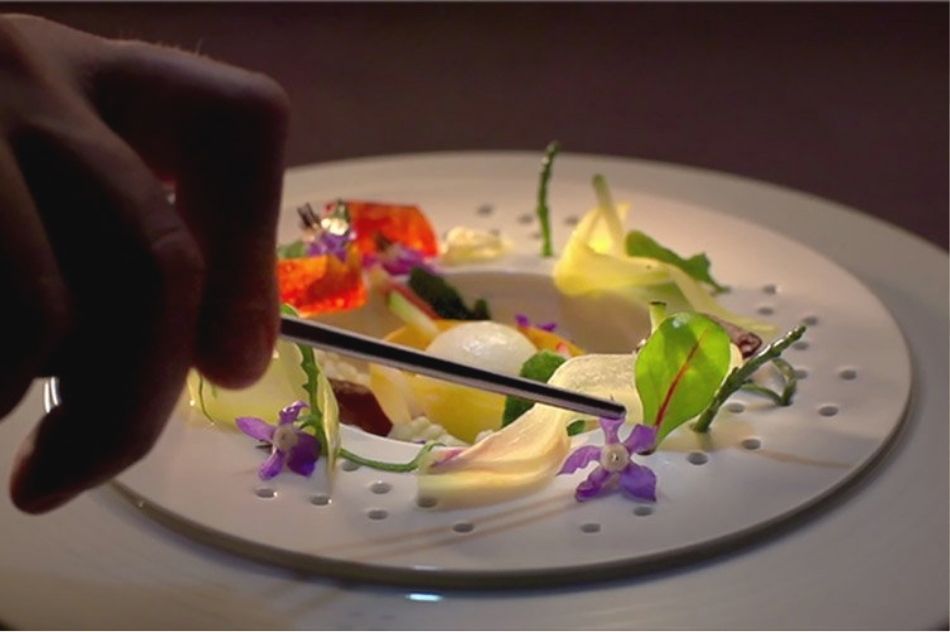
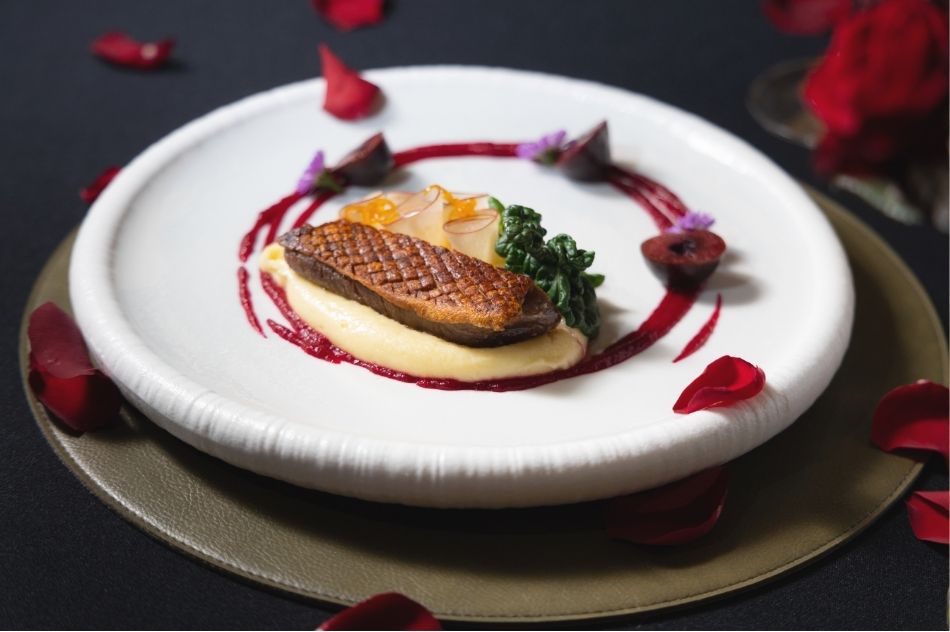
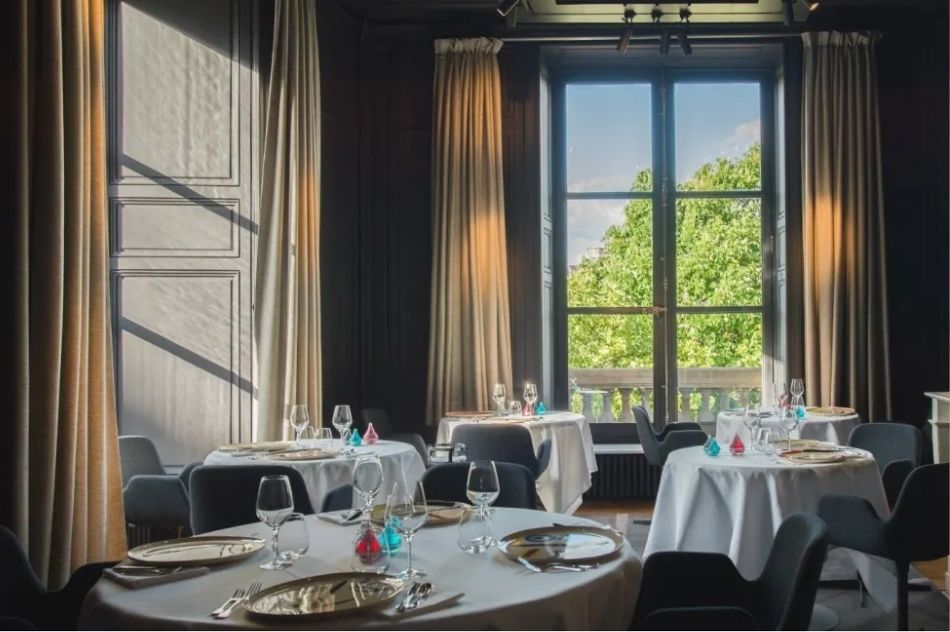
France invented fine dining, and despite global competition, its Michelin-starred restaurants remain pilgrimage destinations. From Guy Savoy’s Seine-side temple to tiny countryside auberges with two stars and three tables, French haute cuisine delivers experiences that transcend mere eating. Expect precision that borders on obsession, ingredients sourced from named producers, and service that balances formality with genuine warmth. The wine lists read like histories of French viticulture; the cheese trolleys span regions and seasons. Book months ahead for the legendary addresses, embrace the three-hour minimum commitment, and understand why France still sets the global standard.
- Steak Frites — Casual Dining
Expect to pay: £18–£35 for a quality serving
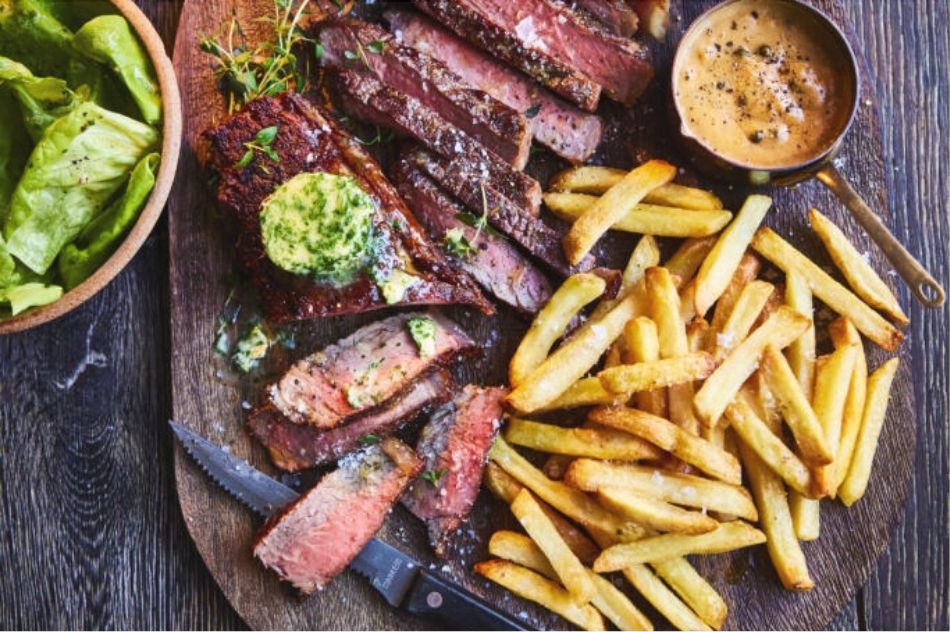
The Parisian bistro staple reduces French cooking to its essence: a perfectly cooked steak (typically entrecôte or bavette), a pile of golden frites, and perhaps a pot of béarnaise or peppercorn sauce alongside. The steak should arrive precisely as ordered (saignant means properly rare here), the frites should be crisp outside and fluffy within, and the wine should be a robust red from the Rhône or Bordeaux. Every neighbourhood has its bistro that does this well; the best have done little else for decades. No dish better demonstrates that French cuisine often succeeds through restraint rather than complexity.
- Crêpes — Street Food
Expect to pay: £3–£8 depending on filling
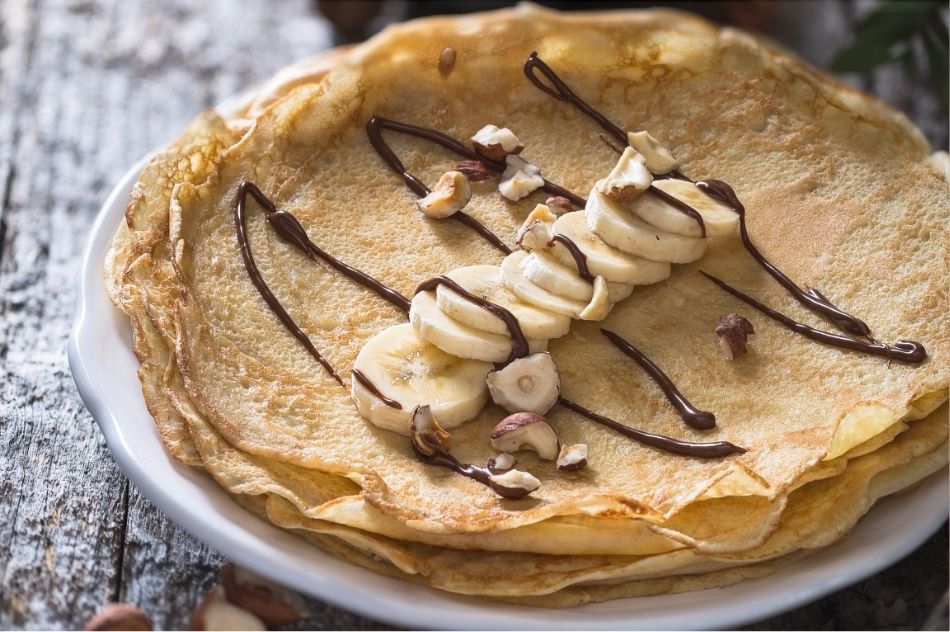
From the street-corner stands of Montparnasse to the crêperies of Brittany where this dish was born, the crêpe offers France’s most democratic pleasure. Sweet versions arrive dusted with sugar and lemon, filled with Nutella and banana, or flambéed with Grand Marnier. Savoury galettes—made with buckwheat—wrap around ham, cheese, and egg for a complete meal. Watch the crêpier spread batter across the circular griddle with practised strokes, flip it casually, add your fillings, and fold it into a triangle. Eat standing in the street or sitting in a timber-beamed Breton restaurant. Either way, you’re participating in centuries of tradition.
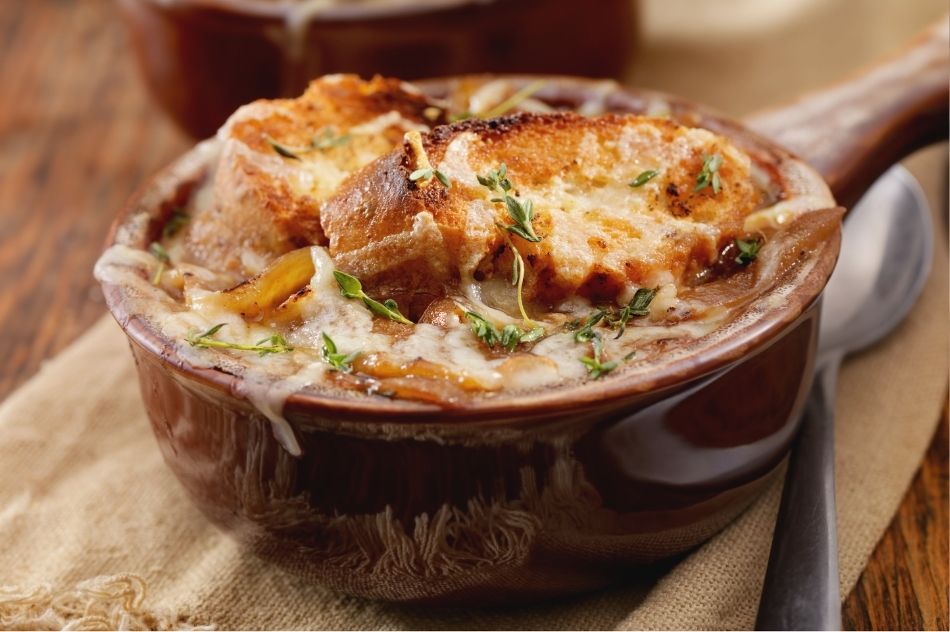
- French Onion Soup — Casual Dining
Expect to pay: £10–£18 for a proper bowl
Gratinée à l’oignon arrives bubbling from the oven, a crust of melted Gruyère concealing depths of caramelised onion broth beneath. The making takes hours—onions slowly cooked until collapsing into sweet, golden strands, beef broth added, the whole ladled into an oven-proof bowl, topped with crusty bread and cheese, then grilled until the surface blisters and browns. The first spoonful breaks through that cheese crust to release intensely savoury steam. French onion soup was born to cure cold nights and hungry hearts; it remains one of the great bargains of Parisian bistro dining.
- Bouillabaisse — Fine Dining
Expect to pay: £45–£80 for authentic versions in Marseille
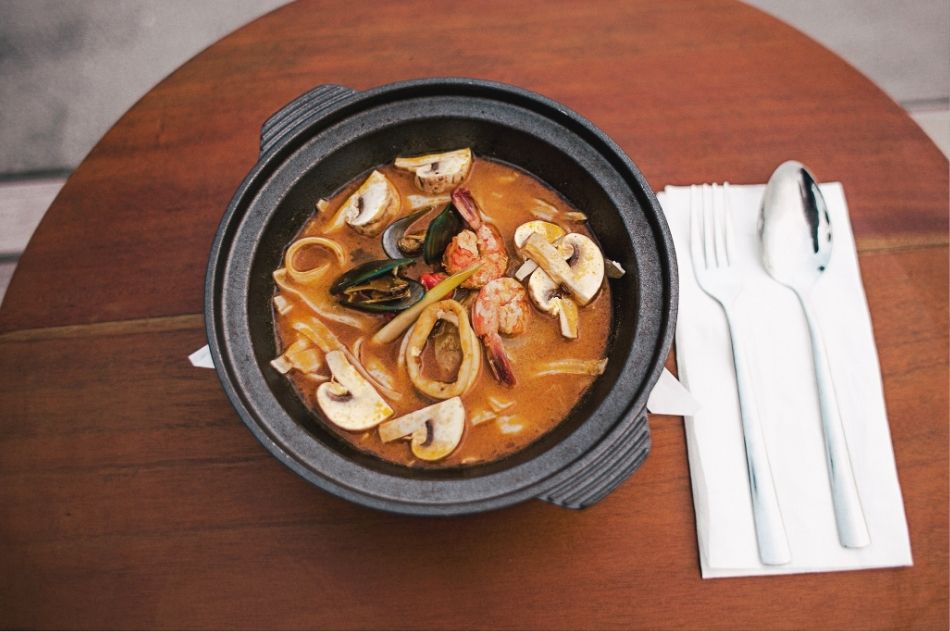
Marseille’s legendary fish stew began as fishermen’s fare—the unsellable catch simmered with tomatoes, saffron, and fennel. Today it demands premium fish (rascasse, John Dory, monkfish), a rich rust-coloured broth, and proper ceremony. The broth arrives first with rouille (saffron-garlic mayonnaise) and croûtons; the fish follows on a separate platter. Authentic bouillabaisse costs accordingly and requires advance ordering. Pretenders across the Côte d’Azur disappoint; the genuine article in Marseille’s Vieux Port still transports. This is not merely fish soup but a declaration of Provençal identity, fiercely protected and worth the pilgrimage.
- Cheese Course — Casual Dining / Fine Dining
Expect to pay: £12–£25 at restaurants; variable at fromageries
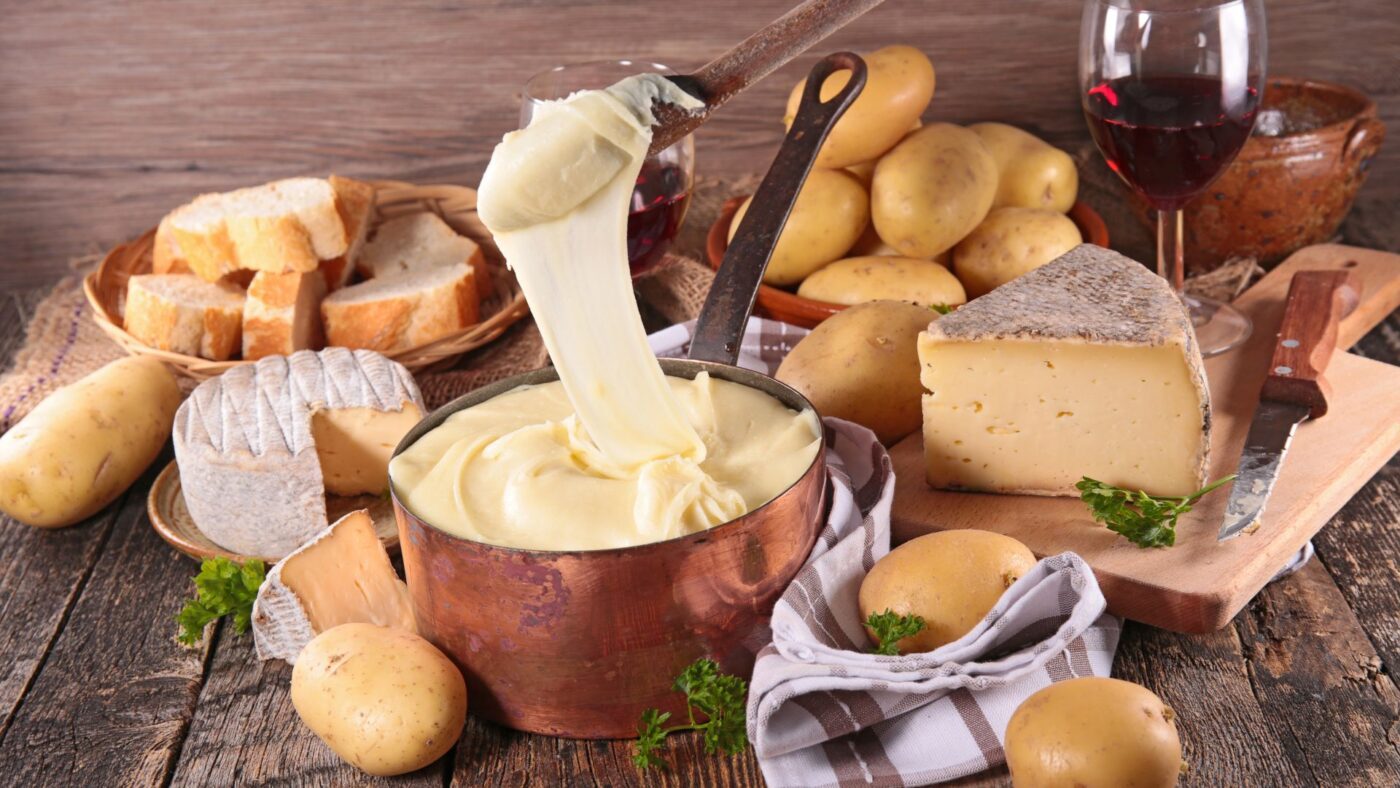
France produces over 400 distinct cheeses, and the cheese course—served after the main, before dessert—remains sacred. A proper plateau might include a soft Brie de Meaux, a washed-rind Époisses, an aged Comté, a crumbly Roquefort, and a Loire Valley goat cheese. The waiter will guide you through proper order (mild to strong), and you should taste them all. In restaurants, the trolley approaches with appropriate gravity; in fromageries, the fromager will ask about your preferences and guide your selection. Bread accompanies, but crackers do not. Wine continues from the main course. This is France distilled.
- Escargots de Bourgogne — Casual Dining
Expect to pay: £12–£20 for a dozen
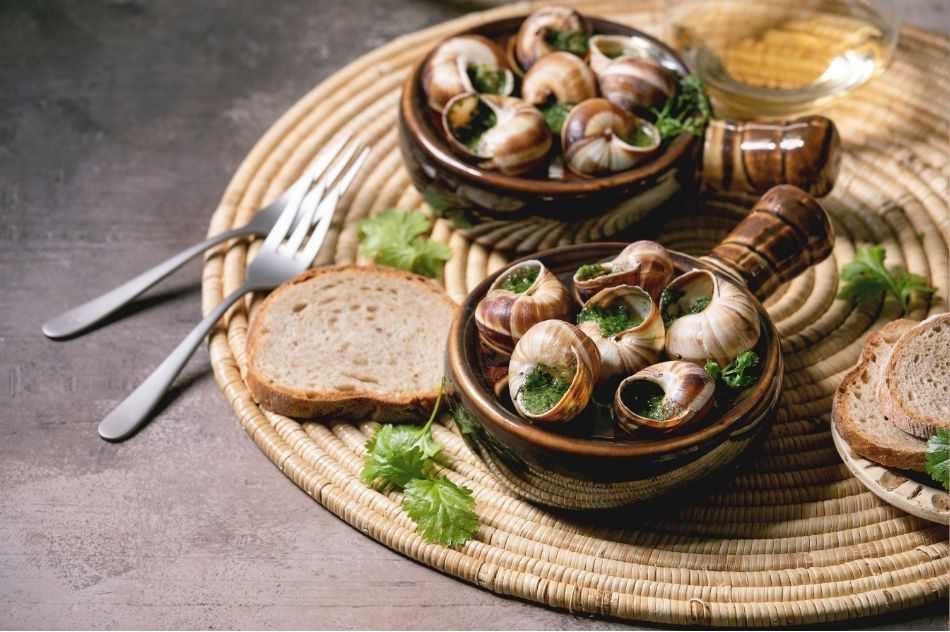
Snails in garlic-parsley butter: France’s most famous culinary peculiarity, and far more delicious than squeamish visitors expect. The snails themselves offer mild, slightly chewy texture; the real pleasure comes from that compound butter, sizzling in purpose-made dishes with individual indentations. Mop up every drop with crusty bread. Burgundy claims the classic preparation, and the best versions use genuine Burgundian snails rather than imports, but the dish appears on bistro menus nationwide. Order them as a starter, embrace the special tongs and tiny forks, and discover why the French have been eating snails since Roman times.
- Duck Confit — Casual Dining
Expect to pay: £20–£32 for a quality serving
The southwest of France perfected this preservation technique—duck legs slowly cooked in their own fat until impossibly tender, then crisped until the skin shatters. Served with potatoes fried in the same fat (pommes sarladaises) or white beans, duck confit demonstrates how peasant thrift can produce transcendent results. The meat falls from the bone; the fat enriches everything it touches. Seek it in the restaurants of Périgord, Gascony, and Toulouse, where duck reigns supreme, or in Parisian bistros that maintain southwest traditions. Nothing complicated here—just time, technique, and the finest duck in Europe.
- Tarte Tatin — Dessert
Expect to pay: £8–£14 at restaurants
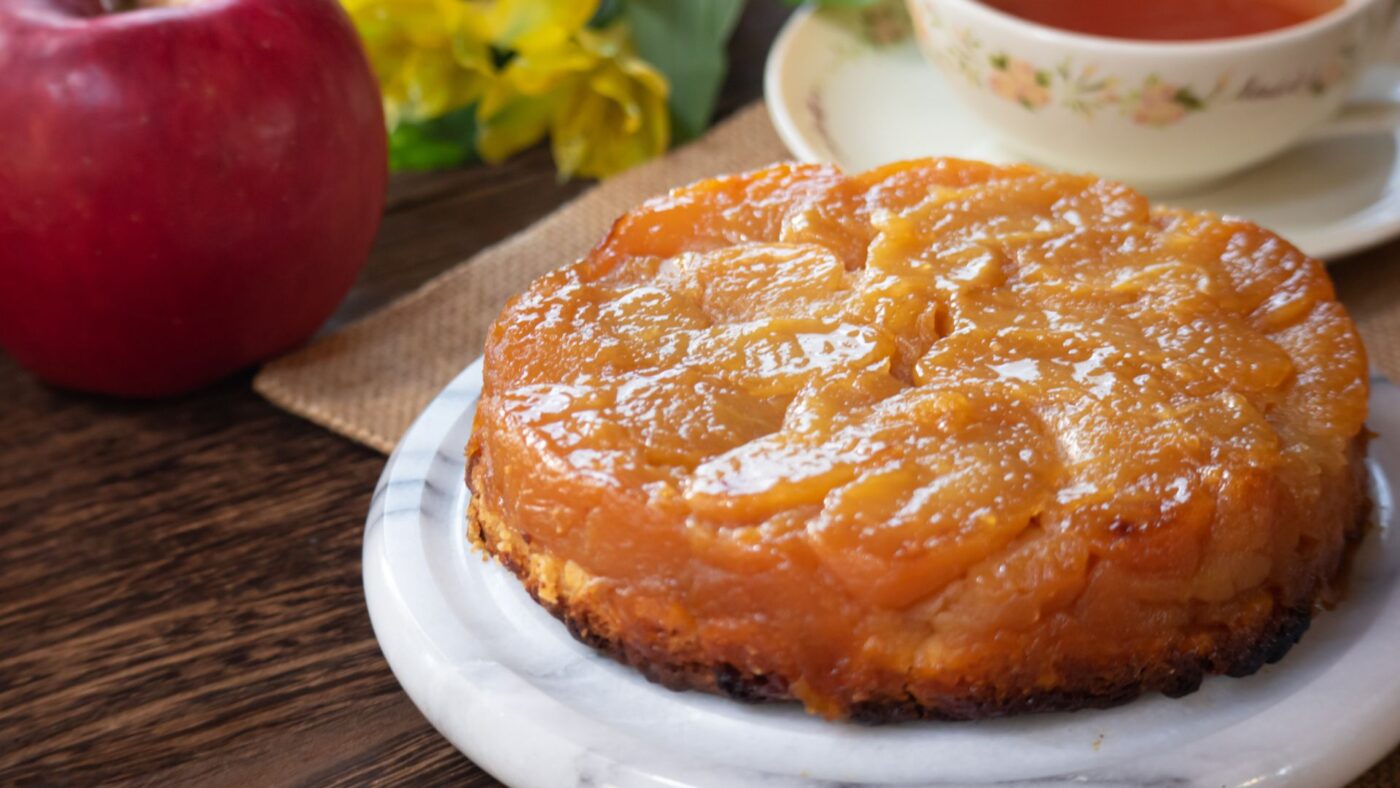
Legend claims this upside-down apple tart was invented by accident at the Hotel Tatin in Lamotte-Beuvron, when a distracted cook rescued a burning tart by inverting it. Whatever the truth, the result is magnificent: apples caramelised in butter and sugar beneath a crisp pastry shell, inverted to serve with the burnished fruit on top. The caramel should taste of deep, almost-bitter sweetness; the apples should hold their shape while yielding to a spoon; the pastry should shatter. Served warm with crème fraîche, tarte Tatin represents French dessert-making at its most satisfyingly simple. One slice is never quite enough.
Quick Reference: Budget Summary
Experience Type | Budget Range (per person) |
Street Food / Café | £3–£12 |
Casual Dining | £18–£40 |
Quality Restaurant | £50–£90 |
Fine Dining | £150–£500+ |
Quality Hotel (per night) | £150–£300 |
Luxury / Château Hotel | £300–£700+ |
Prices based on 2024/25 rates. Paris and the Riviera command premium prices; provincial France offers better value.
Useful Links:
Street Food
(Official markets or recognised venues with direct links where visitors can find street-food style eats.)
Marché des Enfants Rouges (Paris) — Oldest covered market in Paris with diverse street food stalls.
https://www.paris-info.com/paris-shopping/73243/MARCHE-DES-ENFANTS-ROUGES
Cours Saleya Market (Nice) — Official food & flower market in Nice’s Old Town with local vendors & snacks.
https://www.nicetourisme.com/decouvrir/activites/marches/cours-saleya/
Les Halles de Lyon Paul Bocuse — Official gourmet food market in Lyon with charcuterie, cheese, pastries and street bites.
https://www.halles-de-lyon-paulbocuse.com
Instagram-Worthy Restaurants
(Direct restaurant sites with striking ambiance and well-designed spaces that make for great dining and photography.)
Septime (Paris) — Modern French cuisine in a minimalist, beautifully styled setting.
https://www.septime-restaurants.fr
Le Môle Passedat (Marseille) — Contemporary Mediterranean and French fine dining with sea views.
https://www.vieuxport-marseille.com/restaurants/le-mole-passedat/
La Chèvre d’Or (Eze, French Riviera) — Luxury cliffside dining with panoramic views.
https://www.chevredor.com/en/restaurants/la-chevre-dor
France Food Culture
Maison de la Truffe (Paris & Courchevel) — Celebrated temple of French truffle cuisine.
https://www.maisondelatruffe.com
La Maison du Cassoulet (Toulouse) — Classic regional French dish specialist in its historic home city.
https://www.maisonducassoulet.com
Le Procope (Paris) — Paris’ oldest café (est. 1686) and a staple of French gastronomic history.
https://www.procope.com