
Four Tables Worth the Journey
In France, to eat well is to understand the soul of a place — these restaurants are our passports to that understanding
Septime
Neo-Bistro | Paris 11th Arrondissement | Tasting Menu from €95
Bertrand Grébaut’s pared-back dining room, on an unassuming street in the 11th arrondissement, has become the template for modern Parisian gastronomy — market-driven, technically precise, utterly unpretentious. The grey walls bear no decoration save a clock; the open kitchen offers no theatre save the focused movements of cooks who clearly love their work. This is food stripped of everything extraneous, leaving only flavour and texture and the quiet confidence of a chef who knows exactly what he’s doing.
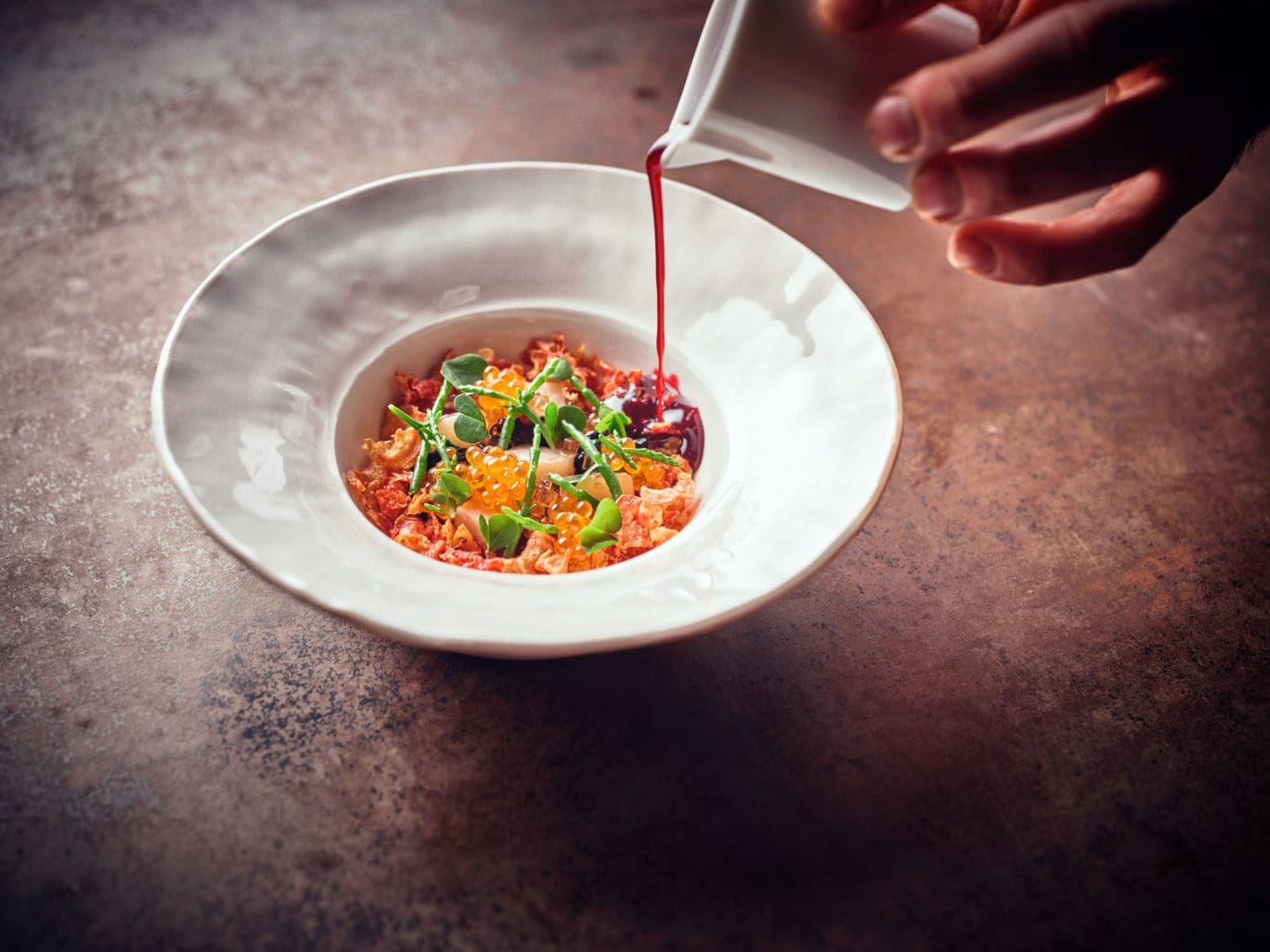
The €95 tasting menu changes not just with the seasons but with the morning’s market haul. A June visit might bring raw langoustine with wild strawberries and verbena, the sweetness of the shellfish amplified by the sweetness of the fruit in a combination that sounds improbable and tastes inevitable. An autumn meal might feature roasted celeriac with hazelnut and black truffle, the humble root vegetable elevated to something transcendent through patient cooking and perfect seasoning. Grébaut’s genius is knowing when to leave things alone: a perfect tomato needs only salt and olive oil; an impeccable piece of turbot requires only heat and time.
The wine list, curated by sommelier Théophile Pourriat, favours natural producers and obscure appellations, with detailed notes that educate without condescending. The service manages to be warm without being familiar, attentive without being intrusive — a balance that seems obvious until you dine somewhere that gets it wrong. Book three weeks ahead; arrive on time; surrender to the menu. Septime rewards trust… Expected to pay around €120 per head not including wine.
La Mère Brazier
Classical French | Lyon | Lunch from €85, Dinner from €180
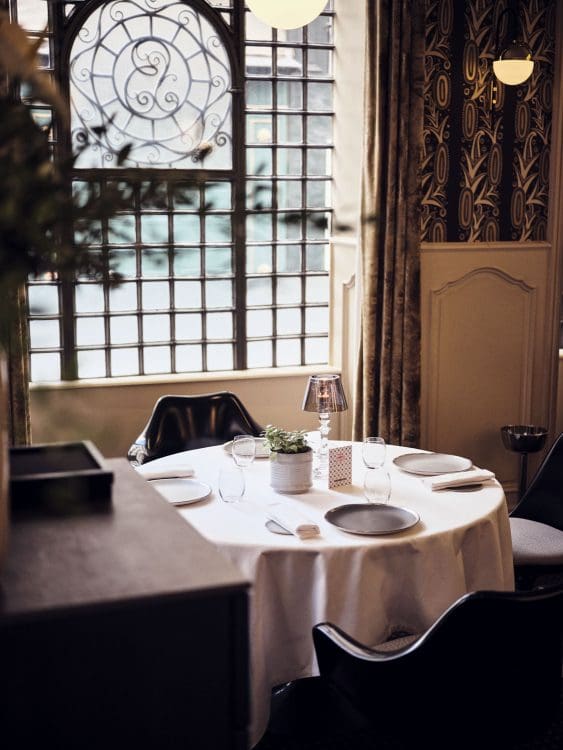
In the dining room where Eugénie Brazier became the first woman to earn six Michelin stars — three here, three at her mountain outpost in the Col de la Luère — Mathieu Viannay continues her legacy with reverent updates on Lyon’s greatest hits. The room itself has been preserved: white tablecloths, fresh flowers, the kind of hush that settles over spaces where important things happen. To dine here is to commune with history, to taste the tradition that Paul Bocuse called the foundation of French gastronomy.
The poularde demi-deuil remains untouchable — chicken in mourning dress, with black truffles slipped beneath the skin before roasting. The dish dates to 1921, when Brazier first presented it, and it has not been improved because it cannot be improved. The bird arrives at the table whole, golden and fragrant, and the carving is performed with ceremonial gravity. The first slice, with its mosaic of pale meat and dark truffle, is a reminder of why French cuisine conquered the world: not through complexity but through the relentless pursuit of perfection in simple things.
Viannay’s additions — foie gras with artichoke and coffee, blue lobster with Jerusalem artichoke — demonstrate that tradition need not mean stagnation. The artichoke bisque, glossy with butter and fragrant with chervil, could have come from Brazier’s own kitchen; the coffee element, bitter and bold, is unmistakably contemporary. This is how living traditions evolve: not by abandoning the past but by understanding it so deeply that innovation becomes possible. The staff, many of whom trained under Viannay from youth, serve with the quiet pride of people who know they work somewhere important.
Mirazur
Mediterranean | Menton | Experience Menu from €340
Mauro Colagreco’s clifftop restaurant gazes across the Mediterranean to Italy, and his cooking spans that same border with joyous abandon. From the terraced gardens that rise behind the dining room, vegetables and herbs arrive minutes after harvest, still warm from the sun and vibrating with a life force that no amount of refrigerated transport can preserve. This is not farm-to-table as marketing slogan but as operational necessity: the kitchen’s rhythms follow the garden’s, and the menu exists only in the present tense.
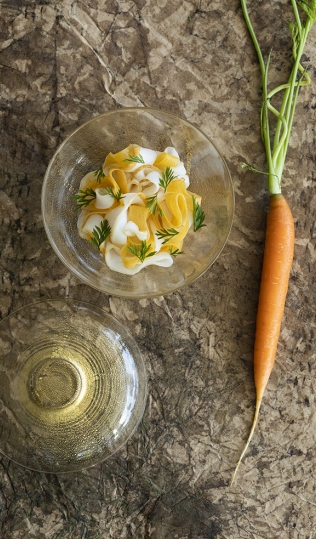
The world’s best restaurant ranking, when it came in 2019, was inevitable. Colagreco, Argentine by birth and Mediterranean by adoption, cooks with a freedom that more established traditions might constrain. A signature dish presents an egg yolk cured in salt and aged for months, then served atop a celeriac cream that balances the intensity with earthy sweetness. Citrus from the garden might arrive as both juice and zest, as gelée and granita, as foam and essence, the familiar fruit deconstructed and reassembled into something that reveals dimensions you never knew existed.
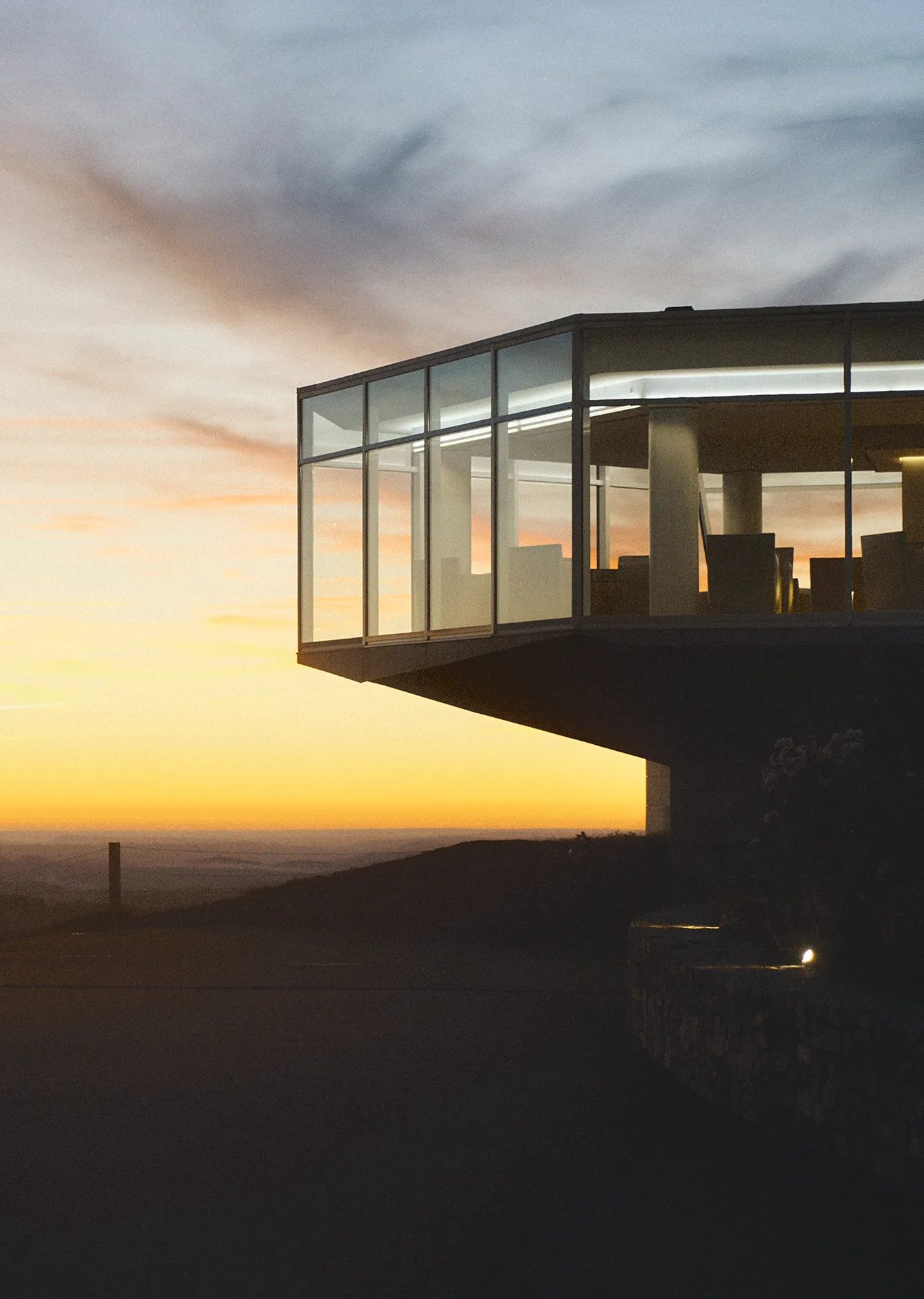
The setting amplifies everything. The dining room, all glass and clean lines, frames the Mediterranean like a painting that changes with the weather and the hour. On clear days, you can see Corsica; on hazy ones, the sea merges with the sky in a blue that recalls Yves Klein who through his art created a vivid, deep ultramarine blue pigment International known as Klein Blue (IKB), an intense, almost electric blue with incredible depth and saturation — quite unlike any natural blue you see in everyday life… Afternoon light enters golden and warm; evening light turns everything to rose and violet. By the time the final course arrives — perhaps a dessert built around Meyer lemons from trees you can see through the window — you have been fed not just food but beauty, not just sustenance but a vision of what cooking can aspire to be.
Le Suquet
Provençal Contemporary | Laguiole, Aubrac | Discovery Menu from €230
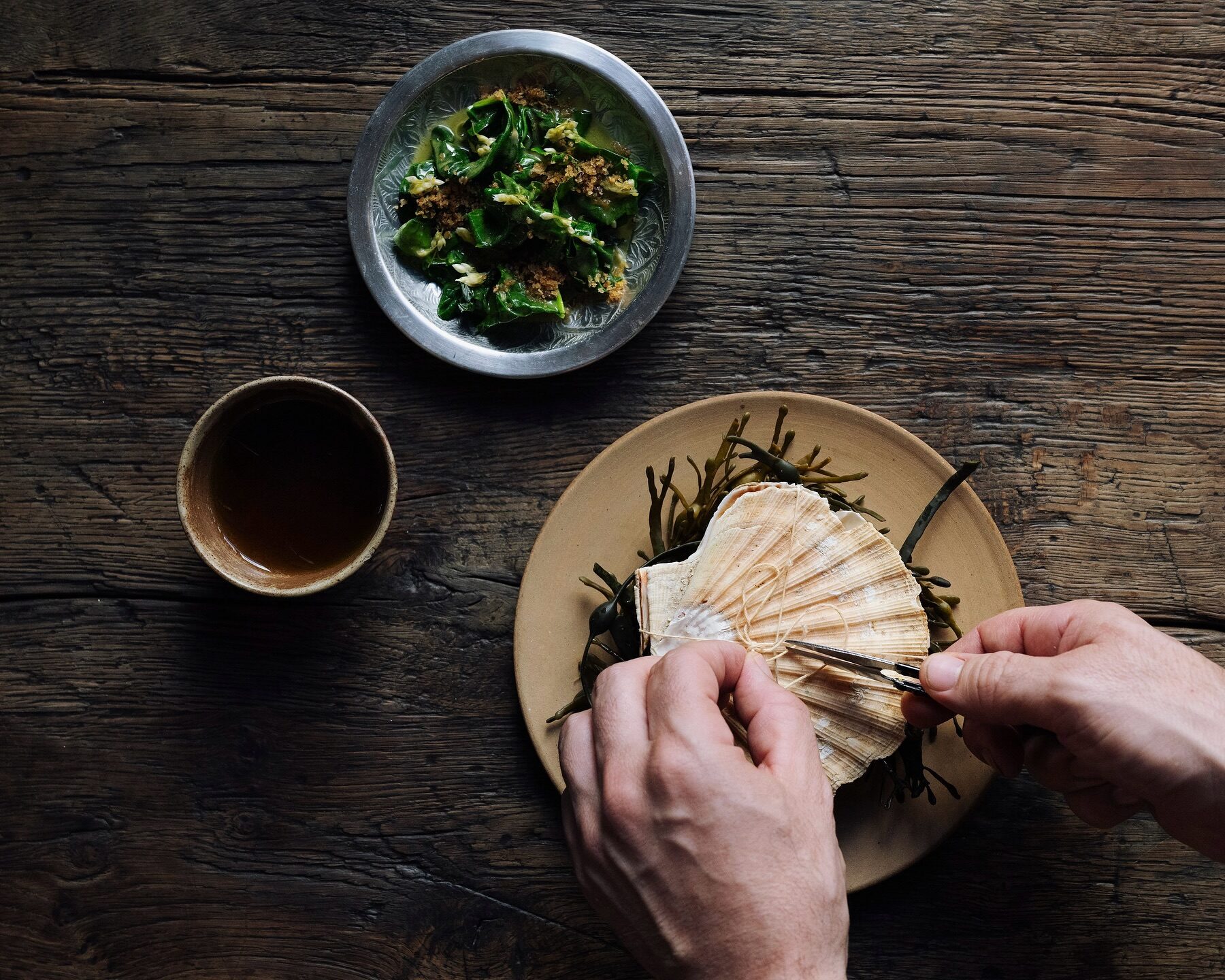
In a building designed by Philippe Starck on the wild Aubrac plateau, Sébastien Bras crafts dishes that taste of the ancient landscape — wild herbs, raw milk cheeses, Aubrac beef raised on volcanic pastures that have never known a plough. The three-hour pilgrimage from anywhere is the point: this is not a restaurant for the casual diner but a destination that demands commitment. Those who make the journey find something closer to a spiritual retreat than a mere meal.
Bras succeeded his father Michel, who invented this cuisine of the Aubrac in the 1980s and whose gargouillou of young vegetables remains one of French gastronomy’s touchstones. Sébastien has not abandoned the philosophy but has extended it, adding Asian influences absorbed during his years cooking in Japan and a playfulness that the elder Bras’s more austere vision sometimes lacked. The signature gargouillou now includes upwards of fifty elements — flowers, leaves, shoots, roots — each harvested that morning from the kitchen garden or the surrounding meadows.
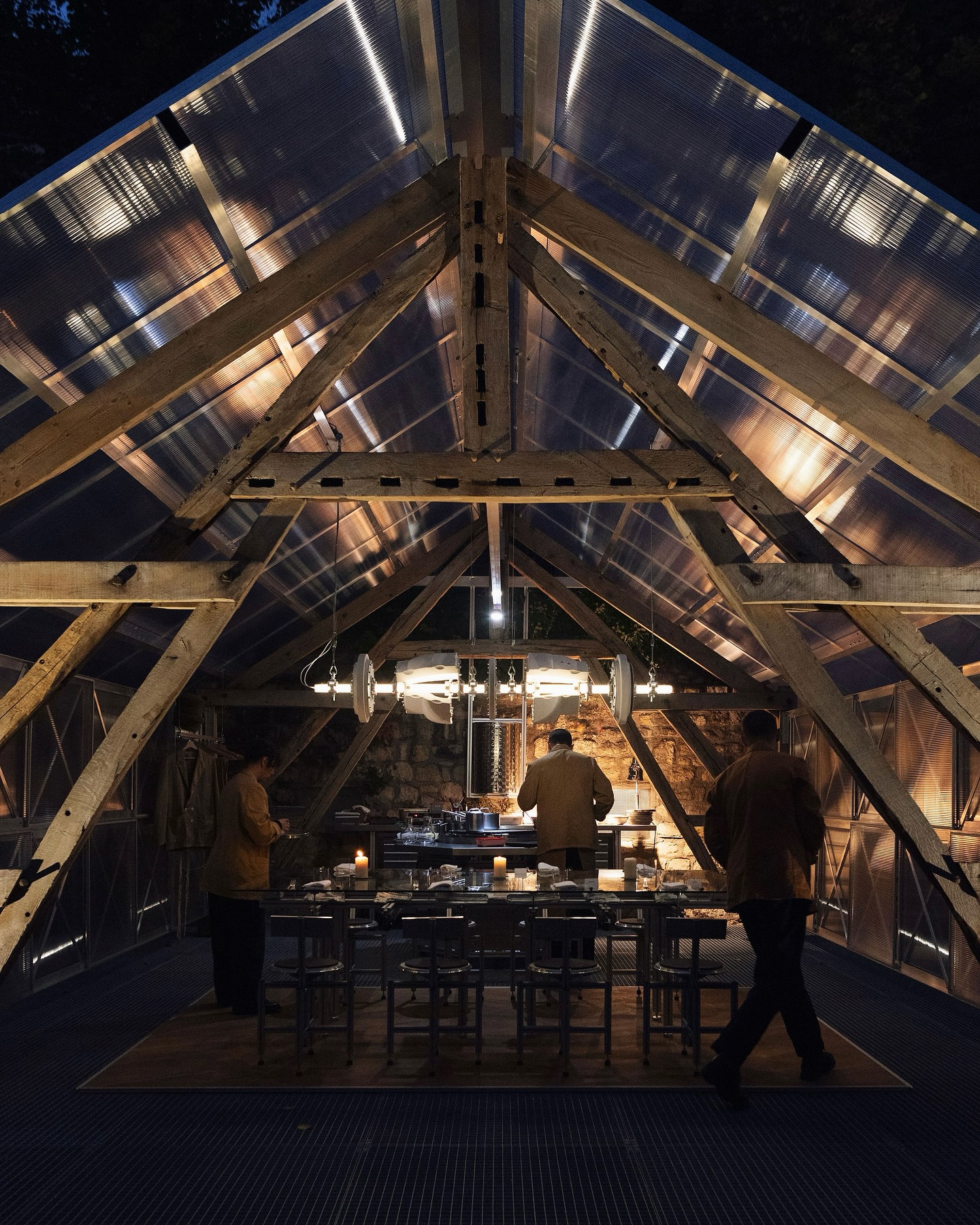
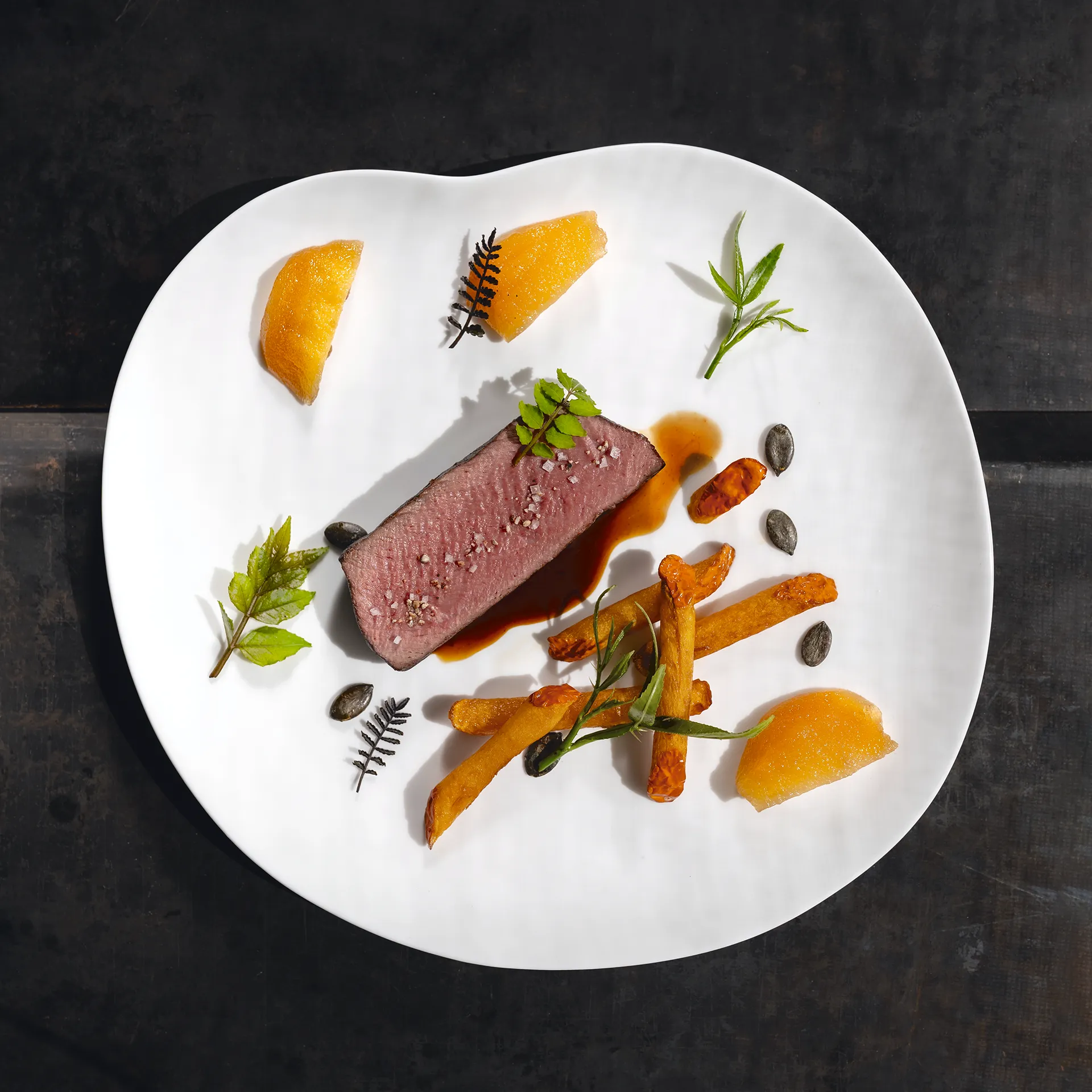
The Starck building, all glass and steel amid stone farmhouses, provoked controversy when it opened but now seems the only possible setting. The vast windows frame the plateau in every season: green in summer, gold in autumn, white in winter, dotted with the rust-coloured cattle that provide the beef that defines the menu. Meals here last hours and feel shorter; the parade of courses, each more surprising than the last, induces a trance-like state that devotees compare to meditation. The return journey, down winding roads through villages that time forgot, extends the experience into a kind of pilgrimage in reverse.