How a small country became a global design superpower
Dutch design punches absurdly above its weight. A nation of seventeen million has produced Mondrian, Rietveld, Rem Koolhaas, Droog, and the architects behind some of the world’s most innovative buildings. There’s something about the Dutch mindset — pragmatic, inventive, slightly contrarian — that translates naturally into objects and spaces.
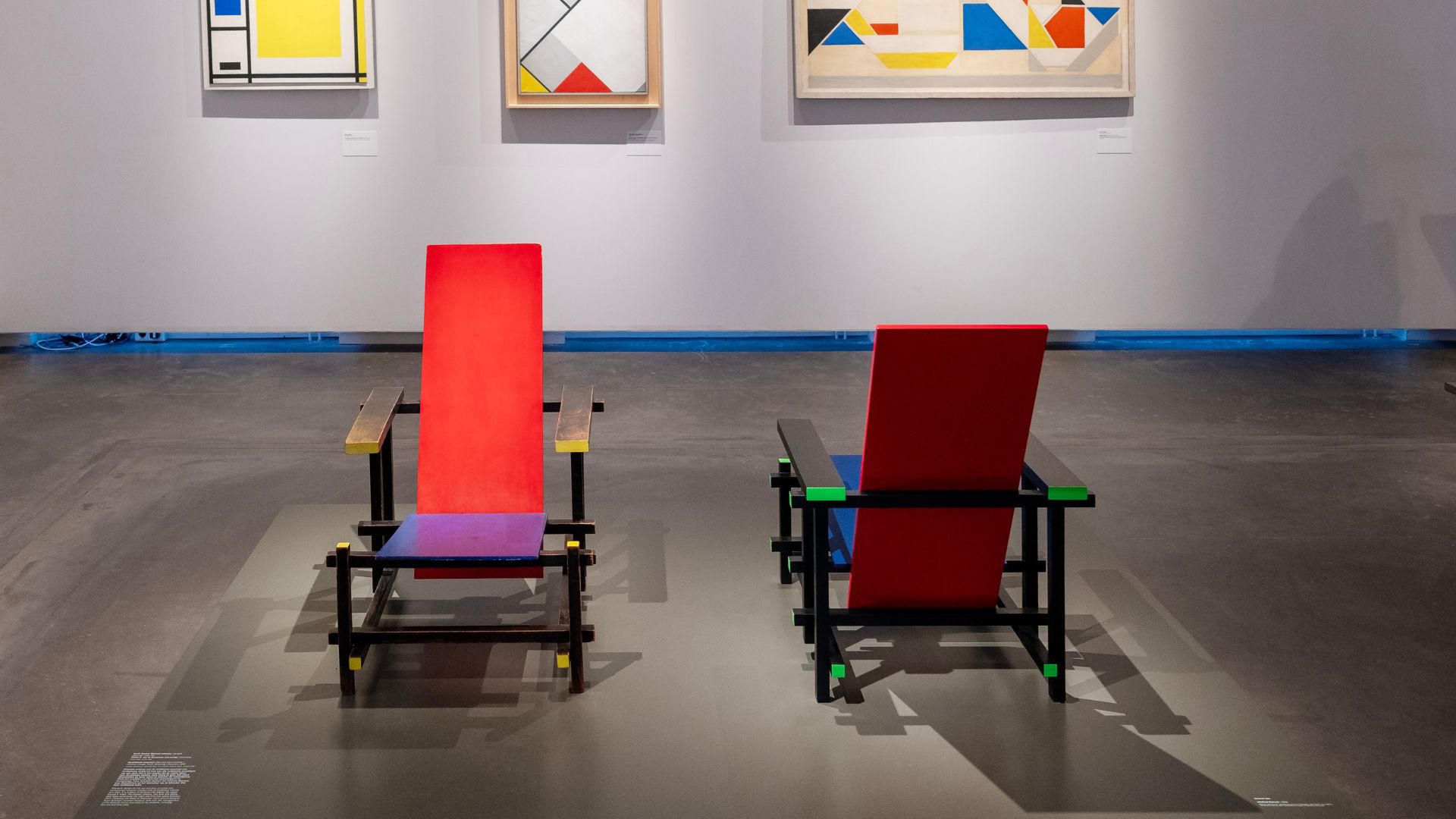
The story begins with De Stijl, the movement founded in 1917 around the principles of geometric abstraction. Mondrian’s grid paintings — primary colours separated by black lines — became a visual shorthand for modernism itself. But the practical applications were equally revolutionary. Gerrit Rietveld’s Red and Blue Chair, designed in 1918, looks like a child’s drawing rendered in wood; a century later, it still appears futuristic.
In Utrecht, the Centraal Museum houses the definitive De Stijl collection, including the complete contents of Rietveld’s studio. But the masterpiece is a short bus ride away: the Rietveld Schröder House, built in 1924 for a widow who wanted a home with no fixed walls. Sliding panels transform the upper floor from open plan to private rooms; even the furniture folds away to change the space. It’s a philosophy as much as a building.
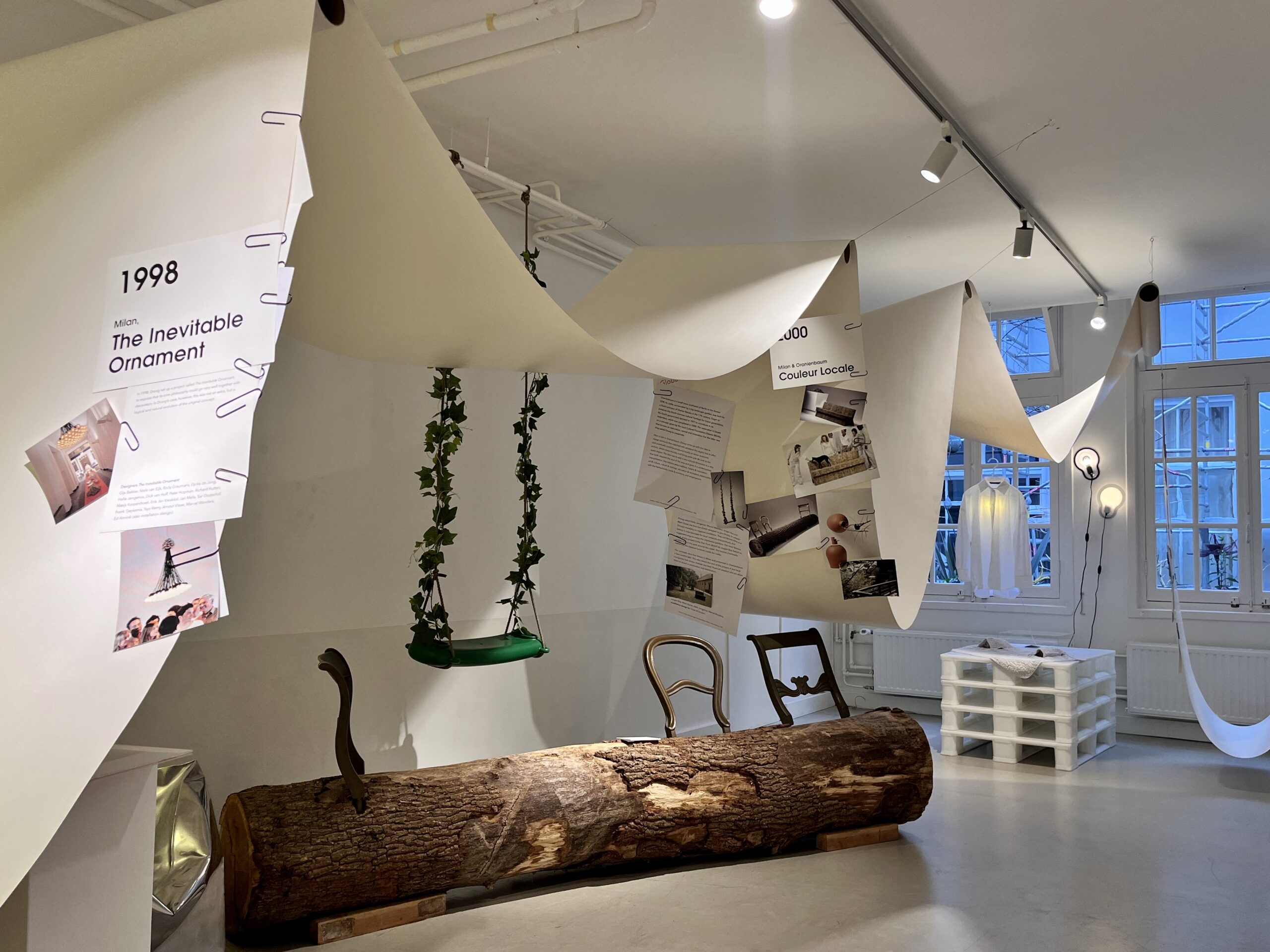
Modern Dutch design continues this tradition of functional wit. Droog (meaning ‘dry’ — as in humour) launched in 1993 with objects that questioned the nature of design itself. Marcel Wanders’ Knotted Chair, made from knotted rope set with resin, is in the permanent collection of MoMA; his work for the Andaz hotel in Amsterdam turned a former library into an Alice in Wonderland fantasy. Hella Jongerius, Studio Job, and dozens of others have built international careers from a foundation of Dutch design education.
The best places to see contemporary Dutch design include Rotterdam’s museum district (Het Nieuwe Instituut focuses specifically on architecture and design), the Stedelijk Museum in Amsterdam, and the Dutch Design Week in Eindhoven each October — the world’s largest design event, with over 2,500 designers exhibiting across the city.