Chinese festivals provide some of the most memorable travel experiences and some of the most challenging travel conditions, often simultaneously. The celebrations can be extraordinary — fireworks, traditional performances, food that appears only during specific holidays. The crowds can be catastrophic — hundreds of millions of people travelling simultaneously, creating booking nightmares and transport chaos. Understanding the festival calendar is essential for planning a trip that captures the best while avoiding the worst.
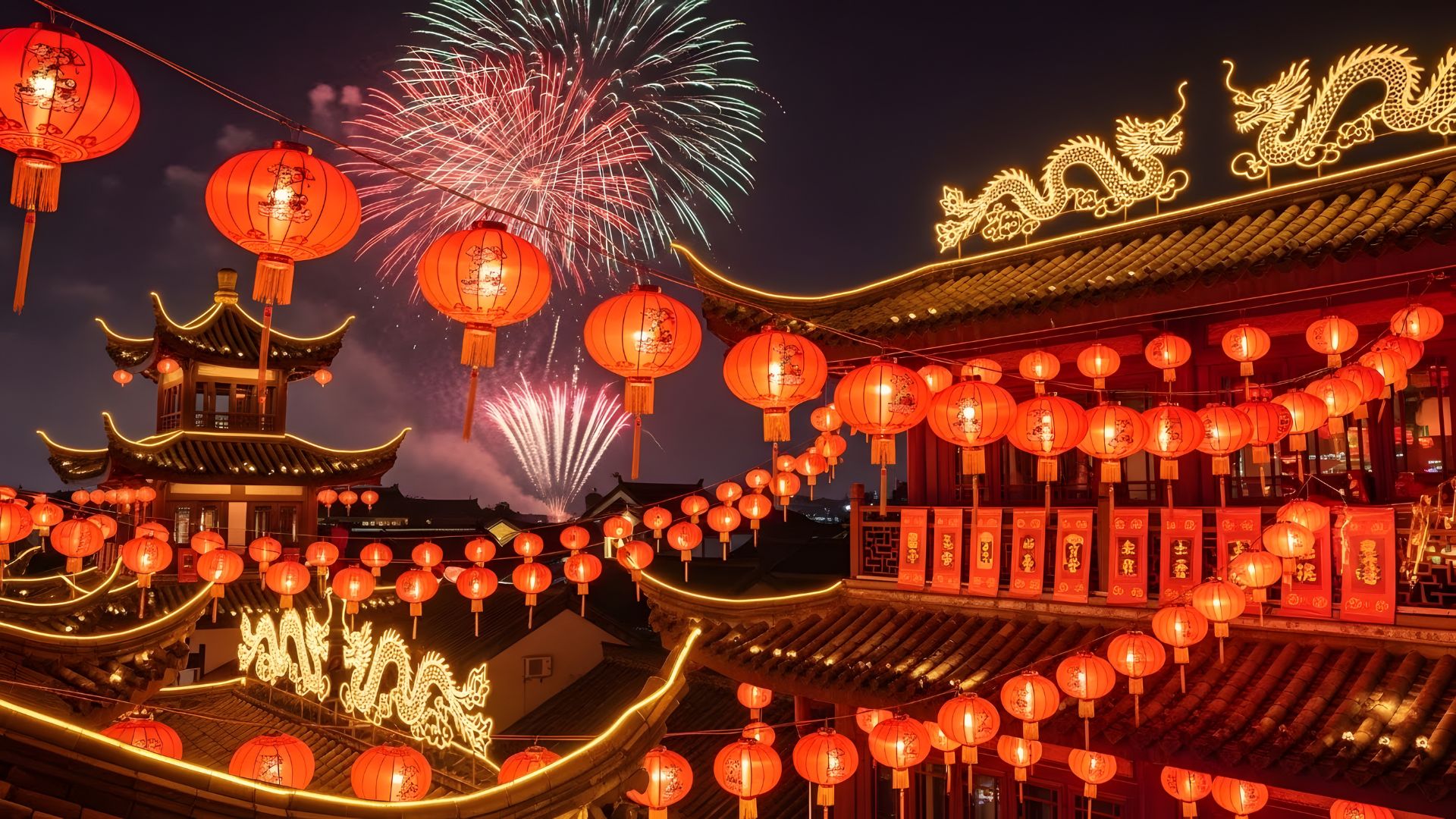
Chinese New Year (Spring Festival) is the big one: a week-long national holiday when the world’s largest human migration occurs. Over 400 million people travel to their hometowns; trains and planes book out weeks in advance; tourist sites empty as businesses close; and the fireworks on New Year’s Eve are genuinely spectacular. The experience of celebrating New Year in China — ideally with a Chinese family, arranged through friends or cultural exchanges — can be the trip highlight. The experience of trying to travel during New Year, without planning, can be the trip disaster.
Golden Week (first week of October) celebrates National Day and provides the second major travel nightmare. Chinese domestic tourists flood popular destinations; hotel prices triple; famous sites reach capacity and close. Unless you have specific reasons to be in China during Golden Week, avoid it. The week before and after can be pleasant; the week itself is endurance.
The smaller festivals provide experience without chaos. Mid-Autumn Festival (September or October, depending on lunar calendar) celebrates the harvest moon with mooncakes and family gatherings. The Dragon Boat Festival (June) features races and zongzi (sticky rice dumplings). The Lantern Festival (February) concludes New Year celebrations with lantern displays. Qingming (April) honours ancestors at graves. These holidays affect business hours but do not create the transport apocalypse of the major weeks.
Planning around festivals requires awareness of lunar calendar dates, which shift each year. Check specific dates before booking; plan around the major holidays unless they are your specific goal. The rewards of visiting during festivals — the atmosphere, the food, the sense of participating in living traditions — can be substantial. The costs of visiting without awareness — the crowds, the prices, the fully-booked transport — can be equally substantial. Knowledge is the difference.