The phrase Chinese food conceals more than it reveals. What British high streets call Chinese bears approximately the same relationship to actual Chinese cuisine as a motorway service station sandwich bears to French gastronomy. China has eight major regional cuisines, each with centuries of development, distinct ingredients, and cooking philosophies that approach food from fundamentally different angles. Understanding this diversity transforms how you eat your way through the country.
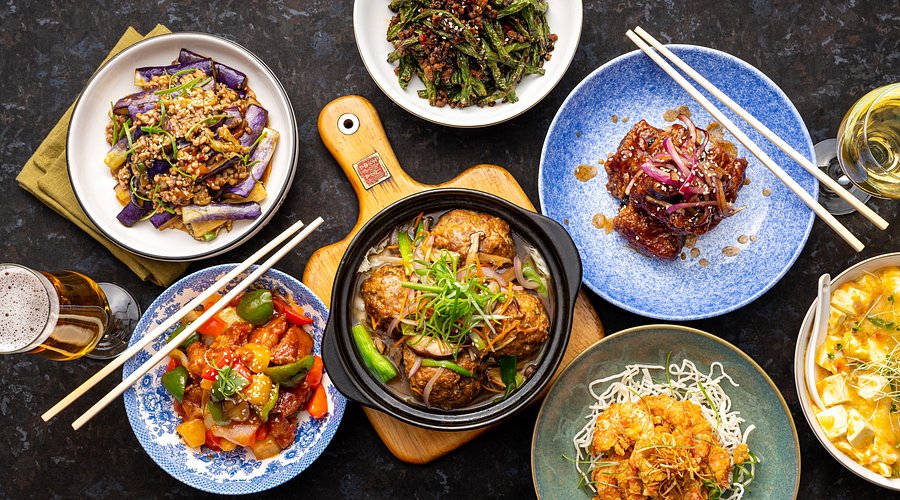
Cantonese cuisine, from Guangdong province, is what most Westerners know best — stir-frying, dim sum, and a philosophy that emphasises fresh ingredients with minimal intervention. The Cantonese say they eat everything with four legs except tables; the cooking proves this with preparations that seem exotic until you taste them. Hong Kong and Guangzhou are the capitals; the dim sum tradition alone justifies visiting both. The delicacy and refinement of Cantonese cooking make it China’s most celebrated cuisine internationally, though other regions consider their food superior.
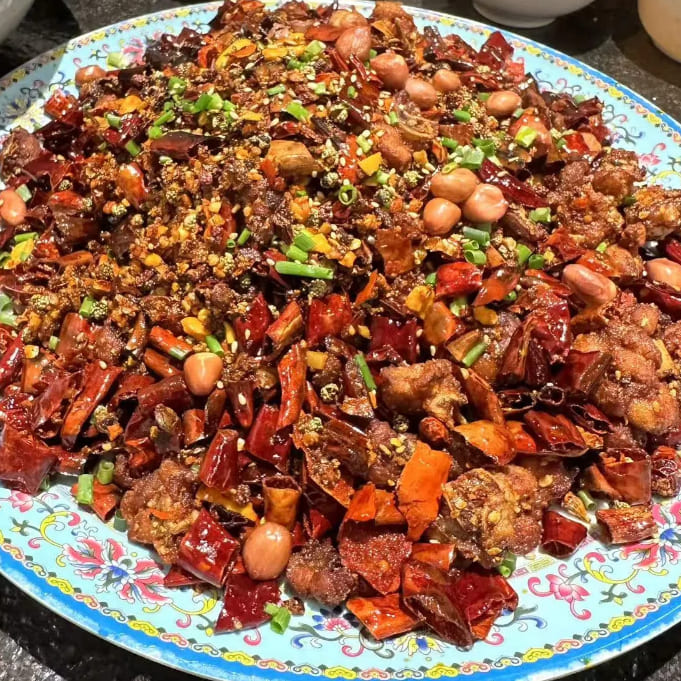
Sichuan cuisine approaches food as a sensory assault. The combination of dried chilies and Sichuan peppercorns — the latter creating a numbing sensation distinct from heat — produces dishes that seem to rewire your taste buds. Mapo tofu, kung pao chicken, and hot pot are the famous exports; eating them in Chengdu reveals how much the international versions have been tamed. The heat is not gratuitous but structural, creating flavour combinations impossible without it.
Shandong cuisine from the northeast emphasises seafood and technique; Jiangsu cuisine from around Shanghai focuses on sweetness and presentation; Zhejiang cuisine from Hangzhou tends toward freshness and subtlety; Fujian cuisine from the southeast coast uses extensive braising; Hunan cuisine rivals Sichuan for heat but without the numbing peppercorns; and Anhui cuisine from the interior mountains features wild ingredients and hearty preparations. Each province would be a culinary destination in any other country; in China, they represent fractions of the whole.
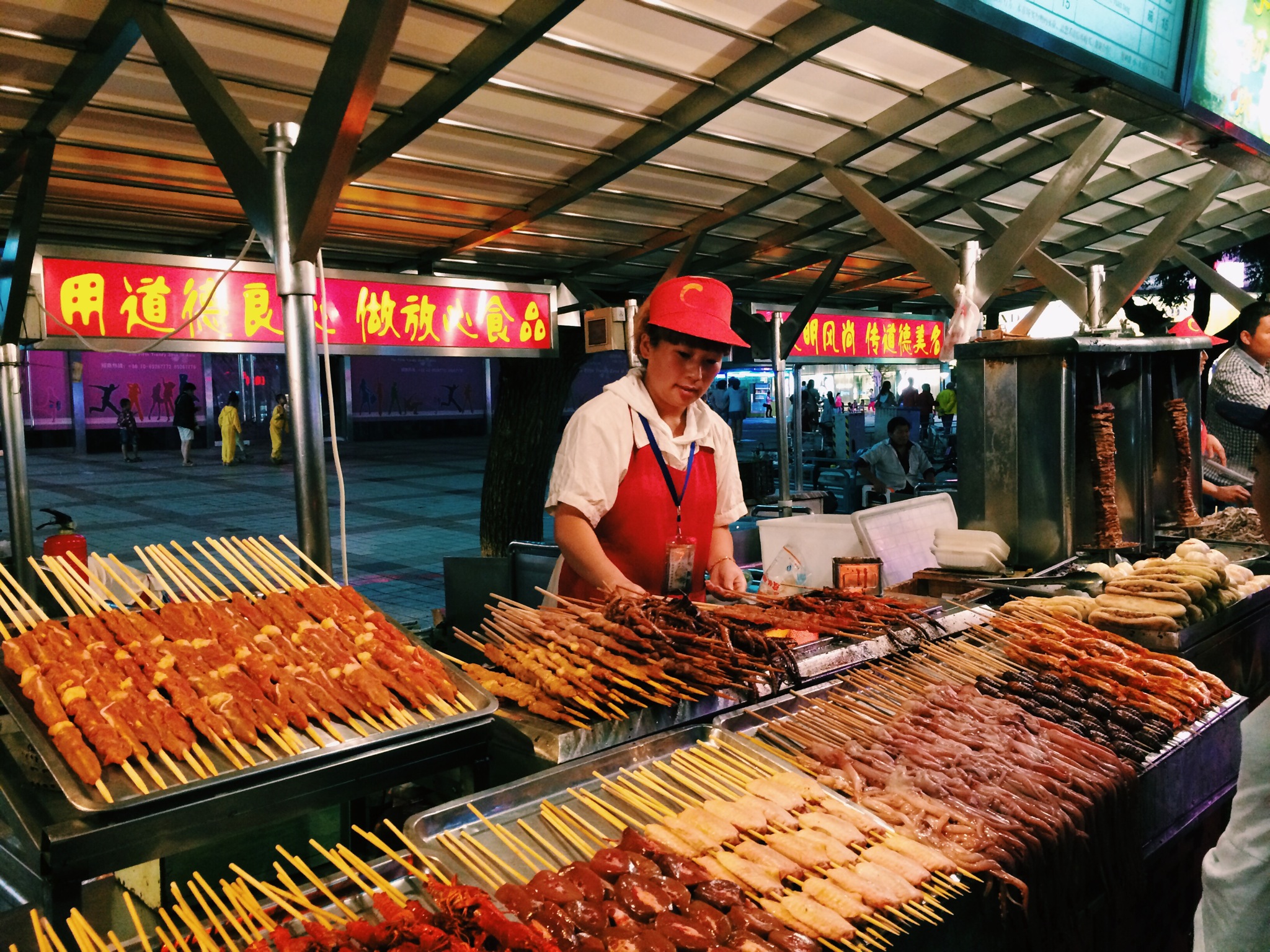
Eating well in China requires abandoning preconceptions and embracing adventure. Point at what other tables are eating; ask servers what is good today; accept that some dishes will challenge and others will convert. The breakfast traditions alone — congee, dumplings, noodles, the thousand variations of street food that fuel morning commutes — deserve their own study. Three weeks allows sampling; appreciation requires return visits, each focused on different regions, building toward understanding that the phrase Chinese food will forever after seem absurdly reductive.