
Banff & the Canadian Rockies: Where Grandeur Meets Refinement
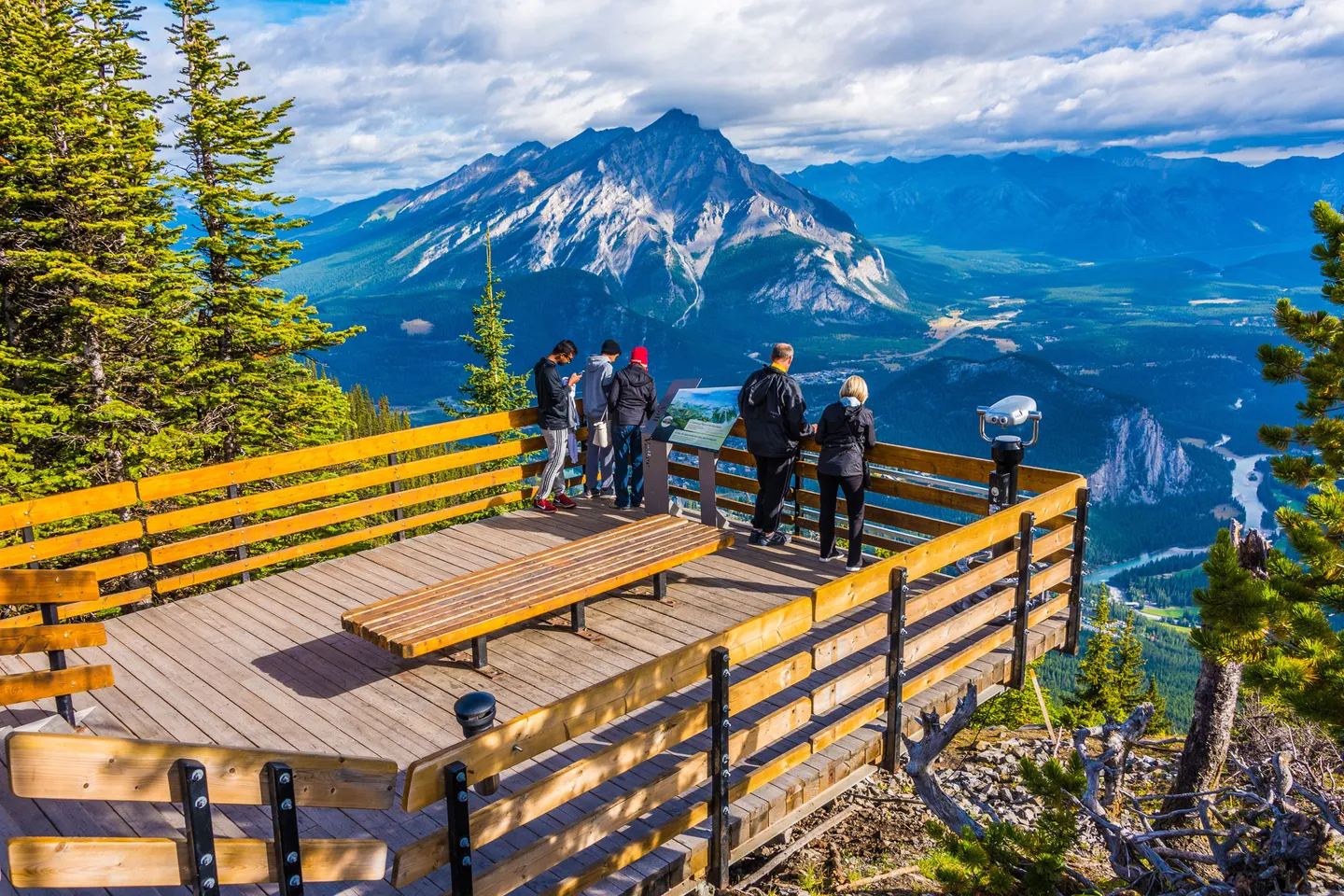
Banff National Park was Canada’s first, established in 1885 after railway workers stumbled upon hot springs in the mountains and the government recognised, with uncharacteristic foresight, that some landscapes are too valuable to exploit. What began as a modest 26 square kilometres has expanded to 6,641 square kilometres of protected wilderness—a sanctuary of glacier-carved valleys, turquoise lakes, and peaks that have been drawing the world’s elite since the Canadian Pacific Railway made access possible.
The town of Banff itself presents an interesting contradiction: a municipality of 8,000 permanent residents that annually welcomes over four million visitors, yet maintains genuine charm and refuses to succumb to the generic resort aesthetic that ruins so many mountain destinations. Strict development controls, enforced with Canadian determination, ensure that buildings remain sympathetic to their setting and commercial excess is kept within tolerable bounds.
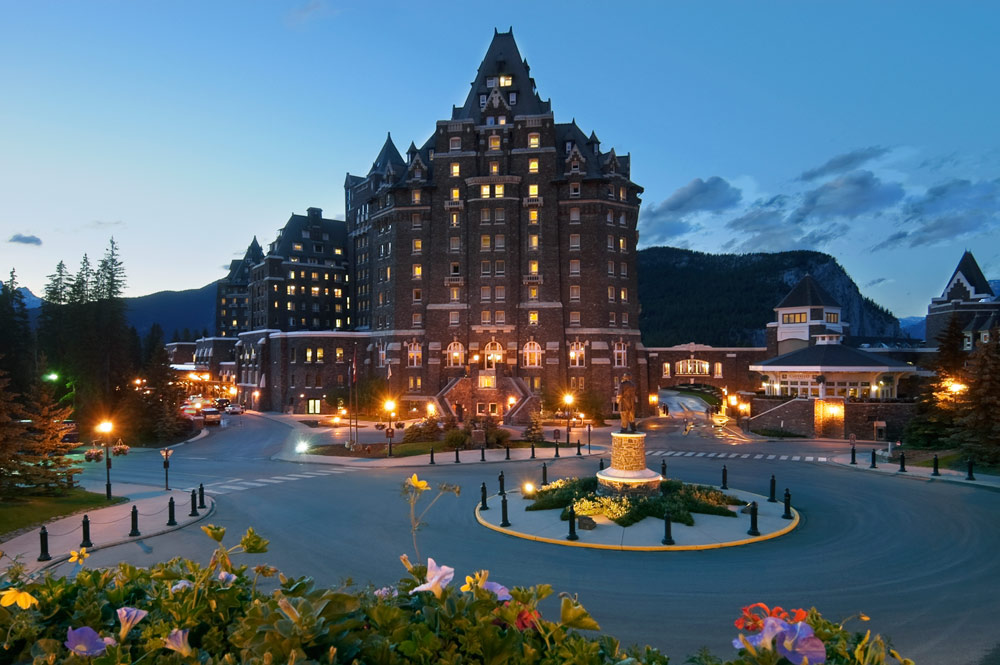
The Fairmont Banff Springs
The Fairmont Banff Springs Hotel commands attention in the way that only a château built by railway barons can. When William Cornelius Van Horne, the Canadian Pacific Railway’s general manager, declared that ‘since we cannot export the scenery, we shall have to import the tourists,’ he understood that the import would require appropriate accommodation. The result, opened in 1888 and rebuilt after fire in 1928, is a Scottish baronial fantasy transplanted to the Rockies—764 rooms of turrets, towers, and terraces arranged to extract maximum drama from its mountain setting.
The hotel has welcomed royalty, presidents, and celebrities for over a century, yet manages to avoid the museum quality that afflicts some historic properties. The Willow Stream Spa draws on the area’s hot springs heritage. The Stanley Thompson golf course, redesigned multiple times since its 1928 opening, remains one of North America’s most spectacular (and challenging) rounds. The dining options—from the refined Eden to the casual Grapes Wine Bar—provide quality that justifies the premium.
Lake Louise and Beyond
Forty-five minutes northwest of Banff town, Lake Louise presents arguably the most photographed scene in Canada: the impossibly turquoise lake backed by Victoria Glacier, with the Fairmont Château Lake Louise positioned to capture the view that has graced ten thousand postcards. The colour—caused by rock flour suspended in glacial meltwater—shifts throughout the day, from emerald in morning shadow to brilliant aquamarine in afternoon sun.
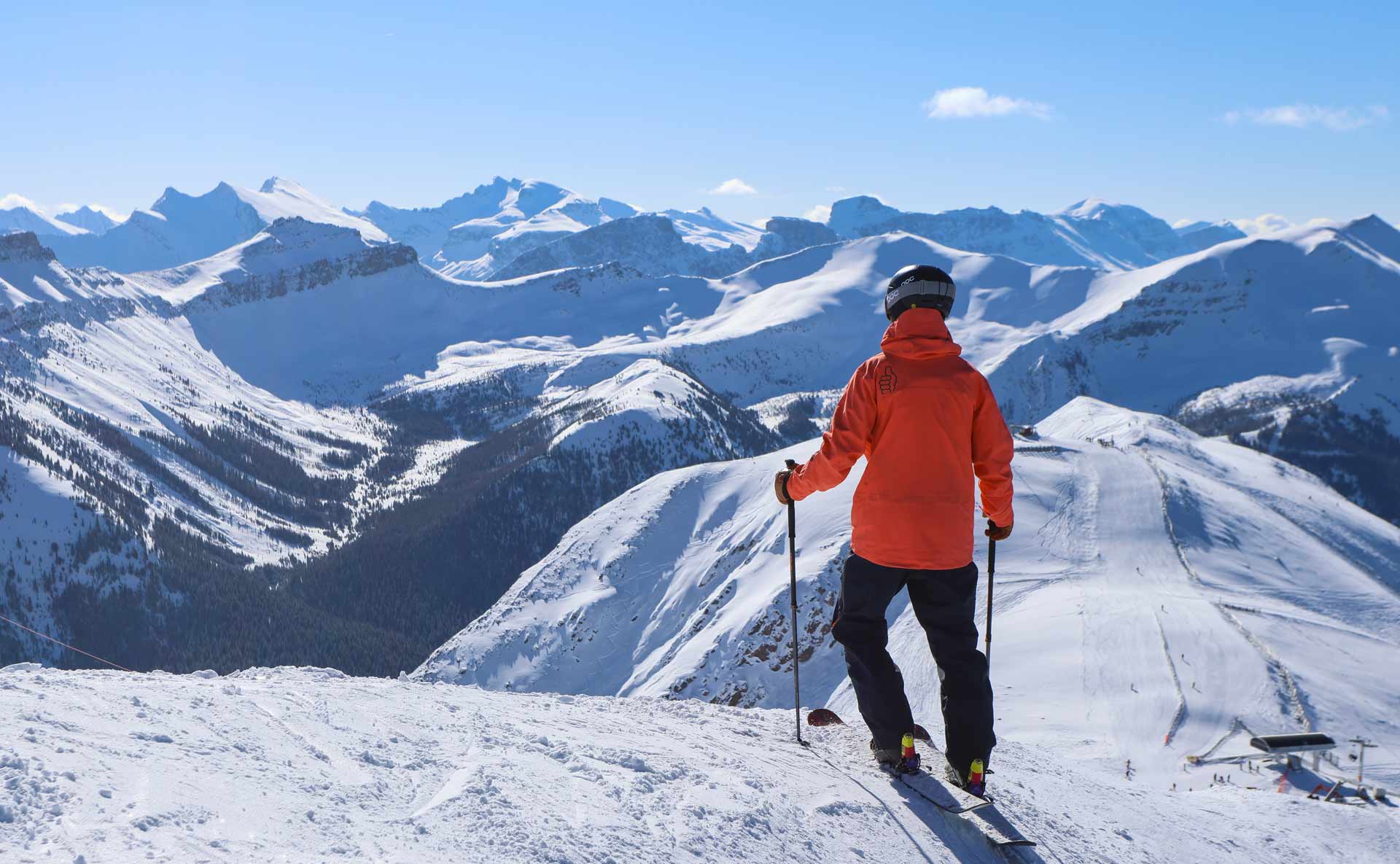
The Château itself, like its sibling in Banff, began as a railway hotel and has evolved into a destination resort. Winter brings world-class skiing at Lake Louise Resort; summer offers hiking trails ranging from gentle lakeside strolls to serious alpine expeditions. The Plain of Six Glaciers trail—a three-hour walk to a historic teahouse serving fresh-baked goods beneath glacial walls—represents Rocky Mountain hiking at its most rewarding.
For those seeking alternatives to the Fairmont properties, the Post Hotel & Spa in Lake Louise village offers boutique intimacy with comparable views. In Banff itself, the Rimrock Resort Hotel provides luxury at altitude, perched on Sulphur Mountain with panoramic perspectives. The Mount Royal Hotel brings contemporary design to the heritage hotel tradition.