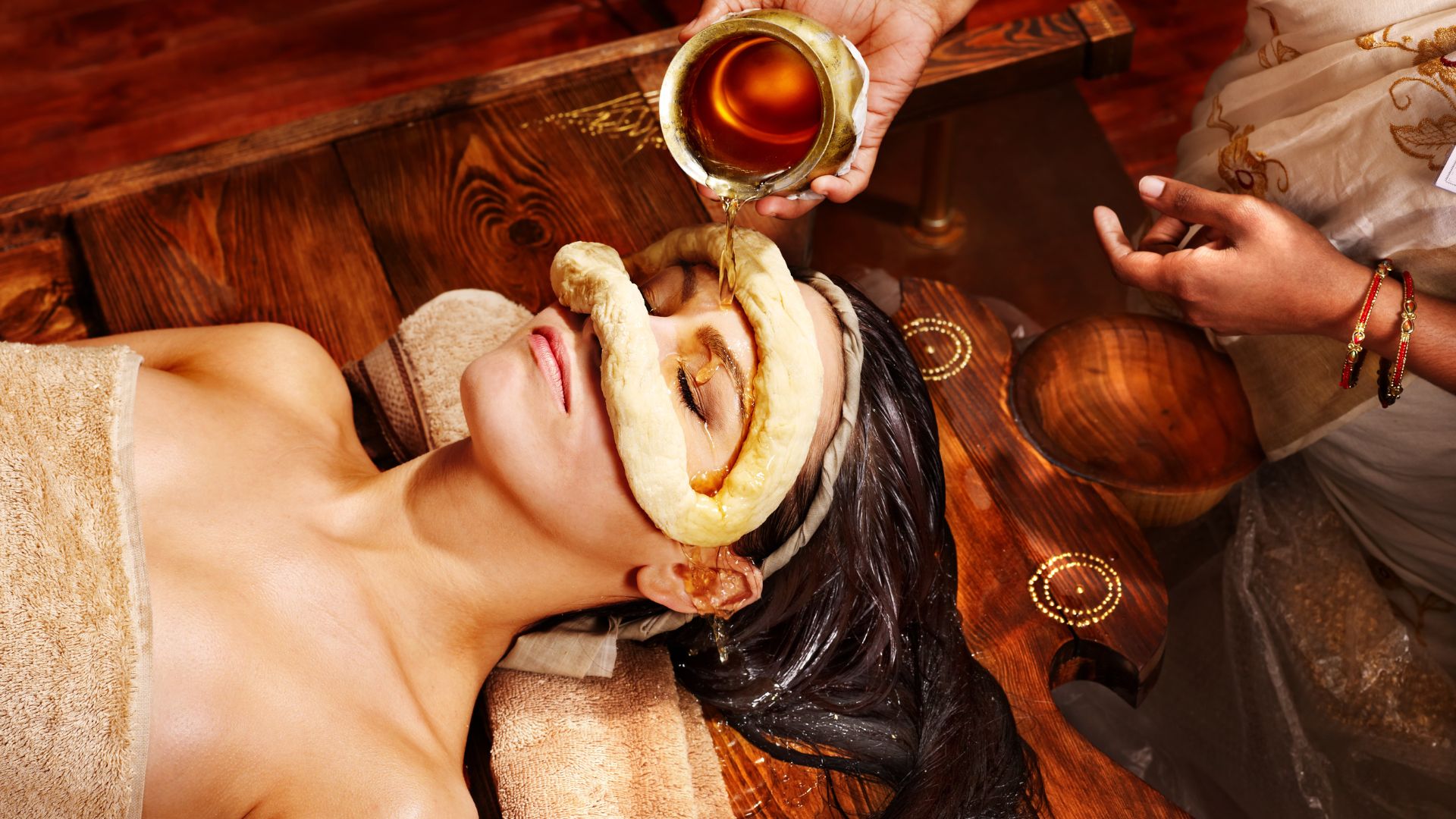
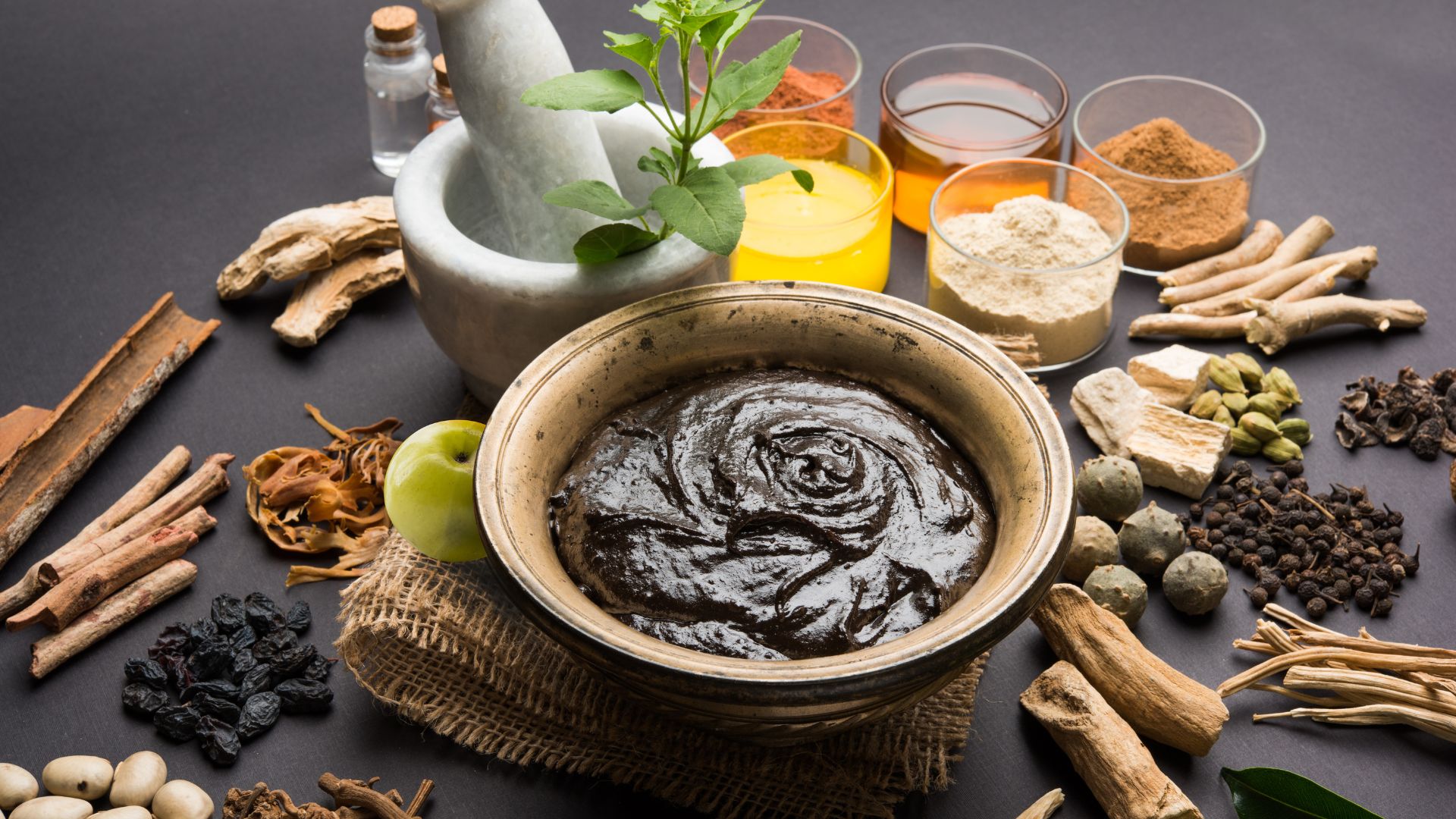
Ayurveda arrived in Sri Lanka with the Sinhalese themselves, some 2,500 years ago. The practice has evolved into something distinct from its Indian origins: local plants, local knowledge, local approaches that practitioners consider superior and tourists cannot evaluate. The contemporary wellness industry has embraced it with enthusiasm that occasionally exceeds understanding, offering everything from rigorous detoxification programmes to spa treatments that borrow Ayurvedic vocabulary without necessarily engaging Ayurvedic principles.
We experienced both extremes. At a resort spa, the ‘Ayurvedic massage’ lasted an hour, used standardised oils, and could have happened anywhere tropical. At Siddhalepa Ayurveda Health Resort, by contrast, everything began with consultation: a traditional vaidya (physician) assessed constitution through pulse reading and tongue examination, asked questions about diet and sleep and elimination that felt uncomfortably intimate, and prescribed treatments tailored to imbalances he claimed to have identified.
The treatments that followed — oils selected for my specific dosha, therapies sequenced according to protocols that predate Western medicine by millennia — bore no resemblance to the spa experience. After a week, I slept better, digested better, felt energy that exhaustion had obscured. The vaidya attributed this to rebalancing; a skeptic might attribute it to rest and attention. But even the skeptic would acknowledge that something shifted, that body and mind responded in ways that exceeded expectation.
For travellers seeking authentic Ayurveda, the guidance is simple: choose establishments with resident physicians; expect consultation before treatment; allow sufficient time (minimum seven days for meaningful benefit). The spa treatments at luxury hotels may be pleasant but aren’t Ayurveda in any traditional sense. The authentic article requires commitment, belief or at least suspension of disbelief, and willingness to discuss your bowel movements with strangers. Sri Lanka offers both options. One is relaxing. The other might actually work.