
Austria’s Strangest Stories (And Where to Find Them)
The Habsburgs were weird. The traditions are weirder. Here’s the Austria nobody mentions.
The Habsburg Death Obsession
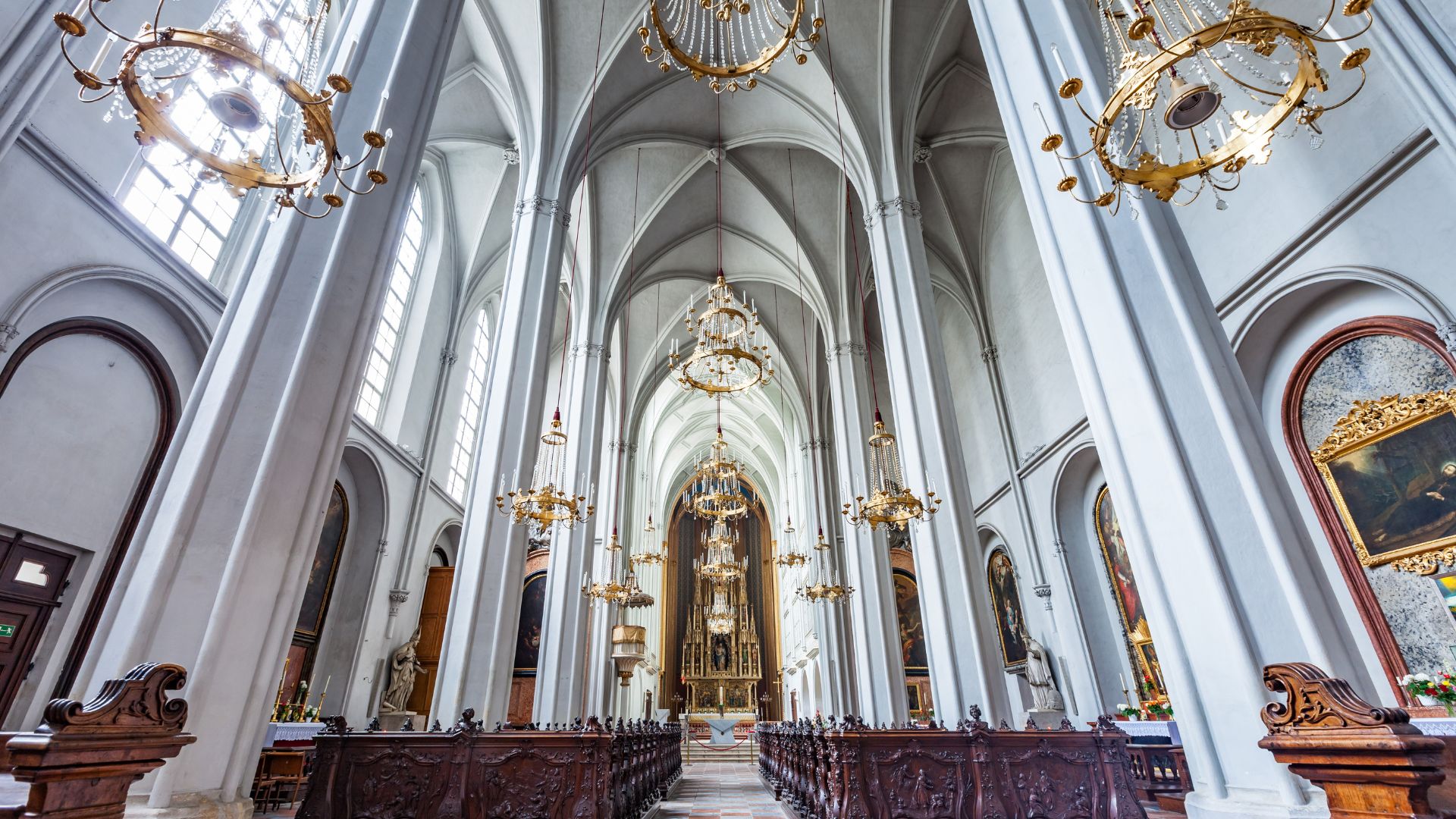
The Habsburgs ruled Central Europe for 640 years, and somewhere along the way they developed an obsession with death that makes the Addams Family look well-adjusted. When a Habsburg died, the body was divided: heart to the Augustinian Church, intestines to St Stephen’s Cathedral, rest of the corpse to the Kapuzinergruft (Imperial Crypt). This wasn’t considered weird. It was protocol.
The Kapuzinergruft, beneath a modest church in central Vienna, contains 149 Habsburgs in increasingly elaborate sarcophagi. Start with the simple 17th-century coffins and watch the ego inflate century by century until you reach Maria Theresa’s double tomb — a massive baroque confection with her and her husband rising from the dead in bronze while angels swarm around them. The contrast between the lavish tombs and the modest church above says everything about how the Habsburgs saw themselves: above ordinary death, yet ultimately confined by it.
Find it: Kapuzinergruft, Tegetthoffstraße 2, Vienna. €9 entry. Go early to avoid groups. The audio guide is worth it.
The Krampus Tradition
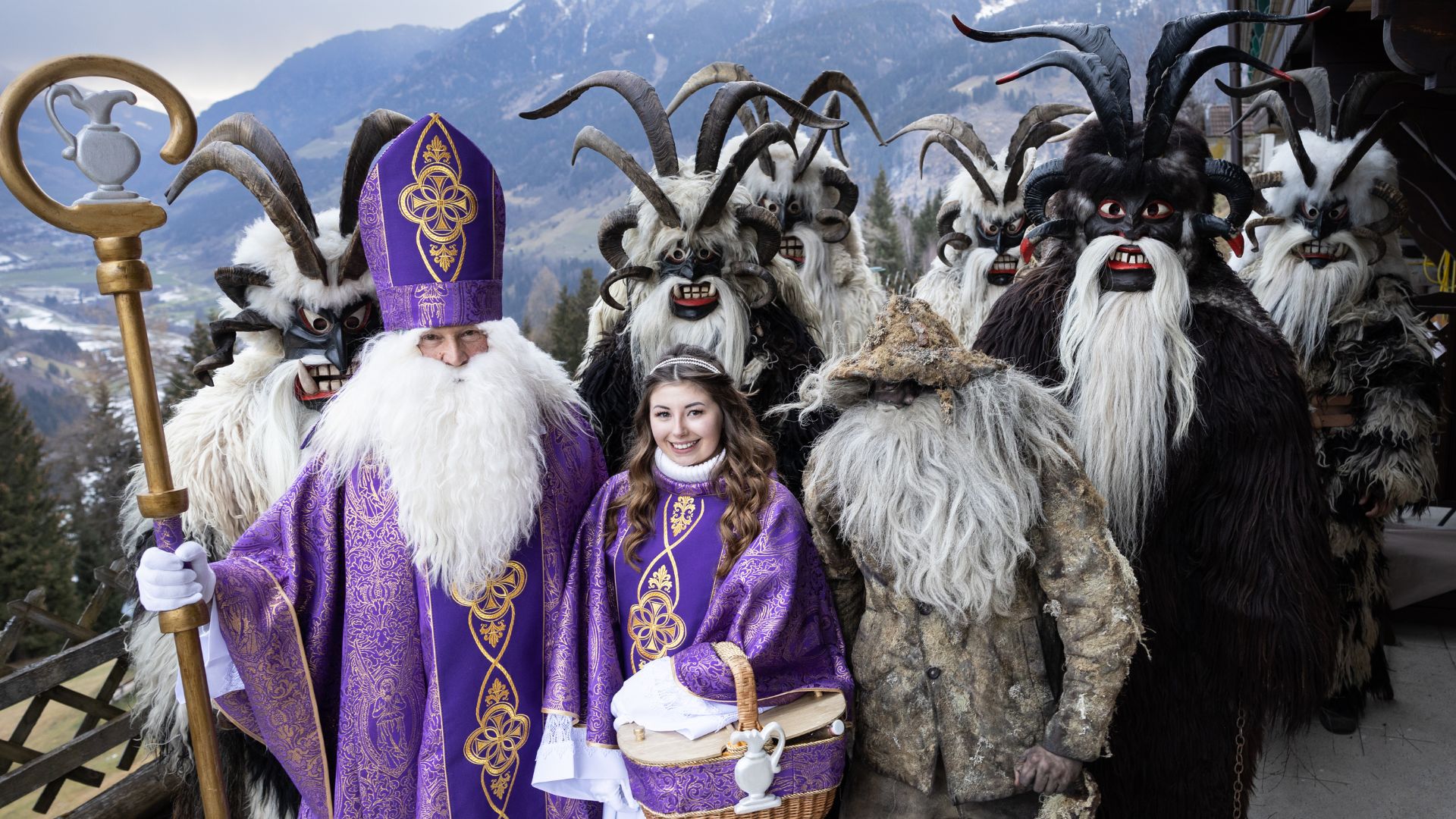
On December 5th and 6th, across Austria, men dress as demons and chase children through the streets, beating them with birch branches. This is not a horror film. This is a beloved Christmas tradition.
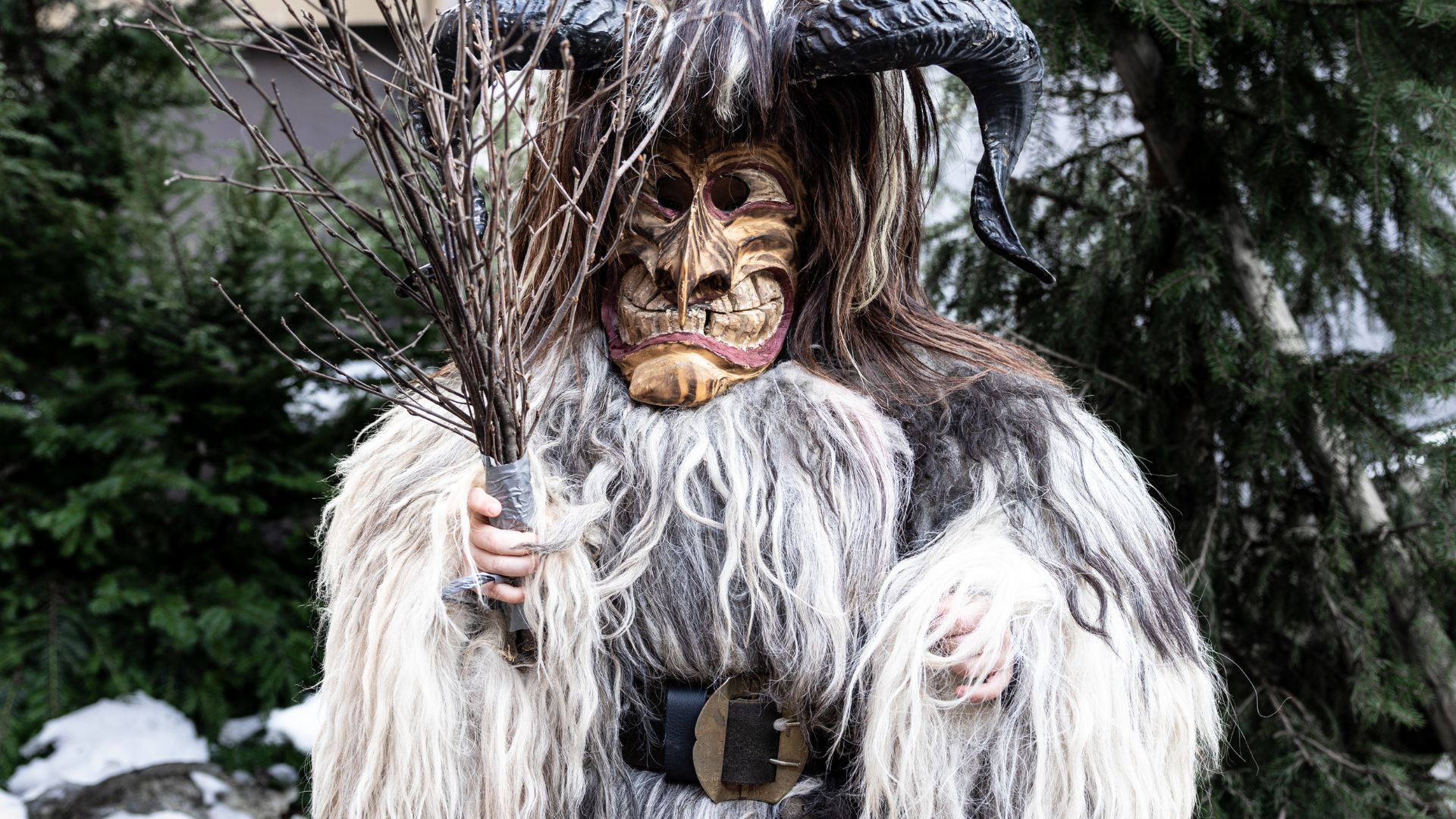
The Krampus — horned, furry, terrifying — serves as St Nicholas’s enforcer. While the saint rewards good children, Krampus punishes the bad. The Krampuslauf (Krampus run) sees groups of young men in elaborate handmade costumes rampaging through town centres, genuinely frightening spectators with their masks and chains and flaming torches. Children cry. Adults get whipped. Everyone considers this normal.
The tradition is pagan, pre-Christian, probably related to Alpine midwinter rituals that nobody fully understands anymore. The Catholic Church tried to ban it repeatedly. They failed. Austria kept its demons.
See it: The biggest Krampusläufe happen in Salzburg, Bad Gastein, and towns throughout the Tyrol on December 5th. Arrive early, keep children away, expect to be mildly traumatised. It’s unforgettable.
The Painted Skulls of Hallstatt
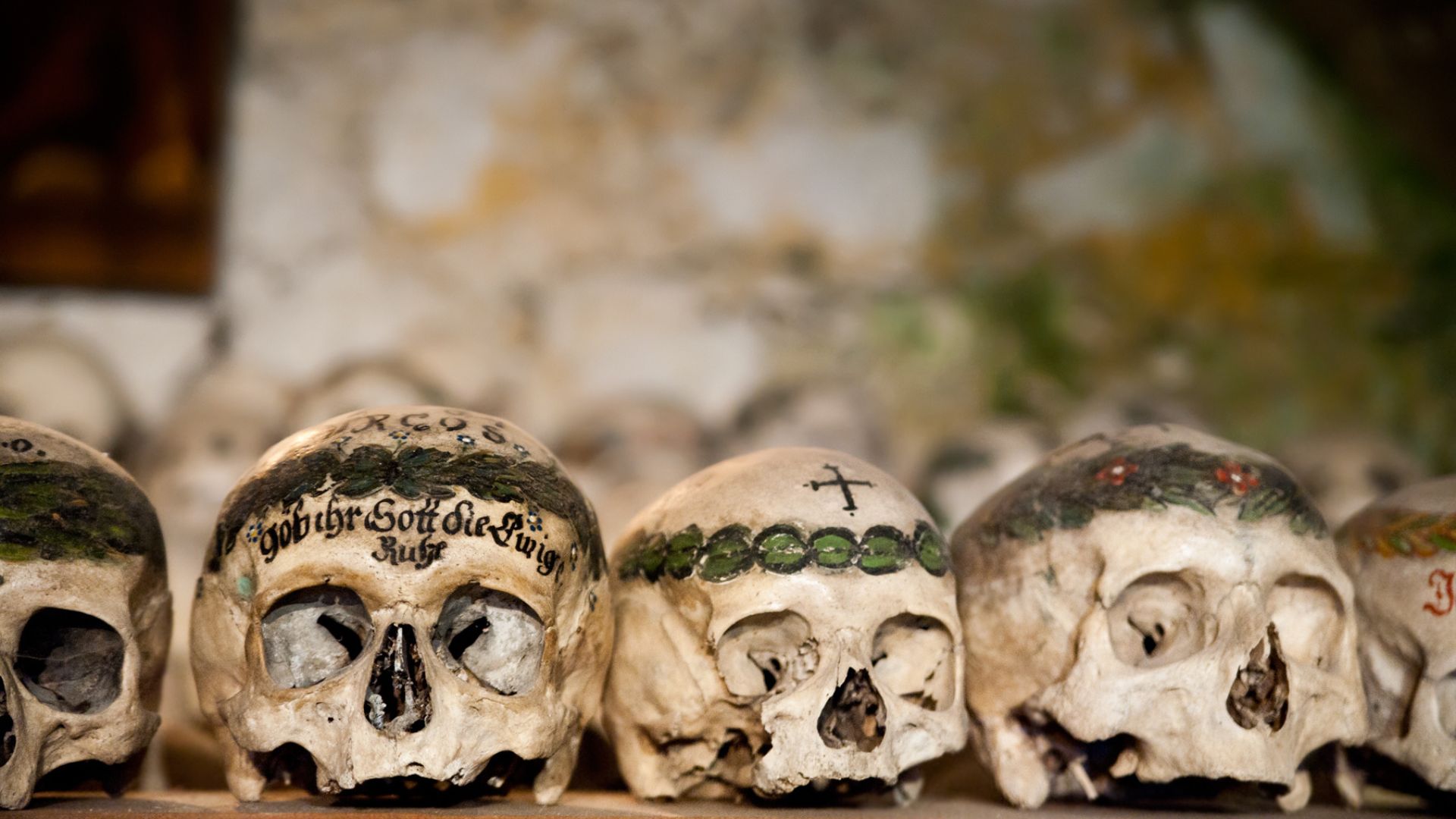
Hallstatt’s cemetery ran out of space centuries ago. The solution? Dig up the bones after ten years, bleach the skulls, paint them with decorative flowers and the deceased’s name, and stack them in the Beinhaus (bone house) attached to the church. Over 1,200 skulls now line the shelves, watching visitors with empty eyes.
The practice continued until the 1960s; the last skull was added in 1995 (by special request). Standing in the bone house, surrounded by the decorated dead, you’re forced to confront mortality in a way that sanitised modern death rituals avoid. The skulls have names. They were people. Now they’re stacked on shelves with flowers painted on their foreheads. Austria doesn’t hide from death. It decorates it.
Find it: Beinhaus, St Michael’s Chapel, Hallstatt. Small entry fee. Open daily but closes early.
Ötzi the Iceman
In 1991, hikers in the Ötztal Alps found a body melting out of a glacier. They assumed it was a recently deceased mountaineer. It wasn’t. It was a 5,300-year-old man, preserved in ice, complete with clothing, weapons, and the arrow wound that killed him.
Ötzi (as he became known) is the oldest intact human mummy ever found. His copper axe rewrote Bronze Age history. His tattoos — over 60 of them, placed on acupuncture points — suggest medical knowledge we didn’t know existed. The contents of his stomach revealed his last meals. He was murdered, shot in the back with an arrow, and the investigation into his 5,000-year-old cold case continues.
He’s now in the South Tyrol Museum of Archaeology in Bolzano, just over the Italian border (the glacier straddled the frontier). But the discovery site, the Ötzi villages, and the landscape that preserved him are all accessible from the Austrian Ötztal Valley.
Do this: The South Tyrol Museum in Bolzano (2 hours from Innsbruck) is extraordinary. Or hike to the discovery site — it’s marked with a monument at 3,210m, accessible from the Similaun hut. Serious hiking territory, but genuinely moving.
The Catacombs of St Stephen’s
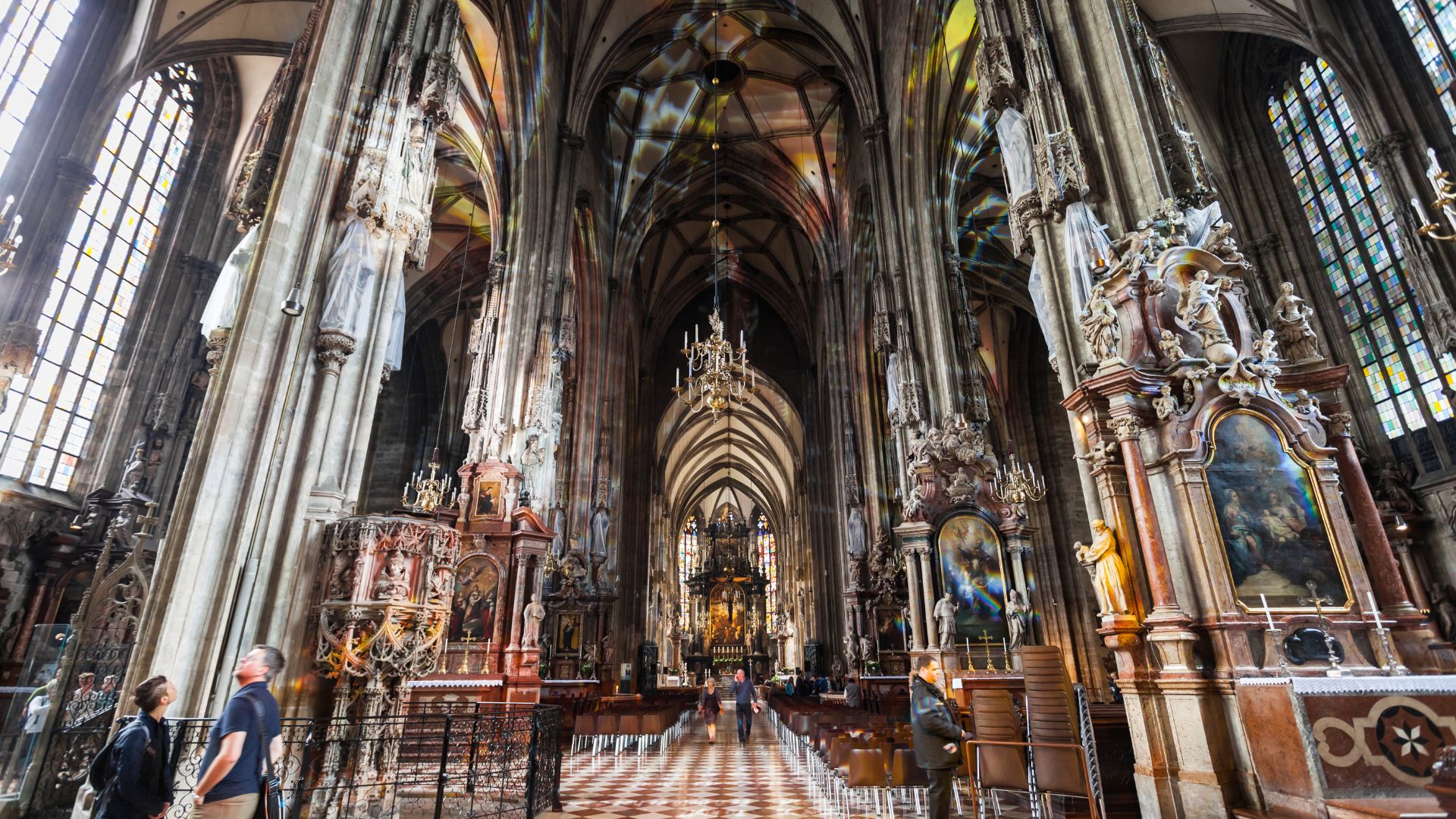
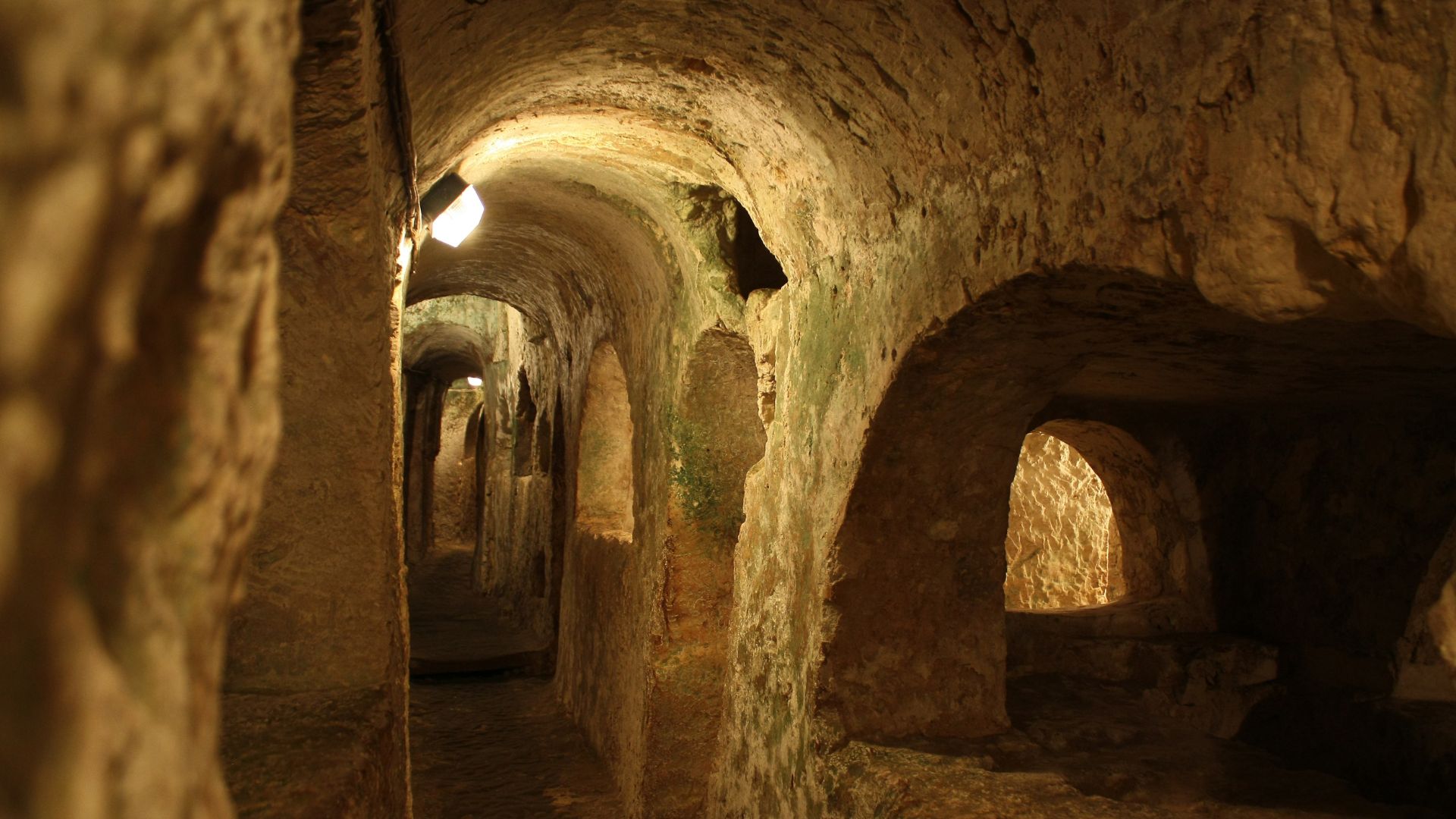
Beneath Vienna’s main cathedral lie two things: 16 copper urns containing the intestines of various Habsburgs (remember — bodies divided three ways), and catacombs stuffed with approximately 11,000 plague victims. The bones are stacked floor to ceiling in chambers that were used as mass graves during Vienna’s various epidemics.
The tour guides are delightfully matter-of-fact about the whole thing. ‘And here we have about 8,000 bodies. Notice how the bones have arranged themselves over time.’ Vienna’s relationship with death is so normalised that the macabre becomes mundane — and somehow that makes it more affecting.
Find it: St Stephen’s Cathedral, Vienna. Catacombs tours run every 15-30 minutes. €6. Not recommended if you’re claustrophobic.