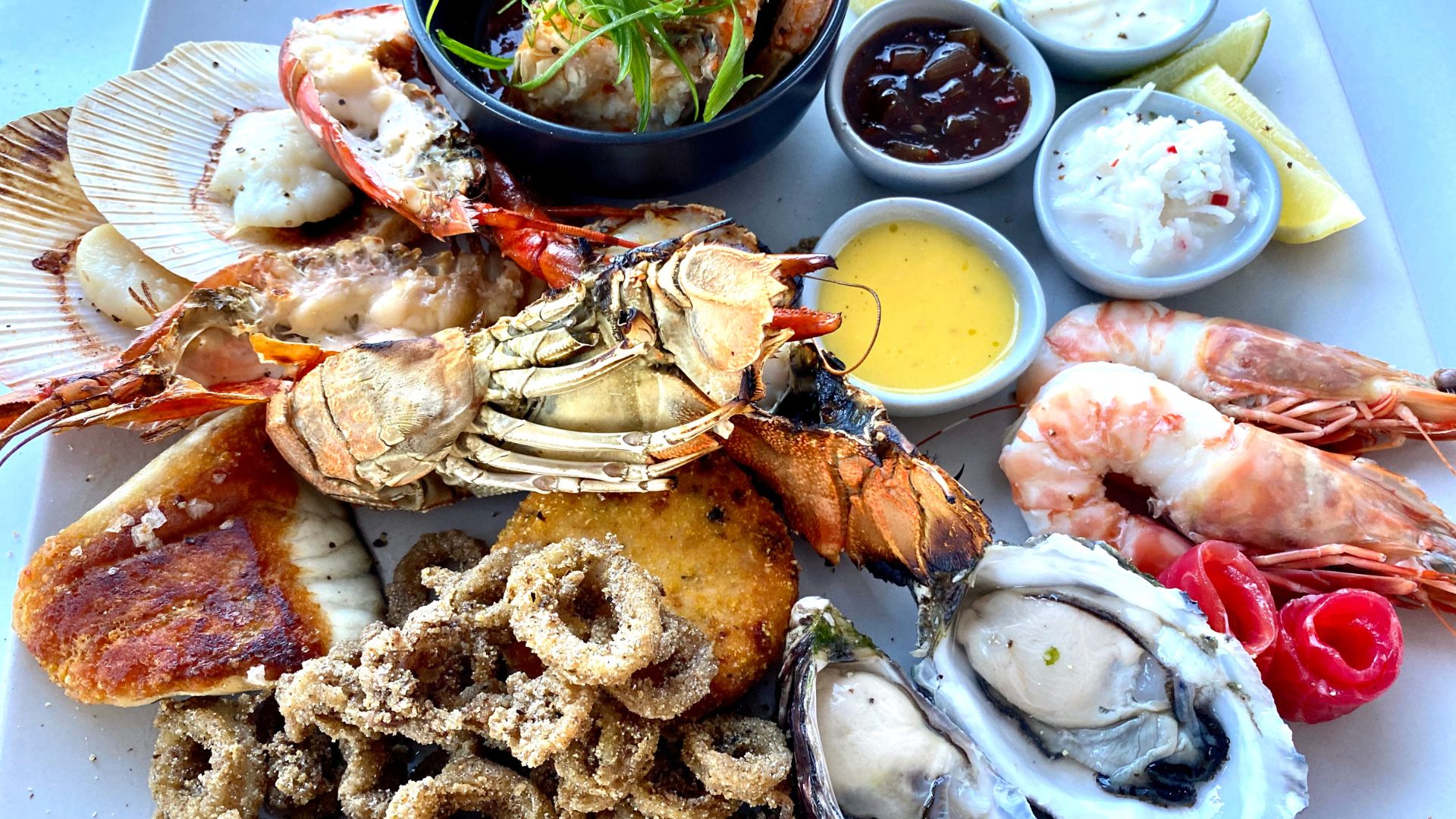

Australian Dining: The Quiet Revolution
Nobody expected Australia to become a serious food destination. The country’s culinary reputation, such as it was, consisted of meat pies, Vegemite, and the barbecue — none of which suggested gastronomic ambition. What happened instead was immigration, produce, and confidence: waves of settlers from Italy, Greece, Vietnam, China, and Lebanon who brought their food cultures; exceptional local ingredients from both land and sea; and a generation of chefs willing to combine influences in ways that older food cultures would consider improper.
Sydney leads on volume: more excellent restaurants than any other Australian city, from the three-hatted temple dining of Quay and Bennelong to the buzzing casual plates of Poly, Ester, and Fratelli Paradiso. The range reflects the city’s diversity — you can eat exceptional Thai (Chat Thai), Lebanese (Nour), Japanese (Kisume), and Italian (10 William Street) without ever approaching tourist zones. The harbour restaurants charge premiums for views; the inner-west restaurants deliver equivalent quality at lower prices.
Melbourne considers itself the food capital and has evidence to support the claim. The laneway culture that defines the city extends to dining: tiny wine bars, hidden restaurants, coffee roasters in converted warehouses. Attica, in suburban Ripponlea, ranks among the world’s best restaurants; Cumulus Inc, Flower Drum, and Supernormal define different but equally excellent categories. The coffee is not just good but obsessive — Melbourne baristas treat extraction with the seriousness that others reserve for wine or whisky.
Regional Australia has caught up faster than expected. Tasmania’s restaurant scene — Templo, Franklin, Fico, Palawa Kipli — would justify a food-focused trip. Margaret River combines winery restaurants with producers’ markets. The Adelaide Hills, thirty minutes from the city, concentrate cellar doors and farm restaurants in improbable density. And the lodges — Saffire, Southern Ocean Lodge, Qualia — have invested in dining that matches their other standards, often serving produce grown, caught, or foraged within kilometres.
Native ingredients have moved from novelty to mainstream. Lemon myrtle, finger lime, Kakadu plum, wattleseed, and saltbush appear on menus that are not specifically Australian; they have become ingredients rather than gimmicks. Chefs like Jock Zonfrillo (before his untimely death) and Ben Shewry have championed Indigenous ingredients with the seriousness they deserve. The result is a cuisine that could not exist anywhere else — shaped by immigration and geography, indifferent to tradition, confident in its own identity. The quiet revolution is complete.