
Adrenaline Austria: Mountains, Water, and Controlled Fear
The Alps aren’t just for looking at. Here’s how to throw yourself off them.
Via Ferrata: The Iron Paths
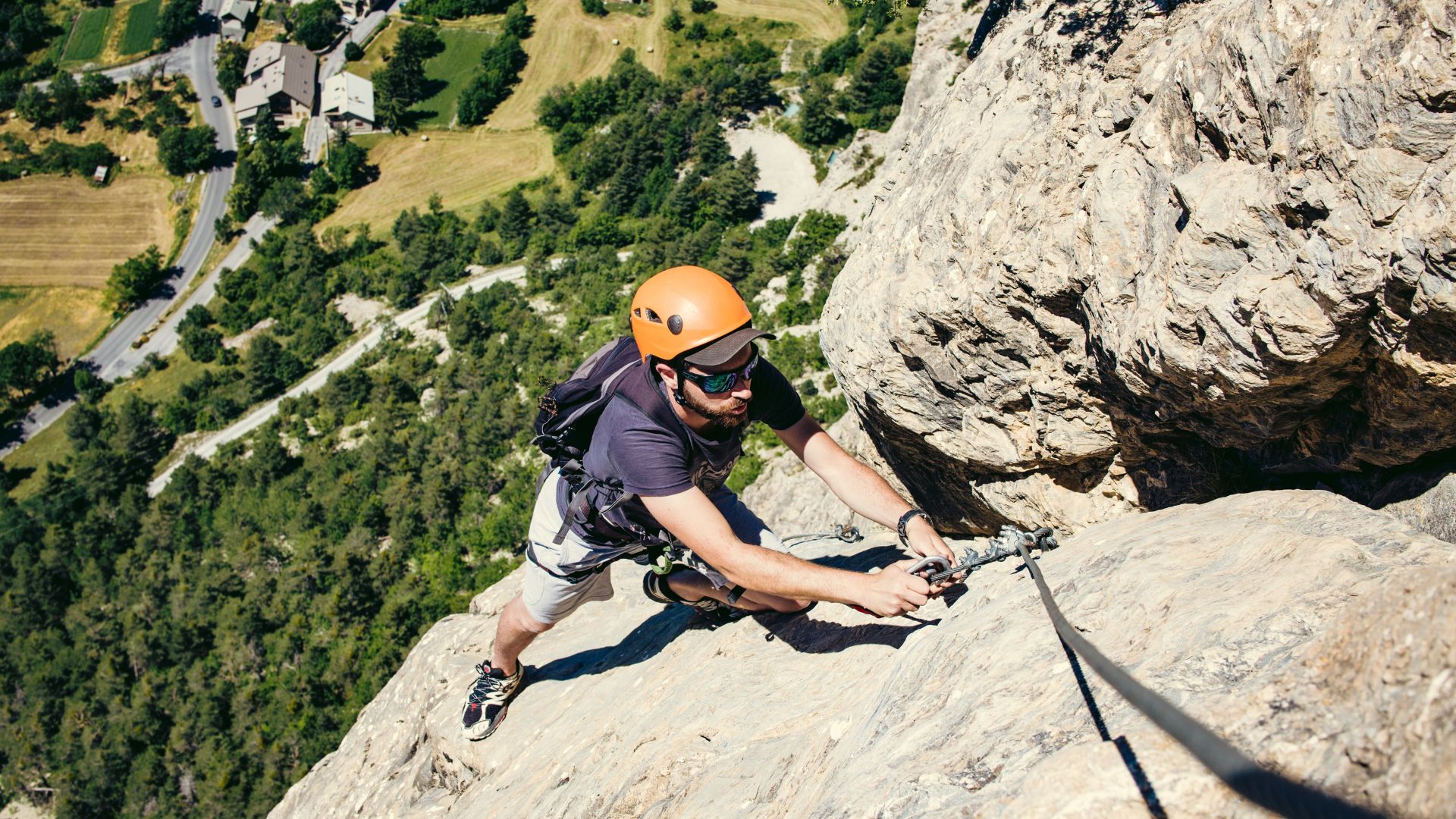
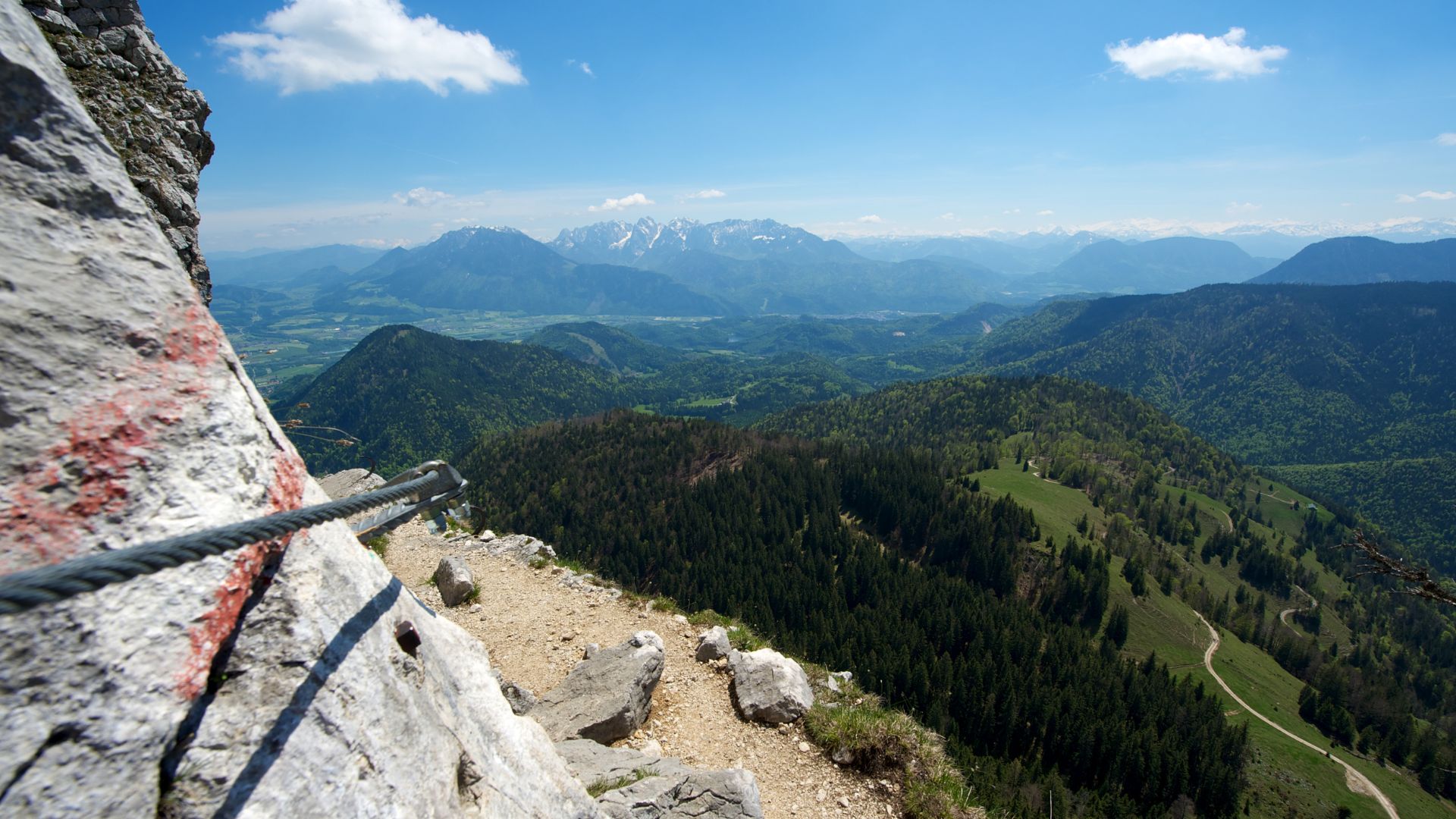
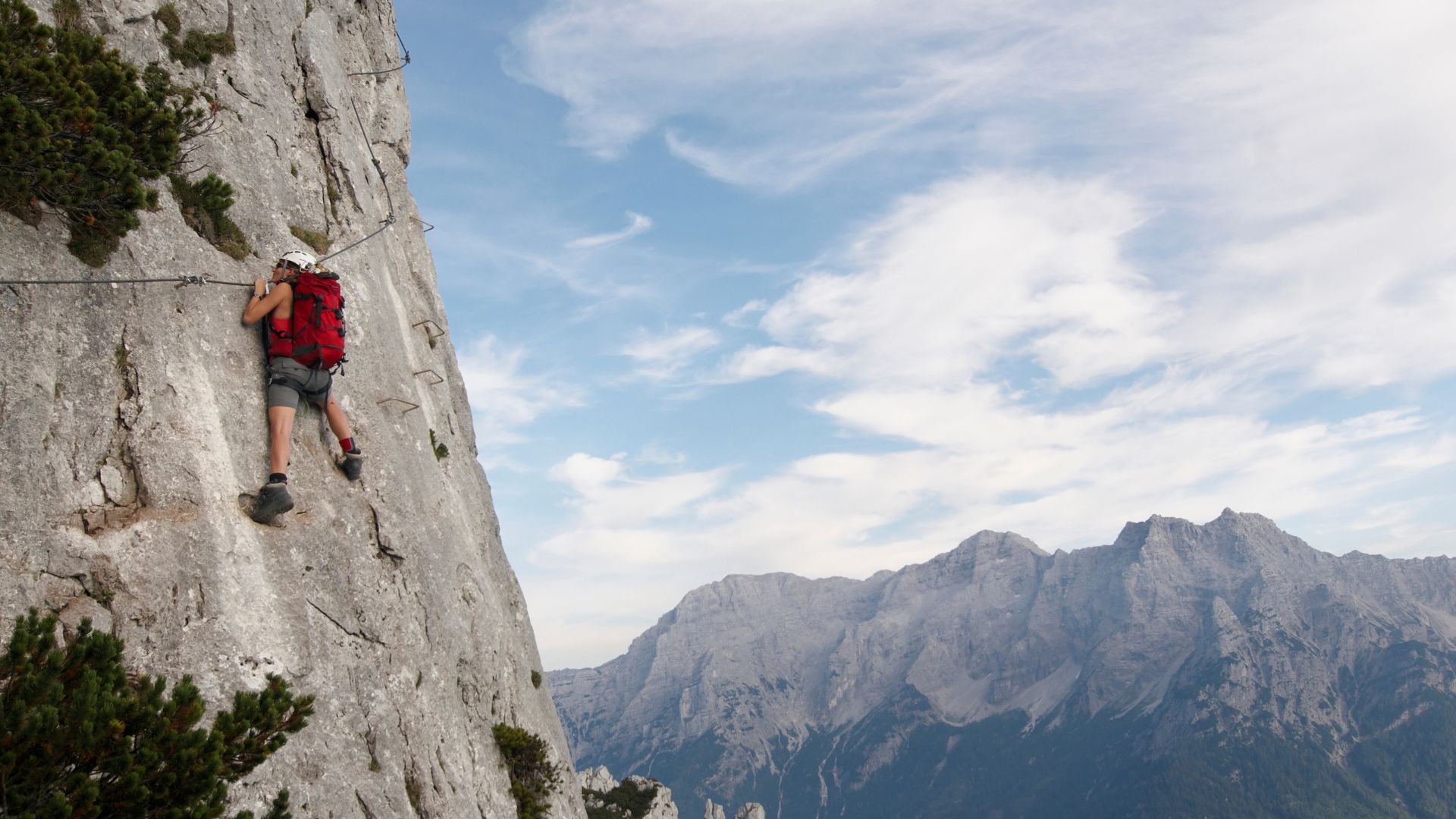
Via ferrata translates as ‘iron path’ — fixed cables, ladders, and rungs bolted into mountain faces that allow non-climbers to ascend routes that would otherwise require ropes, harnesses, and years of training. Austria’s via ferratas range from gentle scrambles to vertical nightmares. The Dachstein region alone has dozens of routes graded K1 (easy) to K6 (only for the genuinely committed).
The experience is addictive. You clip your carabiners to a steel cable and climb — rungs, natural holds, whatever the route designers left you. The exposure can be serious: some routes cross voids of hundreds of metres with nothing between you and the valley floor but air and faith in Austrian engineering. But the gear is simple, the technique takes five minutes to learn, and the reward — summit views you’ve genuinely earned — beats any cable car.
Try this: The Gosausee Klettersteig in the Dachstein region is perfect for beginners — spectacular setting, K2/K3 difficulty, achievable in half a day. For something more serious, the Innsbrucker Klettersteig runs along a ridge directly above the city — K4 difficulty, seriously exposed, unforgettable. Hire gear in local towns or book a guide through the tourist office.
Canyoning: Rivers, Rocks, and Jumping Off Things
Austria’s rivers have carved slot canyons through the Alps, and canyoning — the sport of descending them via jumping, sliding, abseiling, and swimming — has become one of the country’s signature adventures. The combination of crystal-clear water, sculpted limestone, and controlled chaos makes for experiences you’ll remember forever.
Most trips are guided half-day affairs: wetsuit provided, basic skills taught on site, then several hours of navigating a canyon that you could never access any other way. Expect cold water (glacier-fed, always), jumps of 5-10 metres into pools below, natural waterslides, and the odd abseil down a waterfall. It’s exhilarating, safe (with proper guides), and surprisingly accessible for beginners.
Try this: The Ötztal and Stubai valleys near Innsbruck have Austria’s best canyoning infrastructure. Area 47, a massive adventure park in the Ötztal, offers canyoning plus dozens of other activities. Half-day trips run €60-90 per person including gear.
Wild Swimming: Austria’s Open Secret
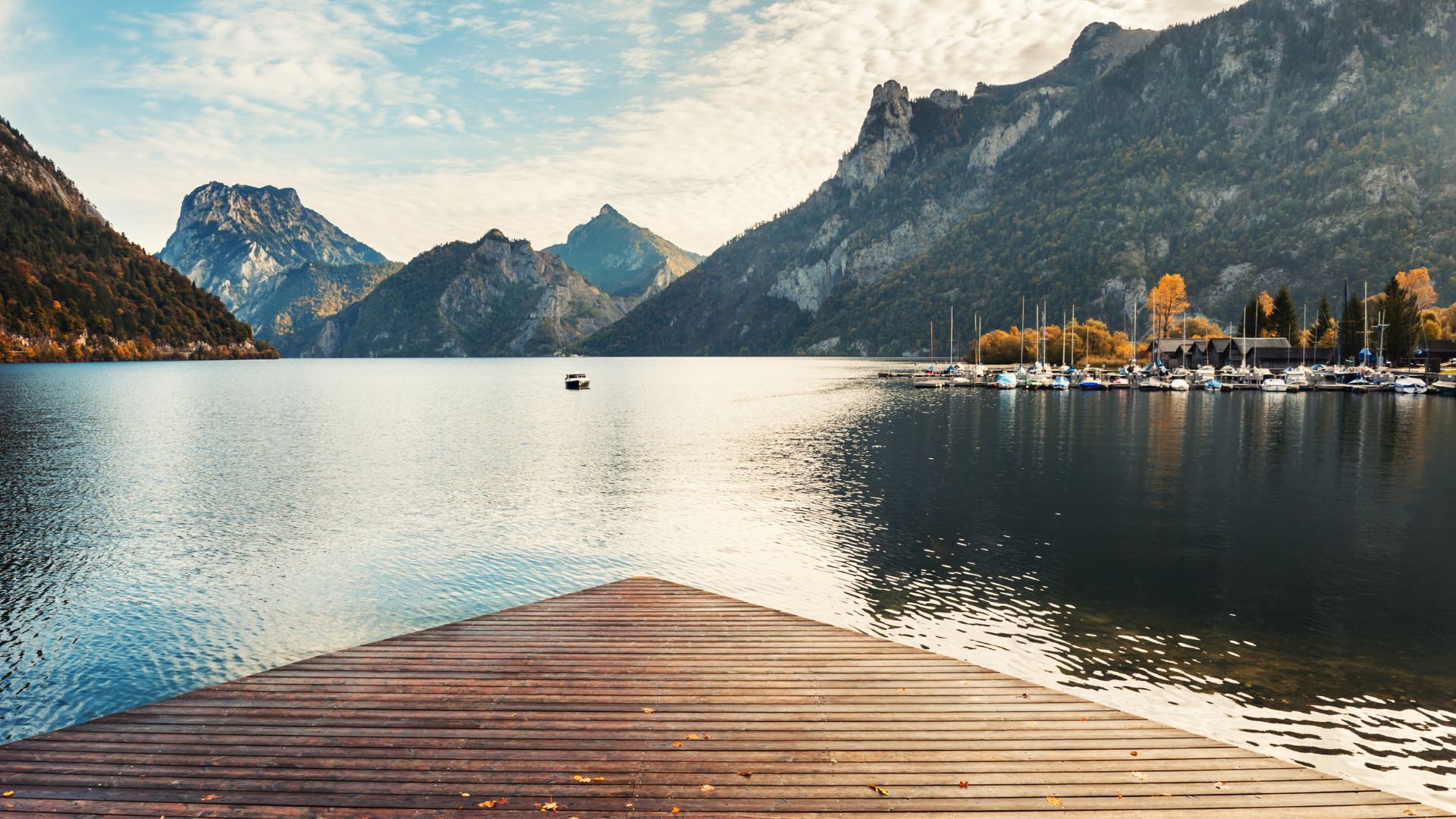
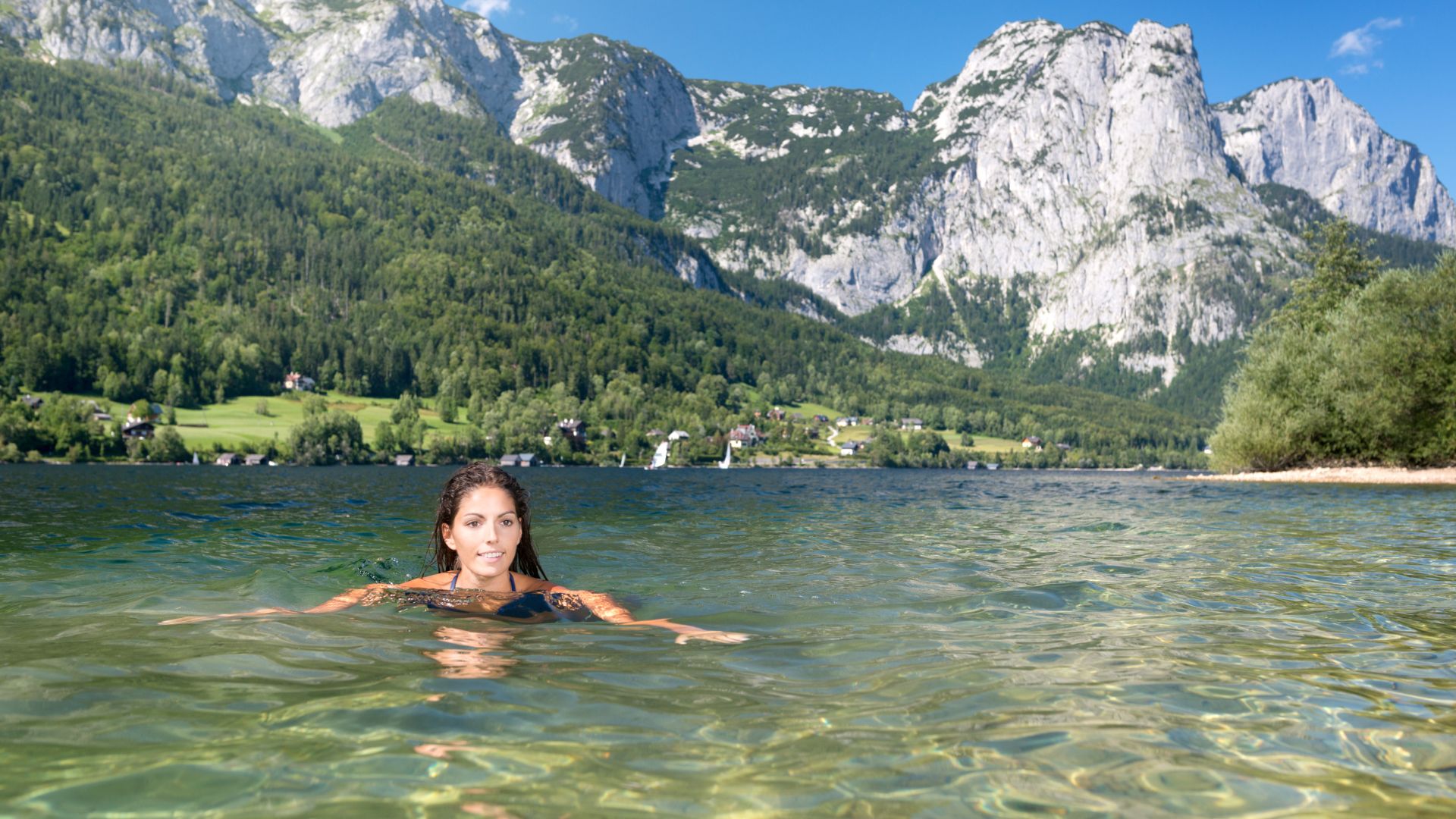
Austrians swim in their lakes like it’s the most normal thing in the world — because it is. The country has thousands of lakes, most of them clean enough to drink from, and the culture of Freischwimmen (open swimming) is deeply embedded. Every town with a lake has its Strandbad (public beach), and many have designated wild swimming spots where you just turn up and get in.
The experience varies wildly. The Salzkammergut lakes are warm enough (by mid-summer) for extended swims. The Alpine lakes are bracingly cold year-round — the kind of cold that makes you gasp, then grin, then feel alive in ways that central heating never achieves. Many Austrians swim daily, even into autumn. They think Brits who complain about water temperature are soft.
Best spots: Grüner See in Styria (a forest that floods each spring, creating an underwater hiking trail — yes, really). The Achensee near Innsbruck (Austria’s largest Alpine lake). The Salzkammergut lakes: Attersee, Mondsee, Wolfgangsee. Secret spots exist everywhere; ask locals or just follow the Austrians.
Paragliding: The Easy Way to Fly
Tandem paragliding — strapped to an instructor, running off a mountain, then floating down for 20-30 minutes — is one of the purest adventure experiences available. Austria’s Alpine topography makes it ideal: take a cable car up, run off a launch site, soar over valleys and villages with the entire range spread below you.
No experience required. The instructor handles everything; you just have to run when told and enjoy the ride. The sensation of flying — real flying, not sealed in an aluminium tube — is indescribable. You’ll land wanting to do it again immediately.
Try this: Innsbruck has multiple operators launching from the Nordkette and surrounding peaks. Zell am See, St Johann in Tirol, and the Stubai Valley all offer excellent tandem flights. Expect €120-180 for a standard flight, more for longer thermic flights in good conditions.
Mountain Huts: Sleep at 2,500 Metres
Austria’s network of mountain huts (Hütten) is one of Europe’s great wild sleeping experiences. These refuges, ranging from basic shelters to full-service lodges, dot the high Alps — providing food, beds, and extraordinary locations that no hotel can match. Many date back over a century; some are accessible only on foot; all offer the chance to sleep surrounded by peaks and wake to Alpine sunrise.
The system is simple: walk in, pay for a bed (€20-50/night for Austrian Alpine Club members), eat a massive dinner of dumplings and goulash, sleep in a dormitory or private room, wake to mountains. The Hüttenruhe (hut quiet) descends at 10pm; everyone goes to sleep because everyone is exhausted from hiking. There’s no WiFi, no phone signal, no modern world — just the mountains and the other mad people who chose to be there.
Try this: The Berliner Höhenweg is Austria’s classic multi-day hut hike — 8 days traversing the Zillertal Alps, sleeping in different huts each night. For a single-night experience, the Olpererhütte above the Schlegeis reservoir is spectacularly situated and accessible in 2-3 hours of hiking. Book ahead in summer.