
A Proper Night Out in Yorkshire: Eat Like a Local, Laugh Like You Mean It
Here’s the thing about eating out in Yorkshire: nobody’s trying to impress you.
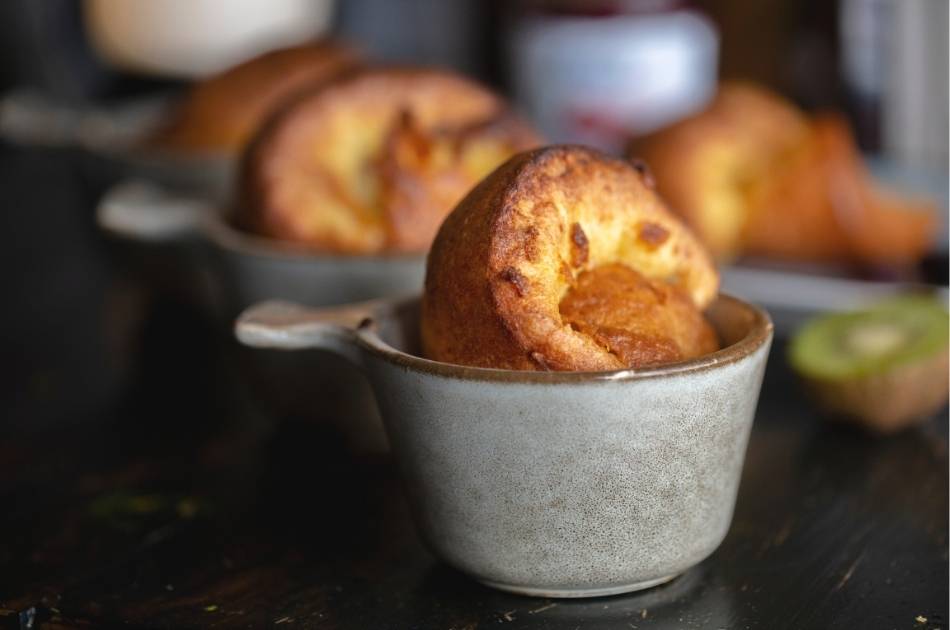
There’s no foam. No ‘deconstructed’ anything. No waiter explaining that the chef has ‘reimagined’ a Yorkshire pudding as if the original needed improving. What you get instead is food that’s meant to be eaten, in places where the goal is a good night—not a good Instagram post.
This is how locals actually do it. Grab your mates. Leave the pretension at home. And prepare to eat properly.
Start With a Pint (Obviously)
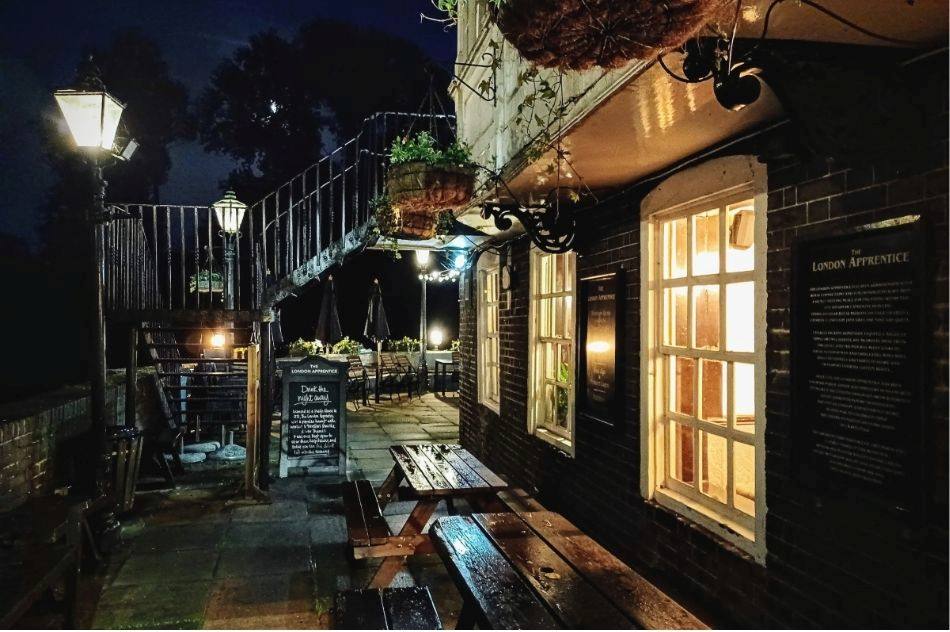
No Yorkshire night out begins with food. It begins with a drink in a pub that’s been there longer than anyone can remember, where the carpets are questionable and the banter is immediate.
In Leeds, that’s somewhere like Whitelock’s Ale House—the oldest pub in the city, tucked down an alley off Briggate, serving since 1715. The tiles are Victorian. The pies are excellent. The crowd is a genuine mix of students, office workers, and people who’ve been drinking here since before you were born. Order a Timothy Taylor’s Landlord because you’re in Yorkshire and it would be rude not to.
In York, it’s The Blue Bell on Fossgate. Tiny. No music. No phones (seriously—they frown on it). Just conversation, real ale, and the sense that some places shouldn’t change. The room fits maybe twenty people. If it’s full, wait. It’s worth it.
In Sheffield, try The Fat Cat in Kelham Island. They’ve been championing real ale since 1981, before craft beer was a concept and when drinking anything other than lager was considered eccentric. The beer garden is legendary. The selection is bewildering in the best way.
In Halifax, The Victorian Craft Beer Café sits in the magnificent Piece Hall—a cloth merchants’ hall from 1779 that’s been beautifully restored. Drink local beer in a building where the Industrial Revolution happened. That’s Yorkshire.
One pint. Maybe two. You’re warming up, not writing yourself off. There’s eating to do.
The Main Event: Where Locals Actually Eat
Forget the restaurants with the PR budgets. These are the places where Yorkshire feeds itself.
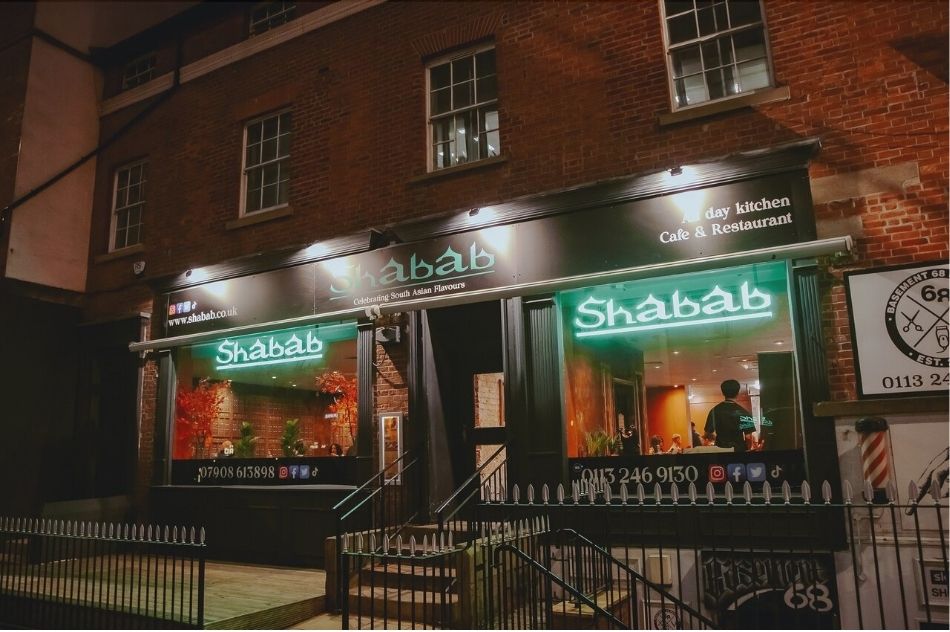
Shabab’s, Leeds
There’s a reason the queue at Shabab’s on Wellington Street stretches down the street at midnight. This is curry as Leeds knows it—massive portions, BYO alcohol, paper tablecloths, and flavours that make you wonder why anyone eats anywhere else. The mixed grill for two could feed four. The lamb karahi is the stuff of legend. Cash only. No bookings. Just turn up, wait your turn, and accept that this is how it’s done.
Bradford: The Curry Capital (It’s Not Even Close)
Let’s settle this: Bradford is the curry capital of Britain. Not Birmingham. Not London. Bradford. The city has more curry houses per capita than anywhere in the country, and the quality is genuinely world-class. When Gordon Ramsay came here to learn, that told you everything.
Mumtaz on Great Horton Road is where it started for many people—open since 1979, karahi dishes cooked on open grills in front of you, naan breads the size of satellite dishes. The lamb chops are legendary. The atmosphere is buzzing. This is destination eating.
Kashmir on Morley Street has been serving since 1958—one of Bradford’s oldest. No frills, no pretension, just Kashmiri cooking that’s been perfected over decades. The seekh kebabs. The karahi gosht. The prices that make you wonder how they do it. Cash only. No bookings. The queue is part of the ritual.
Akbar’s is famous beyond Bradford now—they’ve got restaurants across the North—but the original on Leeds Road is still the benchmark. The naan bread hangs off the table. Literally. They bring it on a hook. The butter chicken is rich without being cloying. The mixed grills are serious business.
MyLahore does Pakistani food on a scale that defies belief. The Great Horton Road original is open until 1am on weekends—this is where Bradford comes after everywhere else closes. The mixed grill platters. The halwa puri breakfast (yes, they do breakfast). The chaat that makes you rethink everything you thought you knew about street food.
Sweet Centre on Lumb Lane is the pilgrimage every Bradford local demands you make. The gulab jamun is transcendent. The samosas are freshly fried and perfect. The mithai selection would take weeks to work through. This isn’t a restaurant—it’s an institution. Take a box home. Share it. Then wish you’d bought two.
The International on Morley Street is properly old school—formica tables, strip lighting, zero atmosphere in the conventional sense—but the food is so good that none of it matters. The karahi is cooked until the oil separates. The chapatis are made fresh. This is the Bradford your taxi driver recommends at 1am, and your taxi driver is right.
Aagrah started in Shipley in 1977 and became an empire—but the Shipley original retains something the others don’t quite capture. The Kashmiri-style cooking. The korai dishes that bubble to your table in cast iron. The garlic naan that should probably be illegal.
The Bradford Curry Guide is an actual thing—the council promotes it because they understand what they have. But honestly? Just pick a street. Walk until you smell spices. Follow your nose. You won’t go wrong.
The Sharing Situation
Yorkshire doesn’t do small plates in the London sense. But it absolutely does sharing—big dishes, middle of the table, everyone piling in.
Bundobust, Leeds/Manchester/Liverpool started in Leeds and does Indian street food that’s designed for exactly this. Vada pav (spiced potato fritters in a bun), okra fries, bhel puri—order six or seven dishes, scatter them across the table, and let everyone graze. The beer selection is serious. The vibe is loud and sociable. Perfect for groups.
Fazenda, Leeds is the Brazilian rodizio option—all-you-can-eat meat carved at your table until you physically cannot continue. It’s not cheap, but for a celebration with mates, watching endless cuts of beef, lamb, pork, and chicken arrive while you try to maintain dignity is genuinely fun. Pace yourself. Nobody ever does.
Ox Club, Leeds does live-fire cooking—everything grilled over wood and charcoal in an open kitchen you can watch. The sharing plates of beef shin, lamb shoulder, and wood-roasted vegetables turn dinner into an event. The wine list is clever. The atmosphere is buzzy without being unbearable.
When Tradition Calls
Sometimes a night out needs a proper Sunday roast. Even if it’s not Sunday.
The Whippet Inn, York is a steakhouse first and foremost — dry-aged beef from their own cabinet, served in a quirky, candlelit Grade II listed building hidden away on North Street. But when the weekend comes around, the roast dinners hold their own. The Yorkshire puddings are crisp and enormous. The beef is pink in the middle. The gravy is made properly. It’s adult dining only (14+), so book ahead if you want a table — especially at weekends.
Three’s a Crowd, Leeds occupies the old Reliance site on North Street — a place that pioneered the gastropub concept in Leeds for two decades. The new owners have kept the seasonal food ethos and the towering ceilings of what was once a Victorian commercial building, but brought their own energy. The Sunday roast is a proper event. The meat rotates. The vegetables are seasonal. The wine list runs to over a hundred bottles and punches well above its price point.
The Star at Sancton, out in the East Riding, is worth the drive for Sunday lunch. Chef Ben Cox trained at Tickton Grange before he and wife Lindsey took over what was a rundown village pub in 2003. Now it’s one of the best dining pubs in Yorkshire — seasonal British food cooked with real skill, sourced from the farms, allotments and coastline around them. The Sunday roast is just really, really good home cooking done with precision. Book well ahead.
Late Night Essentials
Every good night needs a questionable final act. These are the places that catch you on the way home.
The Graveley’s chip shop vans appear across Yorkshire after 10pm like culinary guardian angels. The fish and chips hit different at midnight. The curry sauce is mandatory. The queue is part of the experience.
Canteen & Bar, Leeds stays open late and serves pizza by the slice until the small hours. It’s not sophisticated. It’s exactly what you need.
Kebabish, Bradford/Leeds does proper Pakistani kebabs—not the mystery meat of lesser establishments, but actual seekh kebabs, lamb chops, and tikka that would be good sober and are transcendent at 2am.
The Van at the end of Call Lane, Leeds—you know the one. Everyone knows the one. The burgers are greasy, the queue is chaotic, and at that hour, it’s perfect. Some things don’t need explaining. They just need experiencing.
The Yorkshire Rules
A few principles for doing this properly:
Don’t book anywhere that won’t let you stay all night. The joy of eating with friends is lingering. If they’re hovering with the bill, you’re in the wrong place.
Bring cash. The best places often don’t take cards. Or they do, but grudgingly. Yorkshire wasn’t built on contactless payments.
Order more than you need. It’s not wasting food if you take it home. And you will take it home. And it will taste even better at 11am the next day.
Talk to the staff. They know what’s good. They know what’s fresh. They’ll tell you, if you ask. Yorkshire people aren’t shy about opinions.
Don’t dress up. Unless the dress code specifically requires it (it won’t), wear what you’re comfortable in. Nobody’s judging. They’re eating.
Leave the diet at home. One night. One proper night. The calories don’t count if you’re laughing.
Why This Actually Matters
There’s something about eating in Yorkshire that other places struggle to replicate.
It’s not the food—though the food is excellent. It’s the attitude. The sense that a meal is supposed to be enjoyed, not performed. That friends around a table is the point, not the backdrop. That good value isn’t about being cheap—it’s about getting what you pay for and then some.
London does spectacle. Yorkshire does substance. And when you’re sitting in a curry house at midnight, surrounded by mates, arguing about whether to order more naan (the answer is always yes), you understand the difference.
This isn’t destination dining. It’s better.
It’s Tuesday-night dining. Friday-with-the-lads dining. Birthday dining where nobody mentions the birthday because the food’s too good to interrupt. It’s the kind of eating that makes memories without trying.
Come to Yorkshire. Bring your appetite. Bring friends you can laugh with.
Leave with stories you’ll tell for years.
Useful Notes … Worth a mention
Visit Malton — Malton calls itself Yorkshire’s Food Capital and it’s hard to argue. Talbot Yard alone has a gin distillery, coffee roastery, artisan bakery, gelato maker and patissier all in one courtyard. The monthly food market runs on the second Saturday of each month (March to November), 9am to 3pm. Worth noting there’s been some upheaval recently — the Fitzwilliam Estate, which owns more than 60% of Malton’s commercial property, pulled support from the Food Lovers Festival and some events UnHerd — but the monthly food market dates are listed through to August 2026 Yorkshire Food Guide and the artisan shops and restaurants in town are still very much going. Check the site before visiting to confirm what’s running.
Yorkshire Food Guide — Restaurant offers, event listings, exclusive vouchers and reviews across the region Yorkshire Food Guide. Useful for finding deals at places you’d actually want to eat.
Deliciously Yorkshire — The regional food group supporting Yorkshire producers since 1989 Deliciouslyorkshire. Their members directory is searchable by product type and area Deliciouslyorkshire — handy if you want to find farm shops, smokeries, cheesemakers or breweries near wherever you’re staying.
Yorkshire Food Finder — Run by Sue and Aidan Nelson, offering food tours, supper clubs and chef services YorkshireFoodFinder. They do behind-the-scenes guided trails visiting producers, which could work well as a feature recommendation for readers who want to go deeper than just restaurant reviews.