“When you stood in the Old Town and looked down at the New Town, you saw two things: a history of the rational, of the reasonable, and a history of the dark, of the Gothic.”
— Alexander McCall Smith
Edinburgh does not merely read books—it lives in them. Named the world’s first UNESCO City of Literature in 2004, Scotland’s capital has produced more writers per square mile than seems reasonable. Sir Walter Scott looms large, both literally and figuratively—his Gothic monument on Princes Street is the largest memorial to a writer anywhere in the world. Robert Louis Stevenson, born in the city’s New Town, created works that continue to define adventure and mystery in global imagination.
The Scottish Enlightenment made Edinburgh one of Europe’s great centres of philosophy and social thought. David Hume produced works that challenged assumptions about knowledge and morality. Adam Smith’s ‘Wealth of Nations’ founded modern economics. The atmosphere of intellectual exchange persisted in Edinburgh’s pubs where professors debated with printers and poets provoked philosophers.
Stevenson’s Edinburgh appears throughout his work. ‘The Strange Case of Dr Jekyll and Mr Hyde,’ though set nominally in London, is psychologically an Edinburgh novel. Ian Rankin’s Inspector Rebus novels have made the city’s dark corners familiar to millions. Alexander McCall Smith offers a gentler Edinburgh of human comedy and everyday kindness. J.K. Rowling famously wrote early Harry Potter chapters in Edinburgh cafés.
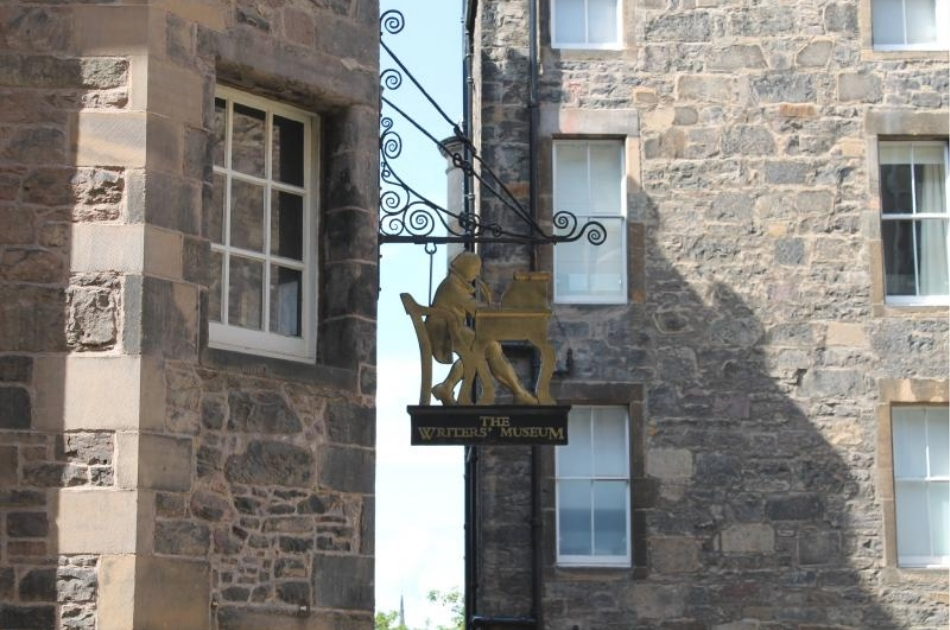
Edinburgh rewards book lovers with infrastructure to match its heritage. Bookshops thrive from grand institutions to tiny independents. The Writers’ Museum celebrates Burns, Scott, and Stevenson. The annual book festival confirms Edinburgh’s status as a capital of literary conversation. In Edinburgh, stories are not locked away. They are shared freely, passed on with a grin and a knowing nod.