
WOMEN OF SUBSTANCE: Angie Mossman
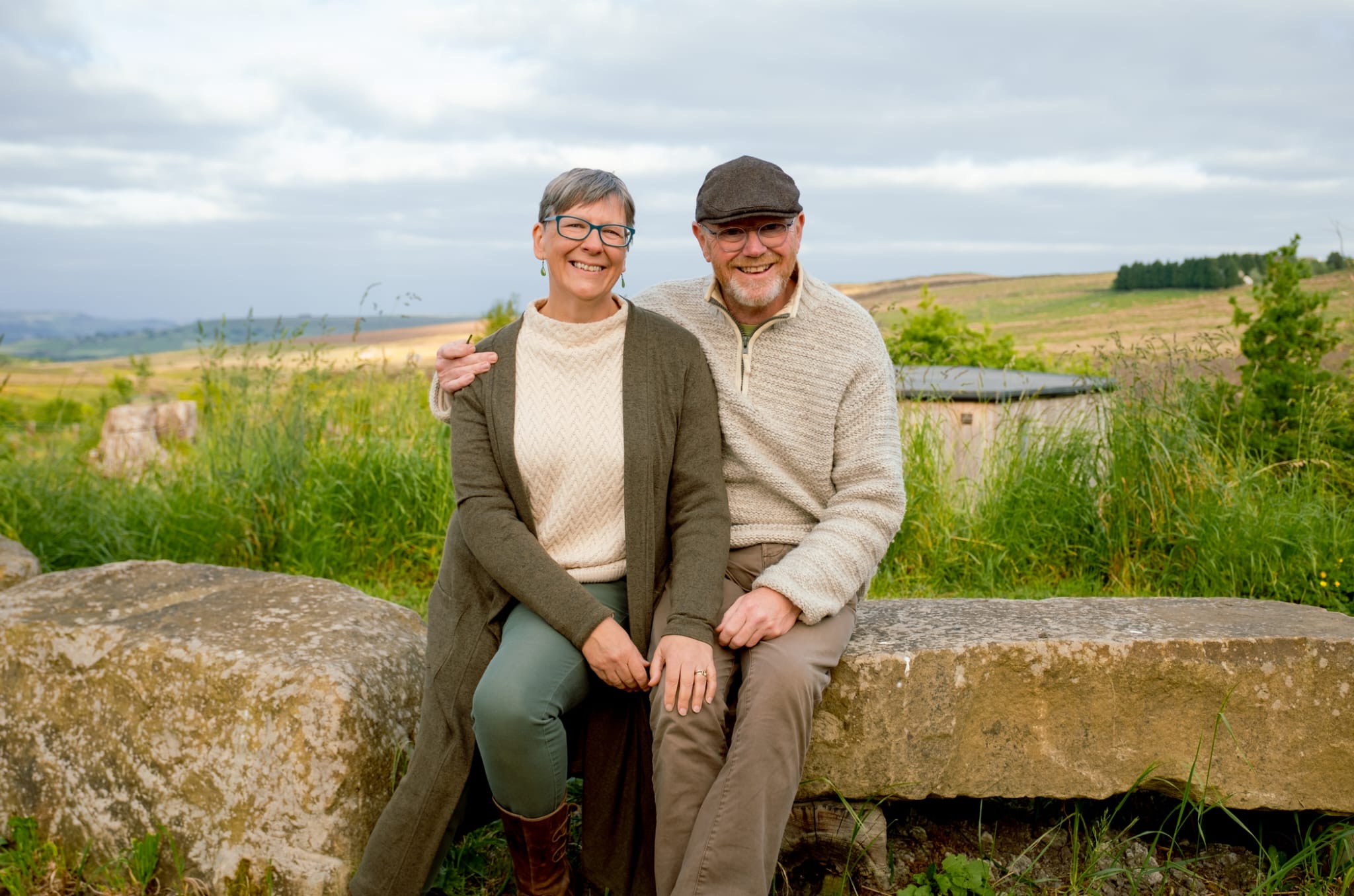
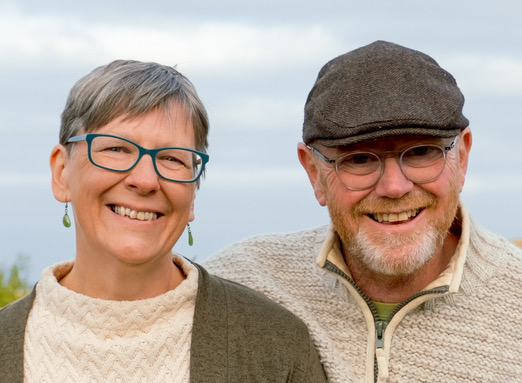
She left a corporate career in business to turn a field of rubble above Hebden Bridge into six handcrafted cabins, building through a pandemic while caring for her mother-in-law and working full time. Along the way she won Channel 4’s Four in a Bed. In this week’s Women of Substance profile, Angie Mossman tells The Travelling Telegraph how she did it, and why she still hasn’t found the edge of what she can do.
Interview by Shannon Palmer and Chris Owen
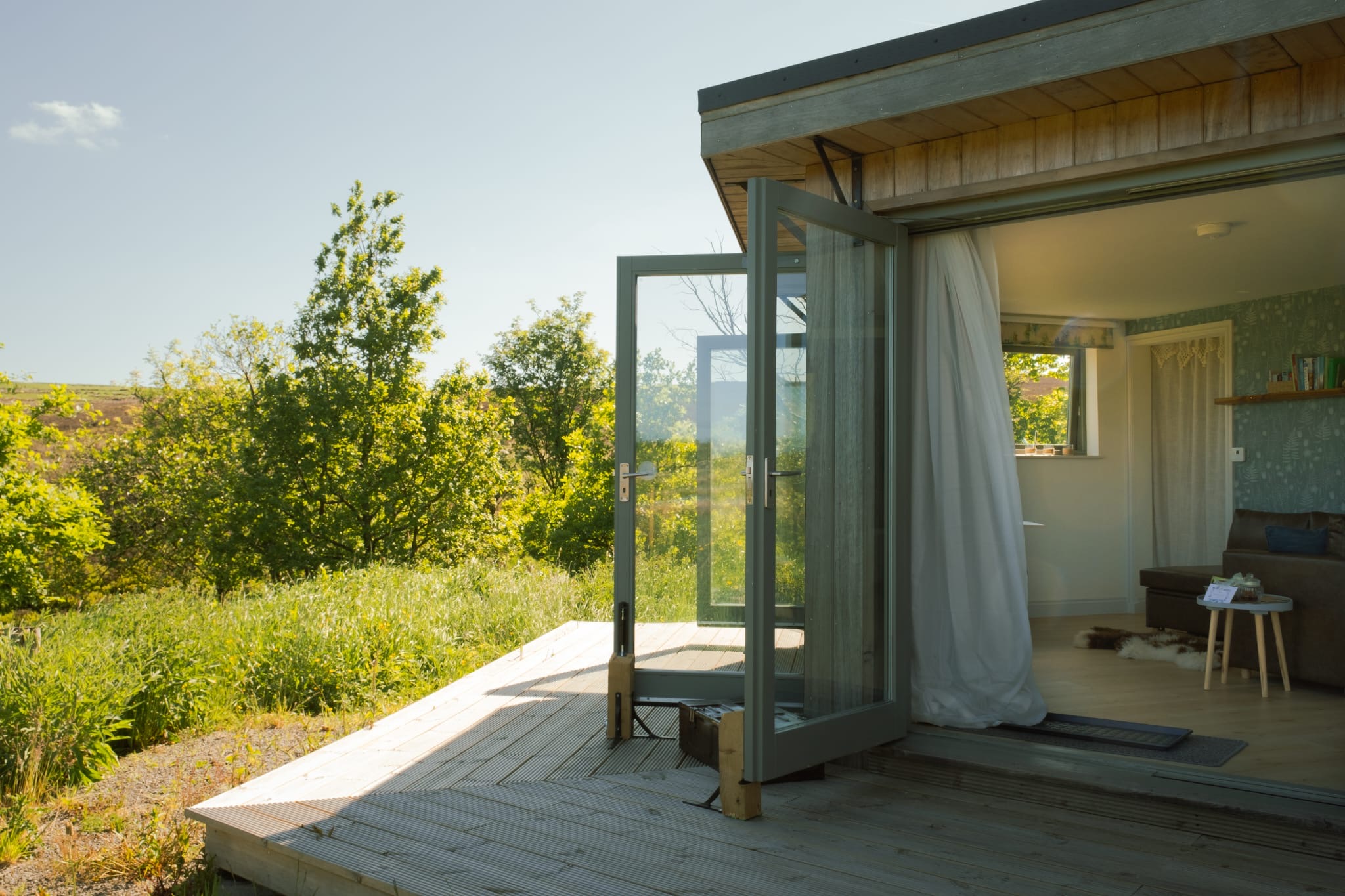
There is a moment, somewhere on the single-track road that climbs out of Hebden Bridge towards the moors, when the town drops away and the sky opens up. Keep going and you reach Daisy Bank Camp, six cabins tucked into the hillside, a working smallholding and, more often than not, Angie Mossman with a phone in her hand answering another booking enquiry.
Guests arrive for the views, the dark skies and the quiet. Many leave feeling, as Shannon put it during our conversation, like a new person. What few of them see is what lies beneath their feet: a borehole, a plant room, a sewage system, power and gas lines, all dug in by hand, more or less, by a couple who had never run a hospitality business in their lives.
A career in the corporate world
Before Daisy Bank, Angie’s world was boardrooms, project plans and report writing. She spent seven years at the telecoms company Gamma, on the other side of Manchester, working in business change, making sure that when new software and products arrived, the customer service teams who had to support them understood exactly what was coming.
Before that came seven years at HMRC working as a project on a new PAYE system, a role she admits she never expected to love. “Wouldn’t have thought I’d be a civil servant,” she says. “I absolutely loved it.” There she worked on a project spanning 10,000 people in contact centres, helping a major new system land smoothly.
“Everything I was doing was set in a corporate world,” she says. “Process improvement, customer excellence, lots of board papers and difficult decisions, money to spend in the right way, making sure you do the right thing and everybody knows what you’re doing.” It turned out to be the perfect training for what came next.
A house for Brenda, and a field of rubble
The move to Daisy Bank Barn was not a business decision at all. Angie and her husband Andrew bought the property so that Andrew’s mum, Brenda, who was living with dementia in Burnley, could move in with them and still have her own space and her own front door.
With the house came something nobody wanted: an abandoned, half-finished equestrian facility with stables and a ménage. “We’re not horsey people at all,” Angie laughs. They were smallholders, with sheep and cows, and the question was simple. What on earth were they going to do with it?
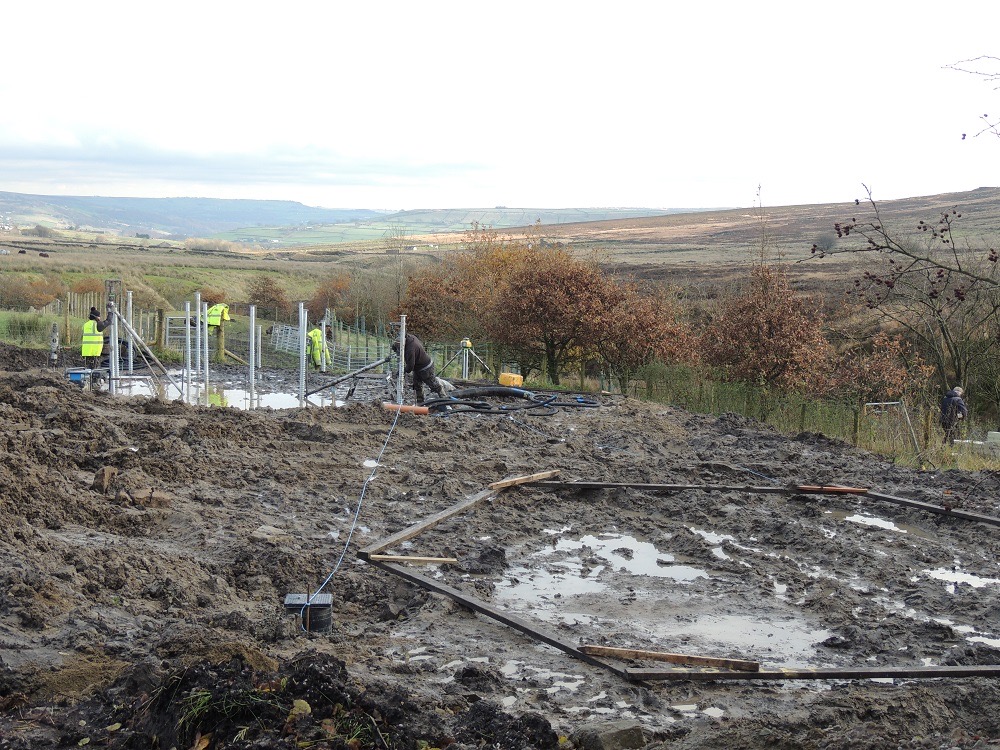
Angie was, in her own words, offended by it. “I was just so offended by the fact that this piece of land was completely unproductive. You couldn’t do a bloody thing with it, because it was just rubble. Twenty by forty metres of rubble.”
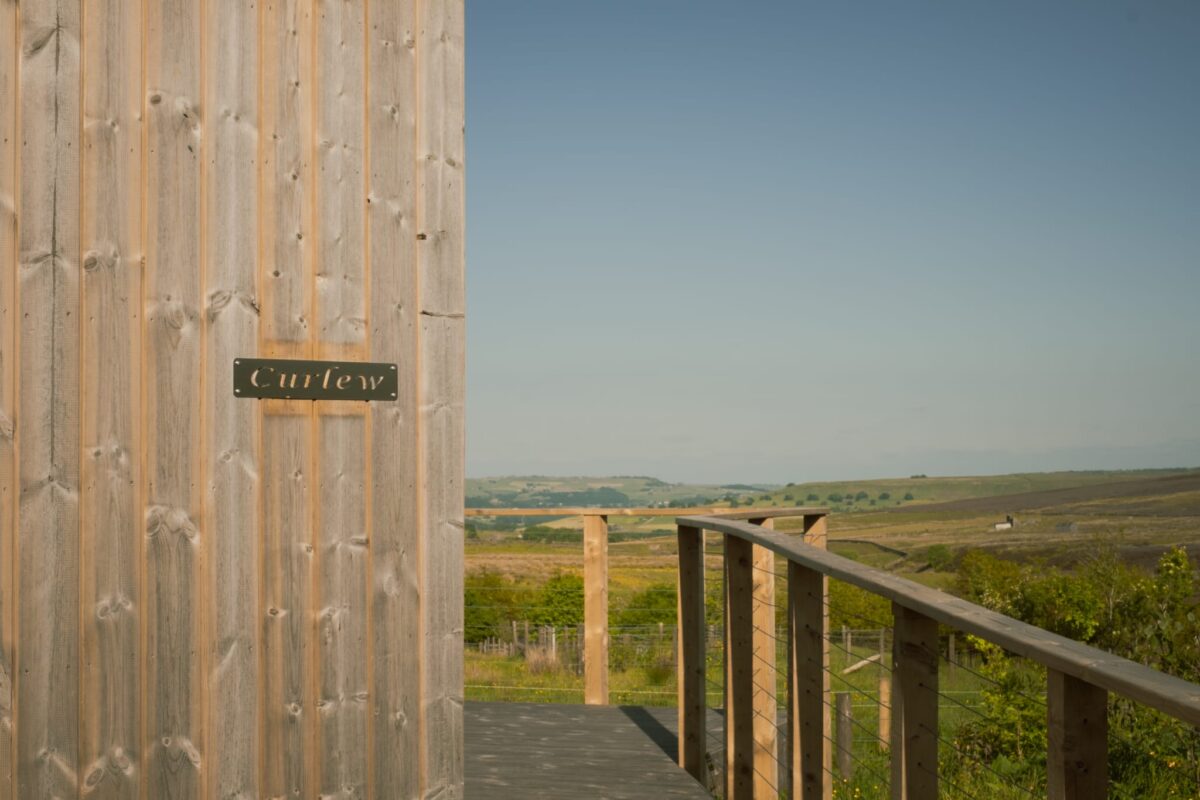
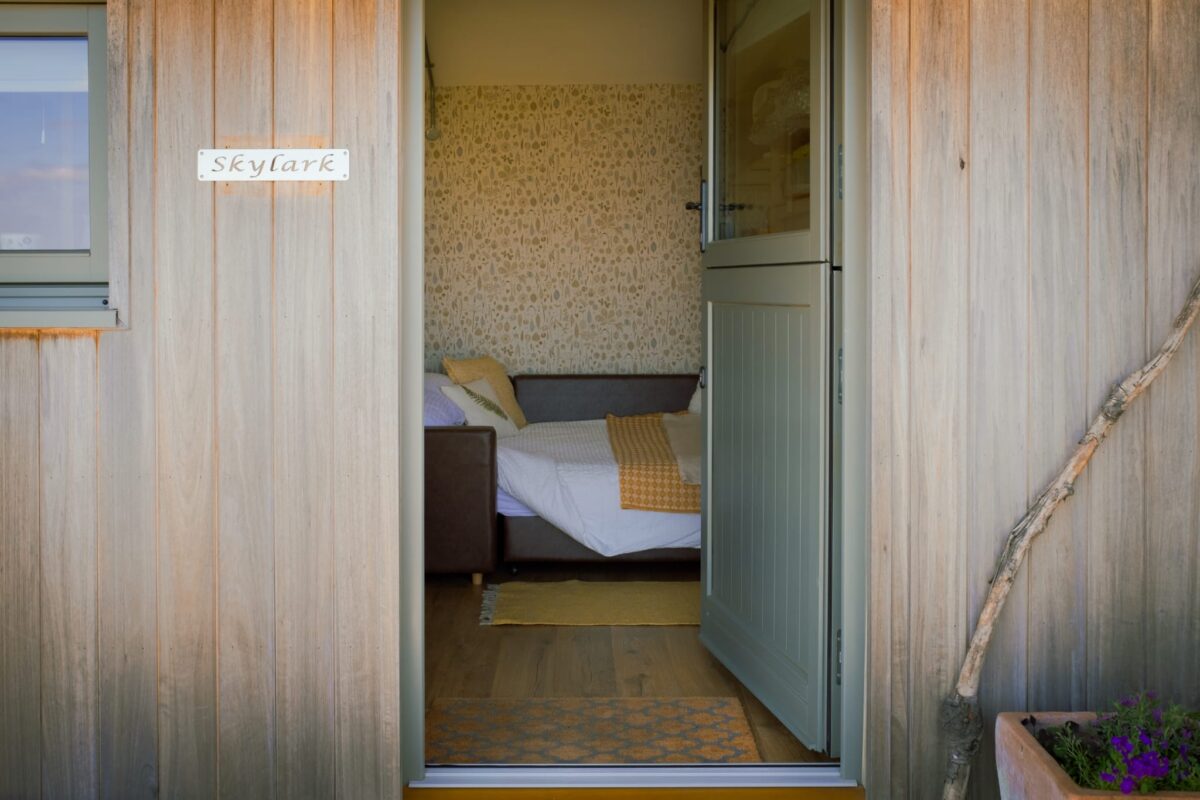
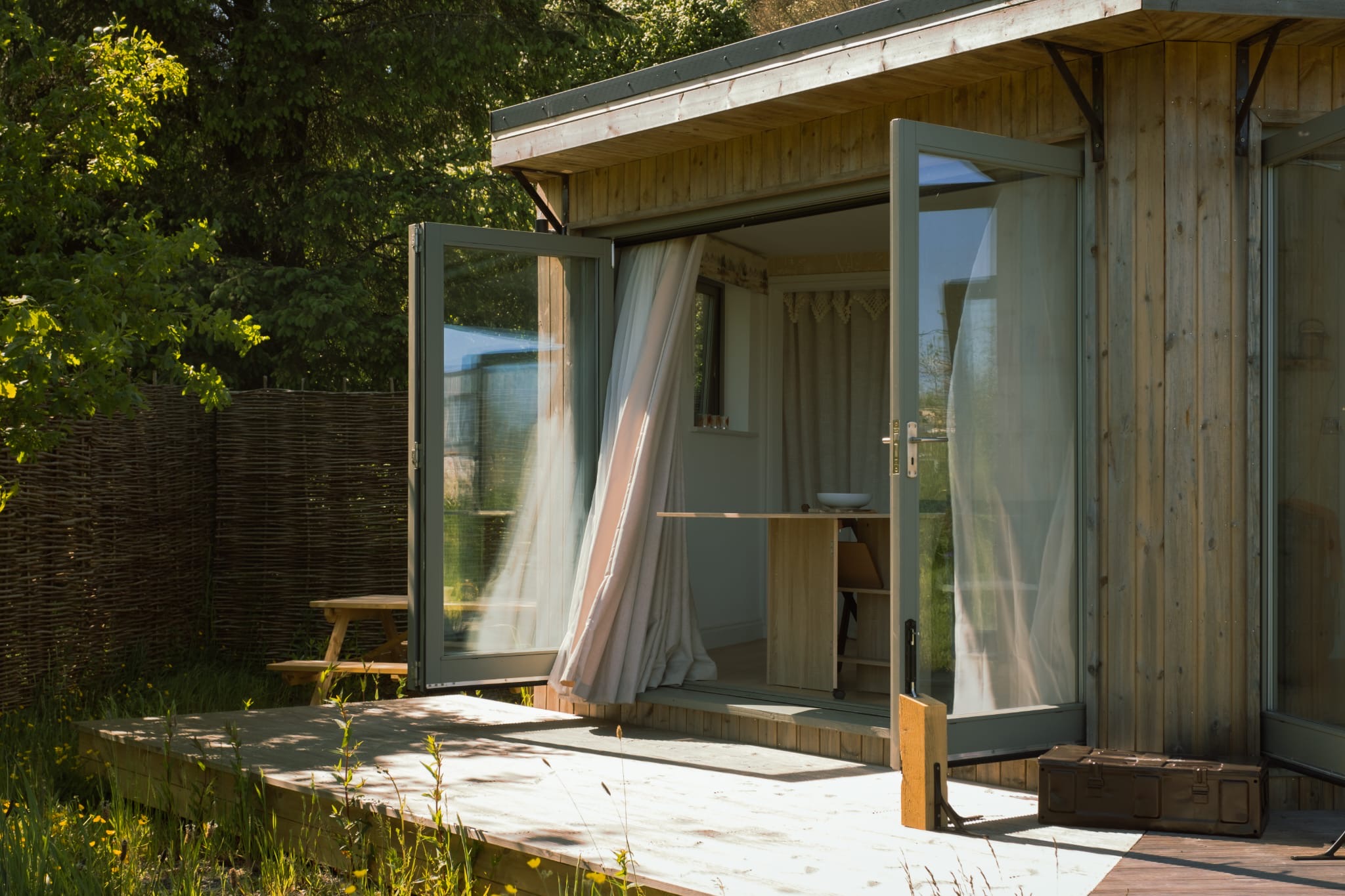
It was Andrew who suggested a few shepherd’s huts and a light touch glamping site with compost loos. It did not stay light touch for long. “It just spiralled into building six residential grade cabins that people could literally live in,” Angie says, “and then building or rather carving out what felt like an infrastructure for a small town.” 3 Stable cabins (Lapwing, Linnet and Skylark) and 3 Honeycomb cabins (Curlew, Kestrel and Tawny).
Funnily enough, the idea was not entirely new. A friend reminded her that, 30 years earlier, Angie had dreamt up something she called ‘Angels Farm’: a creative retreat of little houses where people could come to make art or music, with her living on site. “I was like, oh, actually, that’s quite similar to what we ended up doing.”
“Neither of us has really found the edge of our capability, because we’re always pushing it.”
Building through a pandemic
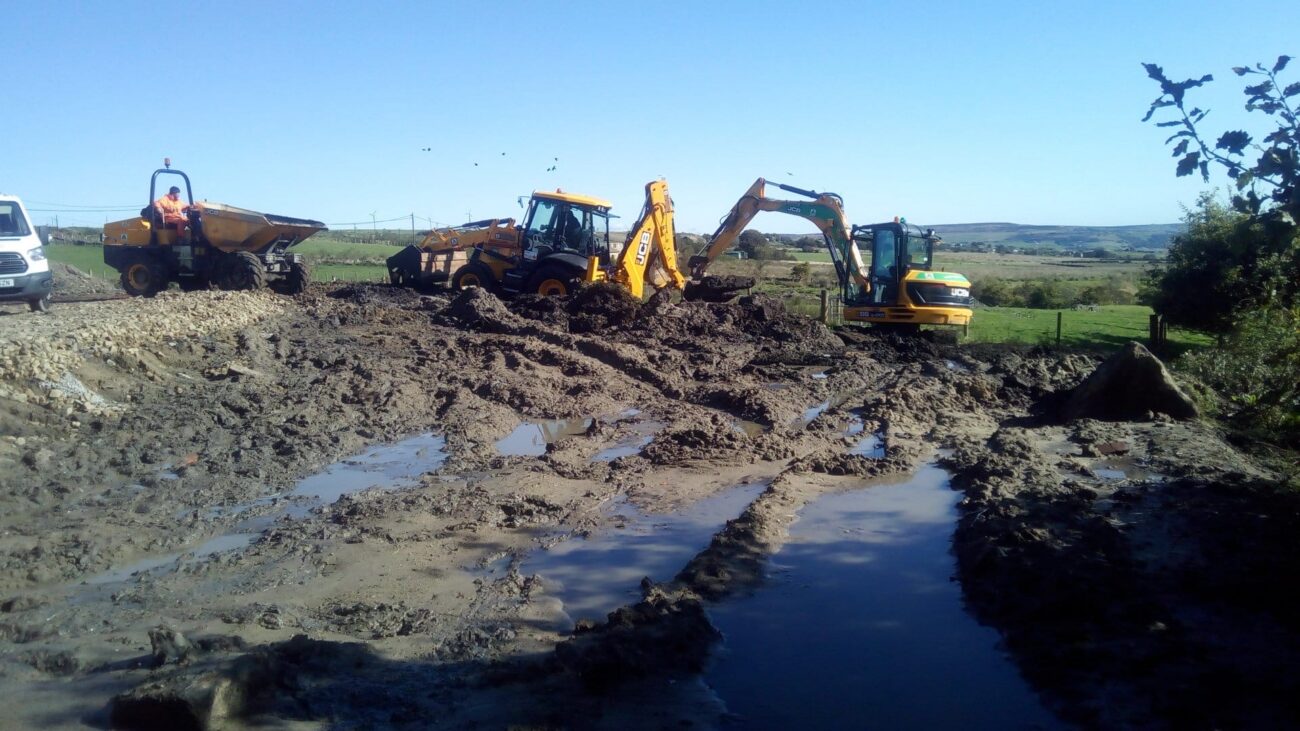
Then Covid arrived, and the builders left. “So it was just mud,” says Angie. “Unbelievable amounts of mud. The photographs of the mud are extraordinary.”
Rather than stop, the couple bought a digger. Andrew taught himself to use it and took on the groundworks, helped by Jack, a friend in the village with a gift for machinery. Angie, meanwhile, was chasing timber as supply chains collapsed, working full time and managing a team of eleven people remotely. Andrew had been working away in Ireland during the week. And all the while, they were caring for Brenda at home.
Was there ever a moment when they thought about giving up? “So many hard moments,” she says. “Falling to pieces, crying over hard moments.” But giving up was never really an option. “Once you’ve started digging two-metre-deep trenches and putting sewage systems in, there’s no way back and I wasn’t willing to stop.”
Like every episode of Grand Designs, it cost more than planned. Fresh water comes from a borehole, is filtered in a plant room, stored and piped out to the cabins. Sewage goes out to a small treatment system in the field. Electricity comes in, and LPG for heating comes in and goes out again. “If I drew you what’s underground, you’d be like, how does that all work?” she says. “Thank God for Andrew. He’s got an engineering brain.” Halfway through the pandemic, Angie was also made redundant.
Rooted in the landscape
From the outset, Daisy Bank was meant to feel of its place. Before the planning was even in, Angie and Andrew walked into Radiance, Hannah Nunn’s shop in Hebden Bridge, and told her they were building a glamping site and wanted her nature inspired wallpapers in every room.
They drew on a Calderdale Council booklet about local distinctiveness, about expressing the character of a place through design and product, and worked with Pennine Horizons to secure two EU rural diversification grants. The aim was somewhere people could disconnect and retreat, rooted in the big, open Yorkshire moorland.
Four in a Bed, and finding the sweet spot
Daisy Bank Camp opened in 2021, and those first six months brought hardly any guests. So when an email arrived from a television production company in early 2022, Angie went out to find Andrew. Both were covered in mud, still building. “I’d heard of Four in a Bed but I hadn’t watched it,” she says. She did her research, saw the audience numbers, and within a week they had committed.
Filming took place in April 2022: ten full days starting at seven in the morning, with trips to fellow contestants near Saffron Walden, Great Yarmouth and Congleton. Contestants are not paid. “It was stunningly exhausting, more exhausting than we could have imagined,” she says, especially with Brenda’s care to plan around.
They won. The episode aired in March 2023 and, as Angie puts it, it did wonders for their confidence. “We saw ourselves as rank amateurs,” she says. “We learned that actually, we’re not so bad. When you do something and you think it’s OK, having somebody else say it’s really good… we hoped it was.”
What it did not do, despite an audience of millions and endless repeats, was transform bookings overnight. There was a welcome bump, and it still brings guests in today, but the real turning point came from a harder look at the numbers.
Like most small operators, they had relied on online travel agents. “I don’t think people realise how much money you lose,” Angie says, citing commissions of 28 per cent through Booking.com and 20 per cent through Hoseasons. “We were exhausted, sitting there going, look at that, we made two grand this year. This has got to change.”
In 2024 they began stepping away from the big platforms. Occupancy dipped, but profits rose, and this year occupancy has climbed back too, making it their most profitable year yet.
A key part of that came after Brad at Calderdale’s employment hub recommended Matilda Richardson-Brown, a digital marketer who had left a big Manchester agency to go freelance. She reworked the brand and the social strategy, taking Daisy Bank from around 1,500 hard won followers to nearly 23,500. Instagram is now the business’s biggest sales channel. Angie is so impressed that she is sharing the story as a case study at a Hebden Bridge Business Forum skillshare in January.
Angie remembers some early advice from Katie Kinsella who was part of the Calderdale councils tourism team. “She said there’s a joke in digital marketing: what’s the best place to hide a body? Page two of Google… and its true.”
A place people come back to
The division of labour is clear. Angie handles the guests: bookings, the website, social media, and a phone that never really goes off duty, Christmas morning included. Andrew, the engineer, handles maintenance and the finances, and together they set the strategy.
The personal touch matters. On the morning guests leave, Angie sends a text thanking them, often referencing a conversation they shared, with a discount code for next time. Some guests have returned ten or twelve times. Photographer Matt and his wife Janine Radcliffe come every January and hope for snow; his pictures end up on Daisy Bank’s socials. The couple have even bought a snow plough, and some guests ring specifically to ask whether there is snow on the hill before they book.
Angie expected her guests to be people much like her and Andrew. Instead, many come when life has knocked them sideways. A Todmorden writer booked a stable cabin at the last minute to finish her book without interruptions. The founder of the baby loss charity Little Wings of Hope found such comfort in a weekend at Daisy Bank that the camp now works with the charity to offer the same experience to other bereaved couples.
For two years the couple also ran walking retreats, twelve in all, after Andrew trained as a Hill and Moorland Leader. Many of those who came were solo women, several of them recently widowed. The retreats were paused when Andrew was diagnosed with rheumatoid arthritis, but solo women remain a big part of Daisy Bank’s story, returning again and again, sometimes later bringing partners and dogs.
“I’m a great believer in going towards a barrier and thinking, actually, that’s alright. I just need to step to the left and walk forward.”
No such thing as a barrier
Asked whether she has faced barriers as a woman in rural hospitality, Angie is characteristically direct. “I’m one of those people who doesn’t really believe there’s anything going to stop me doing what I want to do. I may not have all the information, I may not have all the skills yet, but all I need to do is find that information, get those skills and start.”
It is a self belief forged, she says, not by thinking she is fantastic, but by getting through hard things. “Nursing Brenda, building Daisy Bank, going through the pandemic, working full time, being made redundant, and then Andrew getting ill. None of that has stopped us. You never know how much you’ve got inside yourself until you need it.”
She grew up in a council house in London and now lives 1,200 feet up on the edge of the moors, a long way from the coffee shops and record shops her city loving brother would miss. She loves it. “Being out in the wild, I absolutely love it.”
Giving it back
Away from the camp, Angie is heavily involved in the Hebden Royd Business Forum, which is currently running a Halloween window trail across around 26 local businesses, and she runs Heptonstall Brownies. On 6 October the forum brought photographer and filmmaker Sarah Mason together with Hannah Nunn, who have collaborated for 20 years, for a skillshare evening that drew artists from across the town.
“In the corporate world, the best thing was having people work for you and seeing them grow,” she says. “I think women are generally better at allowing other women to come up around them. You have to give it out. You have to give out love.”
Daisy Bank was also a finalist for a Best New Business award. They didn’t win, but she was told by the organisers just how close they came.
Angie’s advice for women starting a rural business
- Find out what you really want to do and make sure you are doing it for the right reasons.
- Gather good people and good information. Network in a loose, sociable way: ask someone you admire if you can take them for coffee and pick their brains.
- Start small. Test your idea and soft launch it to people you trust.
- Find a critical friend who will say, “It’s lovely, but it’s not quite there yet.”
- Keep reading. Angie recommends Mary Portas’s newsletters and Holly Tucker as an example.
- Ask your customers what works and what doesn’t and be genuinely interested in the answers.
Why Hebden Bridge?
Angie has worked in the United States and all over the UK. She once lived on the outskirts of Holmfirth, moved back south, and was then headhunted back north. She chose Hebden Bridge, and she has no hesitation in naming it as her favourite place in Yorkshire.
“Where else can you get a fantastic coffee, a Persian vegan meal, and then ten minutes later be walking in Hardcastle Crags?” she asks. “It’s got its problems, as every town has, but it’s this fantastic, tiny, perfect little town.”
All roads, as Shannon said as we packed up, lead to Hebden Bridge. Angie Mossman made sure one of them leads a little further up the hill.
Practical Information
- Where: on the moors above Hebden Bridge, West Yorkshire, around 1,200 feet up
- What: six handcrafted, residential grade cabins on a working smallholding, including the stable cabins
- Who: run by Angie and Andrew Mossman
- Opened: 2021
- Accolades: winners of Channel 4's Four in a Bed; finalists for a Best New Business award
- Good for: walkers, solo travellers, dog owners, writers and anyone who wants to switch off
- Book: direct via the Daisy Bank Camp website or Instagram https://www.daisybankcamp.co.uk/
Shannon Palmer is The Travelling Telegraph's Yorkshire blogger with a passion for uncovering the county that most visitors never get to see. Drawing on years of life across God's Own County, she shares honest guides, hidden discoveries and the kind of local knowledge that only comes from truly being there.