

Jade Miller: Twenty-six years protecting other people. No regiment, no rulebook, and a rejection letter to start with.
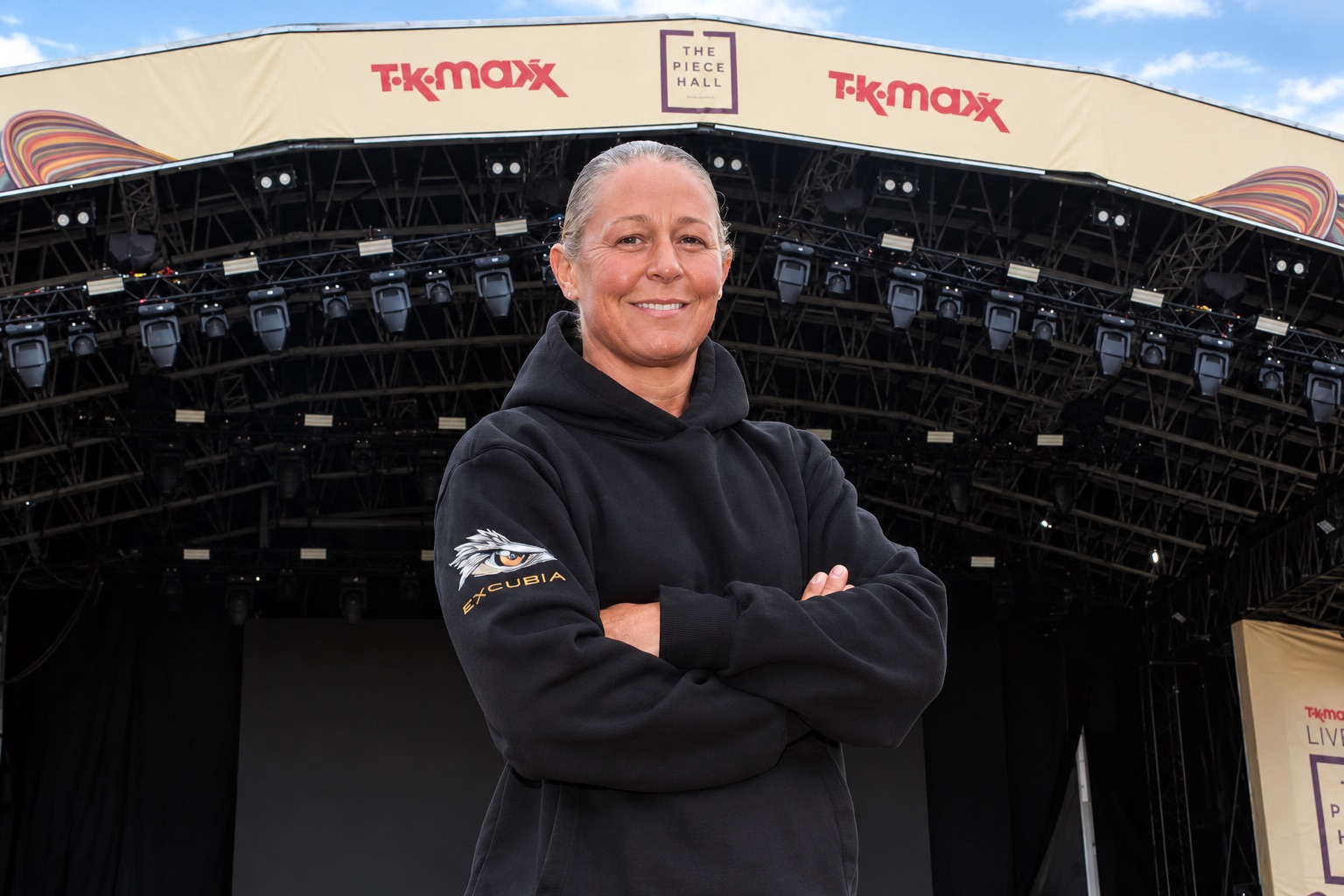
Twenty-six years protecting other people. No regiment, no rulebook, and a rejection letter to start with.
For twenty-six years, Jade Miller has been responsible for other people's lives.
She has walked alongside journalists in high-risk environments such as Afghanistan, Iraq, Syria, Sudan, Somalia, Nigeria, Kenya, Senegal, Lebanon and Libya. She has worked riots, terror attacks and political unrest, and was in Brussels with CNN after the attacks. She spent five months in Syria around the fall of Assad. She has protected celebrities, footballers, media organisations and a Saudi client who sent for her to cover a fortnight and kept her as protection for several years. Today she is Security Director for the season of pop concerts at The Piece Hall in Halifax, which draws around three million visitors a year and becomes one of the country's great music venues every summer.
She has never served a day in the military.
She is five foot four. She was turned down by the police as a teenager over an operation she'd had on her knee as a child, and she had no Plan B whatsoever. She holds a fourth dan in Karate and fought for a Great Britain squad; her accolades sit in a loft at her mother's house. She built an international career in the most male-dominated profession in Britain without a single day of service behind her.
And she is still the woman nobody in the meeting looks at when the conversation turns to security.
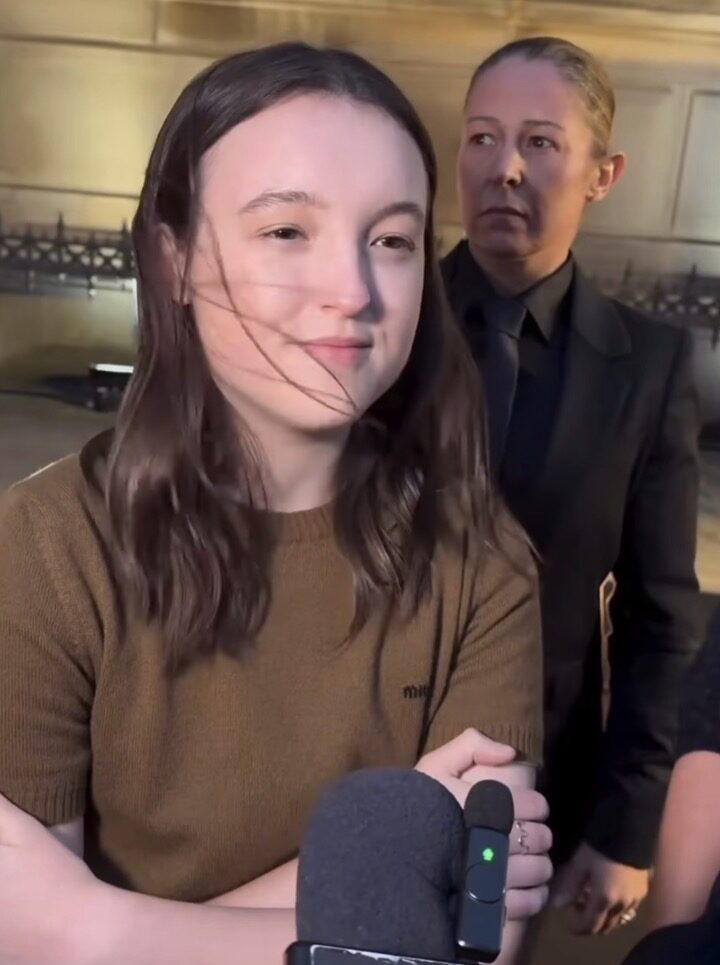
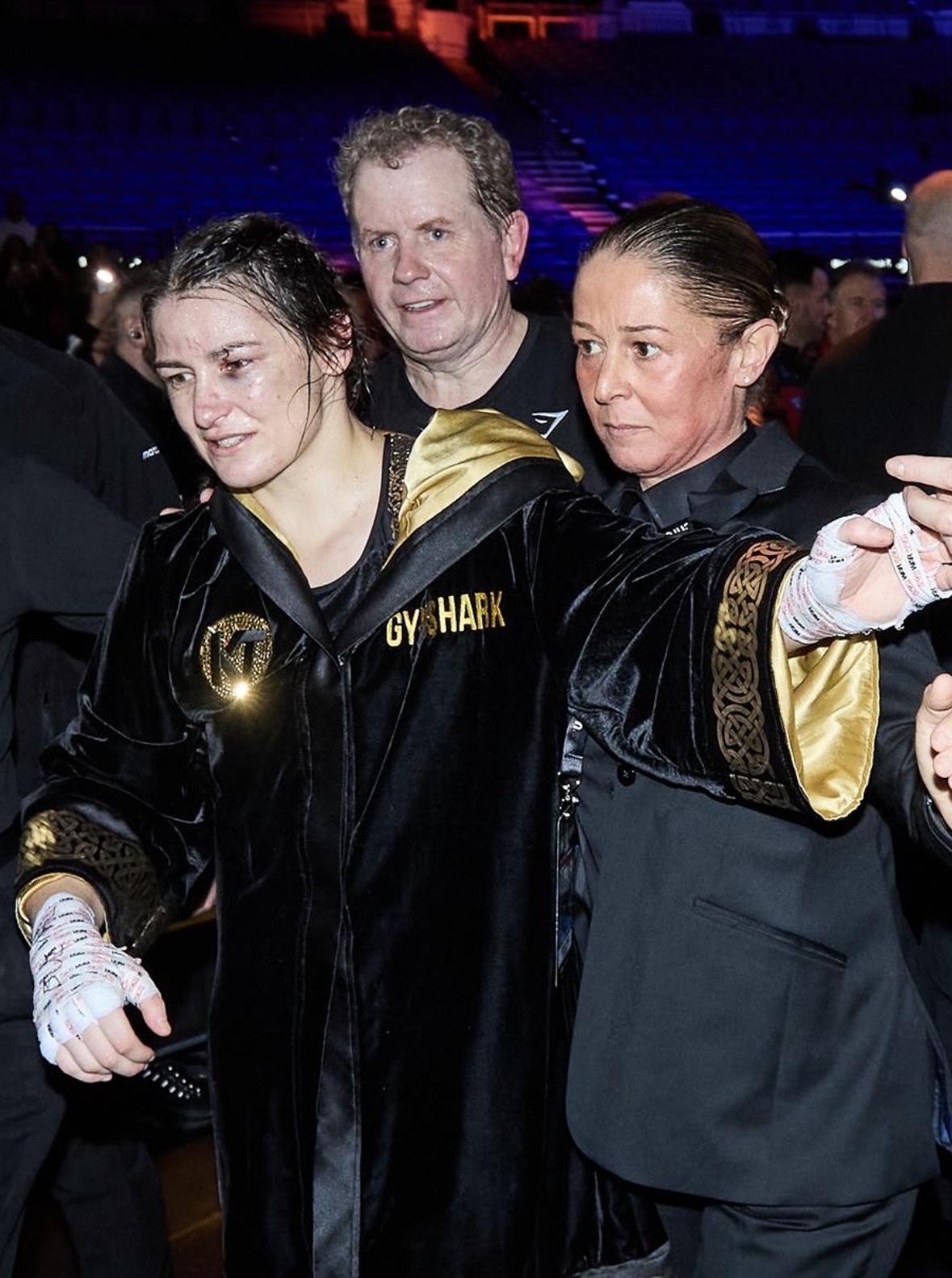
"Can I speak to the security? Can I speak to the bodyguard?" You're talking to them. "No, no — you mean the man. The big one with the tattoos." Yeah, he's security. But the one that's got the answers, the one making the decision, you're stood in front of her."
How a girl from Ovenden with a rejection letter ends up in that job is the question. The answer, she will tell you with some force, it's not about luck.
The plan that fell through
Jade was born in Halifax and raised in Otley, in a household where her mother did most of the raising and a weekend out meant being brought down to this courtyard when it still had grass growing through the cobbles. She wanted to be a police officer. Not hoped, intended. She picked her GCSE subjects for it, did her work experience with the force, trained in martial arts to a national level and ran her own academy in Bingley, which never made a penny because it existed to give something back to the communities that had sponsored her to fight in national tournaments.
She was initially accepted, passed the carousel and was then rejected, on medical grounds: as a child she had surgery on her knee, and at the time nobody with surgery on a major joint was getting in.
"My whole world blew apart," she says. "I didn't have a Plan B. It was never if, it was when."
So, she did what was available. At seventeen she collected glasses in Leeds pubs because she was too young to work the doors and was handed a brown envelope to work security anyway. Even then she was learning the trade in a way the big lads beside her were not. She never told anyone she was a black belt: when the police turned up, she was a small woman who had the appearance that she feared for her safety, and it worked every time.
Her big break came on a security course in Leeds, where she was not only the shortest but also the only woman in the room. A man she assumed was an invigilator told her she should think about close protection; she assumed he was talking to the lads behind her. "I think I said, 'what could I look after — a Smurf?'" He was scouting, and what he'd been watching was not her size but her observation skills and her notetaking. The course cost four or five thousand pounds she did not have; he paid for it in exchange for one job.
The route nobody recommends
Everybody who writes a book about this trade took the same road: military service, private security then the natural progression into close protection. Jade went another way, and the parts of her CV the industry discounts are the parts that made her.
The Prison Service is the one she rates most and nobody asks about. "There's no help coming when you're in that jail. You're locked in with these people fifteen hours a day." It gave her something no course can: years spent talking to people who plan things, how they think, how they justify it afterwards. When she looks at a crowd now, she is not searching for a threat in the abstract. She is looking for shapes already explained to her by the people who make them.
She did try the conventional door, applied to work the Royal Military Police, sailed through the selection process at Pirbright, and was stopped by the same childhood medical record. She loses work over that gap constantly, to men who are six foot and ex-forces. Her worry about that intake is not competence but shape: they come out of a world that told them what to do and when, into one where no help is coming and nobody will tell you the solution or bark an order. You have to know what to do, and you have to do it in a split second. Half the job is standing in a corridor at two in the morning deciding, alone, whether the thing you are looking at is a thing to worry about.
Nobody ever handed Jade a set of orders. She had a rejection letter, a borrowed course fee and one job to repay it with, and every call after that was hers to make and hers to be wrong about. Twenty-six years on, that isn't a gap in her training. It is her training.
Unarmed, and in the wrong places
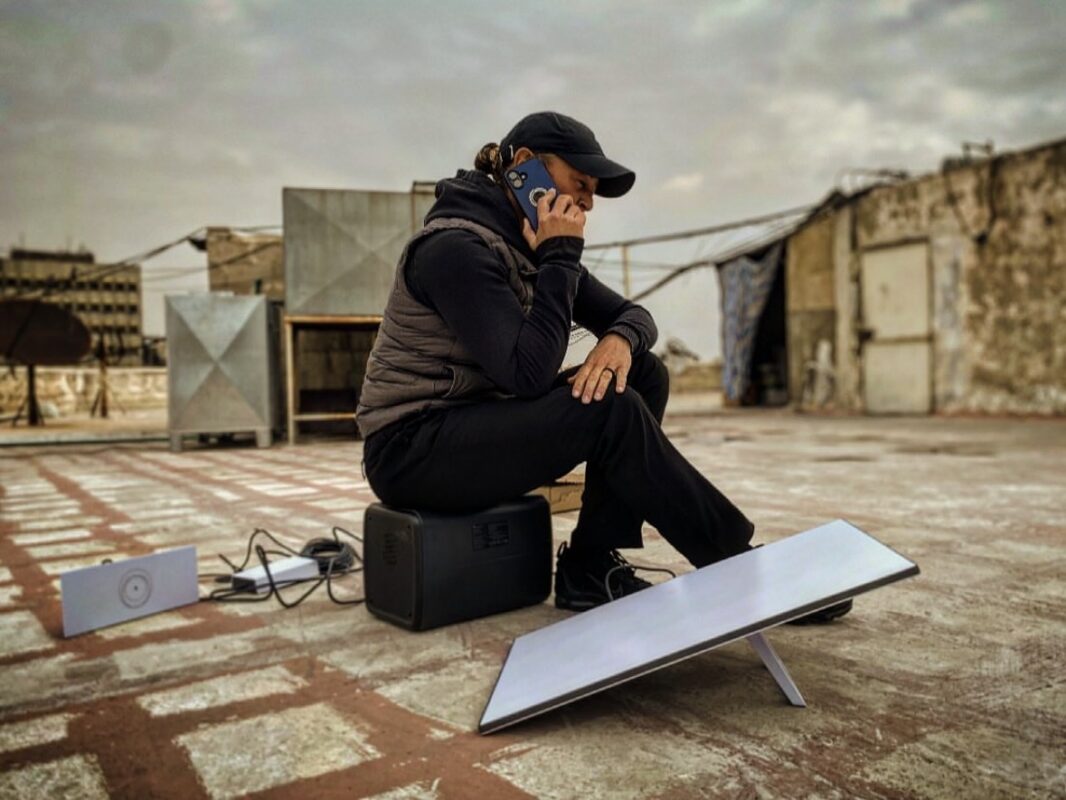
She went into every one of those countries as a civilian security adviser. That means unarmed. No diplomatic cover, no cavalry, and in Afghanistan it sometimes meant moving around in a soft-skinned vehicle. "I've been to them all as a civilian security adviser," she says. "Not armed or anything like that."
Her clients in those places are almost always the media, and the job is not to fight anybody. It is to get a crew to a story and back out again with everybody intact. She has run security for a news team of one as well as a news team of many, internationally — the risk assessment before anyone moves, the routes in and the routes out, the call about what happens when the plan stops working, and the briefing that means nobody on the team has to guess.
Her specialism inside that is public order. When a crowd turns, she is the one walking backwards. "That's the main thing I do with the media — I go to all the riots and walk backwards watching the photographers and the cameras." A photographer with one eye to a viewfinder has no peripheral vision and no idea what is arriving from the left. She is their peripheral vision, their safety.
Not all of it is chaos. The deployment that has stayed with her is the Grenfell march, thousands of people walking to Parliament in complete silence. "Nobody speaks. That's the one that hits me the most."
And the measure of the work is entirely unglamorous. No trophy, no bonus, no write-up. "As long as everyone gets home safe, my team get home safe, that’s a success." She is equally clear about the limit of it: you learn, both here and abroad, that you cannot stop everything.
The work that doesn't look like work
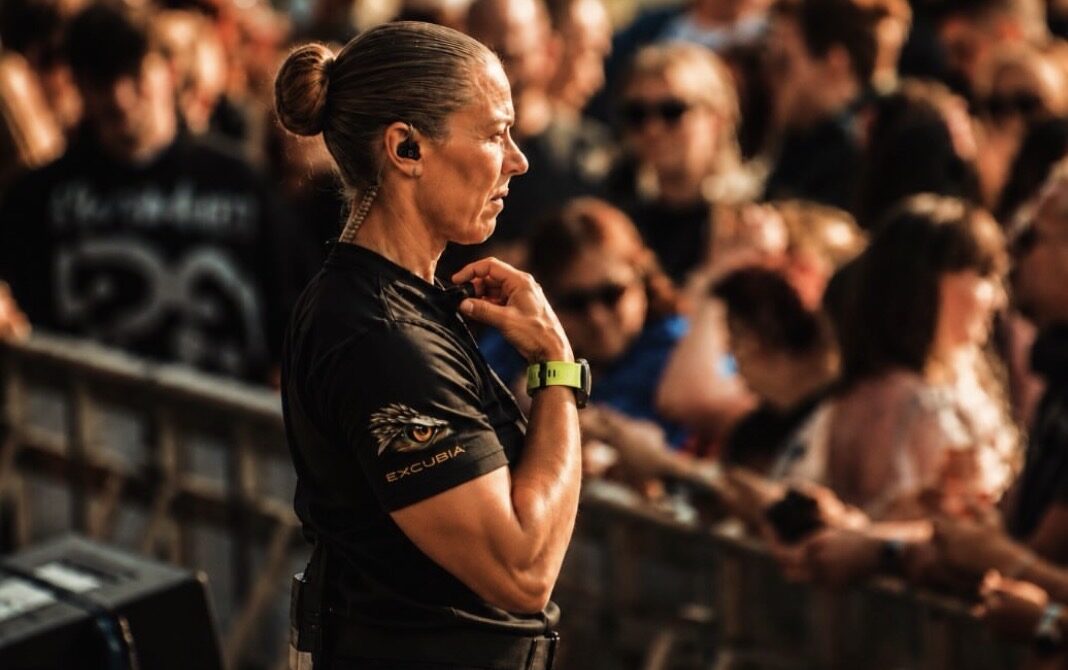
There is a half hour most mornings when The Piece Hall belongs to almost nobody, and Jade is near the edge of it, apparently doing very little. She is, in fact, counting the ways in and the ways out — the sightlines, the choke points, the spot where a crowd of six thousand will funnel later and where that funnel could go wrong. None of it shows on her face. That's the point.
"If I walk in a room, I always know how to get out of it first," she says. "But I walk in and I listen, and I look at people and watch people first. I'll never go straight in with 'hi, my name's Jade' and be that great person for a while. I'll have a look. We are our own biggest breach of security, because we talk."
Protection at this level is being invisible until the precise second you shouldn't be. The best days are the days nothing happens, and nothing happens far more often when somebody has already thought three moves ahead, that’s me. Most of what she does is a conversation that stops something before it starts.
The other half of the craft is not reacting, and she is emphatic that this is where her industry gets it wrong: people see a risk and go straight in. "Everyone's 'oh look, there's a drone in the sky' and it's a pretty little drone, and my head goes somewhere completely different, because I've seen what a drone can do in the countries I've worked in." She does not escalate. She gets on comms. Has anyone filed a flight? Is it on Facebook? "Let's eliminate things first before we go to panic."
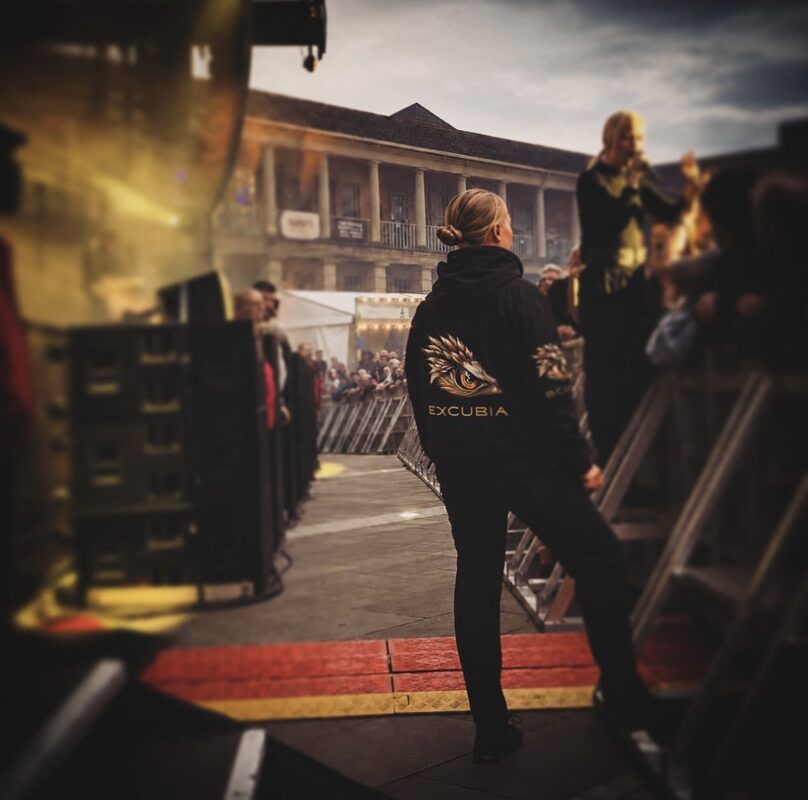
“Ninety-nine per cent of the time it's nothing. But I'm always prepared that the one per cent of the time it is something. You can carry a medic kit every day, and the day you don't carry it is the day something happens.”
Then there is the part that cannot be taught: she does not look like security. She blends in as a PA, a personal trainer, a friend, a nanny. "You can tell if someone's got security with them a mile off. Nobody looks at me and goes, oh, they've got the bodyguard with them." She can walk this courtyard for hours before anyone works out who she is.
And there is the thing nobody warns you about: you don't come back from that world seeing things the way you did before. It doesn't switch off. She walks into a café and knows where she'd sit; she hears a crowd change pitch before anyone else looks up. An extraordinary professional asset, and a permanent alteration.
Inside somebody else's life
A soldier is given ground to hold. Close protection gives you a person and with them the house, the car, the marriage, the very bad week. The tactical part is the smallest part of it.
Most of the skill is relational, and the client frequently does not want you there: you are expensive and you have removed their privacy. So the job is a double bind — liked enough to be kept and invisible enough to be forgotten, in the same room at the same time. It is also brutally unequal. "If it goes wrong, I'm expected to put my life on the line," she says. "And yet you couldn't even say good morning to me today." It’s harsh but it’s the reality!
The only job she does at home
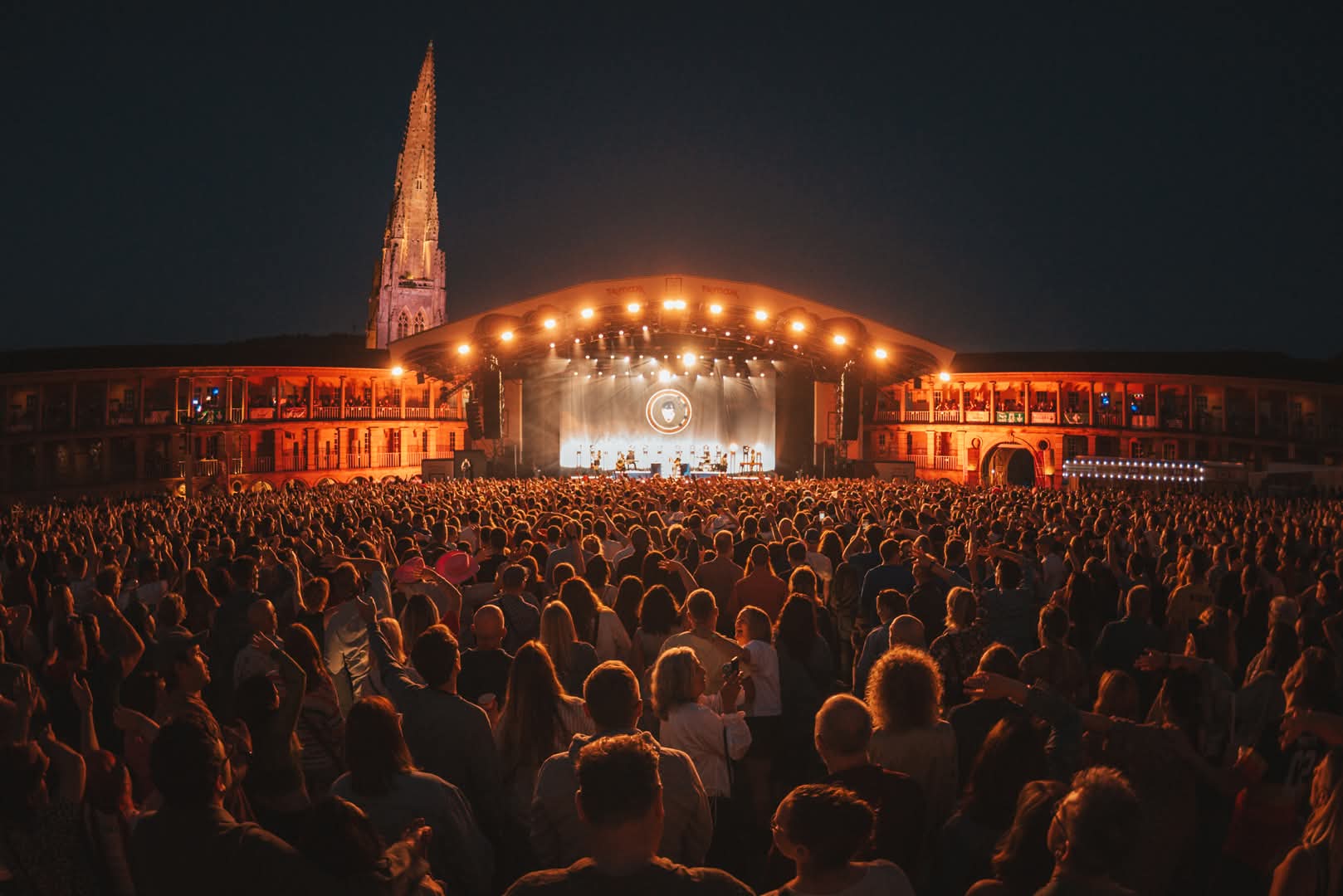
The Piece Hall is the one UK contract she takes, and the fee has nothing to do with it. This is her town. Her uncle ran a groundworks company and his handprints are all over the rebuilding of Halifax. He is no longer here but she told him she would look after it.
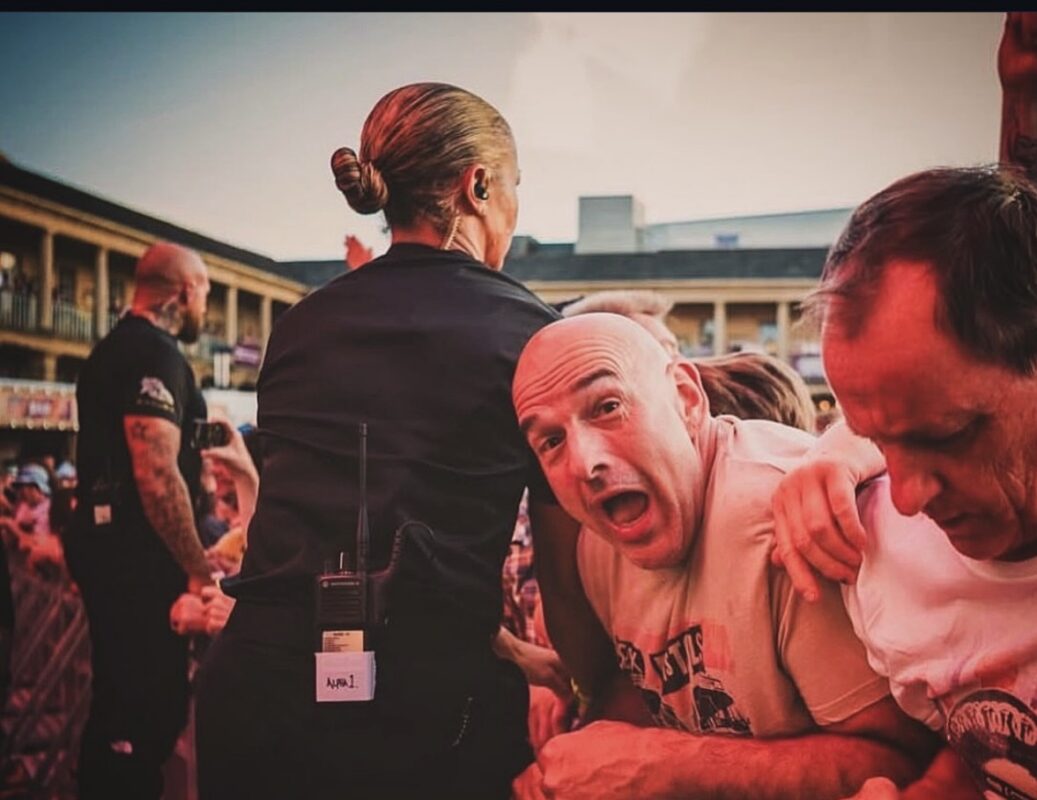
She is in at half seven and last out at two or three in the morning, and on a gig day she clocks forty thousand steps inside four walls. Her fear is specific: one person getting in with a knife, in a crowd of thousands, doing a great deal of damage before anyone understands what has happened. Which is why she has no patience with the argument over the person who wants to bring in a backpack. "You might see an inconvenience. We see risk."
She would rather you never met her. "The majority of people coming here will never even know who I am. And if they do need to meet me, that means something's gone wrong."
What it actually costs
This is the part she wants young women to hear, because the industry sells a different brochure — private jets and superyachts. "It's a lot of hurry up and wait. I've lost weeks of my life sat in a corridor outside a dressing room." She drove Halifax to London and back for a hundred pounds to work a red carpet, which didn't cover the fuel. She has been put into debt by wealthy clients who simply didn't pay. She missed her brother's graduation because she was at a client's. When her father died on a Friday, she was expected back at work on the Sunday. She's built a reputation for all the right reasons but it hasn't come without a few scars. "I'm in a good place," she says. She can now genuinely pick and choose the work — and then catches herself calling that lucky.
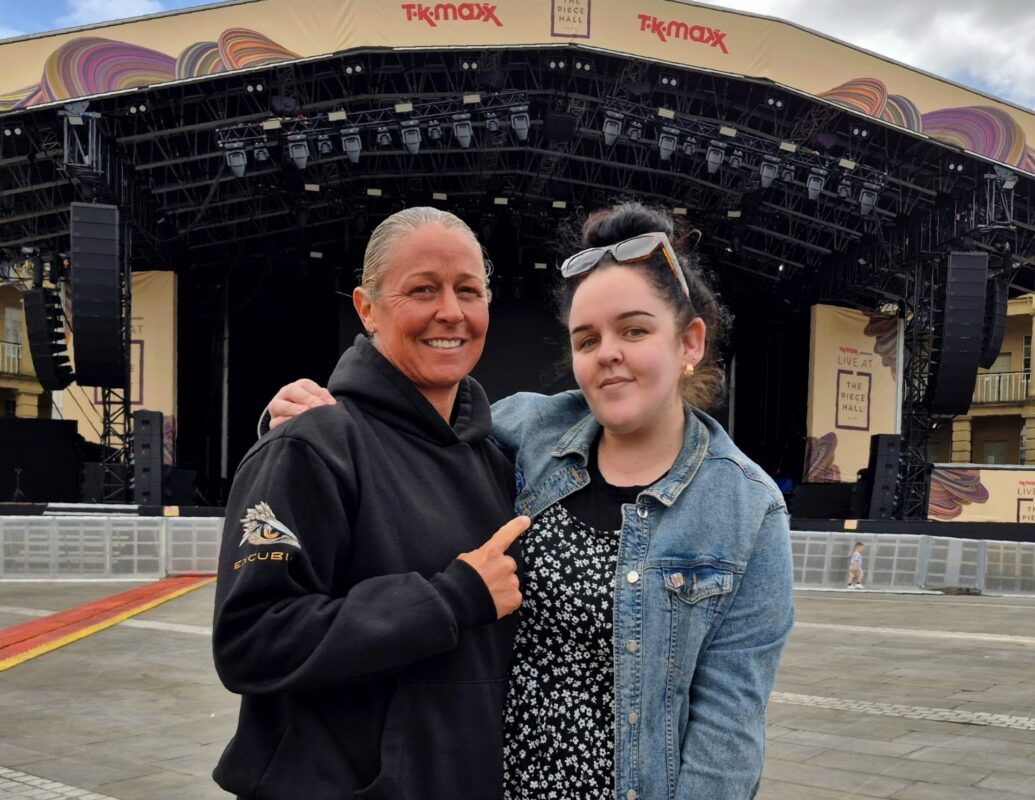
“Actually, no. I'm not lucky. I've worked bloody hard to get where I am today.”
Fifteen dogs, a goat, and Top Withens
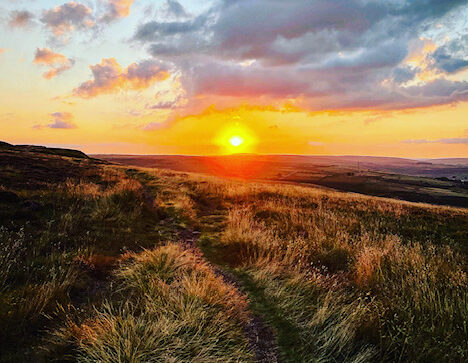
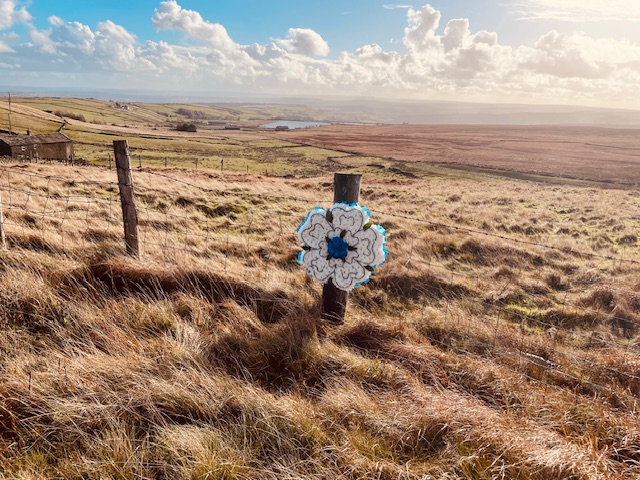
Her partner is Irish, and for six or seven years home has been the middle of nowhere in Ireland: fifteen dogs, miniature horses, Gary the Goat and weeks without seeing another person. The balance is deliberate and it is what makes the rest of the work survivable, silence, then six thousand people, then silence again. Resilience, it turns out, isn't hardness; it is having somewhere to put yourself down. Ask her favourite place on earth and she doesn't say the Maldives or Brazil, both of which she has done. She says Top Withens, past Halifax, where her family's ashes are and you can walk for hours and see nobody.
Passing it on
The academy in Bingley taught karate, but it also taught what was then called personal safety, and that is the part Jade has come back to. Not to turn women into fighters. To give them enough for the one moment they may find themselves in, when something is wrong and nobody is coming.
"No one should have to live in fear of their own safety," she says, and in two hours of talking it is the closest she comes to a mission statement. "Your life's hard enough and stressful enough."
She is entirely unsnobbish about what form the help takes. Some people can afford her standing at their shoulder. Some can afford an hour of her advice and nothing more. And some just need somebody to show them how to stand, what to watch for, and what to do with the two seconds they are likely to get. "If I can help someone feel safer — whether it's give them some personal safety lessons, or they've got the budget that they can afford me to be on their shoulder, or they pay for just some advice — then I've sort of done my bit."
It is the one subject where the reserve slips, and there is a reason for it that she will not go into. A lot of it, she says, stems from something that happened to her and her mother when she was small. She doesn't elaborate and isn't asked to. But it explains why a woman who has spent twenty-six years being paid to protect the very wealthy is at her most animated about teaching women who cannot pay her anything at all.
It is what it is
There is a phrase tattooed on her leg, and it was her mother's before it was hers. It is what it is. Meaning, if you lost the fight, you lost it — train harder so you might not lose the next one, but don't stand there being angry about it or feeling sorry for yourself. What's done is done.
That's what she'd say to a room of seventeen-year-olds who can see a version of themselves in her — that, and the bit she cannot let go of, because a doctor once said to her "you can't do that". She then spent twenty-six years proving the opposite.
“Who are you to say I can't, when you don't know me? You don't know my resilience levels. You don't know my stubborn levels. You might fail. You might learn. But give it a go.”
She has a line about herself that is better than anything written about her. "I'm an ordinary kid on an extraordinary journey. And it's definitely not over yet."
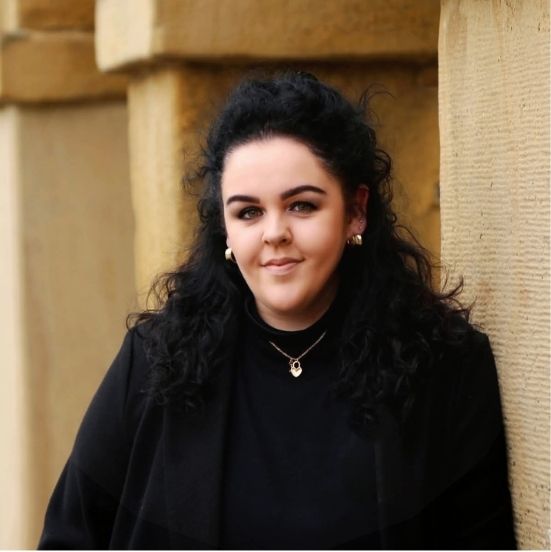
Shannon Palmer is The Travelling Telegraph's Yorkshire blogger with a passion for uncovering the county that most visitors never get to see. Drawing on years of life across God's Own County, she shares honest guides, hidden discoveries and the kind of local knowledge that only comes from truly being there.