Beyond the Traffic: Discovering the Soul of Old Manila
Inside Intramuros — the Walled City at the Heart of the Philippines
Manila, the capital of the Philippines, has been accused of being many things — polluted, frenetic and burdened with some of the worst traffic in Asia. Leave too quickly, though, and you risk missing one of South-East Asia’s most extraordinary historical time capsules.
Hidden within the vast modern metropolis is Intramuros — a fortified Spanish colonial city that has survived a conquest, earthquakes, siege and the devastation of the Second World War. Today it remains not merely a relic of the past but a living district where four centuries of Philippine history can still be experienced in stone, cobbles and cathedral bells.
Founded in 1571 by the Spanish conquistador Miguel López de Legazpi on the southern bank of the Pasig River, Intramuros — Latin for “within the walls” — served for more than three centuries as the administrative heart of Spain’s empire in Asia. The district covers just 0.67 square kilometres, yet its narrow streets, plazas and baroque churches contain the layered story of colonial Manila. Entry to Intramuros itself is free, though individual attractions charge modest admission fees.
Intramuros Administration: intramuros.gov.ph
Manila Cathedral — The Mother Church of the Philippines
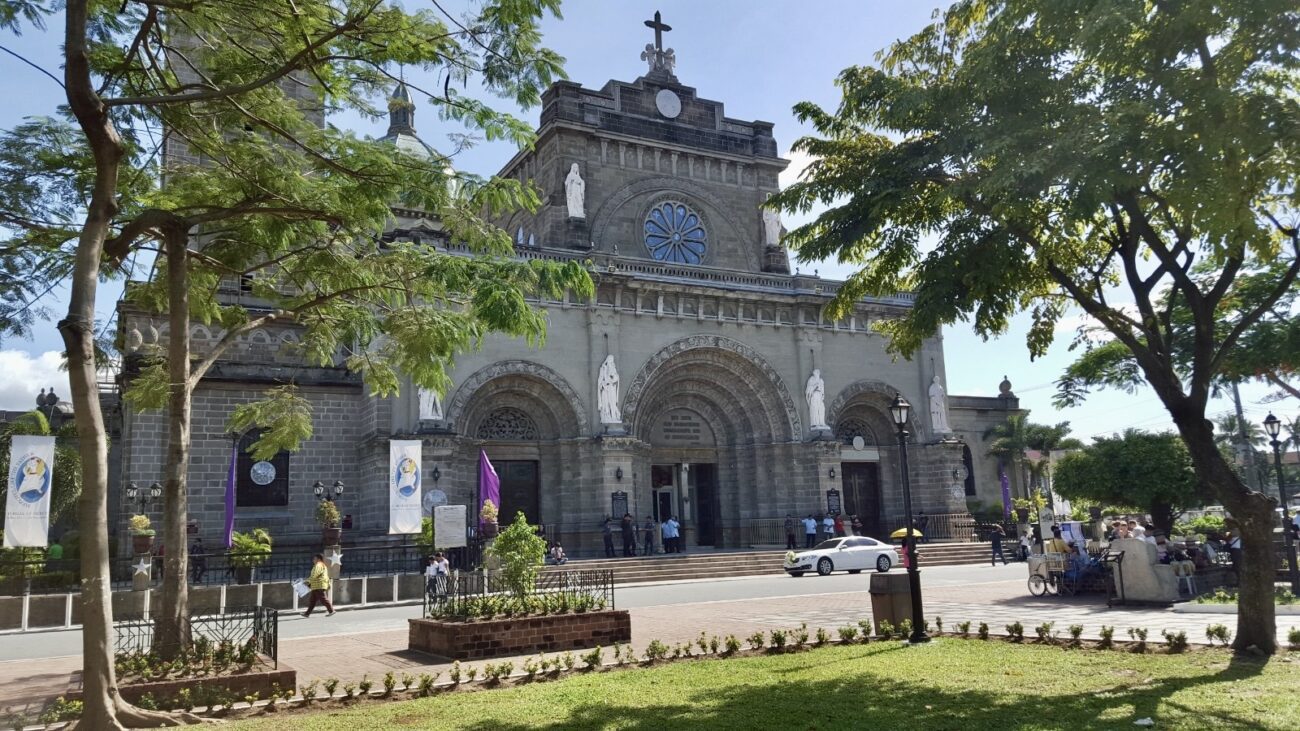
Rising above Plaza de Roma at the centre of the walled city stands the Manila Cathedral, officially the Minor Basilica and Metropolitan Cathedral of the Immaculate Conception.
The story of a church on this site stretches back to 1571, but the building visitors see today is technically the eighth structure to stand here. Over the centuries, the cathedral has been repeatedly destroyed by earthquakes, fires and wartime bombardment — most dramatically during the Battle of Manila in 1945.
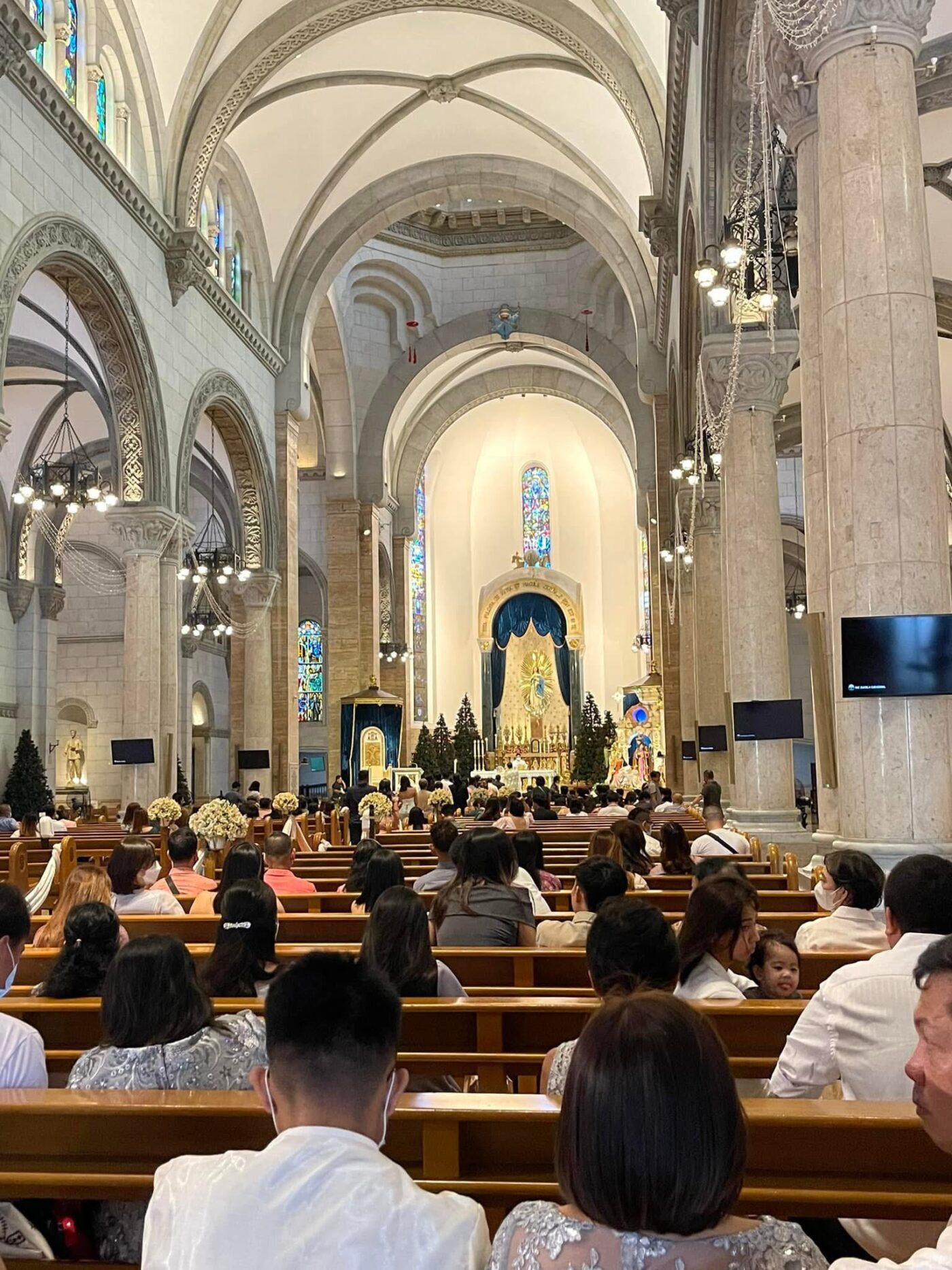
The present Neo-Romanesque basilica was completed in 1958. Eight large bronze doors depict key moments in the cathedral’s history, while inside more than a hundred stained-glass windows illuminate the sanctuary. Above the main altar stands a gilded bronze statue of the Immaculate Conception, patroness of the Philippines.
The cathedral has welcomed visits from three modern popes — Paul VI, John Paul II and Francis — and remains one of the country’s most important religious sites.
Admission: Free (donations welcomed) | Website: manilacathedral.com.ph
A Living Colonial Atmosphere
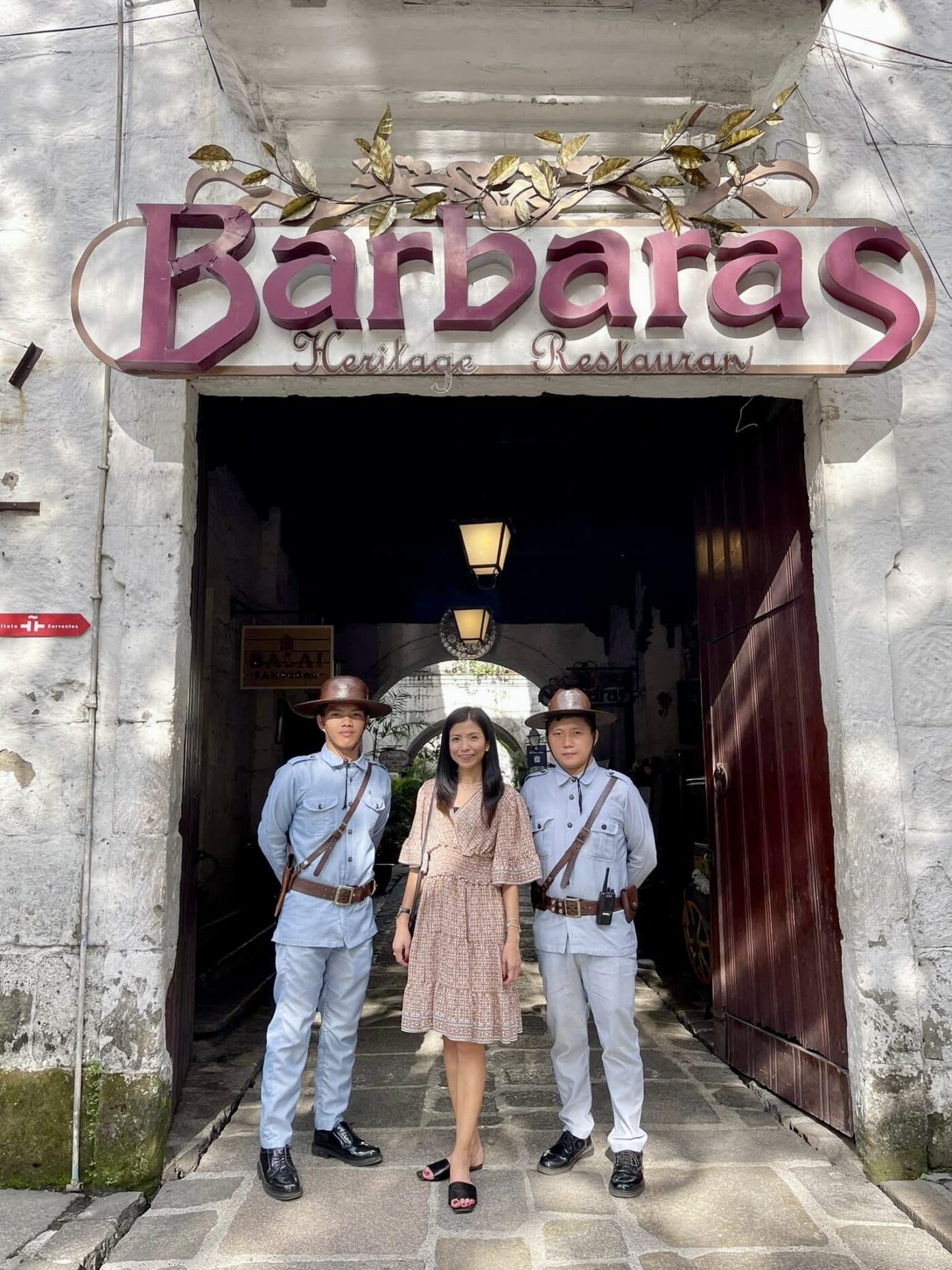
Part of Intramuros’s charm lies in its sense of theatre. Security personnel and heritage guides are occasionally seen wearing uniforms inspired by those of the Spanish colonial Guardia Civil, evoking the era when the walled city functioned as the administrative centre of Spain’s Asian empire.
Historic structures such as the restored Philippine Constabulary Barracks reinforce the atmosphere of a preserved colonial enclave. While much of Intramuros was destroyed during the Second World War, decades of careful reconstruction have gradually restored its plazas, gates and defensive walls.
Bambike Ecotours — History on Two Wheels
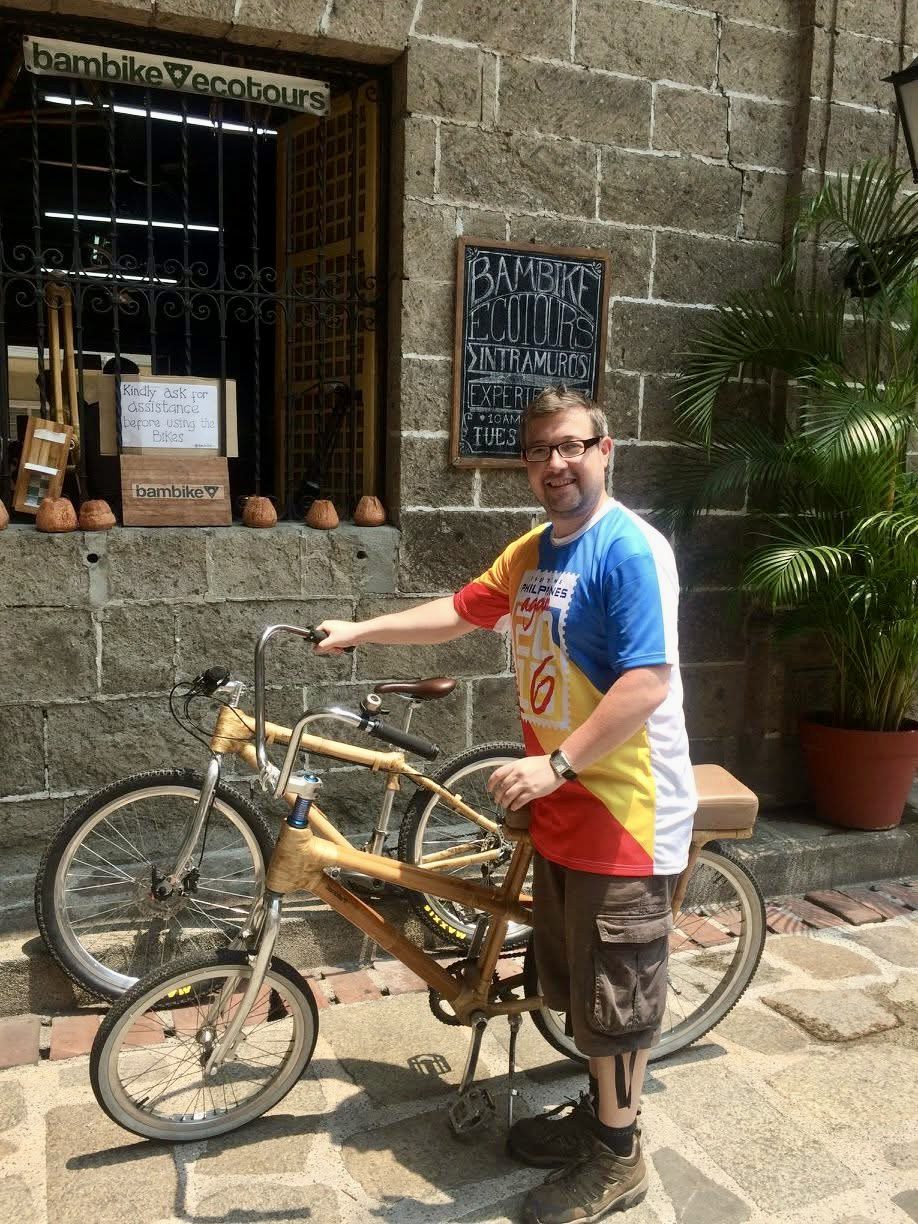
Manila’s tropical heat can make exploring on foot demanding. Fortunately, there is a more imaginative option: discovering Intramuros by bamboo bicycle.
Bambike Ecotours offers guided rides using handcrafted bicycles made from locally sourced bamboo and abaca fibre. Tours typically visit eight to ten historic sites including Fort Santiago, Puerta Real Gardens, San Agustin Church and the Manila Cathedral.
Website: bambike.com/ecotours | Book: Viator | Reviews: TripAdvisor
The Kalesa — Clip-Clopping Through the Colonial Past
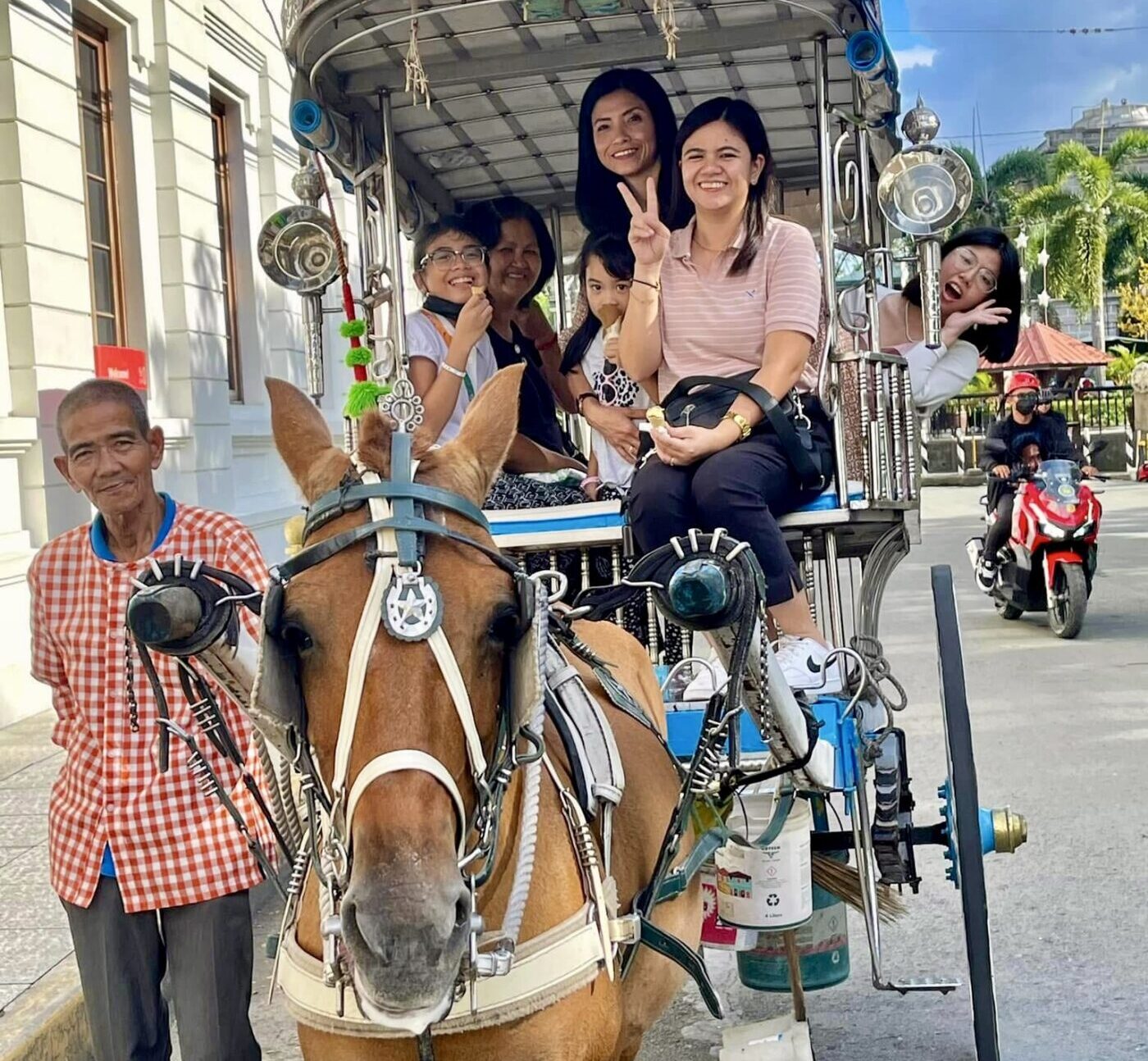
Long before the brightly painted jeepney became a symbol of Filipino transport, Manila’s streets were dominated by the kalesa — a horse-drawn carriage introduced during the Spanish colonial period.
Today the kalesa survives in Intramuros as both heritage transport and tourist attraction. Fares typically run to around PHP 500 for 30 minutes and should be agreed before departure.
Packaged Kalesa Tour: GetYourGuide — Historical Kalesa Ride | Independent hire: approx. PHP 500/30 min — agree fare before departure
Barbara’s Heritage Restaurant — Dining in the Age of the Ilustrados
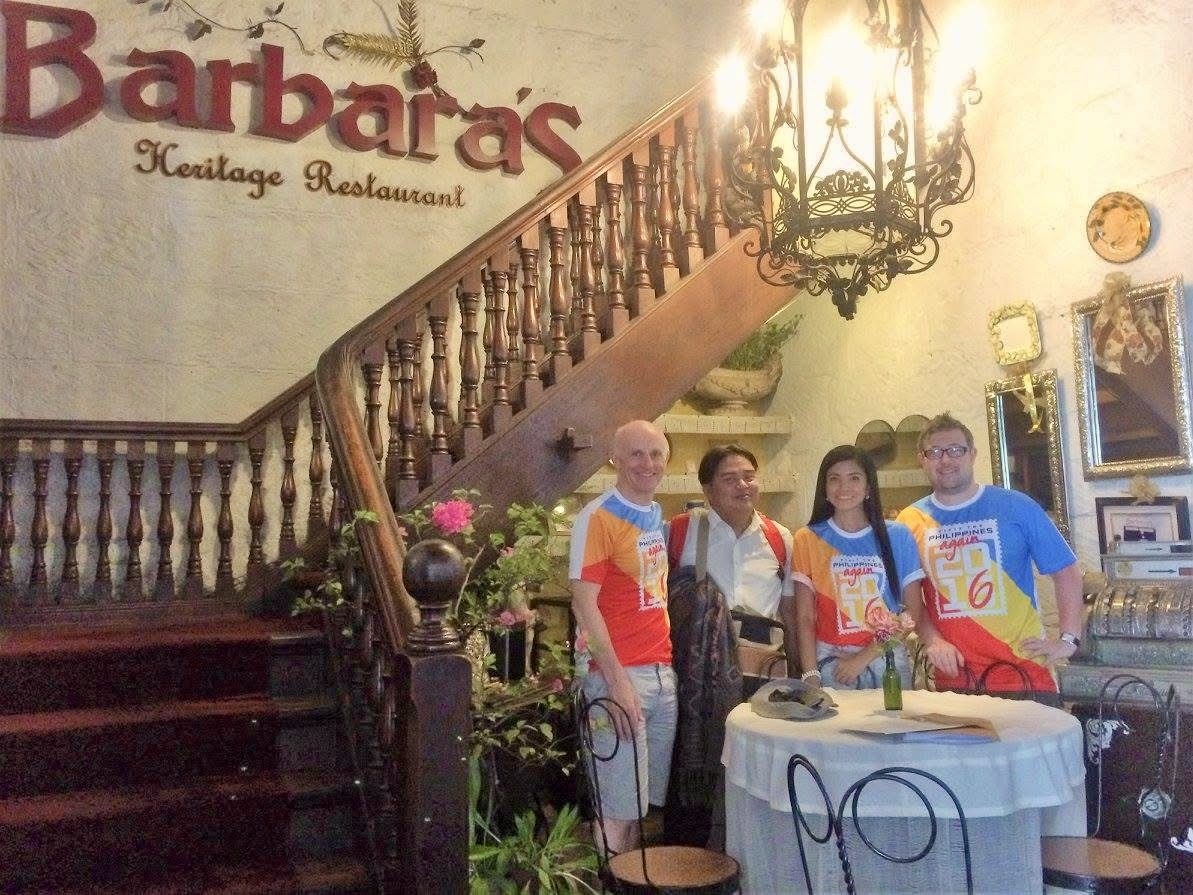
Located in the Plaza San Luis complex opposite the UNESCO-listed San Agustin Church, Barbara’s Heritage Restaurant recreates the atmosphere of colonial Manila.
The menu blends Spanish and Filipino traditions, with dishes such as lechon, adobo, sinigang and kare-kare alongside paella and sangria.
Address: Plaza San Luis Complex, General Luna Street, Intramuros | Tel: +63 2 8527-4083
Hours: Lunch 11:30am–2:00pm; Dinner 6:30pm–9:00pm (closed Fridays) | Website: barbaras.ph | Reviews: TripAdvisor
Getting There
Manila’s Ninoy Aquino International Airport (NAIA) is connected to the UK via hubs such as Singapore, Doha, Hong Kong and Dubai. Airlines including Philippine Airlines, Cathay Pacific, Singapore Airlines, Emirates and Qatar Airways offer one-stop connections with journey times typically between 15 and 19 hours.
From the airport, the easiest way to reach Intramuros is via Grab, the local ride-hailing app.
Grab: grab.com/ph | Philippine Department of Tourism: tourism.gov.ph | NAIA Airport: miaa.gov.ph
Why Go Now
Intramuros has quietly undergone one of the most ambitious heritage restoration programmes in South-East Asia. Streets have been pedestrianised, colonial buildings restored and sustainable tourism initiatives introduced, helping transform the district into one of Manila’s most engaging historic quarters.
Three Things Not to Miss
Fort Santiago
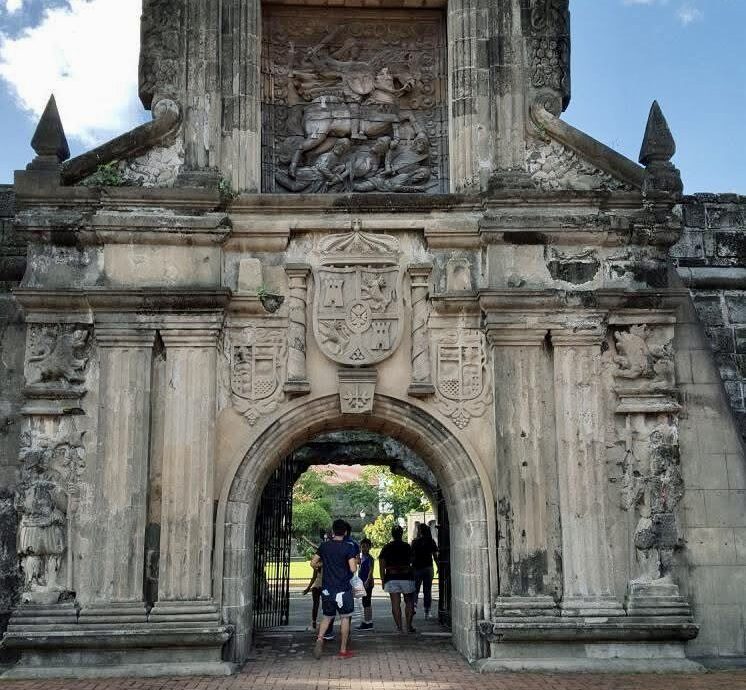
The most important defensive structure in the walled city and the site where national hero José Rizal was imprisoned before his execution in 1896.
San Agustin Church
Completed in 1607 and part of the UNESCO-listed Baroque Churches of the Philippines.
The Walls at Sunset
Walk the ramparts in the evening when the walls glow gold against Manila’s modern skyline.
Essential Travel Information
Best Time to Visit: December to February, when temperatures are cooler
Time Needed: Half a day to explore comfortably
Nearest Airport: Ninoy Aquino International Airport (NAIA)
Currency: Philippine Peso (PHP)
Language: Filipino and English widely spoken