EAT LIKE A LOCAL
Sri Lanka
A Travelling Telegraph guide to the island’s finest flavours — from fine dining to street-side sizzle
Sri Lanka doesn’t just welcome you with open arms — it feeds you. Generously, warmly, and with a spice-laced intensity that stays with you long after you’ve left the island. This teardrop-shaped nation in the Indian Ocean has a culinary identity all of its own: a fragrant collision of coconut, curry leaf, cinnamon, and chilli, shaped by centuries of Portuguese, Dutch, British, and South Indian influence.
Eating well in Sri Lanka doesn’t require a large budget — though it certainly rewards one. From the candlelit courtyards of Colombo’s finest restaurants to the sizzling griddles of a roadside kottu stall, the food here is vibrant, abundant, and impossible to resist.
Here is our guide to eating like a local — whether your tastes run to white tablecloths, roadside retreats or plastic chairs.
High Class: Where Indulgence Meets Island Tradition
1. Ministry of Crab — Colombo
Website: www.ministryofcrab.com
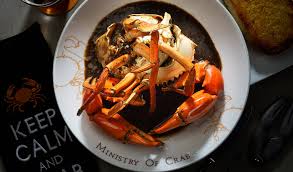
Housed inside Colombo’s 400-year-old Dutch Hospital building, Ministry of Crab is arguably Sri Lanka’s most celebrated restaurant and a regular fixture on Asia’s 50 Best Restaurants list. Co-founded by chef-restaurateur Dharshan Munidasa alongside cricket legends Kumar Sangakkara and Mahela Jayawardena, the restaurant is a temple to Sri Lanka’s legendary wild-caught lagoon mud crab.
The crabs are the undeniable stars, ranging from a modest 500g up to the formidable two-kilogram ‘Crabzilla,’ prepared in styles from fiery chilli to aromatic black pepper, garlic, or traditional Sri Lankan curry. A strict no-freezer policy ensures everything is impeccably fresh. The setting is relaxed rather than stuffy — bibs are provided, sleeves are rolled up, and getting elbow-deep in garlic chilli butter is actively encouraged.
Expect to pay: USD $80–$240 for two, depending on crab size and accompaniments. Prices are listed in US dollars and include service charge and taxes.
Book ahead: Essential. This is Colombo’s hottest table.
2. Paradise Road The Gallery Café — Colombo
Website: The Gallery Café on Timeout
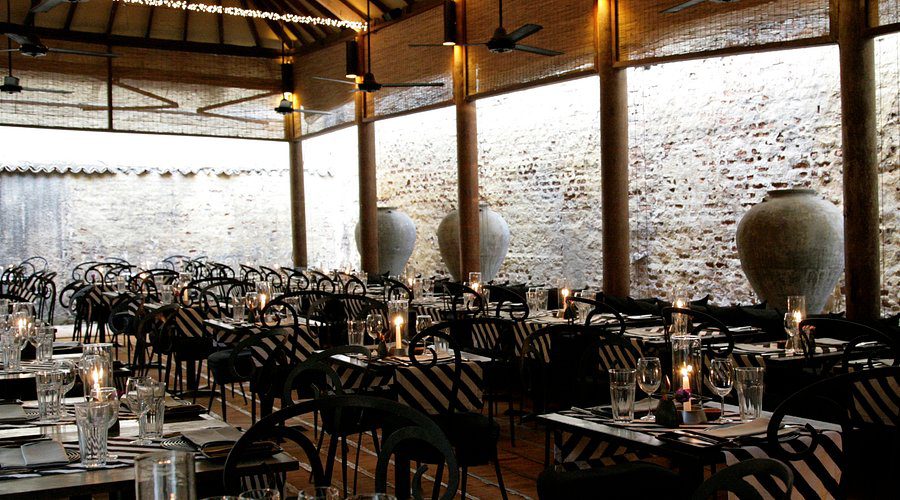
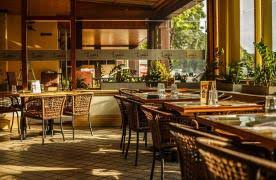
If Ministry of Crab is about primal indulgence, The Gallery Café is its elegant, art-loving counterpart. Set within the former office of Sri Lanka’s most revered architect, Geoffrey Bawa — who personally approved the building’s transformation before his death in 2003 — this open-air courtyard restaurant is one of Colombo’s most atmospheric dining experiences.
Lily pads float in a tranquil pond, flickering candelabras light the evening, and rotating exhibitions by local artists line the walls. The menu blends Sri Lankan ingredients with international techniques: think black pork curry alongside pan-fried calves liver, grilled seer fish with coconut risotto, and jaggery-infused desserts that have become the stuff of local legend. The 30-strong dessert menu, displayed on Bawa’s original desk, is a destination in itself.
Expect to pay: Around USD $15–$30 per person for mains. Very good value for the setting and quality.
Don’t miss: The signature black pork curry, and anything from the chocolate dessert selection.
Middle of the Road: Where the Locals Eat
3. Upali’s by Nawaloka — Colombo
Website: www.upalis.com
Ask any Colombo local where to get a proper Sri Lankan meal and Upali’s will be near the top of the list. Located in the former family home of founder Upali Dharmadasa, overlooking the leafy Viharamahadevi Park and the elegant Nelum Pokuna Theatre, this is the restaurant that finally gave traditional Sri Lankan home cooking a comfortable, modern setting.
The menu is structured exactly as Sri Lankans actually eat: a vegetable-first base of dhal curry, pol sambol, and seasonal vegetables, followed by fish, chicken, and mutton dishes. The string hoppers are textbook, the mutton varuwal arrives sizzling on a platter, and the hathmaluwa — a seven-in-one vegetable curry that dates back 2,000 years — is genuinely special. Upali’s doesn’t serve alcohol, but homemade ginger beer and cardamom tea more than compensate.
Expect to pay: USD $3–$10 per dish. A full meal for two will rarely exceed $20.
Top tip: Book ahead for dinner, particularly at weekends. Colombo’s office workers pack the place at lunchtime.
4. Hela Bojun Hala — Multiple Locations Nationwide
Find on TripAdvisor: Hela Bojun, Peradeniya
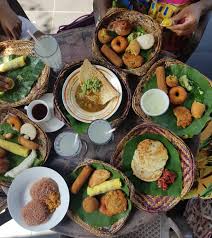
This is where eating like a local becomes truly authentic. Hela Bojun Hala — which translates simply as ‘local food stall’ — is a remarkable government-backed initiative run entirely by women. Established by the Ministry of Agriculture, these open-air food halls are scattered across the island from Kandy to Jaffna, Nuwara Eliya to Matara, and every dish is prepared fresh, on site, using locally sourced and largely organic ingredients.
The experience is more food market than restaurant: you wander between stalls, each run by a different woman preparing her own speciality. String hoppers with sambol and curry, pittu, jackfruit kottu, banana blossom cutlets, and traditional sweetmeats are all on offer. The food is outstanding, the prices are astonishing, and every rupee you spend directly supports female entrepreneurs in rural communities.
Expect to pay: A full meal for under USD $1–$2. Individual items from as little as 25 Sri Lankan Rupees.
Best locations: The original outlet at Gannoruwa near Kandy is the most established, but the Dambulla and Battaramulla outlets are equally excellent. Perfect for a meal stop on longer road journeys.
Five Authentic Sri Lankan Dishes You Must Try
1. Rice and Curry (Bath Curry)
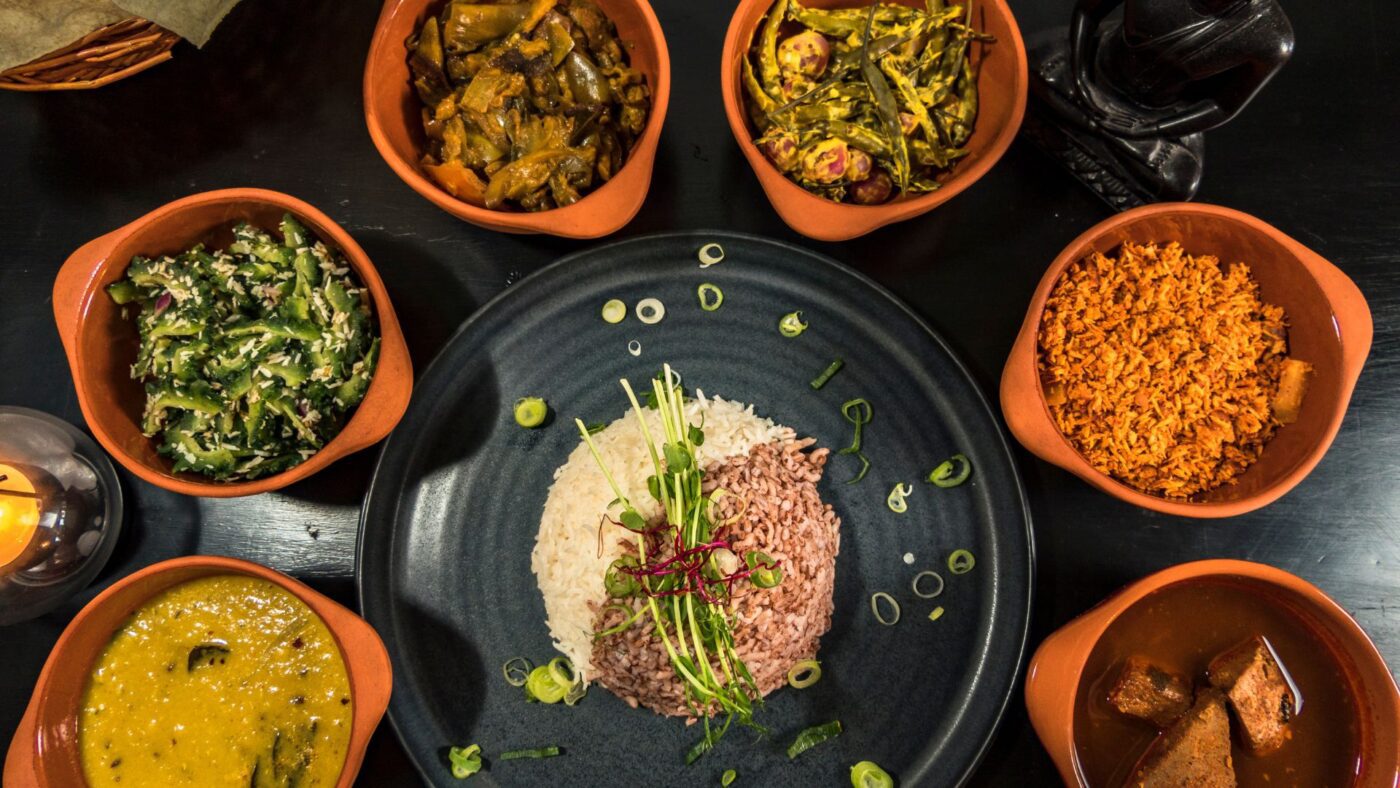
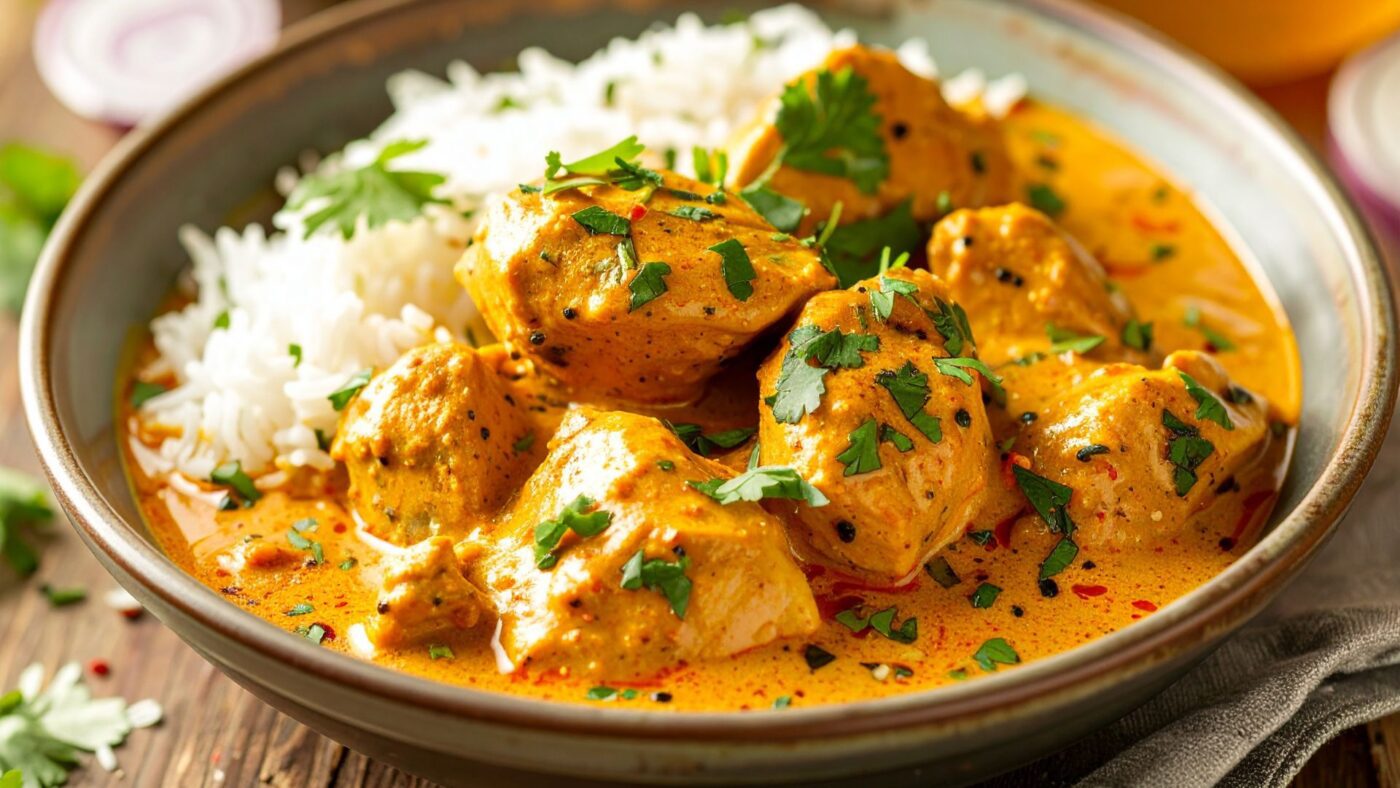
The national dish, and no two plates are ever quite the same. A generous mound of steamed rice — often red or white — arrives surrounded by an array of four to six curries: dhal, fish or chicken, seasonal vegetables, pol sambol (a fiery coconut relish), mallung (shredded greens with coconut), and crispy papadams. Every household, every roadside restaurant, every hotel has its own version. Order it everywhere, compare, and argue about which was best.
Where to try it: Literally everywhere, but Upali’s in Colombo does a particularly refined version. Any local kade (small eatery) will serve a generous plate for around USD $1.50–$3.
2. Egg Hoppers (Bittara Appa)
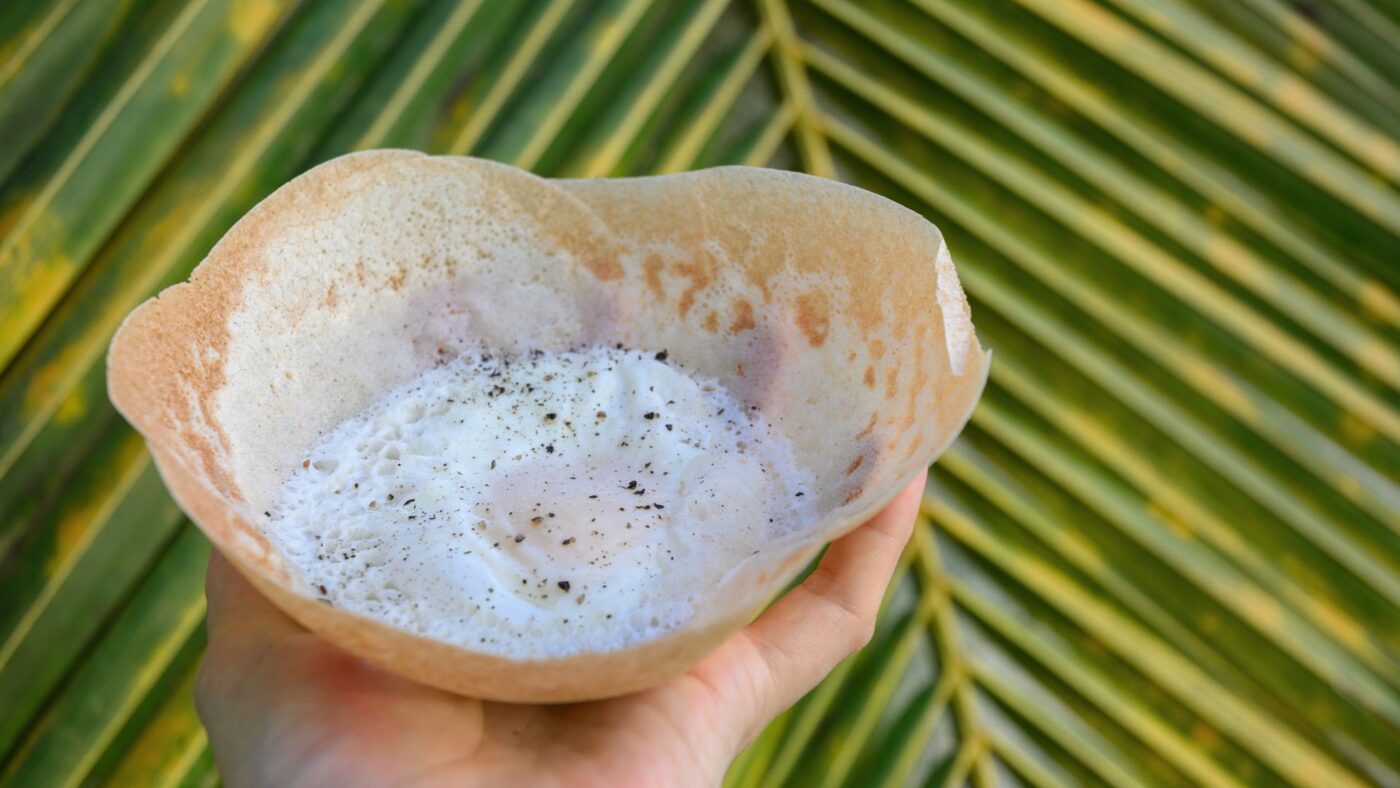
These crispy, bowl-shaped pancakes made from fermented rice flour and coconut milk are a Sri Lankan breakfast institution. Cooked in a small, high-sided pan, each hopper develops lacy, golden edges while cradling a perfectly fried egg at its centre. They’re served with lunu miris (a fiery onion and chilli relish) and coconut sambol. Once you’ve had a proper egg hopper with all the trimmings, you’ll understand why Sri Lankans are fiercely protective of this dish.
Where to try it: SkinnyTom’s Deli in Unawatuna/Galle serves an excellent version with three house-made sambals. Typical price: USD $0.50–$2.
3. Kottu Roti
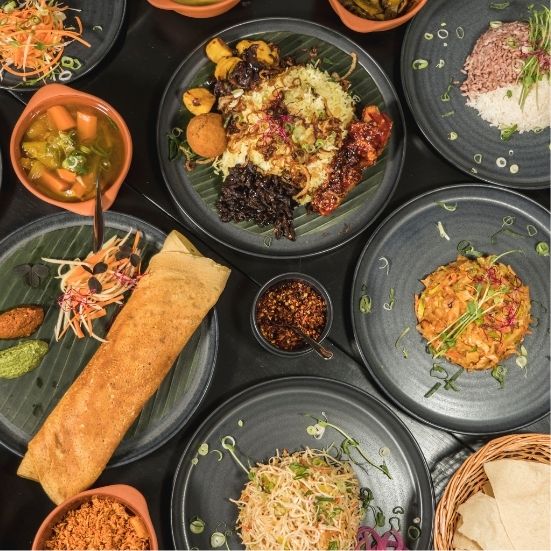
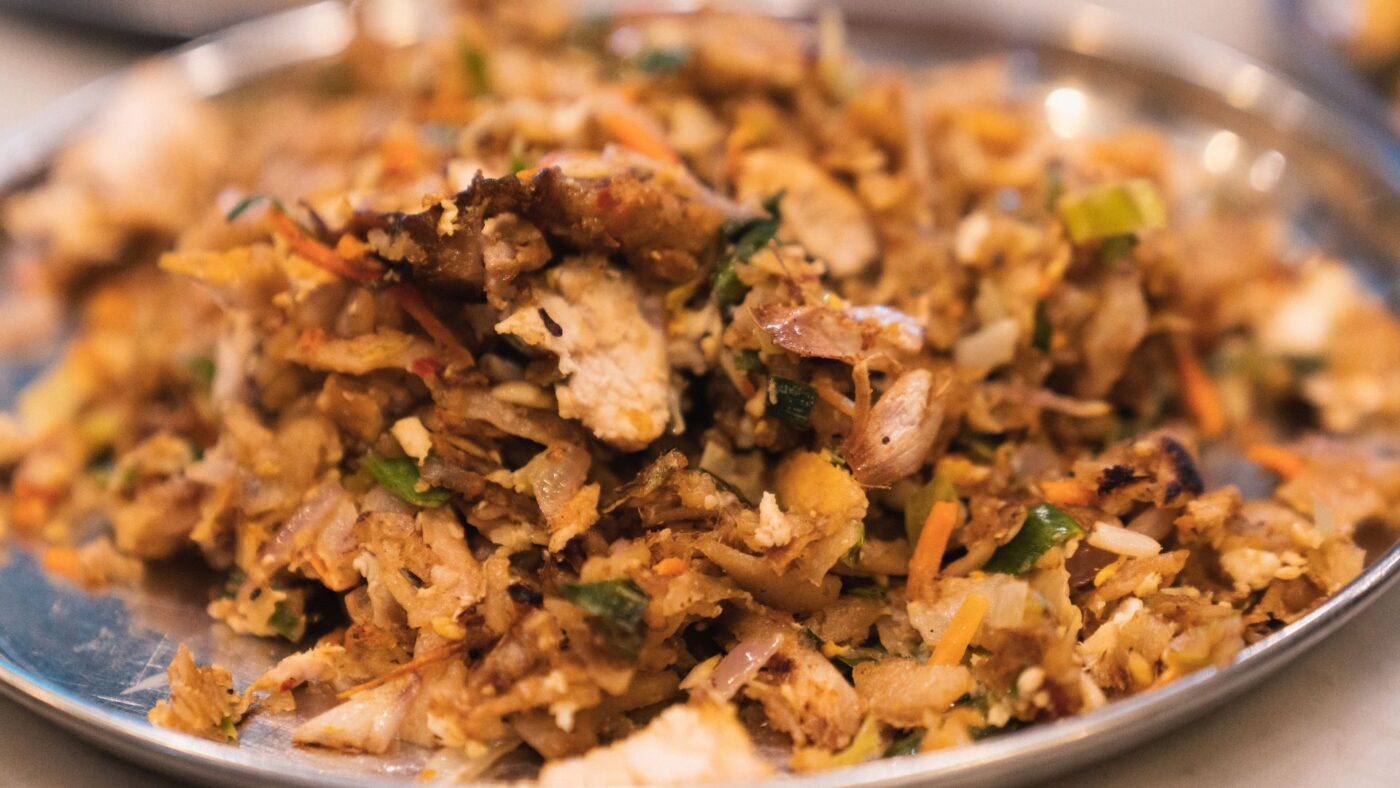
You’ll hear kottu before you see it. The rhythmic, percussive clatter of metal blades chopping roti on a hot griddle is the unmistakable soundtrack of Sri Lankan street food. Shredded godamba roti is stir-fried at ferocious speed with vegetables, egg, spices, and your choice of chicken, beef, or cheese, producing a gloriously messy, carb-heavy feast that Sri Lankans affectionately regard as their answer to fast food.
Where to try it: Every town has its kottu specialists — follow the sound and the queue. The Hela Bojun stalls serve an excellent jackfruit (kos) kottu, a healthier vegetarian twist on the classic. Typical price: USD $1–$3 at a local restaurant.
4. Lamprais
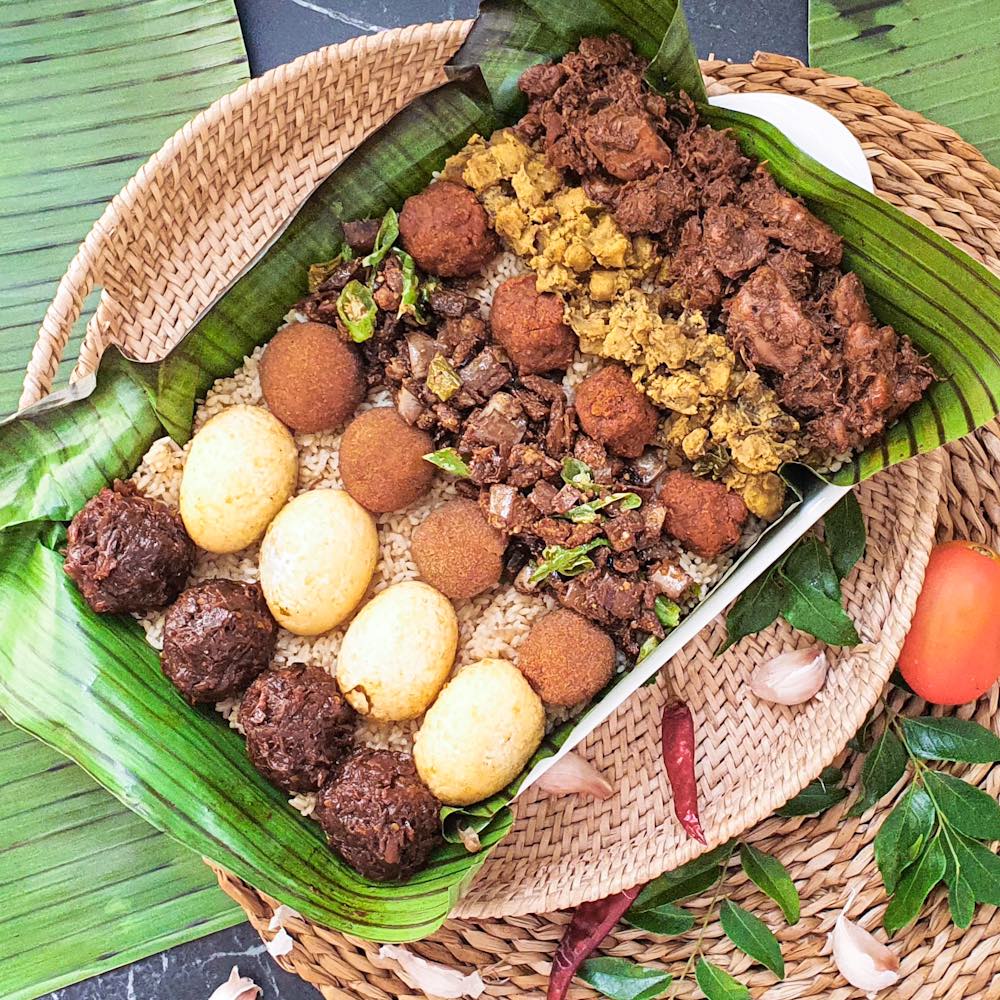
A gift from Sri Lanka’s Dutch-Burgher heritage, lamprais is arguably the island’s most labour-intensive dish — and one of its most rewarding. Rice cooked in meat stock is parcelled together with a three-meat curry, frikkadels (Dutch-style meatballs), seeni sambol (caramelised onion relish), ash plantain, and brinjal, all wrapped tightly in a banana leaf and baked until the flavours mold into something extraordinary.
Where to try it: The Dutch Burgher Union café in Colombo serves what many consider the most authentic version. Typical price: USD $2–$5.
5. Wattalappam
No Sri Lankan meal is complete without something sweet, and wattalappam is the island’s signature dessert. This rich, silky coconut custard pudding is made with jaggery (palm sugar), coconut milk, cardamom, and nutmeg, with origins in the island’s Malay community. The texture sits somewhere between crème caramel and a dense flan — aromatic, gently spiced, and deeply satisfying.
Where to try it: Upali’s serves a good version, but for the real thing, seek it out at local restaurants and home-stay kitchens. The Hela Bojun stalls often have it too. Typical price: USD $0.50–$2.
Rough Price Guide
Experience | Budget Per Person |
Fine dining (Ministry of Crab, Gallery Café) | USD $30–$120+ |
Mid-range restaurant (Upali’s, hotel restaurants) | USD $5–$15 |
Local eatery / kade | USD $1.50–$5 |
Hela Bojun / street food | Under USD $1–$2 |
King coconut from a roadside vendor | USD $0.20–$0.50 |