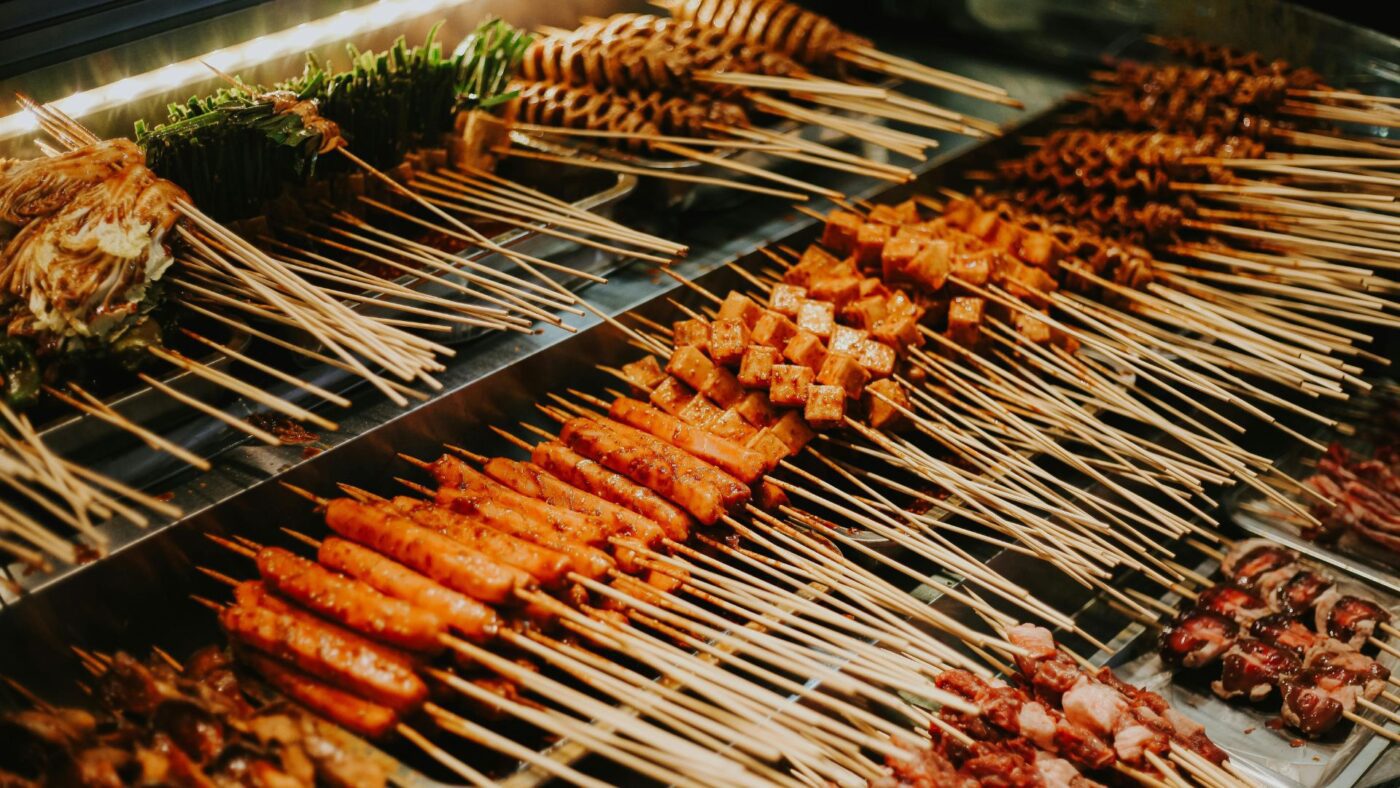
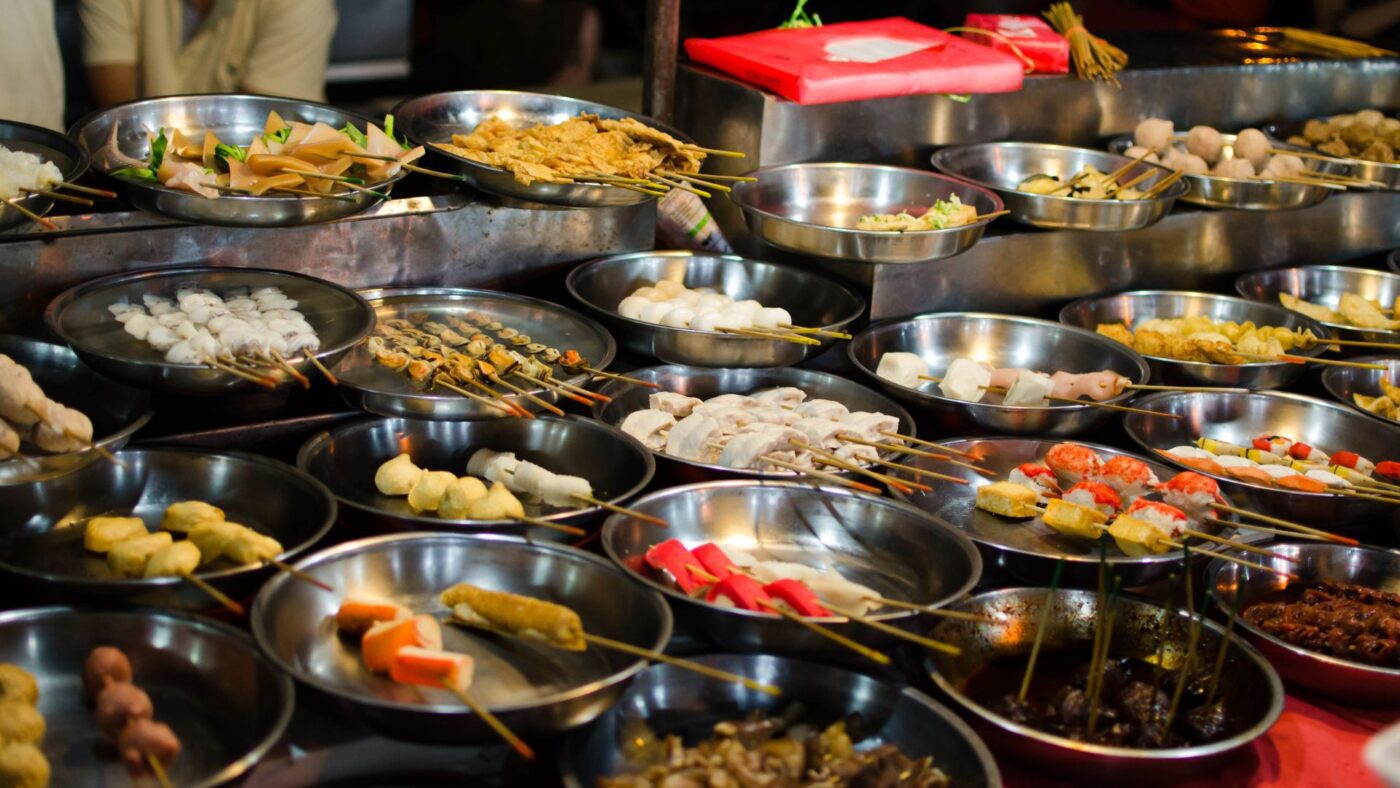
China is not a country you visit for one cuisine. It is a continent of flavours compressed into a single nation, where eight grand culinary traditions jostle for supremacy and every province, every city, every back-alley canteen claims its own signature dish. From the imperial duck houses of Beijing to the fiery hotpot parlours of Chengdu, eating in China is an act of cultural immersion that no amount of sightseeing can match.
Forget what you think you know from your local takeaway. Authentic Chinese food bears about as much resemblance to the sweet-and-sour chicken of a British high street as a fine claret does to a box of Ribena. This is food built on five thousand years of refinement, regional pride, and an almost spiritual reverence for freshness, balance, and the seasons.
Here is your guide to eating like a local: from Michelin-starred temples of gastronomy to the
bustling, no-frills restaurants where Chinese families gather for their most treasured meals,
plus the five dishes you absolutely must try before you leave.
———
The High Table: Two World-Class Dining
Experiences
1. Gastro Esthetics DaDong — Beijing
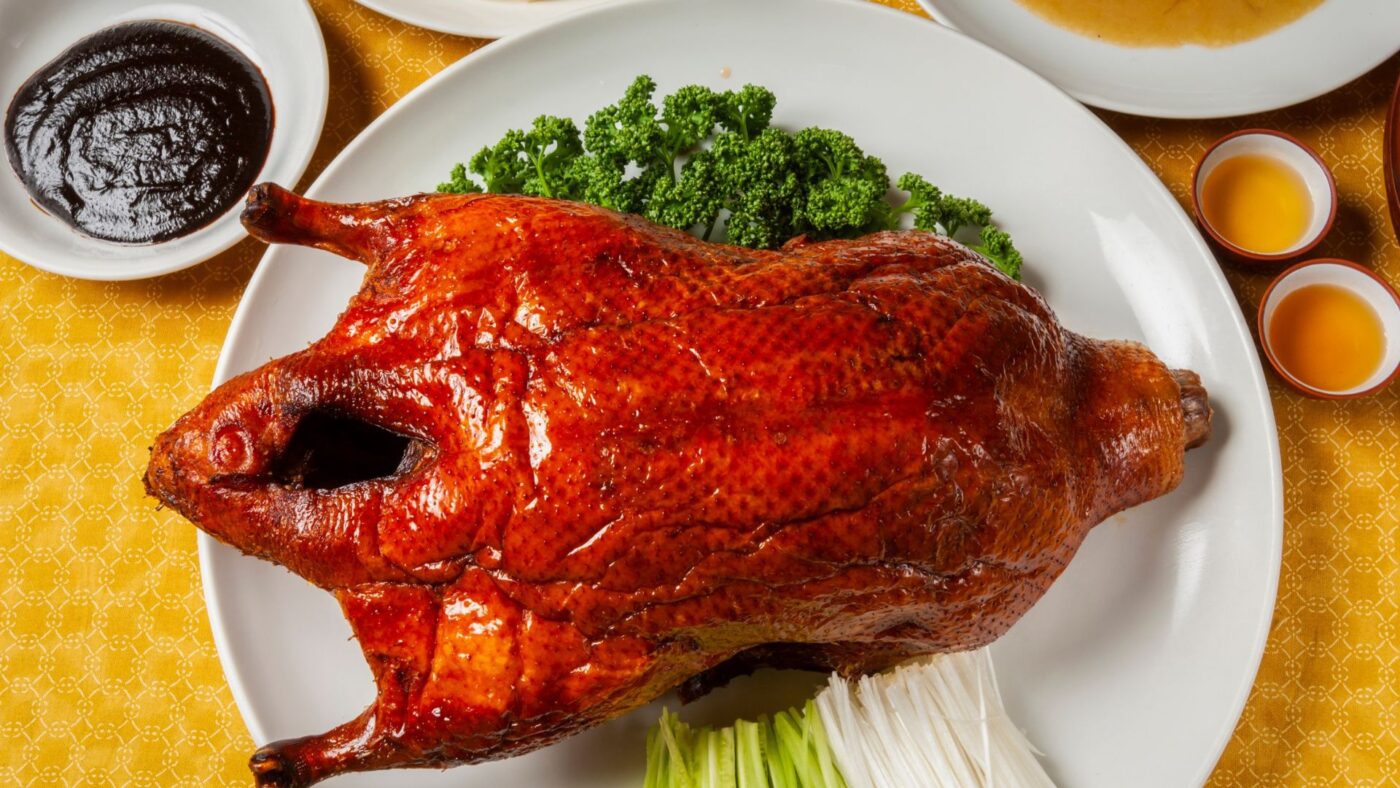
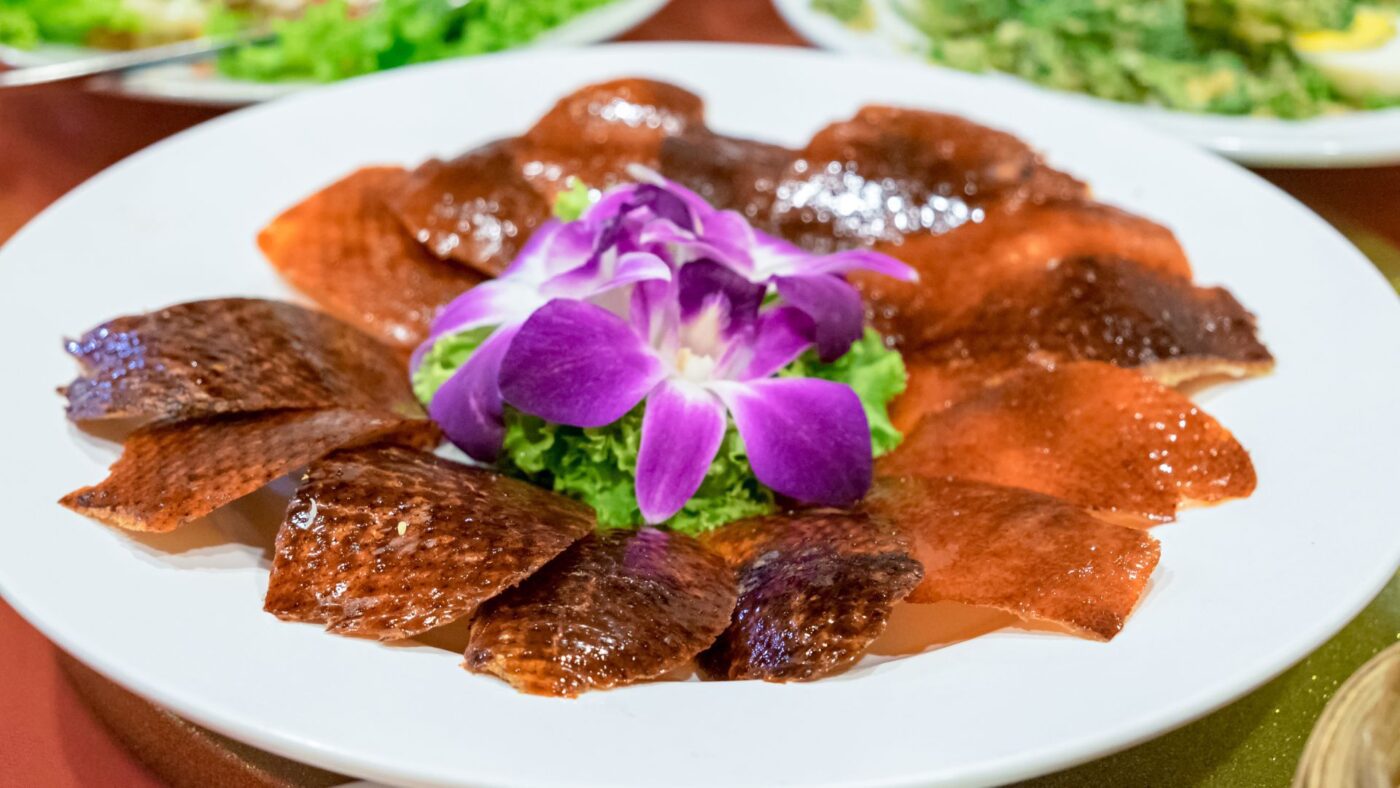
If Peking duck is the soul of Beijing, then DaDong is its finest expression. Chef Dong Zhenxiang has spent more than thirty years perfecting what he calls his “SuperLean” roast duck, using a specially designed spherical wood-fired oven that distributes heat so evenly the skin shatters like glass while the flesh remains impossibly tender and virtually fat-free. The flagship Nanxincang branch, housed in a restored Ming dynasty granary, earned a Michelin star and regularly features in Asia’s most prestigious restaurant rankings.
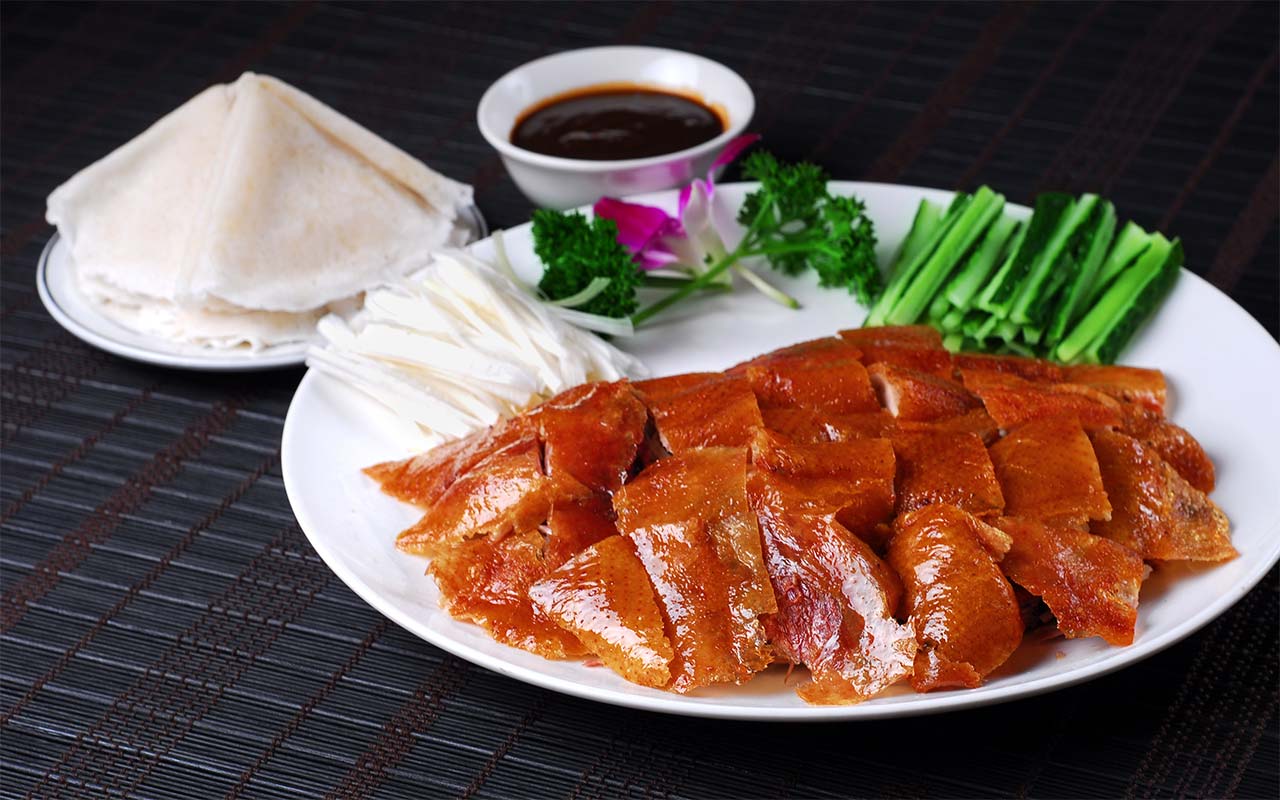
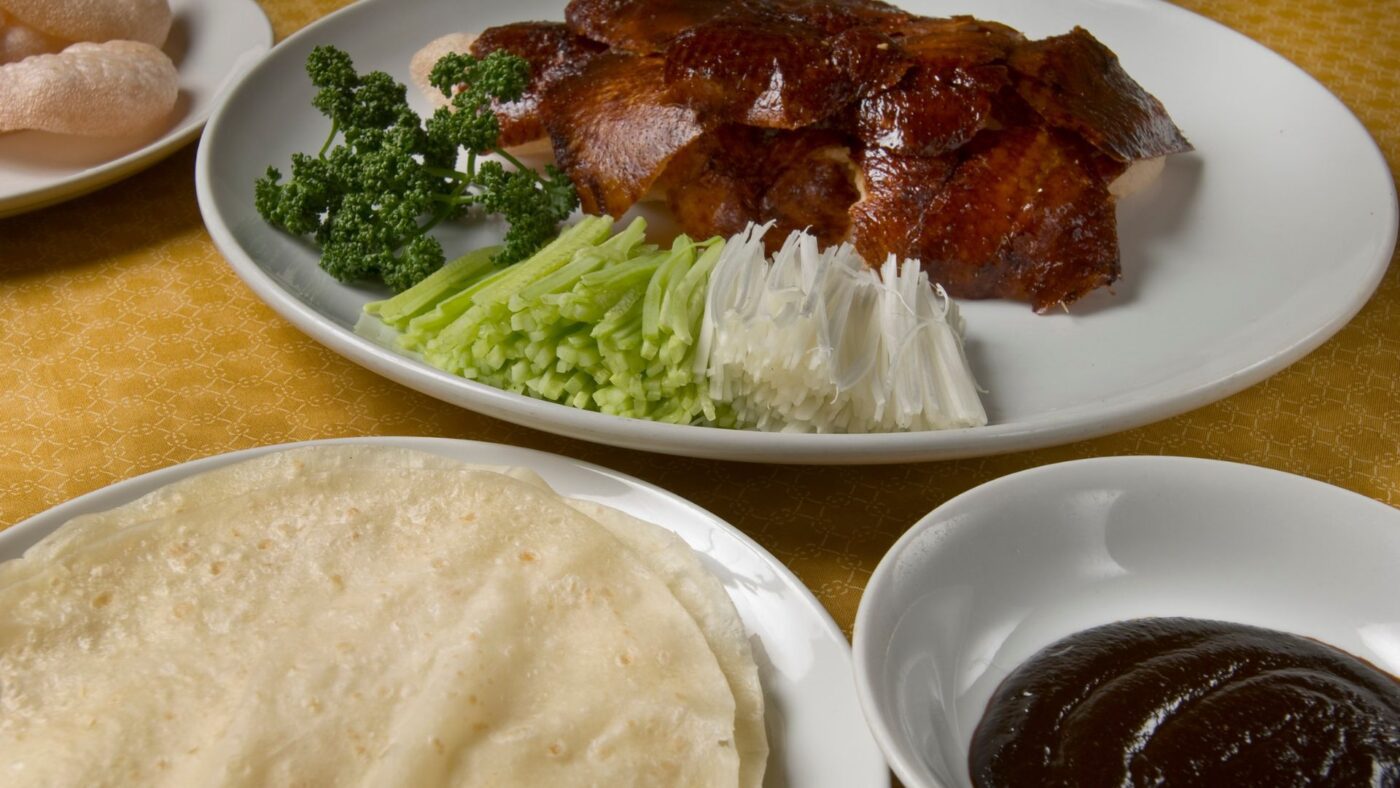
The 160-page menu reads like a culinary atlas of China, but the main event is unmistakable. Your duck arrives whole at the table, where a chef carves it with theatrical precision. Skin is dipped in granulated sugar — a revelation — while slices of breast are rolled in paper-thin pancakes with cucumber, scallion, and sweet bean sauce. Beyond the duck, the braised sea cucumber and seasonal mushroom dishes are sensational.
Expect to pay: Around £35–70 per person (CNY 300–500) for a full meal with duck.
Book via: Michelin Guide — Gastro Esthetics DaDong
Also featured on: World’s 50 Best Discovery
2. Fu He Hui — Shanghai
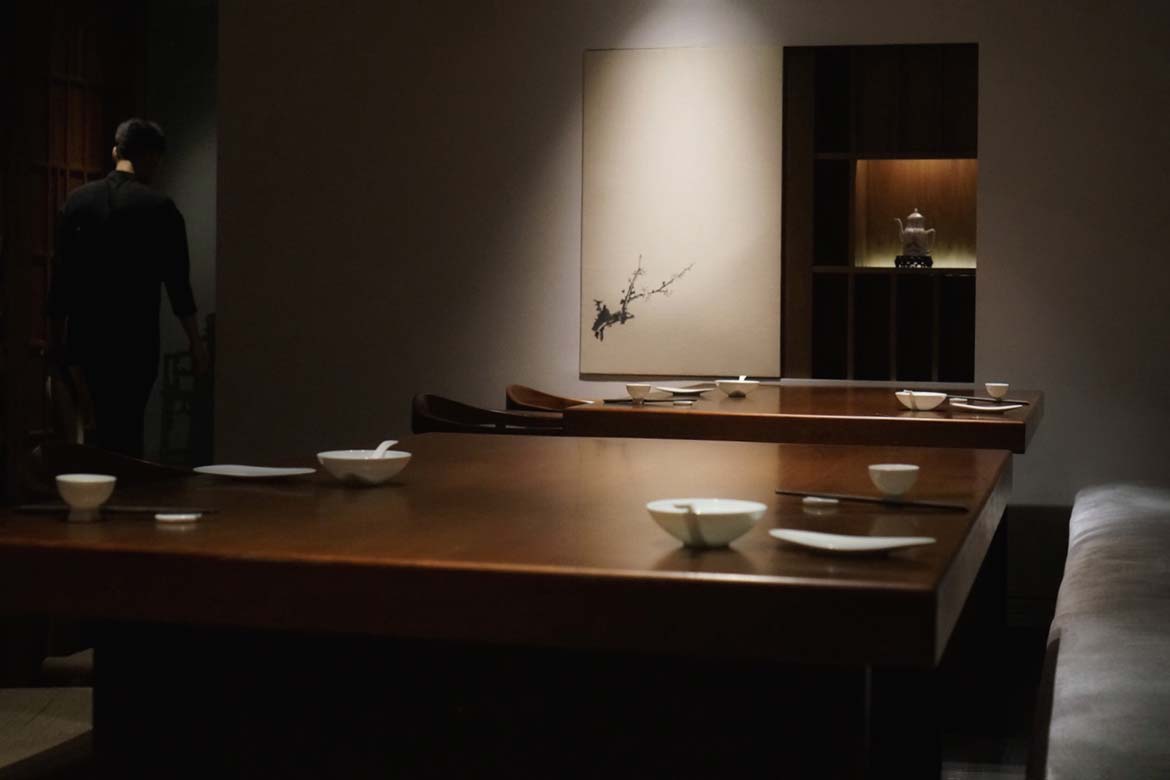
For something entirely different, Fu He Hui in Shanghai offers one of the world’s most refined vegetarian fine-dining experiences. Ranked 15th on Asia’s 50 Best Restaurants 2025 and 64th globally, Chef Tony Lu creates eight-course tasting menus that will change any sceptic’s mind about plant-based cuisine. There are no mock meats here. Instead, seasonal vegetables, wild mushrooms, Chinese herbs, and legumes are transformed into dishes of extraordinary beauty and depth.
The restaurant occupies a serene space on Yuyuan Road, all clean lines and natural light,
with the kind of hushed reverence you might find in a Japanese tea house. Each course
arrives as a small artwork. The signature Shangri-La matsutake mushroom soup is worth the
trip alone — earthy, complex, and intensely savoury.
Expect to pay: Around £50–80 per person (CNY 400–600) for the tasting menu.
Book via: Asia’s 50 Best — Fu He Hui
Where the Locals Eat: Two Restaurants Chinese
People Love
1. Siji Minfu 四季民福 — Beijing
Ask any Beijinger where they go for Peking duck and the answer is almost always Siji Minfu. With nineteen branches across the city, this is the restaurant where Chinese families celebrate birthdays, where colleagues toast promotions, and where the queue routinely stretches to two or three hours on weekend evenings. The fact that locals are willing to wait that long tells you everything.
The duck here is roasted the traditional way — in a fruit-wood-fired oven — and arrives at the table glistening and golden, where it is sliced with showmanship and served with an array of wraps, sauces, and condiments. But Siji Minfu is far more than a duck house. The menu runs to dozens of classic Beijing dishes: try the claypot braised pork, the silken tofu in chilli oil, and the honey-glazed prawns. The branch beside the Forbidden City’s east gate offers a particularly atmospheric setting.
Expect to pay: Around £12–25 per person (CNY 120–200). A whole Peking duck costs
approximately CNY 198 (£22).
Find it on: TripAdvisor — Siji Minfu (Forbidden City)
Also featured on: TasteAtlas — Siji Minfu
2. Haidilao 海底捞 — Nationwide
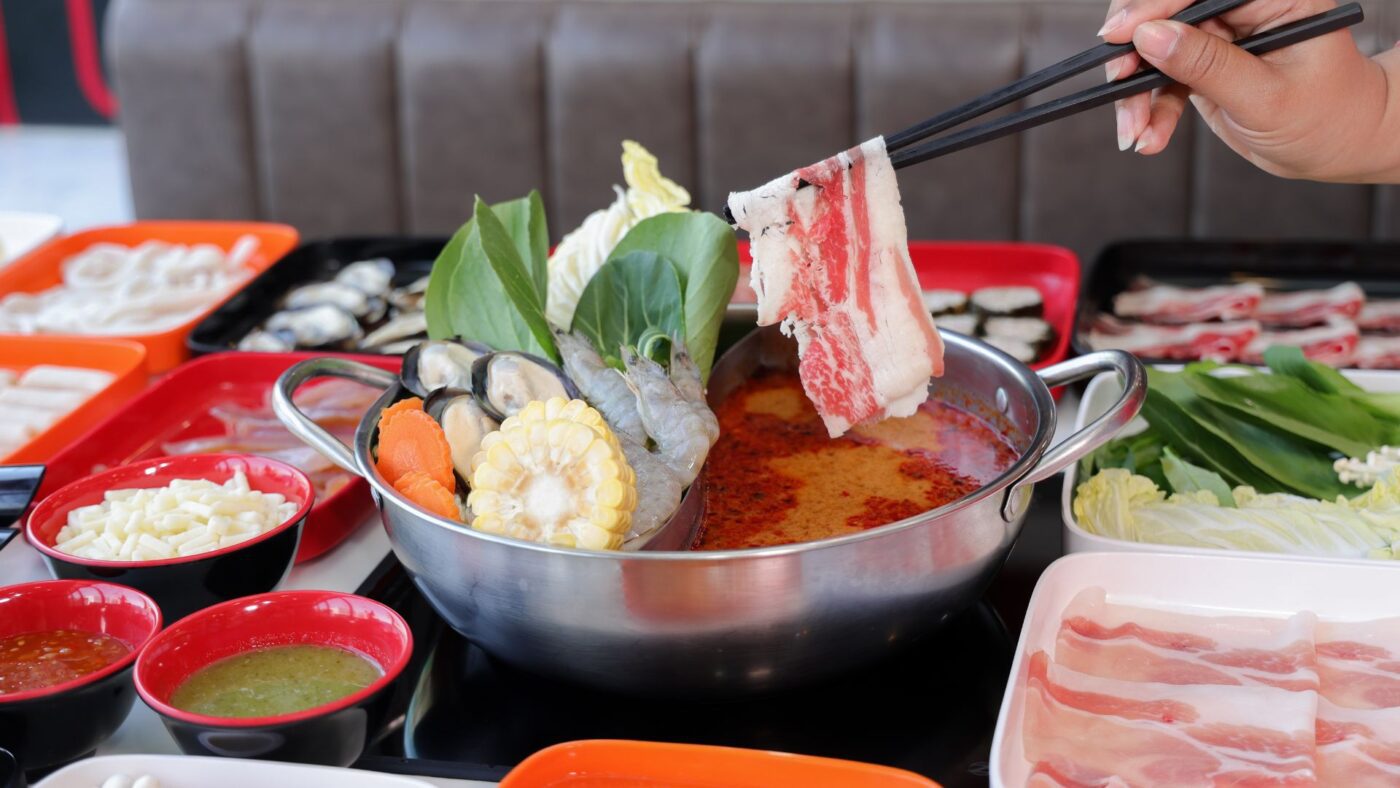
No guide to eating like a local in China would be complete without Haidilao, the country’s most celebrated hotpot chain and a genuine cultural phenomenon. Founded in Sichuan in 1994, Haidilao has grown to more than 1,300 restaurants across China, and the experience is as much theatre as it is dining.
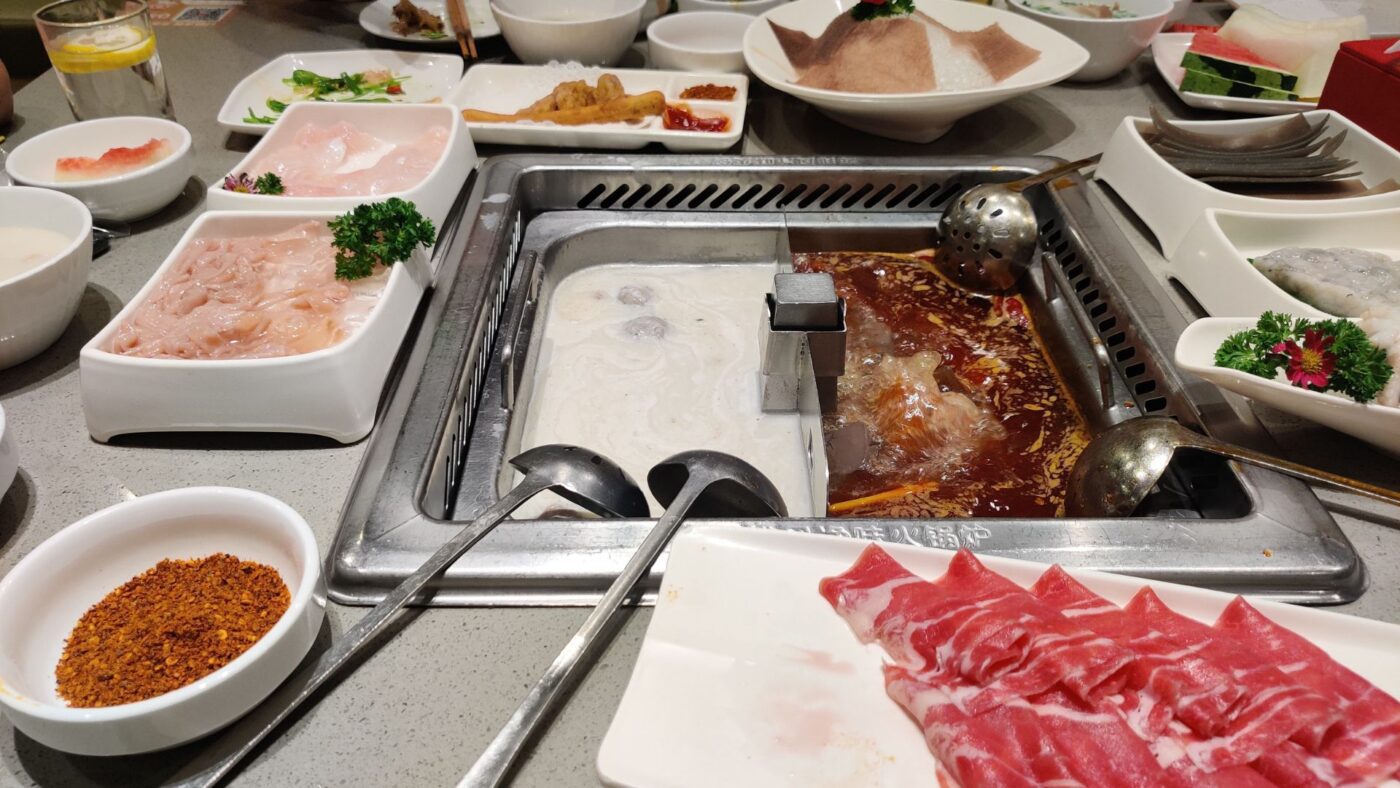
You choose your broth — the fiery Sichuan mala is the classic, though milder tomato and mushroom options are available for the chilli-averse — then order thinly sliced meats, fresh vegetables, handmade fish balls, and noodles to cook at the table. The service is legendarily over-the-top: free manicures while you wait for your table, complimentary snacks and board games, and the famous “noodle dance” where an employee performs an elaborate routine while hand-pulling your noodles tableside.
If you dine alone, they will place a large stuffed teddy bear opposite you so you do not feel lonely. It is, quite possibly, the most entertaining meal you will ever eat.
Expect to pay: Around £10–18 per person (CNY 90–150). Remarkably good value for the
experience.
Find it on: Beijing branch on: TripAdvisor — Haidilao Hot Pot (Mudanyuan)
———
At a Glance: Restaurant Guide
Restaurant Location Cuisine Style Price (pp) Link
DaDong Beijing Modern Peking
Duck
£35–70 Michelin Guide
Fu He Hui Shanghai Vegetarian Fine
Dining
£50–80 50 Best
Siji Minfu Beijing Traditional
Beijing
£12–25 TripAdvisor
Haidilao Nationwide Sichuan Hotpot £10–18 Official Site
———
Five Dishes You Must Try: The Authentic China
1. Peking Duck 北京烤鸭 (Běijīng Kǎoyā)
The undisputed national dish. A whole duck is air-dried, glazed, and slowly roasted until the skin is lacquered and crisp while the meat stays succulent. It is carved tableside and eaten wrapped in thin pancakes with spring onion, cucumber, and sweet bean sauce. Dating back to the imperial kitchens of the Ming Dynasty, this was once food reserved for emperors.
Today it belongs to everyone.
Where to try it: Siji Minfu or DaDong, Beijing. Expect to pay CNY 198–368 (£22–42) for a whole duck. China Highlights — Peking Duck Guide
2. Sichuan Hotpot 四川火锅 (Sìchuān Huǒguō)
A bubbling cauldron of chilli-laced, Sichuan-peppercorn-infused broth sits at the centre of the table, and you cook your own selection of thinly sliced meats, vegetables, mushrooms, and noodles in it. The numbing, tingling “málà” sensation of Sichuan pepper is utterly addictive. The best hotpot restaurants in Chengdu and Chongqing are invariably the busiest, smokiest, and most raucous places on the street.
Where to try it: Haidilao (nationwide) or any packed local joint in Chengdu. Expect to pay CNY 80–150 (£9–17) per person. Audley Travel — What to Eat in China
3. Xiaolongbao 小笼包 (Xiǎolóngbāo) — Shanghai Soup Dumplings
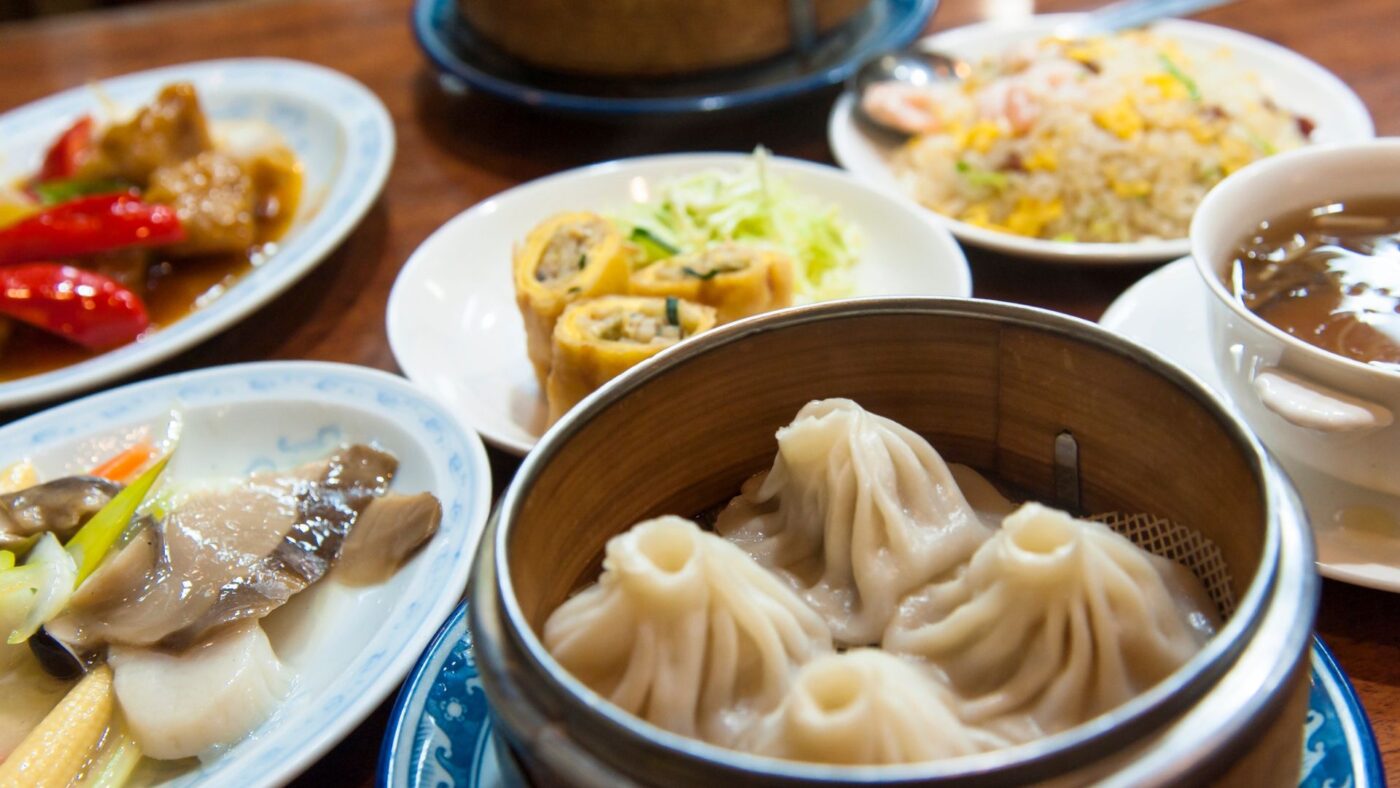
These delicate steamed dumplings, each containing a rich pork filling and a mouthful of scalding hot broth, are Shanghai’s most iconic street food. The skin must be thin enough to be almost translucent, yet strong enough to hold the soup inside. The proper technique is to place the dumpling on a spoon, nibble a small hole, sip the broth, then eat the rest. Locals start their mornings with a bamboo steamer of these and a cup of soy milk. Where to try it: Din Tai Fung (IFC Mall, Lujiazui) or Yang’s Fried Dumplings (Wujiang Road, Shanghai). A steamer of eight costs CNY 25–50 (£3–6). China Culture Tour —
Shanghai Food Guide
4. Kung Pao Chicken 宫保鸡丁 (Gōngbǎo Jīdīng)
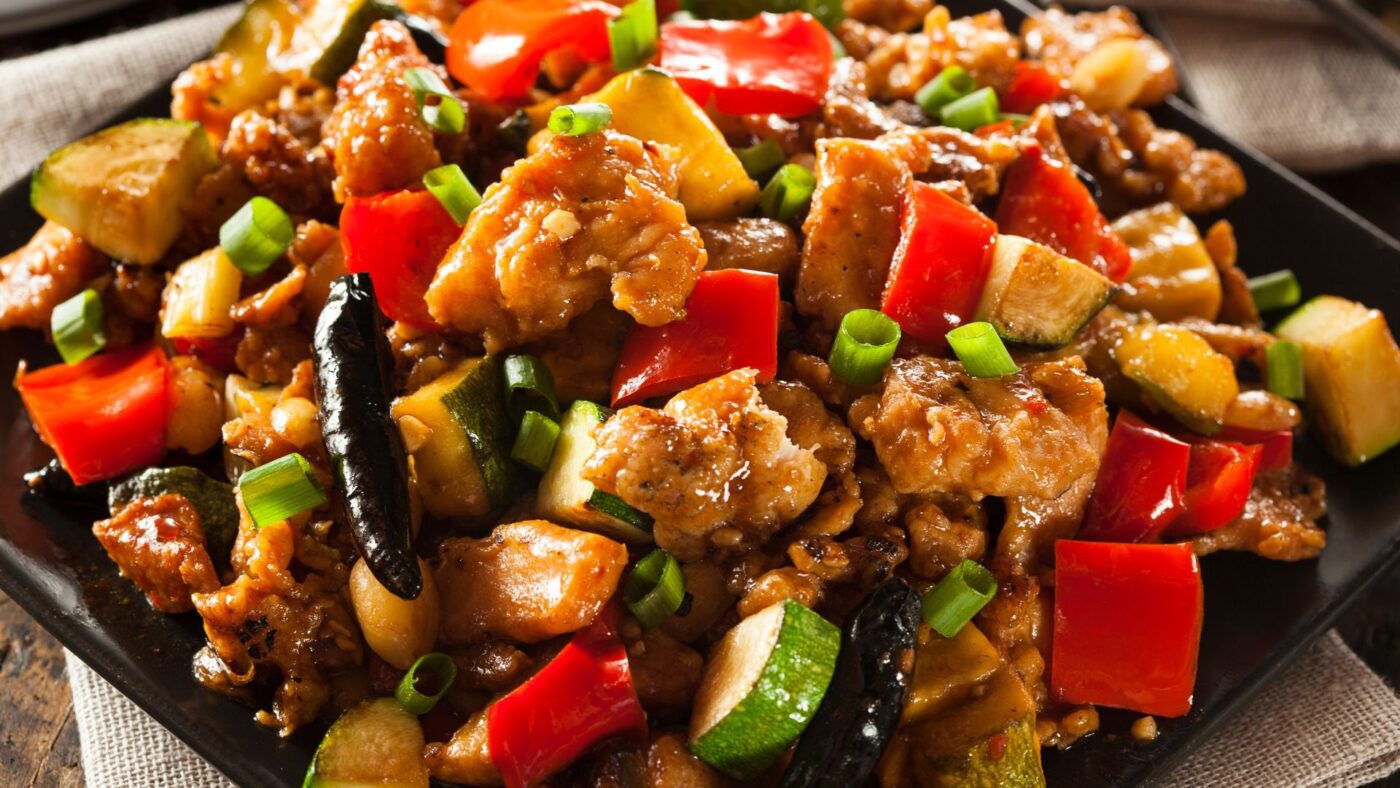
Originating in Sichuan province, this stir-fry of diced chicken, roasted peanuts, dried chillies, and Sichuan peppercorns bears almost no resemblance to the gloopy Western interpretation. The authentic version is a masterclass in balance — sweet, sour, salty, and searingly hot in a single mouthful. The dish is named after Ding Baozhen, a Qing Dynasty governor whose title was “Gong Bao” (Palace Guardian).
Where to try it: Any good Sichuan restaurant in Chengdu or the Gui Street dining strip in Beijing. Expect to pay CNY 38–68 (£4–8) for a generous plate. Travel Food Guide — China
5. Mapo Tofu 麻婆豆腐 (Mápó Dòufǔ)
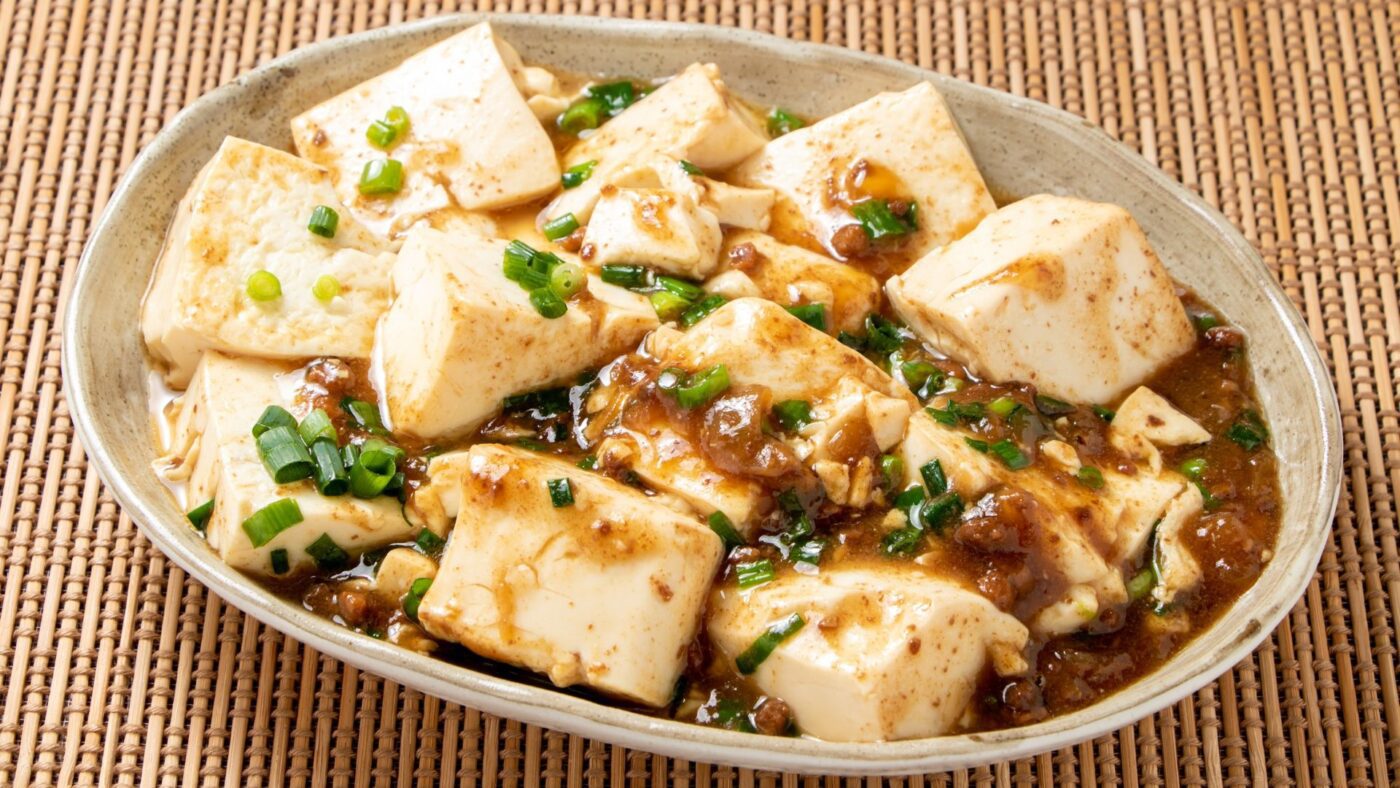
Another Sichuan legend, this fiery dish of silken tofu braised in a crimson sauce of fermented chilli bean paste, minced pork, and Sichuan peppercorns is comfort food at its most thrilling. The name translates roughly as “Pockmarked Grandmother’s Tofu” — a tribute to the Chen family matriarch who created it in nineteenth-century Chengdu. The contrast between the soft, quivering tofu and the intensely spicy, numbing sauce is pure genius.
Where to try it: Chen Mapo Tofu in Chengdu (the original, founded 1862) or virtually any Sichuan restaurant nationwide. Expect to pay CNY 28–48 (£3–5). China Highlights — Top Chinese Dishes
———
At a Glance: Five Must-Try Dishes
Dish Region What to Expect Price
(pp)
Guide Link
Peking Duck Beijing Lacquered roast duck carved
tableside, wrapped in pancakes
£22–42 China
Highlights
Sichuan
Hotpot
Sichuan Cook-it-yourself in fiery málà
broth at the table
£9–17 Audley Travel
Xiaolongbao Shanghai Delicate soup dumplings with
pork filling and hot broth
£3–6 Culture Tour
Kung Pao
Chicken
Sichuan Stir-fried chicken with peanuts,
chilli, Sichuan pepper
£4–8 Food Guide
Mapo Tofu Sichuan Silken tofu in fiery chilli bean
sauce with minced pork
£3–5 China
Highlights
———
Practical Information
• Download WeChat and Alipay before you arrive — most restaurants, even street stalls, prefer mobile payment over cash or cards.
• Tipping is not expected. In fact, it may cause confusion. A 10% service charge is sometimes added at high-end international hotels.
• Budget-friendly street food and local canteens typically cost less than CNY 30 (£3.50) per meal. Mid-range restaurants run CNY 80–200 (£9–23). Fine dining starts from CNY 400 (£45) upwards.
• Popular restaurants do not take reservations. At places like Siji Minfu and Haidilao, take a queue number on arrival and allow 1–3 hours during peak times. Use the wait to explore the neighbourhood.
• Drink bottled water, particularly in rural areas. Tea is usually served free with meals and it is perfectly polite to ask for more.
• Vegetarians are increasingly well catered for, particularly in Shanghai and Beijing, where the Buddhist vegetarian tradition is strong. Fu He Hui and King’s Joy (Beijing, three Michelin stars) are world-class options.
———
Further Reading and Official Resources
China National Tourism Administration — Food & Cuisine: www.unveilchina.com
China Highlights — Top 15 Chinese Dishes: www.chinahighlights.com/chinese-food
Travel Food Guide — China: travelfoodguide.com/country/china
Shanghai Tourism Board Dining Guide: www.meet-in-shanghai.net
Dianping 2025 Must-Eat List (China’s leading restaurant review platform):
Shanghai Gov — Dianping 2025