
Travel Like A Local: 10 Campervan Routes Where You Eat With The Neighbours
10 Campervan Routes Where You Eat With The Neighbours
Slow journeys, scenic routes, cosy nights – and the kind of food you’ll never find in a guidebook
There’s a moment every campervan traveller knows. You’ve pulled into a village square as the afternoon light turns golden. The engine ticks as it cools. And someone walking past glances at your numberplate, then points you towards a place ‘where we go’ – not where tourists go.
These ten routes are built around those moments. Places where the menu is handwritten (or doesn’t exist at all). Where the wine comes from the hill you can see through the window. Where nobody rushes you, because nobody rushes here.
1. Lanzarote & Fuerteventura: The Volcanic Larder
Distance: 280km across both islands | Duration: 10–14 days | Best season: October–April
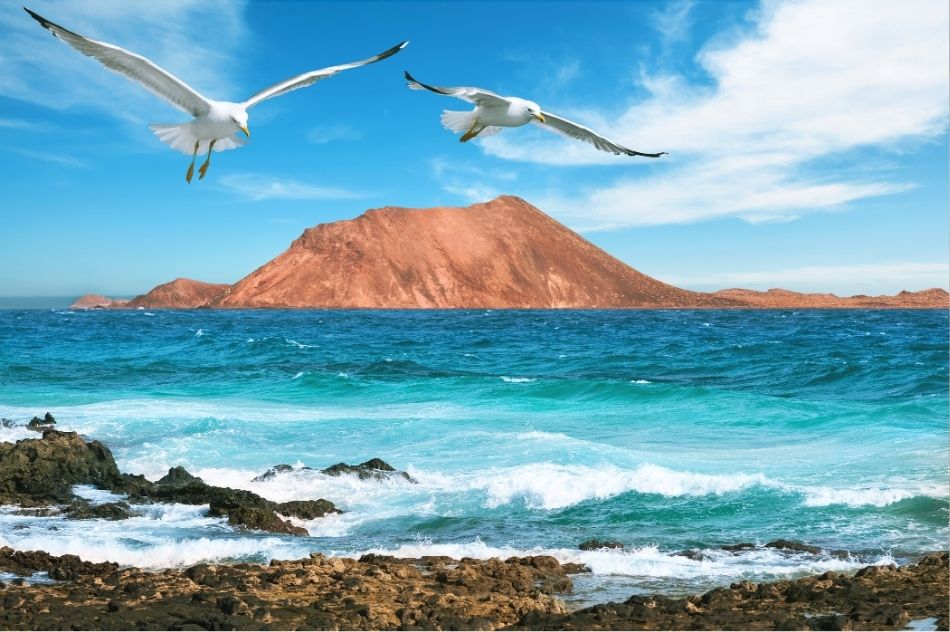
The Canary Islands offer something unexpected for campervan travellers: a cuisine shaped by volcanic soil, Atlantic winds, and centuries of creative isolation.
The Route
Start in Arrecife and head north to the fishing village of Órzola, where the guachinches (informal family restaurants) serve caldo de pescado – fish soup made from whatever came in that morning. The volcanic landscapes of Timanfaya provide the backdrop, but resist the tourist restaurants; instead, find Bodega La Geria in the wine valley, where Malvasía grapes grow in black volcanic craters and lunch is local cheese with mojo rojo.
Take the ferry to Fuerteventura and follow the western coast to Betancuria, the ancient capital. The restaurant Casa Santa María serves cabra (goat) that grazed on the mountains you drove through. In Cofete, the wild southern beach, there’s nothing but a single bar serving whatever María decides to cook.
Where The Locals Eat
Restaurante El Risco, Famara – surfers and fishermen sharing papas arrugadas (wrinkled potatoes) with both mojos
Casa Marcos, Teguise – Sunday market chaos, then quiet garbanzas compuestas in a courtyard
La Jaira de Lola, Villaverde – goat cheese made by the family who serves it
Cosy Night
Park at Papagayo Beach (permit required) and fall asleep to Atlantic waves, knowing tomorrow’s breakfast is fresh churros in Playa Blanca.
2. The Douro Valley, Portugal: Wine Country Without The Crowds
Distance: 220km | Duration: 7–10 days | Best season: September–October (harvest)
Forget the Algarve. The Douro Valley is where Portuguese families have holidayed for generations, eating at quintas (wine estates) where the owner’s grandmother still makes the bacalhau.
The Route
Begin in Peso da Régua and wind along the N222 – named the world’s best driving road by Avis for its perfect balance of bends and straights through vineyard-draped hills. Stop in Pinhão not for the famous port houses, but for Tasca da Quinta, a workers’ canteen where harvest crews have eaten since 1952. The francesinha (Portugal’s answer to the croque monsieur, drenched in beer sauce) costs €8 and feeds you for a day.
Continue to São João da Pesqueira, the highest town in the valley. The municipal market on Saturday morning sells presunto (cured ham) from the black pigs you’ll see wandering the oak forests.
Where The Locals Eat
Taberna do Javali, Favaios – wild boar stew and the local moscatel dessert wine
DOC Restaurant, Folgosa – yes, it’s Michelin-starred, but locals save up for anniversaries here; request the kitchen counter seats
Tasquinha d’Adega, Régua – no menu, just whatever António’s wife cooked; tell her your grandmother was Portuguese and portions double
Cosy Night
Wild camping is tolerated along the river near Barca d’Alva, the Spanish border. Wake to mist rising from the water and church bells from both countries.
3. Brittany, France: The Coast of a Thousand Crêperies
Distance: 340km | Duration: 10–14 days | Best season: May–June, September
Every Breton village has a crêperie. But only locals know which one.
The Route
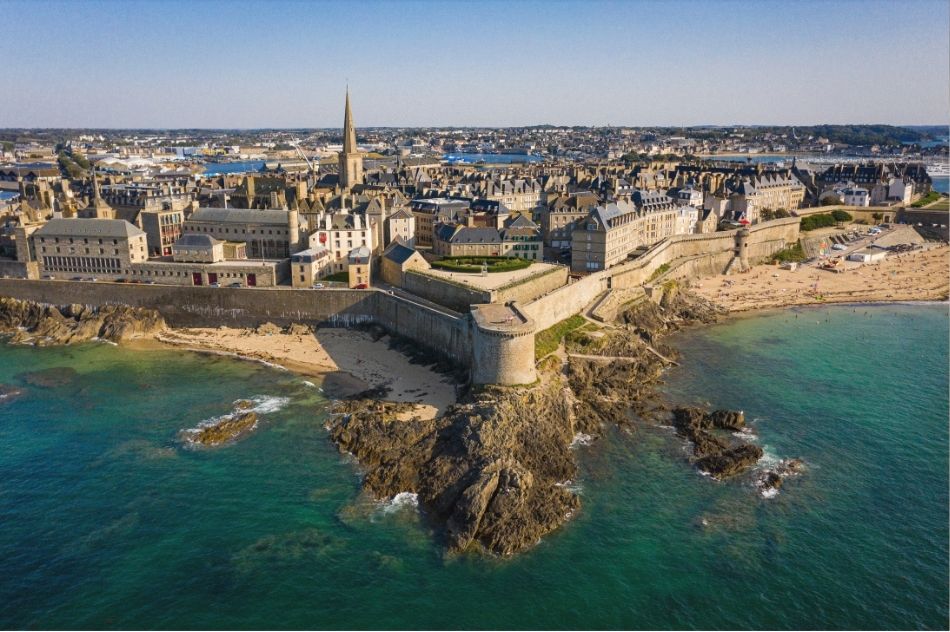
Start in Saint-Malo but leave quickly – the tourist crush is relentless. Head west along the Côte d’Émeraude to Cancale, the oyster capital. Don’t eat in the restaurants; buy a dozen from the market stalls on the harbour wall, borrow a shucking knife, and join the French families doing exactly the same thing on the sea wall.
The Pink Granite Coast around Perros-Guirec offers wild beauty and the galette-saucisse – a buckwheat pancake wrapped around a pork sausage, eaten standing up at markets. In Roscoff, the onion-seller port, find Crêperie Ti Saozon for the galettes your guidebook doesn’t mention.
Where The Locals Eat
Crêperie Gwechall, Ploumanac’h – Yannick has made galettes here for 40 years; order the complète (ham, cheese, egg) with proper Breton cider
Le P’tit Zeph, Morlaix – Friday is cotriade (fish stew) day; arrive before noon or miss it
Marché de Lannion – Saturday morning; find the van selling kouign-amann, the butteriest pastry in France
Cosy Night
The aire de camping-car at Trébeurden overlooks the Sept-Îles seabird reserve. €8 a night, hot showers, and the boulangerie opens at 6:30am.
4. Slovenia: Europe’s Best-Kept Larder
Distance: 290km | Duration: 7–10 days | Best season: Late May, September
Slovenia has more beekeepers per capita than any other country in Europe, more wine than it can drink, and a grandmother culture that makes Italian nonnas look neglectful.
The Route
Skip Ljubljana (save it for a city break) and drive directly to the Vipava Valley, Slovenia’s answer to Tuscany before anyone discovered Tuscany. The osmice – farmhouse pop-up restaurants open just a few weeks a year – serve whatever the family grew, raised, or fermented. Look for the ivy-wrapped pole outside a farmhouse: it means they’re open.
Cross the Karst plateau to the coast, stopping at Štanjel for štruklji (rolled dumplings) at any of the village’s family-run gostilnas. The hilltop town of Piran feels Venetian but the seafood risotto at Pri Mari is Slovenian prices – €14 for a portion that could feed a fishing crew.
Where The Locals Eat
Gostilna pri Lojzetu, Vipava – former castle, now Slovenia’s finest restaurant; the tasting menu celebrates grandmothers’ recipes
Hiša Franko, Kobarid – Ana Roš’s world-famous restaurant serves foraged Slovenian wilderness; book months ahead
Gostilna Mahorčič, Sežana – no website, just pull up to the house with cars outside; pršut (ham) and teran (red wine) from the family’s own production
Cosy Night
The Soča Valley offers wild camping beside Europe’s most beautiful river – emerald green and icy cold. Morning coffee tastes better when you’ve earned it by surviving the night.
5. The Scottish Highlands: Bothies, Bridges & Black Pudding
Distance: 400km | Duration: 10–14 days | Best season: May–June, September
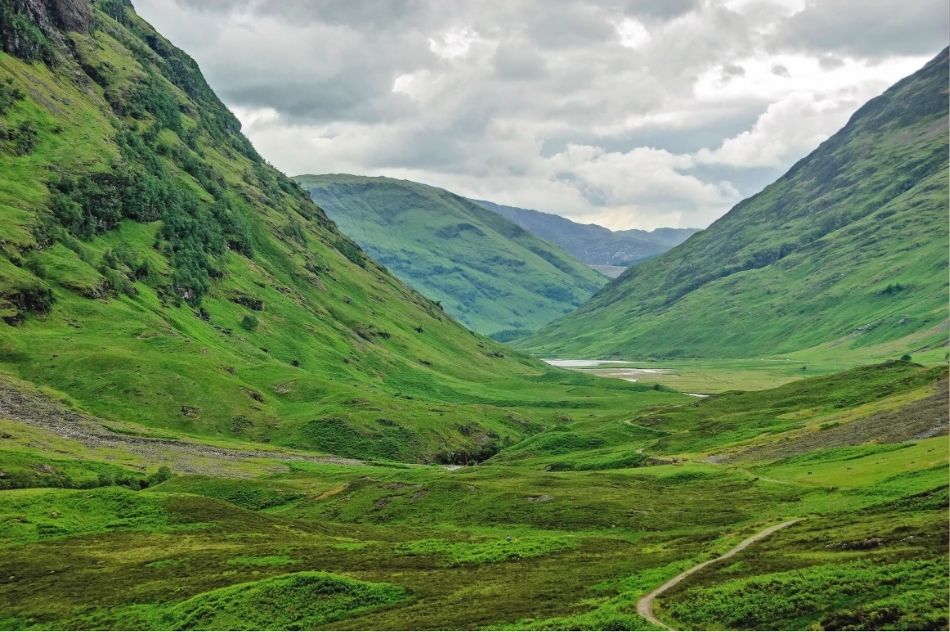
Scotland’s North Coast 500 has become overrun. But leave the main route, and you’ll find the Highlands the locals still recognise.
The Route
Start in Inverness and immediately turn left – away from the NC500 crowds. The Black Isle peninsula has farm shops, microbreweries, and Sutor Creek, a café in Cromarty where the seafood arrives on the same tide as the customers.
Head west through Strathpeffer to Ullapool, timing your arrival for the ferry departure to Lewis – not to board it, but to eat at The Arch Inn with the locals who’ve just waved off relatives. Continue to Lochinver for the legendary Lochinver Larder – pie shop by day, community hub by evening.
Where The Locals Eat
Anderson, Fortrose – a wee bistro where chef Jim Cowie serves Black Isle produce to Black Isle farmers
The Ceilidh Place, Ullapool – bookshop, bar, restaurant; order the Ullapool prawns with garlic butter
The Albannach, Lochinver – a Highland gem in a 200-year-old house overlooking the village; the owners live upstairs and might join you for whisky
Cosy Night
Park at the Clachtoll Beach car park (donations appreciated), walk to the ruined castle at sunset, and return to find you’ve made neighbours. Someone will have whisky.
6. Puglia, Italy: The Heel’s Hidden Tables
Distance: 310km | Duration: 10–14 days | Best season: May–June, September–October
Northern Italians holiday in Puglia and keep it secret. The masserie (fortified farmhouses) serve multi-course lunches to family bookings, and you’re about to become family.
The Route
Begin in Bari – not the tourist centre, but the old town’s Strada delle Orecchiette, where women make pasta on tables outside their front doors and sell it by the kilo. Buy orecchiette and find a masseria to cook it.
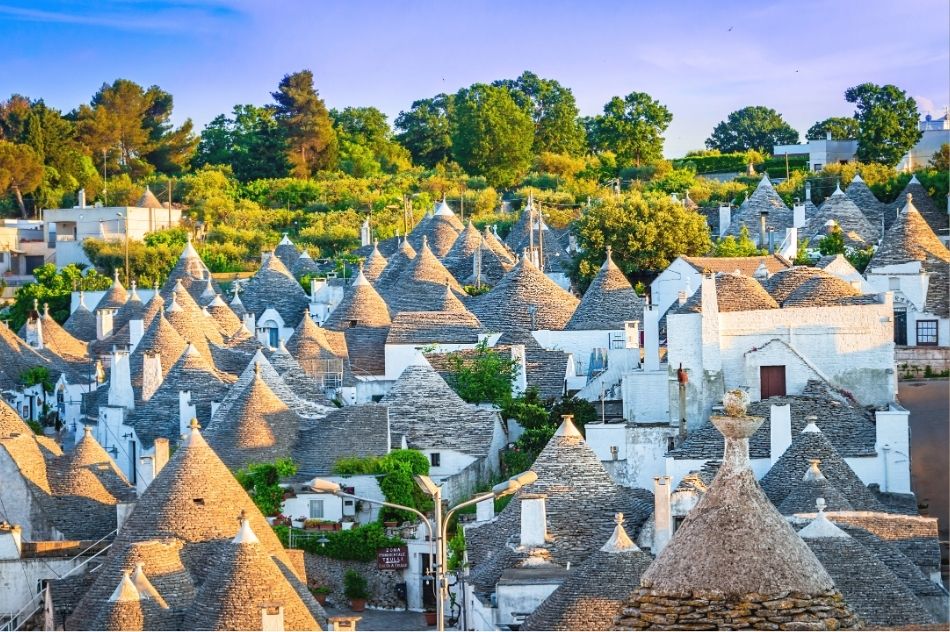
Drive south through the Valle d’Itria, stopping in Locorotondo (a white-washed circular town) for bombette – pork rolls stuffed with cheese and herbs, grilled at street stalls. The trulli houses of Alberobello are tourist-thick, but five minutes outside town, Masseria Ferri serves five-course lunches for €30 to anyone who rings the bell.
Where The Locals Eat
Trattoria Terra Madre, Bari – no menu, just whatever Maria bought at the market; say yes to everything
L’Aratro, Alberobello – the owner’s mother cooks; his father grows; his sister serves; order the fave e cicoria (broad beans and chicory)
Ai Fornelli, Lecce – €12 lunch menu in the baroque capital; workers from the court building eat here daily
Cosy Night
The coastline south of Otranto has dozens of informal spots where campervans gather. No facilities, no fees – just limestone cliffs and Albanian mountains on the horizon.
7. The Basque Country: Spain’s Gastronomic Heartland
Distance: 240km | Duration: 7–10 days | Best season: May–June, September
The Basque Country has one of the highest concentrations of Michelin stars per capita in the world. But the pintxos bars – where dinner is assembled one bite at a time – are where locals actually eat.
The Route
Start in Bilbao, not for the Guggenheim but for the Mercado de la Ribera, Europe’s largest covered market. Buy cheese from the Idiazábal counter, ham from the jamón stand, and bread from the bakery with the longest queue.
Drive the coast to San Sebastián, stopping in fishing villages where the day’s catch becomes tonight’s txakoli (sparkling wine) accompaniment. In Donostia (San Sebastián’s Basque name), abandon any restaurant plan – the old town’s pintxos route is where locals spend their evenings, moving bar to bar, one bite at a time.
Where The Locals Eat
La Cuchara de San Telmo, San Sebastián – no seats, just a counter; order the carrillera (beef cheek) and don’t ask questions
Ganbara, San Sebastián – wild mushrooms in season; the owners forage them themselves
Asador Etxebarri, Atxondo – an hour into the mountains, possibly the world’s greatest grill restaurant; reserve months ahead
Cosy Night
Camping Zarautz puts you on the beach of the town where Basque families have summered for generations. Morning surf, evening pintxos, repeat.
8. Transylvania, Romania: Dracula Never Ate This Well
Distance: 380km | Duration: 10–14 days | Best season: May–September
Forget the vampire kitsch. Transylvania is where European food traditions that died elsewhere survived intact – medieval recipes, Austro-Hungarian elegance, and Roma cooking that’s never been written down.
The Route
Start in Cluj-Napoca, the unofficial capital, but eat in the working-class Mărăști district – the varza à la Cluj (stuffed cabbage) at Roata comes in portions sized for shepherds.
Drive south through the Apuseni Mountains, stopping at villages where families sell roadside cheese wrapped in fir bark. Sibiu is the Saxon heartland, where German settlers built towns that haven’t changed since 1400. The Piața Mare restaurants cater to tourists; instead, find Crama Sibiu Vechi in an unmarked cellar.
Where The Locals Eat
Cocoșatu, Cluj – a courtyard restaurant with changing menus based on market finds; the chicken paprikash is definitive
La Cuptor, Sibiu – wood-fired everything; the lamb is from the mountains you just drove through
Sarmale at the Viscri Guesthouse – King Charles owns a house in the village; the village ladies cook for guests in rotation
Cosy Night
Wild camping is widely tolerated on public land (avoid national parks and reserves). The meadow behind Biertan’s fortified church is a favourite – wake to church bells and cows walking past your window.
9. The Norwegian Fjords: Cold Water, Warm Kitchens
Distance: 520km | Duration: 14–18 days | Best season: June–August
Norway is expensive. Norwegians know this. That’s why their campervan food culture involves knowing which fish to catch, which berries to pick, and which ferry terminals have the best cafeterias.
The Route
Start in Bergen at the Fisketorget (fish market) – yes, it’s touristy, but the fish soup at Fjellskål remains what Bergensers eat. Take the ferry-and-road route to Flåm, where the railway is famous and the Ægir Brewpub (Viking-themed, but locals drink there) serves farmhouse ales with smoked salmon.
The Geirangerfjord is majestic but crowded. Instead, take the side road to Hellesylt and eat at the ferry terminal café – Norwegians rate ferry food highly, and the meatballs here explain why.
Where The Locals Eat
Pingvinen, Bergen – traditional husmannskost (home cooking); the fårikål (lamb and cabbage) in autumn is Norwegian comfort food
Torget Mat, Flåm – looks like a tourist trap, is actually where fishermen eat; the fish and chips uses this morning’s catch
Anywhere serving raspeballer – potato dumplings with salted meat; not beautiful, deeply Norwegian
Cosy Night
Norway’s Allemannsretten (right to roam) means you can camp almost anywhere. The viewpoint above Geirangerfjord has basic facilities and sunrise over the UNESCO World Heritage site… Visit https://www.tromsooutdoor.no/articles/allemannsretten-the-freedom-to-roam-in-norway
10. The Welsh Borders: England’s Overlooked Larder
Distance: 280km | Duration: 7–10 days | Best season: April–June, September–October
The Welsh Marches have long inspired Britain’s finest food writers. The landscape explains why – orchards, sheep-scattered hills, and black-and-white market towns where the butcher still makes his own faggots.
The Route
Start in Ludlow, England’s most gastronomically concentrated town, where three streets contain more good food than most cities. Skip the Michelin stars and find The Church Inn – lamb from the Shropshire hills, ale from the cellar.
Cross into Wales via the Elan Valley (wild camping heaven) to Hay-on-Wye, the world’s secondhand book capital. The town’s café culture feeds the bibliophiles – Shepherd’s does ice cream, Richard Booth’s Bookshop Café does Welsh rarebit.
Where The Locals Eat
Mortimer’s Cross Inn, Kingsland – a 15th-century pub where the beef hangs in view and the menu hasn’t changed since the 1980s
The Riverside, Aymestrey – an acclaimed gastropub in a 16th-century coaching inn that feels like your wealthy aunt’s kitchen; chef-patron Andy Link’s locally foraged menus are outstanding
Radnor Hills Café, Knighton – attached to the spring water bottling plant; the soup uses the water, obviously
Cosy Night
The car park at Hergest Ridge (of Mike Oldfield fame) allows overnight camping. Fall asleep to Welsh sheep conversations and wake to views across three counties.
Before You Go: The Traveller’s Toolkit
The Unwritten Rules
Arrive at local restaurants at local times – 2pm in Spain, 7pm in Scotland, when you see cars in the car park everywhere else. Learn to say ‘what do you recommend?’ in the local language. Point at neighbouring tables if speaking fails. Cash remains king in rural Europe – card machines exist but are not always trusted. Book ahead only at Michelin-starred restaurants; everywhere else rewards spontaneity.
Campervan Realities
Europe’s aire/stellplatz/área network offers cheap, safe overnight parking – apps like Park4Night map them comprehensively. Wild camping legality varies: unrestricted in Scotland and Scandinavia, tolerated in rural Southern Europe, illegal but unenforced in France. Harvest seasons fill local restaurants with farmers – they know the food, they know the gossip, they may know you by your third visit.
The Travelling Telegraph Promise
These routes aren’t about Instagram moments or bucket-list ticking. They’re about the kind of travel that changes how you eat when you get home. About learning that the world’s best meals cost €15 and require pointing at the pot. About discovering that ‘local’ isn’t a marketing term – it’s a grandmother who doesn’t understand why you’re photographing her kitchen.
Travel slowly. Eat locally. Sleep well.
———
Want to share your own ‘locals only’ discovery? Email us at editor@thetravellingtelegraph.com